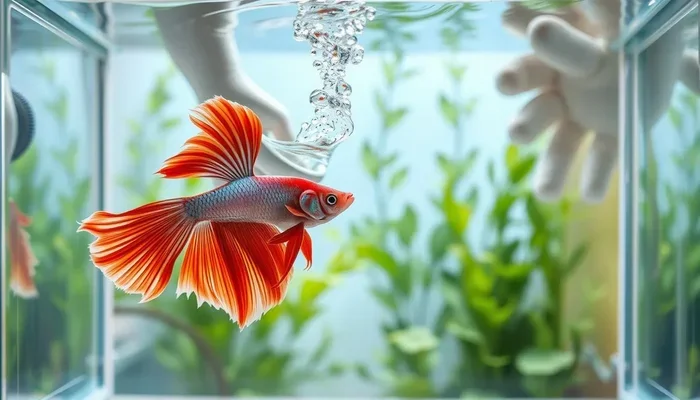
How to Betta Fish Sleep
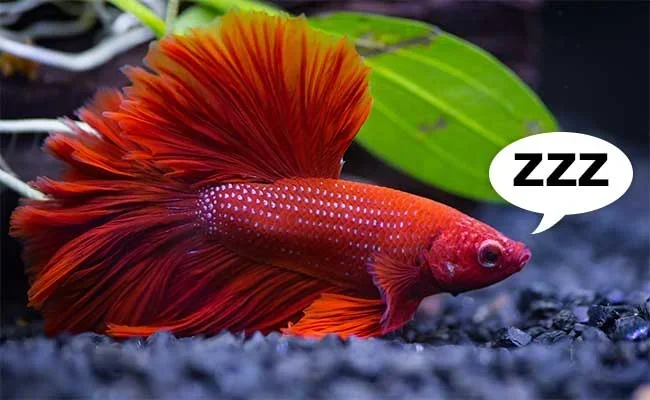
Understanding how betta fish sleep is essential for keeping your fish healthy and happy. Betta fish need darkness, calm conditions, and a consistent routine to get quality rest. This guide covers everything from sleep positions and duration to setting up the perfect sleep-friendly tank environment.
Have you ever wondered if your betta fish is sleeping? It is a common question among fish owners. Betta fish sleep is more important than most people realize. Just like you and me, your betta needs rest to stay healthy and active. Without proper sleep, your fish can become stressed, lose color, and even get sick.
Many new betta owners do not realize that their fish needs a dark, calm environment to rest. They keep the lights on all day or forget to turn them off at night. This can seriously mess up your fish’s natural rhythm. In this guide, we will walk you through everything you need to know about how betta fish sleep. You will learn what normal sleep looks like, how to set up the perfect sleep environment, and simple tips to improve your fish’s rest.
Whether you have had bettas for years or just brought home your first one, this article has something for you. We will cover sleep positions, light schedules, water temperature, and much more. By the end, you will know exactly how to help your betta get the deep, peaceful rest it deserves. Let us dive in and explore the world of betta fish sleep together.
Key Takeaways
- Betta fish do sleep: They need rest just like any other pet, and understanding their sleep patterns helps you care for them better.
- Darkness matters: A consistent light-dark cycle is critical for healthy betta fish sleep and overall well-being.
- Watch for sleep signs: Lying on one side, hovering near the bottom, or becoming less active are all normal sleep behaviors.
- Tank setup affects rest: Water temperature, noise levels, and tank decorations all play a role in how well your betta sleeps.
- Avoid disturbing your betta: Sudden light changes or tapping on the glass can disrupt their sleep cycle and cause stress.
- Winter changes sleep habits: Colder temperatures may make your betta sleep more, so adjust care accordingly.
- Consistency is key: A steady daily routine helps your betta fish feel secure and sleep better at night.
📑 Table of Contents
Do Betta Fish Actually Sleep?
Yes, betta fish do sleep. Many people think fish never close their eyes, and that is true for bettas. They do not have eyelids, so they cannot close their eyes. But that does not mean they are awake all the time. Betta fish sleep is very real, and your fish rests every single night.
When your betta is sleeping, it becomes very still. You might notice it hovering in one spot or resting on the bottom of the tank. Some bettas even lie on their side or tuck themselves behind plants and decorations. This is completely normal and nothing to worry about.
If you want to learn more about whether bettas sleep at all, check out our detailed guide on Do Betta Fish Go To Sleep. It covers all the signs and behaviors you should look for.
How to Tell If Your Betta Is Sleeping
Spotting a sleeping betta can be tricky at first. Here are the most common signs your fish is resting:
- Staying very still: Your betta will not move much when it is asleep.
- Hovering in place: Some bettas float in one spot without swimming.
- Resting on the bottom: Your fish may settle on the tank floor or hide behind decorations.
- Lying on their side: This looks alarming but is perfectly normal during sleep.
- Less responsive: Your betta will not react to movement outside the tank.
Remember, a sleeping betta is a healthy betta. Do not poke or tap on the glass to check. That can startle your fish and ruin its rest.
How Many Hours Do Betta Fish Sleep?
Most betta fish need about 8 to 12 hours of sleep each day. They follow a similar rhythm to humans. During the day, they are active and exploring their tank. At night, they settle down and rest. This pattern is called a day-night cycle, and it is essential for your fish’s health.
Some bettas sleep in short naps throughout the day too. You might see your fish resting for 20 to 30 minutes at a time. This is normal and nothing to worry about. However, if your betta seems tired all the time and sleeps way more than usual, that could be a sign of something wrong.
Factors like water temperature and light exposure affect how much your betta sleeps. We will cover those details in the sections below. For now, just know that your fish needs a consistent schedule to stay happy and well-rested.
Why Sleep Matters for Betta Fish Health
Sleep plays a huge role in your betta’s overall health. When your fish rests properly, it gets these benefits:
- Better immune system: A well-rested betta fights off illness more easily.
- Brighter colors: Sleep helps your fish maintain vibrant, beautiful colors.
- More energy: Your betta will be active and playful during the day.
- Lower stress levels: Proper rest keeps your fish calm and relaxed.
- Longer lifespan: Healthy sleep habits can add years to your betta’s life.
On the flip side, lack of sleep can lead to a weak immune system, faded colors, and constant stress. That is why setting up the right tank environment is so important.
Creating the Perfect Sleep Environment
The tank environment is the biggest factor in how well your betta sleeps. You need to control light, temperature, and noise to create a peaceful resting space. Small changes can make a huge difference in your fish’s sleep quality.
Light Schedule for Betta Fish Sleep
Light is the most important thing to manage. Bettas need a clear day-night cycle to know when to rest. Here is what you should do:
- Turn your tank lights on in the morning and keep them on for 8 to 10 hours.
- Turn the lights off at the same time every evening.
- Use a timer if you tend to forget. It keeps things consistent.
- Avoid placing the tank near windows where sunlight hits all day.
Too much light causes stress and disrupts sleep. Too little light makes your betta sluggish and sad. Finding the right balance is key. A simple aquarium timer is one of the best investments you can make for your fish.
Water Temperature and Sleep Quality
Betta fish are tropical fish, and they need warm water to thrive. The ideal temperature range is between 76 and 82 degrees Fahrenheit. When the water is too cold, your betta becomes sluggish and sleeps more than it should. When the water is too warm, it becomes restless and stressed.
In winter, you might need to take extra steps to keep the water warm. Check out our guide on How To Take Care Of Betta Fish In Winter for helpful tips on maintaining the right temperature during cold months.
Stable temperature is just as important as the right temperature. Sudden temperature swings can shock your fish and disrupt its sleep. Use a reliable heater and thermometer to keep things steady.
Reducing Noise and Disturbances
Betta fish are sensitive to vibrations and loud noises. Placing your tank near a TV, speaker, or high-traffic area can disturb their rest. Here are some quick tips:
- Place the tank in a quiet room away from loud electronics.
- Avoid tapping on the glass or making sudden movements near the tank at night.
- Keep the tank away from doors that slam frequently.
- Use a quiet filter to reduce water flow noise.
A peaceful environment helps your betta fall asleep faster and stay asleep longer. Think of it like creating a calm bedroom for your fish.
Common Betta Fish Sleep Problems and Solutions
Sometimes bettas have trouble sleeping, and it shows in their behavior. Understanding these problems helps you fix them fast. Here are the most common sleep issues and what you can do about them.
Your Betta Is Sleeping Too Much
If your betta seems to sleep all the time, something might be wrong. Common causes include:
- Water temperature is too low: Cold water makes fish sluggish.
- Poor water quality: Dirty water makes fish tired and stressed.
- Illness: Diseases like ich or fin rot can cause excessive sleeping.
- Boredom: A boring tank with nothing to do makes fish lethargic.
Start by testing your water parameters. Make sure the temperature is in the right range. If the problem continues, look for other signs of illness. Our article on How To Treat A Stressed Betta Fish can help you identify and address stress-related sleep issues.
Your Betta Is Not Sleeping Enough
On the other hand, some bettas barely seem to rest. They swim around constantly and never settle down. This usually happens because of:
- Too much light: Leaving lights on all day confuses their internal clock.
- Tank too close to a light source: Streetlights or sunlight through windows can keep them awake.
- High water flow: Strong filters can keep your betta active and restless.
- No hiding spots: Without plants or caves, your fish feels exposed and unsafe.
Fix these issues by dimming the lights, adding live plants, and providing caves or decorations for your betta to hide in. Your fish needs to feel safe in order to relax and sleep.
Betta Fish Sleeping Positions Explained
One of the most interesting things about betta fish is how they sleep. Their sleeping positions can look strange and even a little funny. But each position tells you something about how comfortable your fish feels.
Some bettas sleep horizontally, lying on their side near the bottom of the tank. Others float near the surface, barely moving. Some tuck themselves into caves or behind broad leaves. A few even sleep vertically with their heads pointing down.
All of these positions are normal. The key is to watch for sudden changes. If your betta suddenly starts sleeping in a completely different position and shows other signs of illness, that is when you should pay attention.
For more information on betta behavior and rest patterns, our guide on How To Set Up A Fish Tank For Betta Fish covers how tank setup influences your fish’s comfort and sleep habits.
What Normal vs. Abnormal Sleep Looks Like
It helps to know the difference between normal rest and a potential problem. Here is a simple comparison:
| Normal Sleep Behavior | Abnormal Sleep Behavior |
|---|---|
| Still but responsive during the day | Unresponsive even during active hours |
| Sleeps 8 to 12 hours at night | Sleeps 16+ hours or barely sleeps at all |
| Lies on side or hovers briefly | Constantly gasping at the surface |
| Wakes up and swims when fed | Does not react to food at all |
| Even color while resting | Faded or pale color when sleeping |
If you notice abnormal behaviors, check your water quality and temperature first. Those are the most common culprits. If everything looks fine but the behavior continues, consider consulting a fish health expert.
Tips for Better Betta Fish Sleep
Now that you understand the basics, here are some practical tips to improve your betta’s sleep starting today. These are simple changes that make a big impact.
1. Stick to a Consistent Schedule
Bettas love routine. Feed them at the same times each day. Turn the lights on and off at the same time. This predictability helps your fish feel safe and know when it is time to rest. Consistency is one of the easiest ways to promote healthy betta fish sleep.
2. Add Live Plants to the Tank
Live plants do more than look nice. They provide hiding spots and make your betta feel secure. Plants also help maintain water quality by absorbing nitrates. Your fish will thank you with better rest and brighter colors. You can learn how to set up a planted tank in our guide on How To Setup A Betta Fish Bowl With A Plant.
3. Keep the Water Clean
Dirty water causes stress and disrupts sleep. Perform regular water changes, about 25% every week. Use a water conditioner to remove chlorine and chloramine before adding new water. Clean water equals a happy, well-rested fish.
4. Avoid Nighttime Disturbances
Once the lights are off, leave your betta alone. Do not tap on the glass, shine flashlights, or move the tank around at night. These disturbances can wake your fish and prevent deep, restful sleep. Treat nighttime like bedtime for your fish.
5. Monitor Water Parameters Regularly
Test your water at least once a week. Keep pH between 6.5 and 7.5, ammonia at 0, and nitrates below 20 ppm. Stable water conditions are the foundation of good sleep and overall health. For tips on maintaining great water quality, check out our article on How To Take Care Of A Betta Fish Water.
How Light Affects Betta Fish Sleep Cycles
Light has a direct impact on your betta’s internal clock. In the wild, bettas live in warm, slow-moving waters with natural light patterns. They wake up with the sun and sleep when it gets dark. Your tank should mimic this natural rhythm as closely as possible.
Artificial light is convenient, but it needs to be controlled. LED lights are popular because they are energy-efficient and easy to adjust. Just make sure you do not leave them on 24/7. That is one of the fastest ways to ruin your betta’s sleep cycle.
Some owners use moonlight mode on their aquarium lights. This provides a dim glow for viewing at night without disturbing your fish. It is a nice feature if you want to check on your betta after hours without turning on the full lights.
Natural sunlight can work too, but it comes with risks. It can cause algae blooms and temperature swings. If you use natural light, make sure the tank is not in direct sunlight all day. Indirect light is much better.
Best Light Schedule for Betta Fish
Here is a simple light schedule you can follow:
- Morning: Lights on at 7:00 or 8:00 AM
- Daytime: Lights stay on for 8 to 10 hours
- Evening: Lights off at 7:00 or 8:00 PM
- Night: Complete darkness for 12 to 14 hours
This schedule gives your betta a clear day-night pattern. Over time, your fish will naturally start winding down when the lights go off and waking up when they turn on. It makes life easier for both of you.
Conclusion
Betta fish sleep is a vital part of keeping your fish healthy, colorful, and active. By now, you should understand how bettas rest, what a healthy sleep routine looks like, and how to create the perfect environment for deep, peaceful sleep. Remember to keep a consistent light schedule, maintain clean water, and provide a calm, quiet space for your fish to rest.
Small changes go a long way. A simple timer for your lights, a steady water temperature, and a few live plants can completely transform your betta’s sleep quality. Pay attention to your fish’s behavior and adjust as needed. Every betta is different, and finding what works best for yours is part of the joy of fish keeping.
Take what you have learned from this guide and start implementing it today. Your betta will thank you with vibrant colors, playful energy, and a long, healthy life. Sweet dreams to your little fish friend!
Frequently Asked Questions
How many hours do betta fish sleep?
Most betta fish sleep for 8 to 12 hours each night. They may also take short naps during the day. If your betta seems to sleep much more or less than this, check the water temperature and light schedule in the tank.
Do betta fish close their eyes when they sleep?
No, betta fish do not have eyelids, so they cannot close their eyes. Even when they are fully asleep, their eyes stay open. This is completely normal and nothing to worry about.
Why is my betta fish sleeping at the bottom of the tank?
Sleeping at the bottom is normal behavior for bettas. They often rest on the substrate or hide behind decorations. However, if your betta stays at the bottom all the time and shows other signs of illness, it could indicate a health problem that needs attention.
Can too much light prevent my betta from sleeping?
Yes, too much light disrupts the natural day-night cycle and can prevent your betta from sleeping properly. Always turn off aquarium lights at night and keep the tank in a room with minimal artificial light after dark.
Is it normal for betta fish to sleep a lot in winter?
Yes, bettas tend to sleep more in colder temperatures because their metabolism slows down. This is why keeping the water at the right temperature is so important. Check out our guide on how to care for betta fish in winter for more tips.
How can I tell if my betta is sleeping or sick?
A sleeping betta will still be responsive during active hours and will wake up when it is time to eat. A sick betta shows additional signs like loss of appetite, faded color, clamped fins, or unusual breathing. If you are unsure, test your water parameters first and look for other symptoms.