Does a Betta Fish Need a Bubbler
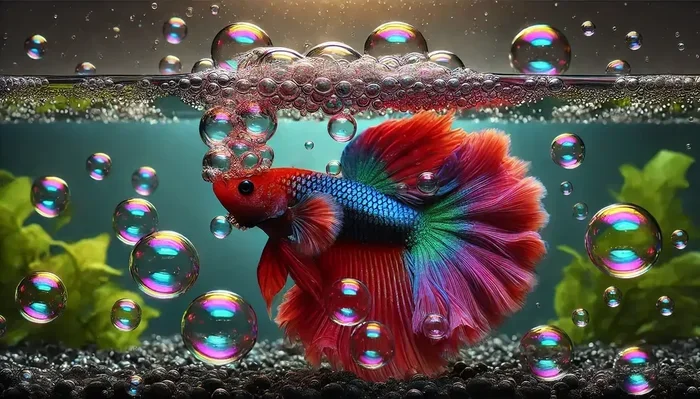
A bubbler is not strictly necessary for a betta fish, but it can improve water quality and oxygen levels in certain setups. Many betta owners keep their fish healthy without one, especially if they use a gentle filter and maintain good tank practices. Understanding your betta’s natural habitat and needs helps you decide if adding a bubbler makes sense for your aquarium.
You have a beautiful betta fish swimming gracefully in its tank. You have researched the right betta fish tank setup, picked the perfect tank size, and chosen a gentle filter. But then you see a bubbler at the pet store and wonder: does my betta actually need this? The short answer is no, but the full story is a bit more interesting than that.
A bubbler, also called an air stone or aquarium bubbler, pushes air through a stone to create tiny bubbles in the water. Many fish tank owners use them to increase water circulation and oxygen levels. But betta fish are unique creatures with specific needs. They come from warm, slow-moving waters in Southeast Asia, where the water surface barely ripples. This natural history plays a big role in whether a bubbler makes sense for your setup.
In this guide, we will walk through everything you need to know about bubblers and betta fish. You will learn when a bubbler helps, when it hurts, and what alternatives you can use instead. By the end, you will feel confident about what is best for your betta fish care routine.
Key Takeaways
- Betta fish do not require a bubbler: They can thrive without one if you maintain proper tank conditions and use a gentle filter.
- A bubbler increases water oxygenation: It helps dissolve more oxygen into the water, which benefits all tank inhabitants.
- Betta fish prefer calm water: Strong currents from bubblers can stress bettas, so gentle models are essential.
- Tank size and filter type matter: Larger tanks with good filters may not need a bubbler at all.
- Live plants can replace a bubbler: Healthy plants produce oxygen naturally, reducing the need for additional aeration.
- Signs of low oxygen include gasping: Watch for your betta coming to the surface frequently, which signals a need for more aeration.
- Alternatives exist: sponge filters and air stones offer gentle aeration without strong currents.
📑 Table of Contents
- What Is a Bubbler and How Does It Work?
- Does a Betta Fish Need a Bubbler?
- How to Tell If Your Betta Needs More Oxygen
- Alternatives to a Bubbler for Betta Fish
- Setting Up the Right Tank Environment for Your Betta
- Common Mistakes People Make With Bubblers and Betta Fish
- Expert Insights on Bubbler Use for Betta Fish
- Final Thoughts
What Is a Bubbler and How Does It Work?
The Basic Mechanics of an Aquarium Bubbler
A bubbler is a simple device. It connects to an air pump through a small tube. The pump pushes air down into a porous stone at the bottom of the tank. The stone breaks the air into tiny bubbles that float up to the surface. As the bubbles rise, they create gentle water movement and help exchange gases at the water surface.
This process is called aquarium aeration. It increases the amount of dissolved oxygen in the water. More oxygen means a healthier environment for your fish. It also helps remove carbon dioxide and other waste gases that build up in a closed tank system.
Bubblers come in different shapes and sizes. Some are simple air stones. Others are adjustable air bars that let you control the flow. The key thing to remember is that not all bubblers are created equal. Some create strong currents that can trouble a betta fish, while others produce a gentle, steady stream of fine bubbles that cause no issues.
Does a Betta Fish Need a Bubbler?
The Short Answer
No, a betta fish does not need a bubbler to survive. In fact, most bettas live perfectly healthy lives without one. If you have a properly filtered tank with the right water temperature and regular maintenance, your betta will be just fine. The filter in your tank already does much of the work that a bubbler would do.
Betta fish have a special organ called the labyrinth. This organ allows them to breathe atmospheric air directly from the water surface. This is why bettas are often seen gulping air at the top of the tank. It is completely normal behavior. The labyrinth organ means bettas can survive in water with lower oxygen levels than many other fish species require.
When a Bubbler Can Help
There are situations where a bubbler can be beneficial. Let us look at when adding one might actually be a good idea for your aquarium.
- High water temperatures: Warmer water holds less dissolved oxygen. If your tank is on the warmer side of the ideal range, a bubbler can help boost oxygen levels.
- Overstocked tanks: If you keep multiple fish or other tank mates with your betta, the oxygen demand goes up. A bubbler helps meet that demand.
- No filter setup: If you are using a bowl or vase without a filter, a bubbler can improve water quality by increasing gas exchange.
- Medication treatments: Some medications reduce oxygen levels in the water. A bubbler helps maintain healthy oxygen during treatment.
- Power outages: A battery-powered air pump with a bubbler can serve as a backup during emergencies when your filter stops working.
When a Bubbler Can Hurt
Bubblers are not always a good idea. In many cases, they can cause more harm than good. Here is when you should skip the bubbler.
- Strong water currents: Bettas are not strong swimmers. A powerful bubbler creates currents that can exhaust your fish and cause stress. A stressed betta is more prone to illness and poor health.
- Noise and disturbance: Some bubblers make a constant gurgling sound. This can disrupt the peaceful environment your betta needs to thrive.
- Excessive surface agitation: Too much water movement at the surface can lower the water temperature and disrupt the natural environment. Bettas prefer calm, still water.
- Unnecessary equipment: If you already have a good filter and the right tank size, a bubbler adds extra maintenance without real benefit.
How to Tell If Your Betta Needs More Oxygen
Signs of Low Oxygen in the Tank
Even though bettas do not need a bubbler, they still need enough oxygen to stay healthy. Here are the signs that your tank might have low oxygen levels:
- Gasping at the surface: Your betta frequently swims to the top and takes quick breaths. This is the most obvious sign of low dissolved oxygen.
- Sluggish behavior: A healthy betta is active and curious. If your fish seems lethargic or stays in one spot, low oxygen could be the cause.
- Rapid gill movement: Watch your betta’s gills. If they are moving faster than normal, the fish is trying to pull more oxygen from the water.
- Loss of appetite: A betta that stops eating may be experiencing stress from poor water conditions, including low oxygen.
How to Test Oxygen Levels
You can use a dissolved oxygen test kit to check the oxygen levels in your tank. Most pet stores carry these kits. A healthy tank should have at least 5 to 7 parts per million (ppm) of dissolved oxygen. If your levels fall below this range, you may need to take action to improve aeration.
Another simple method is the float test. Drop a small food flake on the water surface. If it dissolves quickly, gas exchange is happening well. If it sits on the surface for a long time without breaking apart, your tank may need better aeration.
Alternatives to a Bubbler for Betta Fish
Sponge Filters
A sponge filter is one of the best alternatives to a bubbler for betta tanks. It provides gentle filtration and some aeration without creating strong currents. The sponge pulls water through its pores, trapping debris and waste. Air bubbles inside the sponge create a slow, steady flow that oxygenates the water without stressing your betta.
Sponge filters are especially popular for betta tanks because they are quiet and gentle. They also serve as a safe home for beneficial bacteria that help break down waste. If you are setting up a betta fish habitat and want low-maintenance equipment, a sponge filter is an excellent choice.
Live Plants
Live plants are a natural way to oxygenate your betta tank. During daylight hours, plants absorb carbon dioxide and release oxygen through photosynthesis. A well-planted tank can maintain healthy oxygen levels without any mechanical equipment.
Some great plant options for betta tanks include:
- Java moss: Easy to grow and soft, providing a natural feel to the tank.
- Amazon sword: Large leaves that produce plenty of oxygen and create hiding spots.
- Anubias: Low-maintenance and hardy, perfect for beginners.
- Java fern: Thrives in low light and gentle water conditions.
Just make sure your plants are healthy and well-maintained. Dying or decaying plants can actually reduce oxygen levels and release harmful substances into the water.
Surface Agitation From the Filter
A good filter does more than just clean the water. The water output from most filters creates gentle surface agitation, which helps with gas exchange. This means your filter alone can provide enough aeration for your betta in most cases. Choose a filter with an adjustable flow rate so you can reduce the current to a level your betta is comfortable with.
Setting Up the Right Tank Environment for Your Betta
Tank Size and Equipment
The right tank size makes a big difference in your betta’s overall health. A tank that is at least 5 gallons gives your fish room to swim and helps maintain stable water conditions. Larger tanks are even better because they dilute waste and keep parameters more consistent. You can learn more about the ideal tank size for a betta fish in our guide on what kind of tank a betta fish needs.
When choosing equipment, focus on these essentials:
- A gentle filter: Choose a sponge filter or a hang-on-back filter with the flow turned down low.
- A heater: Bettas need warm water between 76 and 82 degrees Fahrenheit. A reliable heater keeps the temperature stable.
- A thermometer: Monitor the water temperature daily to catch any fluctuations early.
- A lid: Bettas are jumpers. A secure lid prevents escapes and keeps the tank environment stable.
If you are new to betta keeping, check out our beginner’s guide on what you need for a betta fish to get started with the right equipment.
Water Quality and Maintenance
Clean water is the most important factor in your betta’s health. Regular water changes remove toxins like ammonia and nitrite that build up over time. Aim to change 25 to 30 percent of the water every week. Use a water conditioner to remove chlorine and chloramine from tap water before adding it to the tank.
Test your water parameters regularly. The ideal range for betta tanks is:
- Ammonia: 0 ppm
- Nitrite: 0 ppm
- Nitrate: Below 20 ppm
- pH: 6.5 to 7.5
Good water quality supports oxygen levels naturally. Dirty water holds less oxygen and contains more harmful substances. By keeping your tank clean, you reduce the need for extra aeration equipment.
Common Mistakes People Make With Bubblers and Betta Fish
Buying the Wrong Type of Bubbler
Not all bubblers are safe for bettas. Some models create powerful streams of large bubbles that generate strong currents. This can exhaust your fish and make it hard for them to swim comfortably. Always choose a bubbler designed for gentle aeration, or better yet, opt for a sponge filter that provides similar benefits without the harsh current.
Overlooking the Filter
Many beginners think a bubbler can replace a filter. This is a mistake. A bubbler adds oxygen but does not remove waste or toxins. A filter is essential for keeping the water clean and safe. If you are unsure whether your setup needs a filter, our article on whether a betta fish needs a filter can help clarify things.
Ignoring Water Temperature
Bubblers can sometimes lower the water temperature, especially in smaller tanks. Since bettas need warm water, a sudden temperature drop can cause stress and illness. Always monitor the temperature after adding any new equipment to your tank.
Forgetting That Bettas Are Labyrinth Fish
The labyrinth organ gives bettas a unique advantage. They can breathe air directly from the surface. This means they do not rely solely on dissolved oxygen in the water. Many people forget this and overcomplicate their tank setup. Keep things simple and focus on the basics: clean water, proper temperature, and gentle filtration.
Expert Insights on Bubbler Use for Betta Fish
Experienced aquarists and fish veterinarians generally agree that bubblers are optional for betta tanks. Most professionals recommend focusing on a quality filter and consistent maintenance routine before adding any extra equipment. If you do decide to use a bubbler, place it in a corner or behind a decoration to diffuse the flow and reduce current strength.
Some experts suggest using a bubbler only during specific situations, such as medication treatments or heat waves when water temperatures rise and oxygen levels drop. For everyday use, a well-maintained filter and healthy live plants usually provide all the aeration your betta needs.
If you are curious about other equipment your betta might or might not need, explore our guides on whether betta fish need a heater, whether they need a light, and what all you need for a betta fish tank to build the perfect environment.
Final Thoughts
So, does a betta fish need a bubbler? The answer is clear: not really. A bubbler is a nice-to-have accessory, not a necessity. Your betta can live a long, healthy life without one, as long as you provide clean water, proper temperature, and gentle filtration. The labyrinth organ gives bettas a natural ability to handle lower oxygen levels, which sets them apart from many other tropical fish.
If you do choose to add a bubbler, go with a gentle model and monitor your fish for signs of stress. And remember, there are plenty of alternatives, like sponge filters and live plants, that can keep your tank well-oxygenated without the extra equipment. Focus on the fundamentals of betta fish care, and your fish will thrive.
Every tank is different, and what works for one setup may not work for another. Pay attention to your betta’s behavior and adjust accordingly. A happy, active betta that swims freely and eats well is the best sign that your tank environment is right. Keep learning, keep observing, and enjoy the rewarding experience of caring for these beautiful fish.
Frequently Asked Questions
Can a betta fish survive without a bubbler?
Yes, absolutely. Betta fish can thrive without a bubbler as long as you maintain clean water, proper temperature, and a gentle filter. Their labyrinth organ allows them to breathe air from the surface, which reduces their dependence on dissolved oxygen in the water.
What is the difference between a bubbler and a filter?
A bubbler adds oxygen to the water through air stones and creates gentle water movement. A filter removes waste, toxins, and debris from the water. A filter is essential for a betta tank, while a bubbler is optional. Some filters, like sponge filters, provide both filtration and mild aeration.
Will a bubbler stress my betta fish?
It can, if the bubbler is too powerful. Strong currents from aggressive bubblers can exhaust bettas and make swimming difficult. Always choose a gentle bubbler or place it behind decorations to reduce the flow. Watch your fish for signs of stress like clamped fins or difficulty swimming.
Do betta fish like air bubbles in their tank?
Most bettas do not mind gentle, fine bubbles from a quiet air stone. However, they do not enjoy strong currents or loud equipment. If you use a bubbler, make sure it produces a soft, steady stream of tiny bubbles rather than large, forceful ones.
How can I oxygenate my betta tank without a bubbler?
The best alternatives are a good filter with adjustable flow, live plants, and regular water changes. A sponge filter provides gentle aeration without strong currents. Plants naturally produce oxygen during the day, and water changes introduce fresh oxygen-rich water into the tank.
When should I turn off the bubbler in my betta tank?
You can turn off a bubbler at night if it creates noise that disturbs your sleep. However, if your tank has a stable filter and healthy plants, turning off the bubbler will not harm your betta. In fact, bettas often rest better in calm, still water at night.