Why Did My Betta Fish Suddenly Die

Losing a betta fish suddenly is heartbreaking, but understanding the real causes can help you protect your other fish. This guide covers the most common reasons behind sudden betta fish death, from water quality issues to disease and stress. You will learn how to spot warning signs early and take action before it is too late.
Few things hit harder than coming home and finding your betta fish dead with no warning. You fed it that morning. You checked the tank. Everything seemed fine. So why did it happen so fast? The truth is, betta fish can die suddenly for a number of reasons, and many of them are invisible until it is too late. Understanding these causes is the first step toward becoming a better fish keeper and preventing future losses.
When a betta fish dies suddenly, it is easy to panic and blame yourself. But the reality is that even experienced aquarists face this heartbreak. The good news? Most causes of sudden death are preventable once you know what to look for. In this guide, we will walk you through every major reason your betta might have died overnight or without any obvious signs. We will also share practical tips to keep your remaining fish safe and healthy.
Whether you are a complete beginner or have kept bettas for years, this article will give you answers and peace of mind. We will cover water quality, disease, diet, tank setup, and much more. By the end, you will know exactly what went wrong and how to stop it from happening again.
Key Takeaways
- Poor water quality is the number one cause of sudden betta fish death.
- Temperature shock and sudden changes in tank conditions can kill a betta fast.
- Overfeeding and improper diet lead to serious health problems in bettas.
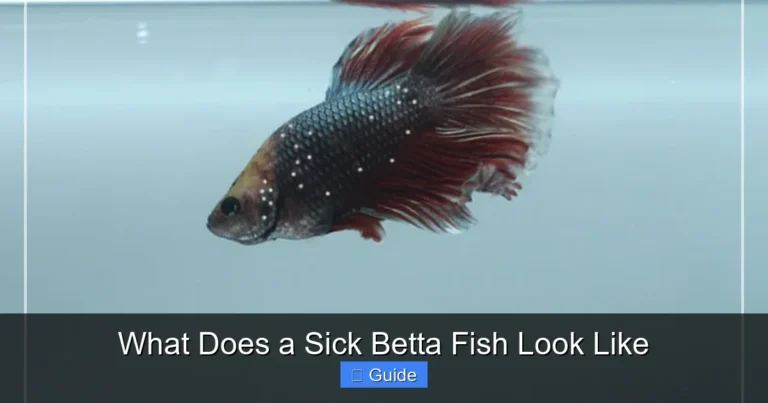
- Diseases like fin rot and swim bladder disease often show no early warning signs.
- New tank syndrome and ammonia spikes are silent killers in aquariums.
- Regular water testing and maintenance can prevent most sudden fish deaths.
- Knowing the signs of a dying betta gives you a chance to intervene quickly.
📑 Table of Contents
Common Reasons Why Bettas Die Suddenly
The term sudden betta fish death covers a wide range of possible causes. Some happen within hours. Others build up over days without any visible symptoms. Here are the most common culprits behind why your betta might have passed away so quickly.
Poor Water Quality
This is the number one killer of betta fish. Betta fish are sensitive creatures, and even small changes in water chemistry can be deadly. Ammonia, nitrite, and nitrate levels can spike without warning, especially in new tanks or tanks that are not maintained properly.
When ammonia builds up in the water, it burns the gills and damages internal organs. Your betta might seem fine one moment and be dead the next. This is why water testing is so important. You cannot always see or smell the problem, but your fish is feeling it every second.
Here are signs your water quality might be off:
- Cloudy water or a strong odor
- Fish gasping at the surface
- Fish staying near the top of the tank
- Loss of color or lethargy
If you ever notice these signs, test your water immediately. A simple liquid test kit can save your fish’s life. Cloudy water in a betta tank is often a sign of bacterial blooms or chemical imbalances that need urgent attention.
Temperature Shock
Betta fish are tropical creatures. They need warm, stable water temperatures between 78 and 80 degrees Fahrenheit. Even a few degrees drop can cause temperature shock, which can be fatal within hours.
Common causes of temperature shock include:
- Placing the tank near a drafty window or air vent
- Using a heater that is not working properly
- Adding cold water during a water change
- Power outages or heater malfunctions
The scary part about temperature shock is that it happens fast. Your betta might be swimming normally and then go limp within minutes. This is why investing in a reliable aquarium heater with a thermostat is non-negotiable for betta owners.
If you ever experience a power outage, wrap a towel around the tank to hold in heat. Small steps like this can make a huge difference during emergencies.
New Tank Syndrome
If you just set up a new tank and your betta died within days, you might be dealing with new tank syndrome. This happens when beneficial bacteria have not yet established themselves in the filter and substrate. Without these bacteria, toxic ammonia and nitrite levels rise rapidly.
Many beginners make the mistake of adding a betta to a brand-new tank without cycling it first. Cycling a tank means letting beneficial bacteria grow to process fish waste. It typically takes 4 to 6 weeks. Skipping this step almost always leads to sudden fish death.
Here is how to avoid new tank syndrome:
- Cycle your tank before adding any fish.
- Use a bacteria starter product to speed up the process.
- Test water daily during the first few weeks.
- Do small water changes of 25% every other day.
- Never add your betta to an uncycled tank, no matter how clean it looks.
Patience is key. A properly cycled tank gives your betta the best chance at a long, healthy life.
Diseases That Cause Sudden Betta Death
Some diseases progress so quickly that by the time you notice symptoms, it is already too late. Other times, the disease shows no symptoms at all until the fish is gone. Understanding these hidden threats can help you act faster in the future.
Internal Infections and Parasites
Bettas are susceptible to a range of internal infections caused by bacteria, parasites, or fungi. Many of these infections are invisible to the naked eye until the fish is in critical condition. Common culprits include ich (white spot disease), velvet, and various bacterial infections that attack the organs.
What makes these so dangerous is that they can be present in the tank without any visible signs. Stress, poor water quality, or a weakened immune system can cause them to flare up suddenly and become deadly overnight.
To reduce the risk of disease:
- Quarantine new fish before adding them to your main tank
- Avoid overcrowding your aquarium
- Keep the tank clean with regular maintenance
- Feed a balanced diet to boost immunity
- Watch for subtle behavior changes like hiding or loss of appetite
If you notice your betta stopping eating, acting lethargic, or developing white spots, act immediately. Early treatment with appropriate medication can save your fish’s life.
Swim Bladder Disease
Swim bladder disease is a common condition that affects a betta’s ability to control its buoyancy. While it does not always cause sudden death, severe cases can be fatal if left untreated. Symptoms include floating upside down, sinking to the bottom, or swimming in circles.
The most common cause of swim bladder issues is overfeeding. Betta fish have small stomachs, and eating too much can compress the swim bladder. Other causes include constipation, bacterial infection, or physical injury.
If your betta shows signs of swim bladder problems, try fasting it for 24 to 48 hours. Then feed a single pea (deshelled) to help with digestion. If the condition does not improve, consult a fish veterinarian or experienced aquarist.
Diet and Feeding Mistakes
What you feed your betta matters more than you might think. Overfeeding is one of the most common mistakes new betta owners make, and it can lead to fatal consequences.
Betta fish have tiny stomachs, about the size of their eye. Feeding them more than they can eat in two minutes leads to several serious problems:
- Constipation and bloating
- Swim bladder issues
- Fatty liver disease
- Poor water quality from uneaten food decaying
Uneaten food rots in the tank and releases ammonia, which directly harms your fish. This creates a dangerous cycle where bad water quality leads to illness, and illness leads to more waste in the water.
A healthy feeding routine for bettas includes:
- Feeding 2 to 3 pellets or a small amount of food twice a day
- Offering variety with frozen or live foods like brine shrimp
- Fasting one day per week to aid digestion
- Removing any uneaten food within 5 minutes
Some fish food brands are filled with fillers and fillers that offer little nutritional value. Always choose high-quality betta-specific pellets as the staple of your fish’s diet.
Stress and Environmental Factors
Stress is a silent killer. It weakens your betta’s immune system and makes it vulnerable to diseases that would otherwise be easy to fight off. Many things in a betta’s environment can cause chronic stress without you even realizing it.
Tank Size and Setup
One of the biggest myths about betta fish is that they can live in tiny bowls. The truth is, bettas need at least a 5-gallon tank to thrive. Smaller tanks lead to rapid swings in water parameters, which stress the fish and shorten their lifespan.
A proper betta tank setup includes:
- A 5-gallon tank or larger
- A gentle filter (bettas hate strong currents)
- A stable heater set to 78-80 degrees Fahrenheit
- Live or silk plants for hiding spots
- No sharp decorations that can tear fins
Betta fish also need mental stimulation. A bare tank with nothing to explore can cause boredom and stress. Adding plants, caves, and gentle decorations creates a more natural and comfortable environment.
Tank Mates and Aggression
While bettas are often sold as “lonely fish,” they can sometimes become stressed by incompatible tank mates. Aggressive fish, fin-nippers, or even other bettas can cause constant stress that wears your fish down over time.
If your betta is constantly chasing its tail or flaring at its reflection, it might be stressed. Some bettas also become lethargic and stop eating when they feel threatened by nearby fish.
Why Did My Betta Die Overnight?
One of the most common searches is why did my betta fish die overnight. This specific scenario often points to acute causes like ammonia spikes, temperature crashes, or sudden disease outbreaks.
When a betta dies overnight, it usually means the cause was rapid and severe. Here is what likely happened:
- A water parameter spike occurred while you slept
- The heater malfunctioned and the temperature dropped sharply
- An undetected illness reached a critical stage
- Something in the tank became toxic (cleaning products, decorations)
To find out what happened, test your water as soon as possible. Check the heater and filter. Look for any changes in the tank environment. While you may not always find a definitive answer, testing helps you rule out the most common causes.
If you have lost a betta to sudden death, it is a good idea to review your maintenance routine. Did you forget to test the water? Was there a recent change in temperature or decor? Sometimes the answer is right in front of us once we look back.
How to Prevent Sudden Betta Death
The best way to deal with sudden betta fish death is to prevent it from happening in the first place. Here is a practical checklist to keep your betta safe and healthy for years to come.
Daily Checklist
- Watch your betta for any unusual behavior
- Check that the heater and filter are working
- Remove any uneaten food
Weekly Checklist
- Test water parameters (ammonia, nitrite, nitrate, pH)
- Perform a 25% water change with conditioned water
- Clean the substrate with a gravel vacuum
- Wipe down the inside of the tank glass
Monthly Checklist
- Rinse or replace filter media in tank water (not tap water)
- Check all equipment for wear or malfunction
- Trim any dying plants
- Review and adjust feeding amounts
Consistency is everything in fish keeping. A few minutes of daily attention can add years to your betta’s life. Most bettas live 3 to 5 years with proper care, and some even reach 7 years or more.
When to Seek Help
If your betta shows signs of distress, do not wait. Time is critical. Signs that your fish needs immediate help include:
- Gasping at the surface
- Lying on the bottom and not moving
- Fins clamped tightly against the body
- Visible spots, lesions, or redness
- Swimming erratically or upside down
Move the fish to a quarantine tank if possible. Test the main tank water immediately. Research the specific symptoms and treat accordingly. Many online communities and fish forums can offer quick advice when you need it most.
Remember that every situation is different. What worked for someone else might not work for your specific case. Trust your instincts and always prioritize the safest, gentlest approach first.
Final Thoughts
Losing a betta fish suddenly is never easy. It is confusing, painful, and often leaves you searching for answers. The truth is that sudden betta death usually comes down to a few root causes: water quality, temperature, disease, diet, or stress. Once you understand these factors, you can take control and give your next betta the best possible life.
You now know the most common reasons why a betta fish dies suddenly. You know how to test your water, maintain your tank, and spot the early warning signs. This knowledge puts you ahead of most beginners and gives you the tools to be a confident, responsible fish keeper.
Take what you have learned from this guide and apply it every day. Your fish will thank you with vibrant colors, active swimming, and a long, healthy life. And you will have the peace of mind that comes from knowing you did everything you could to keep them safe.
If you ever find yourself asking why did my betta fish die again, come back to this guide. Review the possible causes, test your water, and trust the process. You are not alone in this journey, and every loss teaches you something valuable for the future.
Want to learn more about common betta fish problems? Check out our detailed guide on why betta fish die all of a sudden for more in-depth answers and solutions.
Frequently Asked Questions
Can a betta fish die from bad water?
Yes, absolutely. Poor water quality is the leading cause of sudden betta death. Ammonia and nitrite spikes can damage gills and organs within hours, often killing the fish before any visible symptoms appear.
How can I tell if my betta is dying?
Signs of a dying betta include gasping at the surface, lying motionless at the bottom, clamped fins, loss of color, and refusal to eat. If you notice these signs, test your water immediately and consider moving the fish to a quarantine tank for treatment.
Why did my betta die after a water change?
This usually happens when the new water was too cold, contained chlorine or chloramine, or had different pH levels than the tank water. Always use conditioned water at the same temperature as the tank during water changes.
Can overfeeding kill a betta fish?
Yes, overfeeding can be fatal. It causes constipation, swim bladder issues, and poor water quality from uneaten food rotting in the tank. Feed small amounts twice a day and fast your betta one day per week.
Do betta fish play dead before they die?
Sometimes bettas will rest motionlessly on the substrate or float upside down, which can look like playing dead. However, this is usually a sign of serious illness or distress. Check water parameters and observe for other symptoms right away.
How long do betta fish usually live?
With proper care, bettas typically live 3 to 5 years. Some well-cared-for bettas can live up to 7 years or more. Genetics, diet, water quality, and tank setup all play a role in determining lifespan.