Does My Betta Fish Need a Filter
So, does my betta fish need a filter? The short answer is yes — most bettas benefit greatly from a filter. A good filtration system keeps the water clean, removes harmful waste, and supports beneficial bacteria that keep your fish healthy. In this guide, we break down why filters matter, which types work best, and how to choose the right one for your betta fish tank without creating too much water flow.
You love your betta fish. You want the best for them. But here is a question that confuses many fish owners: does my betta fish need a filter? Some people say bettas can live without one. Others insist a filter is a must. So who is right? The truth lies somewhere in the middle, and this guide will help you understand exactly why.
Betta fish are often kept in small bowls or tanks. They are hardy creatures. They can survive in less-than-perfect conditions. But surviving is not the same as thriving. A proper filtration system makes a huge difference in your betta’s health, color, and lifespan. Let us dive into everything you need to know about betta fish care and filtration.
Key Takeaways
- Filters are essential: They remove toxic waste and keep water quality high for your betta.
- Sponge filters are ideal: They provide gentle flow and effective mechanical and biological filtration.
- Not all filters are equal: Hang-on-back filters can be too strong for small betta tanks.
- Regular maintenance matters: Clean your filter monthly to keep it working properly.
- Bettas can survive without a filter: But they will be healthier and happier with one.
- Tank size affects filter choice: A larger tank needs a more powerful filtration system.
📑 Table of Contents
Why Does My Betta Fish Need a Filter?
If you have ever wondered, does my betta fish need a filter, the answer comes down to water quality. Fish live in water. They produce waste. That waste builds up fast. Without a filter, toxic chemicals like ammonia and nitrite can reach dangerous levels quickly.
Here is what a filter does for your betta:
- Removes fish waste like ammonia and nitrates
- Supports beneficial bacteria that break down toxins
- Keeps oxygen levels steady in the water
- Reduces the need for frequent water changes
- Helps maintain a stable habitat for your betta
Think of a filter as a tiny cleaning crew for your tank. It works around the clock. Without it, you would need to change the water every single day. And even then, your betta would be at risk. So yes, a filter for betta fish is one of the best investments you can make.
What Happens Without a Filter?
When there is no aquarium filter, waste piles up fast. Ammonia levels spike. Your betta may start showing signs of stress. Their colors may fade. They may stop eating. In severe cases, ammonia poisoning can be fatal.
Many people keep bettas in unfiltered bowls. And some bettas do survive this way. But their life expectancy drops significantly. A healthy betta can live 3 to 5 years. In a dirty bowl, they may only live 1 to 2 years. That is a big difference. If you care about your fish, a filter makes all the difference.
Types of Filters for Betta Fish Tanks
Not all filters are the same. Choosing the right filtration system matters a lot. Some filters create too much water flow. Bettas are not strong swimmers. They prefer calm water. Let us look at the main types.
Sponge Filters
Sponge filters are the top choice for betta tanks. They are gentle. They provide both mechanical filtration and biological filtration. Air pumps push water through the sponge. This traps debris and grows helpful bacteria.
Here is why sponge filters work so well for bettas:
- Very gentle water flow — perfect for bettas
- Affordable and easy to clean
- Safe for small fish — no risk of injury
- Great for biological filtration — hosts beneficial bacteria
- Quiet operation — no loud motor noise
If you are setting up a betta fish tank, a sponge filter should be at the top of your list. They are simple, effective, and budget-friendly.
Hang-On-Back Filters
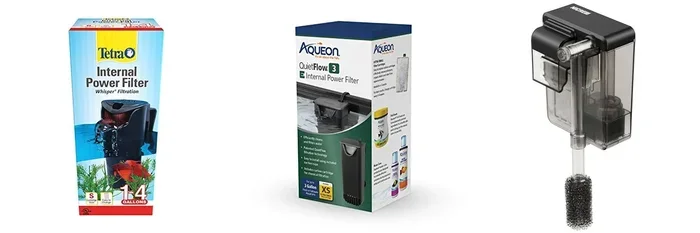
Hang-on-back filters, or HOB filters, are popular for many aquariums. They hang on the back of the tank. Water flows through filter media and returns to the tank. They offer good mechanical filtration and some chemical filtration.
But there is a catch. HOB filters can create strong water flow. Bettas do not like strong currents. If you use an HOB filter, you may need to baffle the output. This reduces the flow rate. A simple sponge baffle or foam cover can help a lot.
Internal Filters
Internal filters sit inside the tank. They are small and discreet. They work well for tiny tanks. However, they may not offer the same level of biological filtration as sponge filters. They are a decent option for very small setups.
Undergravel Filters
Undergravel filters sit beneath the gravel at the bottom of the tank. Water flows through the gravel, which acts as a filter medium. These are less common today. They can be hard to maintain. For most betta owners, sponge filters are a better choice.
How to Choose the Right Filter for Your Betta
Choosing a filter for your betta is not just about picking any filter off the shelf. You need to think about your tank size, your betta’s personality, and your maintenance routine. Let us break it down.
Consider Your Tank Size
The size of your betta fish habitat matters a lot. A filter should turn over the tank water at least 4 times per hour. So if you have a 5-gallon tank, look for a filter rated for at least 20 gallons per hour. Here is a quick reference:
- 1-3 gallon tank: Small sponge filter or internal filter
- 5 gallon tank: Small sponge filter or low-flow HOB filter
- 10 gallon tank: Medium sponge filter or adjustable HOB filter
Remember, how big does a betta fish tank need to be is an important question too. Bigger tanks are easier to maintain. They dilute waste better. But even in a small tank, a filter is essential.
Look for Adjustable Flow
Bettas hate strong currents. If the water moves too fast, your betta will struggle. They may hide or stop eating. Look for filters with adjustable flow rates. Sponge filters are naturally gentle. If you use an HOB filter, adjust the output or add a baffle.
Think About Maintenance
A filter is only good if you maintain it. Dirty filter media can make water quality worse. You should rinse your filter sponge in old tank water once a month. Never use tap water. Chlorine in tap water kills beneficial bacteria. Keep a simple maintenance schedule and your aquarium maintenance routine will be much easier.
Check the Noise Level
Some filters are loud. The buzzing and bubbling can disturb both you and your fish. Sponge filters are nearly silent. HOB filters can be noisy if air stones get clogged. Read reviews before buying. A quiet filter makes for a peaceful home.
Common Mistakes People Make With Betta Filters
Even with the best intentions, many betta owners make mistakes with their filters. Here are some common ones to avoid.
Using a Filter That Is Too Strong
This is the number one mistake. A powerful filter in a small tank creates a whirlpool. Your betta will be pushed around constantly. They cannot rest. They cannot eat comfortably. Always choose a filter with gentle flow for a betta.
Skipping Filter Maintenance
Some people set up a filter and forget about it. But filters need regular cleaning. Old filter media collects gunk. It can release toxins back into the water. Rinse your sponge or cartridge monthly. Replace it when it falls apart.
Not Letting the Filter Run Before Adding the Fish
You should set up and run the filter for at least 24 hours before adding your betta. This allows beneficial bacteria to start colonizing the filter media. It also helps stabilize the water temperature and parameters.
Using the Wrong Filter Media
Not all filter media is the same. Some focus on chemical filtration. Others focus on biological or mechanical. For a betta tank, prioritize biological and mechanical media. Chemical media like carbon is optional and should be replaced regularly.
How Often Should You Clean Your Betta Filter?
Filter maintenance is simple but important. You do not need to replace the entire filter every week. Here is a basic routine:
- Rinse the sponge in removed tank water every 2-4 weeks
- Check the air pump for clogs or wear
- Replace filter media every 4-6 weeks if needed
- Monitor water flow and adjust if it becomes too strong
The goal is to keep the filter working well without destroying the helpful bacteria colony. That is why you always rinse in old tank water, not tap water.
Can you keep your betta without a filter? Technically, yes. But it requires a lot of effort. You would need to perform water changes almost daily. Even then, the water quality may not be as stable as it would be with a filter. If you want your betta to truly thrive, a filter is the way to go.
Many owners also ask, can my betta fish live without a filter. The honest answer is they can, but they should not have to. A filter makes life easier for you and healthier for your fish. It is a win-win situation.
Final Thoughts on Betta Fish Filtration
So, does my betta fish need a filter? Yes, they do. A filter keeps the water clean, supports healthy bacteria, and improves your betta’s quality of life. The key is choosing the right type of filter and maintaining it properly. Sponge filters are the best option for most betta setups. They are gentle, effective, and affordable.
Your betta deserves a clean and comfortable home. A good filter is one of the simplest ways to make that happen. Take the time to choose wisely. Your fish will thank you with vibrant colors, active behavior, and a longer, happier life.
Remember, proper betta fish care goes beyond just the filter. It includes the right tank size, proper water temperature, and regular maintenance. Every piece of the puzzle matters. Start with a filter, and you are already ahead of the game.
Frequently Asked Questions
Can a betta fish live in a bowl without a filter?
Yes, a betta can survive in a bowl without a filter, but it is not ideal. Without filtration, waste builds up fast and water quality drops. You would need to perform water changes almost daily to keep your betta healthy and safe.
What kind of filter is best for a betta fish?
A sponge filter is the best choice for most betta tanks. It provides gentle flow, effective mechanical and biological filtration, and it is safe for small fish. It is also affordable and very easy to maintain.
How often should I clean my betta fish filter?
Rinse your filter sponge in old tank water every 2 to 4 weeks. Replace filter media every 4 to 6 weeks. Never use tap water when cleaning filter parts, as chlorine can kill the beneficial bacteria your tank needs.
Will a filter stress out my betta fish?
A filter can stress a betta if the water flow is too strong. Bettas prefer calm water. Choose a filter with adjustable flow or use a sponge filter. If using a hang-on-back filter, add a baffle to reduce the current.
Do betta fish bowls need a filter?
Yes, betta fish bowls benefit greatly from a filter. Even small bowls accumulate waste quickly. A filter helps maintain clean water and reduces the frequency of water changes. It keeps your betta healthier and more comfortable in its environment.
How does a filter improve betta fish health?
A filter removes harmful toxins like ammonia and nitrite from the water. It supports beneficial bacteria that break down waste. It also helps maintain stable oxygen levels. All of these factors contribute to a healthier, happier betta with better color and energy.