How Many Mini Pellets for Betta Fish
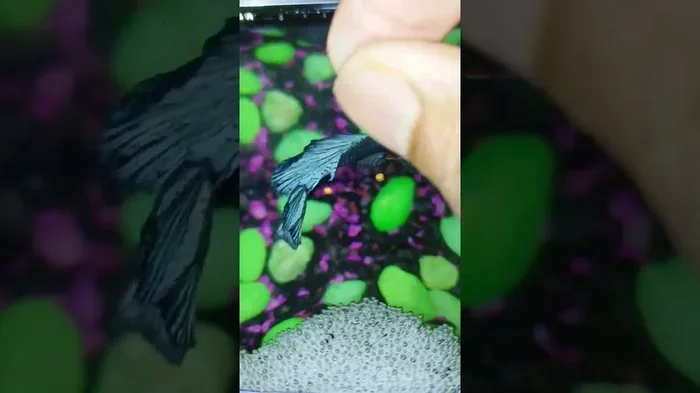
Knowing how many mini pellets for betta fish is the key to a healthy, happy fish. Most bettas thrive on 2 to 4 mini pellets per feeding, given once or twice a day. This guide covers the exact portion sizes, feeding frequency, and common mistakes so you can feed your betta with confidence.
If you own a betta fish, you have probably stood in front of the pet store shelf staring at a bag of mini pellets. The question is simple but important: how many mini pellets for betta fish should you actually feed? The answer might surprise you. Too many pellets can harm your fish, and too few can leave it hungry and weak. This guide breaks it all down in plain language so you can feed your betta with total confidence.
Feeding your betta the right amount of mini pellets is one of the most important parts of betta fish care. It affects everything from water quality to energy levels. In this article, you will learn the exact portion sizes, the best feeding schedule, and the mistakes most beginners make. Let us dive in and make feeding time easy and stress-free for both you and your fish.
Key Takeaways
- Feed 2 to 4 mini pellets per meal: This is the ideal portion for most adult betta fish.
- Feed once or twice a day: A consistent schedule supports digestion and overall health.
- Watch for overfeeding signs: Bloating, cloudy water, and uneaten pellets are red flags.
- Mini pellets are a staple food: They provide balanced nutrition when paired with variety.
- Soak pellets before feeding: This helps them sink at the right speed and prevents bloating.
- Adjust based on your fish’s age and appetite: Young bettas need more frequent meals than adults.
📑 Table of Contents
- How Many Mini Pellets for Betta Fish Per Feeding
- The Right Feeding Schedule for Mini Pellets
- Are Mini Pellets Good for Betta Fish?
- Signs You’re Feeding Too Many or Too Few Pellets
- Best Practices for Feeding Mini Pellets
- Mini Pellets vs Other Betta Foods
- Common Mistakes to Avoid When Feeding Mini Pellets
- Key Takeaways
- Conclusion
How Many Mini Pellets for Betta Fish Per Feeding
The general rule for how many mini pellets for betta fish is simple: give your fish 2 to 4 pellets per meal. This applies to most adult bettas. The exact number depends on the size of the pellets and the size of your fish. A standard mini pellet is about 1 millimeter in diameter, which makes it easy for bettas to eat without choking.
Why Portion Size Matters
Betta fish have very small stomachs. Their stomach is roughly the size of their eye. This means they cannot handle large amounts of food at once. When you feed too many pellets at once, the food sits in the tank and decays. This ruins your water quality and can make your fish sick. On the other hand, underfeeding leads to a weak immune system and low energy.
Here is a quick reference for portion sizes:
- Standard adult betta: 2 to 4 mini pellets per feeding
- Young betta (under 3 months): 3 to 5 mini pellets, split into smaller portions
- Senior betta (over 2 years): 1 to 3 mini pellets per feeding
- Breeding female betta: Up to 5 pellets, depending on body condition
If you are unsure about the right amount, start with 2 pellets and watch your fish. If it finishes the food quickly and seems hungry, add one more pellet next time. The goal is to give your fish just enough so it eats everything within 2 minutes.
The Right Feeding Schedule for Mini Pellets
Knowing how many mini pellets for betta fish is only half the battle. You also need a consistent feeding schedule. Most experts recommend feeding bettas twice a day. A morning feeding and an evening feeding work best. This mimics the natural eating pattern of wild bettas, who hunt small insects throughout the day.
Morning Feeding Routine
Feed your betta in the morning, ideally within an hour of turning on the tank light. Bettas are more active during daylight hours. They will be alert and ready to eat. Drop the pellets gently near the center of the tank. Watch your fish eat. If food is left after 2 minutes, remove it with a small net or siphon.
Evening Feeding Routine
The evening feeding should be lighter than the morning one. Give your betta 1 to 2 mini pellets in the evening. This prevents overfeeding overnight, which can cause digestive problems. Bettas do not have a fast metabolism at night, so they process food more slowly while resting.
How Many Times a Day Should You Feed?
Feeding once or twice a day is the sweet spot for adult bettas. If you are new to betta care, you might want to check out this detailed guide on how many times a day to feed a betta fish. It covers feeding frequency in depth and gives practical tips for beginners.
Some fish owners skip a day of feeding once a week. This can help your betta’s digestive system reset. However, this is optional and not required for a healthy fish. If your betta seems energetic and maintains a good weight, you do not need to skip feedings.
Are Mini Pellets Good for Betta Fish?
Mini pellets are one of the best staple foods for bettas. They are specially formulated to meet the nutritional needs of carnivorous fish. High-quality mini pellets contain protein, fats, vitamins, and minerals that support vibrant colors, strong fins, and a healthy immune system. But not all pellets are created equal.
What to Look for in Mini Pellets
When shopping for pellets, check the ingredient list. The first ingredient should be a real protein source like fish meal or shrimp. Avoid pellets that list fillers like wheat or corn as the main ingredient. Here are some quick tips for choosing the right food:
- Protein content: Look for pellets with at least 35% protein
- Size: Mini pellets should be small enough for your betta to swallow easily
- Sinking vs. floating: Sinking pellets are often better because bettas prefer to eat from the bottom or mid-water
- Brand reputation: Choose brands with good reviews and transparent ingredient lists
Some owners wonder if pellets are bad for bettas. The short answer is no. High-quality pellets are safe and nutritious. If you want to learn more about this topic, check out this helpful article on are pellets bad for betta fish. It covers common concerns and myths about pellet-based diets.
When to Supplement with Other Foods
While mini pellets should be the foundation of your betta’s diet, variety is important. You can supplement with frozen or live foods like bloodworms, brine shrimp, or daphnia. These treats add extra protein and keep your betta interested in mealtime. Just remember that treats should only make up about 10 to 20 percent of the total diet.
If you are curious about how pellets compare to other options, read this guide on are pellets or flakes better for betta fish. It breaks down the pros and cons of each food type.
Signs You’re Feeding Too Many or Too Few Pellets
Getting the portion size right is critical. Overfeeding and underfeeding both come with clear warning signs. Learning to read these signs will help you adjust your feeding routine quickly.
Signs of Overfeeding
Overfeeding is one of the most common mistakes betta owners make. It can lead to serious health problems and poor water quality. Watch out for these red flags:
- Uneaten pellets sitting on the tank floor: If food remains after 2 minutes, you gave too much
- Cloudy or foul-smelling water: Decaying food releases ammonia, which is toxic to fish
- Bloated or distended belly: A swollen belly can indicate constipation or swim bladder issues
- Lethargy after feeding: A betta that sleeps immediately after eating may be too full
- Loss of appetite: Overfed fish sometimes refuse food because their stomach is already full
Signs of Underfeeding
Underfeeding can be just as harmful. A malnourished betta will show physical and behavioral changes. Keep an eye out for these signs:
- Weight loss and a thin body shape: Your betta should have a rounded, plump body
- Dull or faded colors: Poor nutrition affects pigment and vibrancy
- Low energy and hiding behavior: A hungry betta may become less active
- Slow growth in young fish: Baby and juvenile bettas need consistent nutrition to develop properly
If you notice any of these signs, adjust your portion size gradually. Do not make sudden changes, as this can stress your fish. Slowly increase or decrease the number of pellets over the course of a week.
Best Practices for Feeding Mini Pellets
Following a few simple best practices will make feeding time safer and more effective. These tips come from experienced betta keepers and aquarium professionals.
Soak Pellets Before Feeding
Dry mini pellets can expand inside your betta’s stomach, causing bloating and discomfort. To prevent this, soak the pellets in a small cup of tank water for 1 to 2 minutes before feeding. This softens them and makes them easier to digest. It also helps them sink more naturally, which bettas prefer.
Feed in a Calm Environment
Bettas eat better when they feel safe. Turn off the tank filter temporarily during feeding if the current is strong. This lets your fish focus on eating without being pushed around. After feeding, turn the filter back on to keep the water clean.
Remove Uneaten Food Promptly
Any food left after 2 minutes should be removed. Uneaten pellets break down quickly and release harmful chemicals into the water. Use a small net or turkey baster to scoop out leftover food. This simple habit keeps your tank clean and your fish healthy.
Track Your Feeding Amounts
It helps to keep a simple log of what and how much you feed your betta. Write down the number of pellets and the time of day. This makes it easy to spot patterns and adjust your routine. If your fish stops eating or starts eating more, you will have a record to reference.
Mini Pellets vs Other Betta Foods
Mini pellets are a great staple, but they are not the only option. Understanding how they compare to other foods will help you build a balanced diet for your betta.
| Food Type | Pros | Cons |
|---|---|---|
| Mini Pellets | Balanced nutrition, easy to portion, long shelf life | Can cause bloating if overfed |
| Flakes | Widely available, affordable | Lose nutrients quickly, can cloud water |
| Frozen Bloodworms | High protein, great as a treat | Not a complete diet, messy |
| Live Brine Shrimp | Natural prey, stimulates hunting behavior | More expensive, risk of parasites |
| Freeze-Dried Foods | Convenient, long shelf life | Must be soaked, can expand in stomach |
The best approach is to use mini pellets as the main food and rotate in other options as treats. This keeps your betta healthy, happy, and excited about mealtime. For more on proper feeding amounts, you can also check out this guide on how many pellets to feed betta fish daily.
Common Mistakes to Avoid When Feeding Mini Pellets
Even experienced fish keepers make feeding mistakes. Here are the most common ones and how to avoid them.
- Feeding too many pellets at once: Stick to 2 to 4 pellets per meal. Your betta’s stomach is tiny.
- Skipping soaking: Always soak dry pellets before offering them to your fish.
- Ignoring uneaten food: Leftover food decays fast and poisons the water.
- Feeding the same food every day: Variety prevents nutritional gaps and keeps your betta engaged.
- Following generic feeding guides: Every betta is different. Adjust portions based on your fish’s size, age, and appetite.
If you want a deeper dive into proper feeding amounts, this guide on how much food for a betta fish covers the topic in detail and gives practical advice for every life stage.
Key Takeaways
- Feed 2 to 4 mini pellets per meal: This is the sweet spot for most adult bettas.
- Feed twice a day: Morning and evening feedings create a healthy routine.
- Soak pellets before feeding: This prevents bloating and helps with digestion.
- Remove uneaten food within 2 minutes: This protects your water quality.
- Watch for overfeeding and underfeeding signs: Adjust portions based on your fish’s body condition.
- Use mini pellets as a staple, not the only food: Rotate in treats for a balanced diet.
Conclusion
Feeding your betta the right number of mini pellets does not have to be complicated. Stick with 2 to 4 pellets per meal, feed twice a day, and always remove uneaten food. These simple habits will keep your betta healthy, colorful, and active for years to come. Remember, every fish is unique, so watch your betta closely and adjust portions as needed. With the right feeding routine, your betta will thrive and bring joy to your home every single day.
Start applying these tips today. Your betta fish will thank you with vibrant colors, a healthy appetite, and plenty of energy. Happy feeding!
Frequently Asked Questions
How many mini pellets should I feed my betta fish each time?
Feed 2 to 4 mini pellets per meal for an adult betta fish. Young bettas may need up to 5 pellets split into smaller portions. Always adjust based on your fish’s size and appetite.
Can I feed my betta mini pellets every day?
Yes, mini pellets can be fed daily as the main staple food. Just make sure you are giving the right portion size and pairing pellets with occasional treats like bloodworms or brine shrimp for variety.
What happens if I overfeed my betta mini pellets?
Overfeeding causes bloating, constipation, and poor water quality. Uneaten pellets decay and release ammonia, which is harmful to your fish. Always remove any food left after 2 minutes.
Should I soak mini pellets before feeding my betta?
Yes, soaking pellets for 1 to 2 minutes in tank water helps them soften and sink naturally. This prevents stomach expansion and makes digestion easier for your betta.
How often should I feed mini pellets to a baby betta fish?
Baby bettas should be fed 2 to 3 times a day with small portions of 1 to 3 mini pellets each time. Their stomachs are very small, so frequent small meals work best.
Are mini pellets better than flakes for betta fish?
Mini pellets are generally better because they hold their nutrients longer and are easier to portion. Flakes can dissolve quickly and cloud the water. However, both can work if used correctly.