How Many Hours of Sleep Do Betta Fish Need
Betta fish typically need 8 to 12 hours of sleep per day, and they require a consistent light-dark cycle to maintain healthy rest patterns. Understanding your betta’s sleep habits helps you create the ideal tank environment for a happy, healthy fish.
Have you ever wondered if your betta fish is sleeping? Maybe you’ve noticed your colorful friend floating motionless near the top of the tank or resting quietly on a plant leaf. Betta fish sleep is a fascinating topic that every fish owner should understand.
Just like us, betta fish need regular rest to stay healthy and thrive. But how many hours of sleep do betta fish need? The answer might surprise you. In this guide, we’ll cover everything about betta fish sleep patterns, how to tell if your fish is sleeping, and what you can do to improve their rest.
Getting your betta’s sleep right is one of the simplest ways to boost their health and lifespan. Let’s dive in and explore the world of betta fish rest.
Key Takeaways
- Betta fish need 8 to 12 hours of sleep daily: Just like humans, bettas require a solid block of rest to stay healthy and active.
- A consistent light cycle matters: Keeping the tank lights on for 10-12 hours and off for 12-14 hours mimics natural conditions and supports healthy sleep.
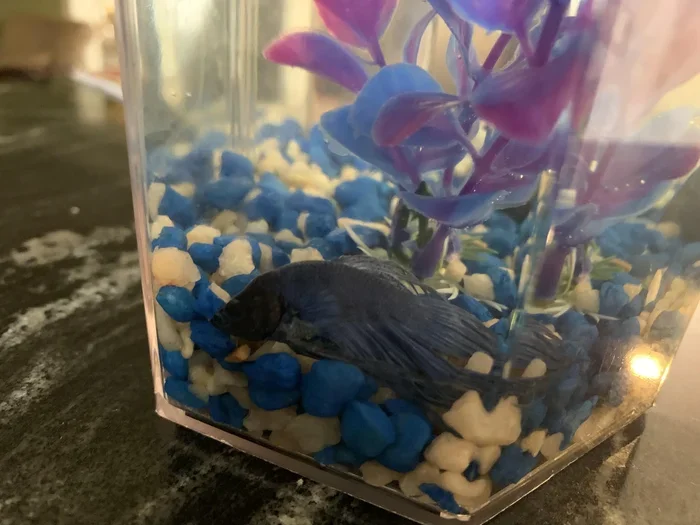
- Betta fish can sleep in unusual positions: You might find your betta floating at the top, lying on the bottom, or even resting on a leaf.
- Darkness is essential for quality rest: Betta fish need dark environments to sleep properly, and excess light can cause stress and sleep deprivation.
- Baby betta fish sleep more than adults: Young bettas may sleep up to 16 hours a day as they grow and develop.
- Signs of sleep deprivation include lethargy and faded colors: Watch for these warning signs and adjust the tank environment accordingly.
📑 Table of Contents
- How Many Hours of Sleep Do Betta Fish Need
- How to Tell If Your Betta Fish Is Sleeping
- Factors That Affect Betta Fish Sleep
- Do Betta Fish Need Darkness to Sleep?
- How Much Sleep Is Too Much? When to Worry
- Tips to Improve Your Betta Fish’s Sleep Quality
- Common Mistakes That Disrupt Betta Fish Sleep
- Expert Insights on Betta Fish Sleep
- Conclusion
How Many Hours of Sleep Do Betta Fish Need
Betta fish need between 8 and 12 hours of sleep each day. Some bettas may even sleep a bit more, especially if they are young or recovering from illness. The key is consistency. Bettas thrive when they have a predictable day-night cycle that mirrors their natural habitat in Southeast Asian rice paddies and slow-moving streams.
Unlike humans who sleep in one long stretch, betta fish often take short naps throughout the day. They might rest for 30 minutes to a couple of hours at a time. These little power naps add up to their total daily sleep requirement.
The Importance of a Consistent Sleep Schedule
Betta fish are creatures of habit. When their light cycle stays the same every day, their body knows when to rest and when to be active. A betta fish sleep schedule helps regulate their internal clock, just like it does for us.
If you randomly turn the tank lights on and off, your betta can become stressed. Stress leads to a weakened immune system, poor appetite, and even behavioral problems. Keep the lights on a simple timer so your fish can count on a steady routine every single day.
Do Betta Fish Sleep at Night?
Yes, betta fish sleep at night just like most animals. When the lights go off, your betta will start looking for a quiet spot to rest. Some bettas prefer to sleep near the surface, while others settle at the bottom of the tank.
If you notice your betta becoming less active as the room darkens, that’s a good sign they are following a natural betta fish sleep pattern. They are winding down for the night and getting ready to rest.
You can learn more about how betta fish sleep at night and what normal nighttime behavior looks like for your fish.
How to Tell If Your Betta Fish Is Sleeping
Spotting a sleeping betta fish can be tricky. They don’t close their eyes like we do because they don’t have eyelids. So how do you know when your betta is resting?
Here are the most common signs that your betta is sleeping:
- Staying very still: A sleeping betta will barely move. They may hover in one spot or rest on the tank floor.
- Fading colors: Many bettas look lighter when they sleep. Their vibrant colors may appear dull during rest.
- Slow breathing: Watch for gentle, slow gill movements. This is a clear sign of deep rest.
- Lying on their side: Some bettas sleep on their side or even upside down. This looks alarming but is often perfectly normal.
- Hiding or nesting: Bettas may tuck themselves behind plants, caves, or decorations when they feel safe enough to sleep.
Common Sleeping Positions
Betta fish can sleep in some pretty funny positions. You might see them floating near the surface with their fins drooping. Others prefer to rest on a leaf or a piece of decor at the bottom of the tank. Some even wedge themselves into tight spaces for a cozy nap.
If you want to understand more about these quirky positions, check out why betta fish sleep on the bottom of the tank and whether betta fish lay down when they sleep.
Factors That Affect Betta Fish Sleep
Several things can influence how well and how long your betta sleeps. Understanding these factors helps you create the perfect environment for restful sleep.
Tank Lighting
Light is the biggest factor in your betta’s sleep cycle. Too much light means your fish won’t get enough rest. Too little light can make them sluggish and depressed. Aim for 10 to 12 hours of light per day and 12 to 14 hours of darkness.
Use a simple timer plug to automate the light schedule. This removes guesswork and keeps your betta’s routine consistent. Natural room light from a window can also affect your fish, so consider placing the tank away from direct sunlight.
Water Temperature
Betta fish are tropical creatures that need warm water. If the temperature drops too low, your betta becomes sluggish and may sleep more than usual. The ideal range is between 76 and 82 degrees Fahrenheit.
A heater is essential for maintaining stable temperatures. Cold water stresses your fish and disrupts their natural betta fish sleep cycle. Invest in a good aquarium heater and monitor the temperature regularly.
Noise and Tank Movement
Bettas are sensitive to vibrations and noise. Placing the tank near a loud TV, speaker, or high-traffic area can disturb their sleep. Constant vibrations from appliances can also cause stress.
Choose a quiet spot in your home for the tank. Avoid areas where people frequently walk by or where loud noises are common. A peaceful environment leads to better rest for your fish.
Tank Mates and Stress
If your betta shares a tank with other fish, they might feel the need to stay alert at all times. This constant vigilance prevents deep, restful sleep. Bettas are solitary fish by nature, so keeping them alone is often the best choice for their well-being.
If you must keep tank mates, choose peaceful species that won’t bother your betta. A stressed betta sleeps less and becomes more vulnerable to illness.
Do Betta Fish Need Darkness to Sleep?
Yes, betta fish need darkness to sleep properly. In their natural habitat, bettas experience full darkness at night. This darkness signals their body to produce melatonin and other hormones that promote rest.
If your tank stays lit all the time, your betta will struggle to get quality sleep. Over time, sleep deprivation leads to serious health problems. A weakened immune system, loss of appetite, and behavioral changes are all common side effects.
Turn off all tank lights and room lights at night. Even small LED lights from chargers or standby devices can disrupt your betta’s rest. Make the tank as dark as possible during the nighttime hours.
You can read more about why betta fish need darkness to sleep and how to set up the ideal nighttime environment.
How Much Sleep Is Too Much? When to Worry
While betta fish need plenty of rest, sleeping too much can also be a red flag. If your betta is sleeping for most of the day and showing no interest in food, something might be wrong.
Common reasons for excessive sleep include:
- Cold water temperature: Low temperatures slow down your fish’s metabolism and make them drowsy.
- Illness or disease: Fish that are sick often become lethargic and sleep more than usual.
- Poor water quality: Ammonia or nitrite spikes can make your betta feel unwell and tired.
- Old age: Older bettas naturally sleep more as they slow down with age.
Monitor your fish closely if you notice extreme changes in their sleep habits. Test your water parameters regularly and watch for other symptoms like clamped fins, loss of color, or refusal to eat.
Do Baby Betta Fish Sleep More?
Yes, baby betta fish sleep a lot more than adult bettas. Young fish need extra rest to grow and develop properly. It’s not uncommon for fry and juvenile bettas to sleep up to 16 hours a day. As they mature, their sleep patterns gradually normalize.
If you’re caring for baby bettas, don’t worry if they seem to sleep all the time. They need that rest to build strong bodies and healthy immune systems.
Tips to Improve Your Betta Fish’s Sleep Quality
Want to help your betta get the best sleep possible? Here are some practical tips that make a real difference:
- Use a light timer: Set your tank lights to turn on and off at the same time every day. Consistency is key for healthy betta fish sleep patterns.
- Keep the tank clean: Regular water changes and proper filtration reduce stress and promote restful sleep.
- Add plants and hiding spots: Live or silk plants give your betta places to rest and feel secure. They create a natural sleeping environment.
- Maintain stable temperatures: Keep the water between 76 and 82 degrees Fahrenheit with a reliable heater.
- Avoid sudden changes: Don’t rearrange the tank decorations frequently. Bettas feel safer in a stable, familiar environment.
- Dim room lights at night: Even ambient light from a nearby lamp can affect your fish. Make the room as dark as possible during sleep hours.
These small changes can dramatically improve your betta’s quality of life. A well-rested betta is a happy, active, and colorful fish.
Quick Tips for Better Betta Sleep
- Set a consistent light schedule and stick to it
- Turn off all lights at night, including room lights
- Keep water temperature stable with a heater
- Add soft plants for cozy resting spots
- Avoid tapping on the tank or making loud noises
- Test water quality weekly to prevent stress
Common Mistakes That Disrupt Betta Fish Sleep
Many fish owners unknowingly ruin their betta’s sleep. Here are the most common mistakes to avoid:
- Leaving the lights on 24/7: This is the fastest way to exhaust your betta. They need darkness to rest properly.
- No light schedule at all: Random lighting confuses your fish and disrupts their internal clock.
- Placing the tank in a noisy area: Vibrations and constant noise keep your betta on edge and prevent deep sleep.
- Overcrowding the tank: Too many tank mates create stress and make it hard for your betta to relax.
- Ignoring water quality: Dirty water causes stress and illness, both of which wreck sleep patterns.
Avoiding these simple mistakes goes a long way toward ensuring your betta gets the rest they need every single day.
Expert Insights on Betta Fish Sleep
Veterinarians and experienced fish keepers agree that sleep is just as important for betta fish as it is for any other pet. Dr. Jessie Sanders, a certified aquatic veterinarian, emphasizes that maintaining a proper day-night cycle is one of the most overlooked aspects of betta care.
Many owners focus on feeding and tank size but forget about rest. Yet sleep directly impacts your betta’s immune system, mood, and overall longevity. A well-rested betta fish is more colorful, more active, and far less prone to disease.
If you’re ever concerned about your betta’s sleep habits, don’t hesitate to consult an aquatic veterinarian. They can help identify underlying issues and recommend specific solutions for your setup.
Conclusion
Betta fish need 8 to 12 hours of sleep each day to stay healthy and happy. By providing a consistent light-dark cycle, a clean tank, and a peaceful environment, you can ensure your betta gets the quality rest they deserve. Pay attention to their sleep patterns, watch for signs of sleep deprivation, and make adjustments as needed.
Understanding your betta’s sleep needs is one of the most important parts of fish ownership. A well-rested betta is a vibrant, energetic, and beautiful companion that brings joy to your home every day. Start implementing these tips today, and you’ll notice a real difference in your fish’s behavior and health.
Remember, how many hours of sleep do betta fish need is not just a question about numbers. It’s about creating a balanced, natural environment where your fish can thrive. Give your betta the rest they need, and they’ll reward you with years of color and companionship.
Frequently Asked Questions
How many hours a day does a betta fish sleep?
Betta fish typically sleep between 8 and 12 hours per day. They often take multiple short naps throughout the day rather than sleeping in one long stretch. The exact amount can vary based on age, health, and tank conditions.
Can betta fish sleep with the lights on?
Betta fish can sleep with lights on, but the quality of their rest suffers significantly. They need darkness to produce sleep hormones and achieve deep rest. Always turn off tank lights at night for the best sleep quality.
Why is my betta fish sleeping so much?
If your betta is sleeping more than usual, it could be due to cold water temperature, illness, poor water quality, or old age. Check your tank parameters and temperature first, and look for other signs of illness like loss of appetite or faded colors.
Do betta fish close their eyes when they sleep?
No, betta fish do not have eyelids, so they cannot close their eyes. Instead, they become very still and may fade in color as they rest. Their breathing slows down, which is the clearest sign they are sleeping.
Is it normal for betta fish to sleep at the top of the tank?
Yes, many bettas prefer to sleep near the surface of the water. They may float motionless or rest on the water’s surface film. This is normal behavior and usually nothing to worry about.
How can I tell if my betta is sleeping or dead?
A sleeping betta will still have slow gill movements and may shift position slightly. A dead betta will have no movement at all, may hang limply in the water, and often shows signs like sunken eyes or a dull, lifeless appearance. If in doubt, check for gill movement and responsiveness.