How Many Gallons Doea a Betta Fish Need
So, how many gallons does a betta fish need? The minimum recommended size is 5 gallons, but many experts suggest going bigger for better health. A proper tank size gives your betta room to swim, reduces stress, and makes maintenance easier. Keep reading to learn the exact gallon requirements, why size matters, and how to set up the perfect home.
If you own a betta fish or are thinking about getting one, you have probably wondered about the right tank size. The question how many gallons does a betta fish need comes up a lot in fish keeping communities. And the answer might surprise you. Many people still believe bettas can live happily in tiny bowls. That idea is outdated and harmful to your fish.
A proper tank size is one of the most important parts of betta fish care. The water volume affects everything from temperature stability to waste management. In this guide, we will walk through exactly how many gallons your betta needs, why it matters, and how to set up the perfect betta fish habitat. Let us dive in.
Key Takeaways
- Minimum tank size: A betta fish needs at least 5 gallons of water to thrive.
- Bigger is better: Tanks of 10 gallons or more offer more stability and room for enrichment.
- Small bowls are risky: Bowls under 1 gallon cause stress, poor water quality, and shorter lifespan.
- Tank setup matters: Heater, filter, and hiding spots are essential regardless of tank size.
- Water quality is key: Larger tanks are easier to maintain and keep parameters stable.
- Overcrowding is harmful: Keep only one betta per tank unless using a divider.
📑 Table of Contents
Why Tank Size Matters for Betta Fish
Tank size is not just about giving your fish room to swim. It directly impacts water quality, temperature, and your betta’s overall health. A small volume of water changes chemistry fast. Ammonia spikes happen quickly in tiny containers. This can make your fish very sick.
In a larger tank, water parameters stay more stable. You get more time to catch problems before they become dangerous. Think of it this way: a small puddle heats up and cools down fast. A big lake stays steady. The same principle applies to your betta fish tank.
How Water Volume Affects Water Quality
Fish waste, leftover food, and decaying plant matter all produce ammonia. In a small tank, ammonia builds up fast. In a bigger tank, the waste dilutes over a larger volume. This gives you a bigger buffer zone. You can read more about how much space does a betta fish really need to understand the science behind this.
Here is a simple comparison:
- 1 gallon: Ammonia spikes happen within hours. Very hard to maintain.
- 3 gallons: Slightly more stable but still risky for beginners.
- 5 gallons: The minimum safe size. Much easier to manage.
- 10 gallons: Ideal for most betta keepers. Stable and forgiving.
If you are curious about how many gallons for a betta fish, this table gives you a clear picture. The goal is to give your fish a safe and comfortable environment.
How Many Gallons Does a Betta Fish Need?
The short answer is 5 gallons minimum. But let us break this down further. Different situations call for different sizes. Your choice depends on your experience level, budget, and what you want to achieve.
The 5-Gallon Standard
Most experts agree that 5 gallons is the minimum for a single betta fish. This size gives your fish enough room to swim and explore. It also makes it easier to cycle the tank properly. A cycled tank has beneficial bacteria that break down harmful waste. You need at least 5 gallons for these bacteria to establish well.
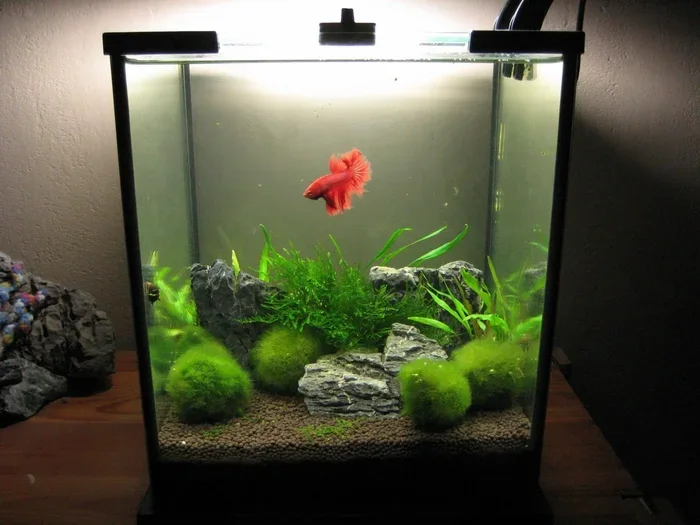
In a 5-gallon tank, you can add a small heater, a gentle filter, and some live plants. This setup mimics the betta fish habitat they would find in the wild. Your fish will feel safer and show off its colors more.
When Bigger Is Better
If you have the space and budget, go for 10 gallons or more. A 10-gallon tank gives you much more flexibility. You can add tank mates carefully or create a planted aquascape. Larger tanks also make water changes less frequent and less stressful for your fish.
Some experienced keepers use tanks of 20 gallons or more for a single betta. The fish loves the extra room to explore. Just remember that bigger tanks need more equipment and planning. You can find detailed guidance on how big of a tank do betta fish need if you are considering a larger setup.
Common Tank Sizes and What Works Best
Not all tanks are created equal. Let us look at the most common sizes and whether they work for bettas.
Tiny Bowls and Vases (Under 1 Gallon)
You have probably seen bettas sold in small cups or decorative bowls at pet stores. These are not suitable long-term homes. A bowl under 1 gallon cannot hold stable water parameters. The temperature swings wildly. Waste builds up fast. Your fish may survive for a while, but it will not thrive.
Avoid these setups. They lead to stress, disease, and a shorter betta fish lifespan. Your fish deserves better.
2.5 to 3 Gallon Tanks
A 2.5-gallon tank is a slight upgrade from a bowl. But it still poses challenges. The water chemistry is fragile. You need to test the water frequently and do partial changes often. This size works only for very experienced keepers who stay on top of maintenance.
5 Gallon Tanks (Recommended Minimum)
This is the sweet spot for most betta owners. A 5-gallon tank is easy to set up. It fits on most desks and shelves. You can keep the water stable with a basic heater and sponge filter. Maintenance is manageable once a week.
10 Gallon Tanks and Beyond
A 10-gallon tank opens up more possibilities. You can create a beautiful planted environment. You can add peaceful tank mates like snails or shrimp. The water stays cleaner longer. This is the ideal setup if you want a stunning betta fish tank that is also easy to maintain.
What Else You Need in a Betta Tank
Tank size is just the starting point. You need the right equipment to keep your betta healthy. Here is what every betta fish setup should include.
Heater
Betta fish are tropical. They need warm water between 76 and 82 degrees Fahrenheit. A small aquarium heater keeps the temperature steady. Without a heater, your fish can become stressed and prone to illness. Cold water slows their metabolism and weakens their immune system.
If you are using a bowl or very small tank, you might wonder do betta fish bowls need a heater. The answer is yes, whenever possible. Even a small 5-watt heater can make a big difference.
Filter
Betta fish need clean water. A filter removes waste and keeps the water circulating. But bettas are weak swimmers. They do not like strong currents. Choose a gentle sponge filter or a filter with a baffle to reduce flow. A can betta fish need a filter? Absolutely yes. It is essential for long-term health.
Plants and Hiding Spots
Betta fish love places to hide and rest. Live plants like java fern or anubias work great. They also help keep the water clean. You can add caves, driftwood, or smooth rocks for enrichment. A well-decorated tank makes your betta feel safe and reduces stress.
Substrate and Lighting
A thin layer of substrate looks nice and supports live plants. Standard aquarium LED lights work well. Avoid bright lights that stress your fish. A gentle light cycle of 8 to 10 hours a day is perfect.
Common Mistakes to Avoid
Many new betta owners make avoidable mistakes. Here are the most common ones and how to fix them.
Keeping a Betta in a Bowl
This is the number one mistake. Bowls look cute but they are terrible for fish health. Your betta needs at least 5 gallons of filtered, heated water. A bowl might seem easier, but it creates more work in the long run. You will spend hours doing water changes and treating illnesses.
Overcrowding the Tank
Betta fish are territorial. They do not like sharing their space. Keep only one male betta per tank. You can add peaceful community fish in a larger tank, but research carefully first. If you want to keep multiple fish, consider how many fish in a 10 gallon tank with a betta to plan your setup properly.
Skipping the Cycle
New tanks need to be cycled before adding fish. Cycling grows beneficial bacteria that process ammonia and nitrite. Skipping this step leads to ammonia poisoning. This can kill your fish within days. Always cycle your tank first or use a liquid test kit to monitor parameters closely.
Neglecting Water Changes
Even in a well-cycled tank, you need regular water changes. A 5-gallon tank benefits from a 25 to 30 percent water change weekly. This removes built-up nitrates and keeps your fish healthy. Use a gravel vacuum to clean the substrate at the same time.
Expert Tips for a Healthy Betta Tank
Here are some quick tips from experienced betta keepers to help you succeed.
- Test your water regularly. A liquid test kit is more accurate than test strips. Test for ammonia, nitrite, nitrate, and pH weekly.
- Do not overfeed. Feed small amounts once or twice a day. Remove any uneaten food after a few minutes. Overfeeding pollutes the water fast.
- Keep the tank lid on. Betta fish are jumpers. They can leap out of open tanks. A lid also helps maintain humidity and temperature.
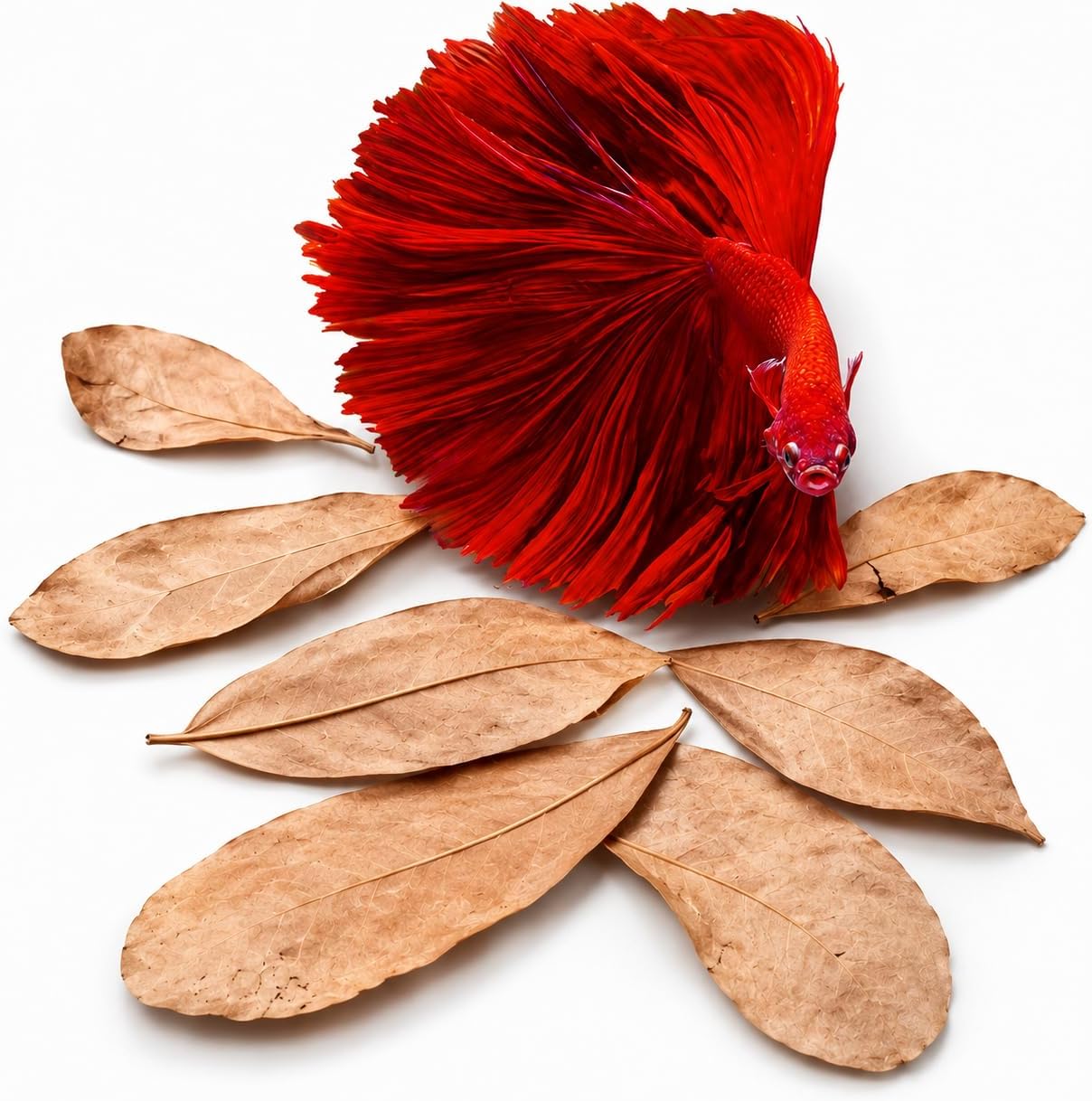
- Add tannins if possible. Indian almond leaves or driftwood release tannins that mimic the betta’s natural environment. Many keepers swear by this for vibrant colors.
- Watch for signs of stress. Clamped fins, faded colors, and hiding constantly all signal stress. Check water parameters and temperature first.
If you want to learn more about setting up a proper environment, check out what kind of tank does a betta fish need for detailed setup guidance.
Final Thoughts
So, how many gallons does a betta fish need? The answer is clear: at least 5 gallons for a single betta. This gives your fish the room, stability, and quality of life it deserves. A bigger tank is always better if you have the space. A proper tank size is the foundation of good betta fish care.
Avoid tiny bowls. Invest in a heater, filter, and live plants. Keep up with water changes and testing. Your betta will reward you with bright colors, active swimming, and a long healthy life. Taking the time to set up the right tank shows your fish you care. And that is what fish keeping is all about.
Remember, every fish deserves a home that lets it thrive. Give your betta the space it needs, and you will enjoy the beauty and personality of this amazing fish for years to come.
Frequently Asked Questions
Can a betta fish live in a 1-gallon tank?
A betta can survive in a 1-gallon tank, but it will not thrive. The water parameters change too quickly and the fish becomes stressed. A 1-gallon tank requires constant maintenance and frequent water changes. For long-term health, always aim for at least 5 gallons.
Is a 3-gallon tank big enough for a betta fish?
A 3-gallon tank is better than a bowl but still too small for ideal conditions. Water quality fluctuates rapidly in this size. It is possible with very diligent maintenance, but a 5-gallon tank is strongly recommended instead.
Do betta fish need a heater in a 5-gallon tank?
Yes, betta fish need a heater regardless of tank size. They are tropical fish and require water between 76 and 82 degrees Fahrenheit. A small 5-watt or 10-watt aquarium heater works perfectly for a 5-gallon tank.
How often should I do water changes in a 5-gallon betta tank?
Do a 25 to 30 percent water change every week. This removes nitrates and keeps the water fresh. Use a gravel vacuum to clean the substrate during each change. Always treat new water with a water conditioner before adding it to the tank.
Can two betta fish live in the same tank?
Two male betta fish should never share a tank. They will fight and can seriously injure or kill each other. Female bettas can sometimes live together in groups called sororities, but this requires at least 10 gallons and careful setup.
What is the best tank shape for a betta fish?
A standard rectangular tank works best for bettas. They need horizontal swimming space more than vertical height. Avoid tall, narrow tanks or bow-front designs. A 5-gallon or 10-gallon rectangular tank gives your betta the room it needs to explore.