How Many Colors Do Betta Fish Come In
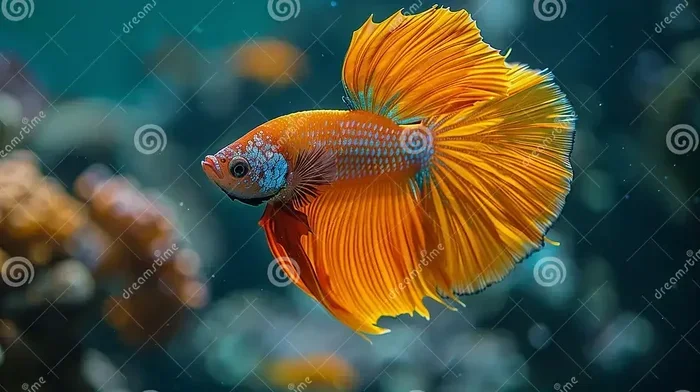
Betta fish come in a wide range of colors, including solid shades, bi-color combinations, and multi-color patterns. There are over 25 recognized color types, from deep blues and vibrant reds to rare whites and greens. Understanding betta fish colors helps you choose the perfect fish and care for them better.
Betta fish are some of the most colorful freshwater fish you can keep at home. Their bright fins and flowing tails make them stand out in any tank. But have you ever wondered exactly how many colors do betta fish come in? The answer might surprise you.
There are over 25 recognized color types for bettas, and that number keeps growing as breeders develop new shades. Each color variety has its own charm and appeal. Whether you are a beginner or a seasoned fish keeper, understanding betta fish colors helps you appreciate these beautiful creatures even more.
So let us dive right in and explore the full spectrum of betta fish colors. You will learn about the main categories, the patterns that make each fish unique, and how to make your betta’s colors pop.
Key Takeaways
- Betta fish come in 25+ color varieties: from solid reds and blues to rare whites and greens.
- Color patterns matter too: bi-color, marble, butterfly, and multi-color patterns add even more diversity.
- Genetics play a big role: selective breeding has created the wide range of betta fish colors we see today.
- Colors can change over time: diet, water quality, and age can affect how vibrant your betta looks.
- You can enhance colors naturally: proper food, lighting, and tank conditions bring out the best in your fish.
- Some colors are rarer than others: the “Mustard Gas” and “Koi” patterns are highly sought after by hobbyists.
📑 Table of Contents
Understanding Betta Fish Colors
Betta fish colors are classified based on the type of pigment in their scales and skin. Just like humans have different skin tones, bettas have different color pigments that create their stunning appearance. The two main pigments are erythrin (red), xanthin (yellow), and melanin (black). These pigments combine in different ways to produce the amazing variety we see today.
Selective breeding has played a huge role in expanding the range of betta fish colors. Breeders carefully choose fish with desirable traits and pair them together. Over many generations, this process has created colors that barely existed in wild bettas. Wild bettas are usually dull green or brown, which helps them hide in their natural habitat. But captive-bred bettas are a completely different story.
The Role of Genetics in Betta Colors
Genetics determine everything about your betta’s color. The DNA passed down from parent fish controls which pigments are produced and where they appear. Some color traits are dominant, meaning they show up easily. Others are recessive and need both parents to carry the gene.
This is why breeding bettas for specific colors requires patience and knowledge. A single pair of fish can produce fry with a mix of colors you never expected. It is one of the reasons betta breeding is so fascinating and fun.
How Color Intensity Varies
Not all bettas of the same color look identical. Color intensity can vary based on several factors. These include the fish’s age, diet, stress level, and tank conditions. A well-cared-for betta will always show brighter, more vivid colors than a stressed one.
Water temperature also plays a role. Cooler water can make colors fade, while stable warm water helps maintain vibrancy. This is why keeping your betta in the right conditions matters so much for their appearance.
The Main Color Categories
Betta fish colors are grouped into several main categories. Each category has its own sub-types and variations. Let us look at the most common and popular ones.
Solid Color Bettas
Solid color bettas have one uniform color across their body and fins. These are some of the most popular choices for fish keepers. The most common solid colors include:
- Red: The classic betta color. Bright red is the most widely bred and recognized shade.
- Blue: Royal blue and steel blue are two popular variations. Some blues have a deep, rich hue.
- Green: Green bettas are less common and highly prized. The color can range from light mint to deep emerald.
- White: Pure white bettas are elegant and striking. They look beautiful in planted tanks.
- Yellow: Yellow bettas are cheerful and bright. If you are curious about this shade, check out our guide on do betta fish come in yellow for more details.
- Black: True black bettas are rare and very sought after by collectors.
Bi-Color Bettas
Bi-color bettas have two distinct colors. The body is one color and the fins are another. There are many combinations possible, and each one looks unique. Common bi-color pairings include red and white, blue and yellow, and black and red.
These fish are especially popular because the contrast between two colors creates a bold, eye-catching look. The way the colors meet on the body can vary from fish to fish, making each bi-color betta one of a kind.
Multi-Color Bettas
Multi-color bettas display three or more colors. These fish are often the most visually stunning. The colors can be arranged in any pattern, and there are no strict rules. Multi-color bettas are a favorite among hobbyists who love variety and surprise.
The “Mustard Gas” betta is a famous multi-color variety. It features a blue or green body with yellow or orange fins. Another popular multi-color type is the “Koi” pattern, which mimics the colors of koi fish with red, white, and orange patches.
Color Patterns in Betta Fish
Beyond the main color categories, bettas also have distinct patterns. These patterns are just as important as the colors themselves. A single color can look very different depending on the pattern it displays.
Marble Pattern
The marble pattern is one of the most interesting patterns in bettas. It features irregular, swirling patches of different colors. Marble bettas can change their pattern over time, which makes them even more fascinating to watch.
This pattern is caused by a special gene called the “transposon” gene. It moves around in the fish’s DNA, causing color changes throughout the fish’s life. No two marble bettas look exactly the same, and their colors can shift as they age.
Butterfly Pattern
Butterfly bettas have a gradient effect. The body color fades into a lighter or different color at the edges of the fins. This creates a beautiful butterfly-like appearance. The contrast between the two shades is usually sharp and clean.
Butterfly patterns come in many color combinations. Red and white butterflies are very popular. So are blue and white ones. These fish look amazing in tanks with a dark substrate, which makes their colors stand out even more.
Cambodian Pattern
The Cambodian pattern features a pale or white body with red or pink fins. This was one of the first pattern types developed in betta breeding. While not as flashy as some newer patterns, Cambodian bettas have a classic, understated beauty.
Dragon Scale Pattern
Dragon scale bettas have thick, metallic scales that give them a reptile-like appearance. The scales create a textured, almost 3D look. Common dragon colors include red, blue, and white. These fish are highly prized and can be more expensive than other varieties.
Do Betta Fish Change Colors?
Yes, betta fish can and do change colors. This is completely normal and happens for several reasons. Understanding why your betta’s color changes can help you keep them healthy and happy.
One of the most common reasons for color change is aging. As bettas get older, their colors may fade or shift. This is a natural process and nothing to worry about. Just like humans get gray hair, bettas can lose some of their vibrancy over time.
Another reason is stress. Stressed bettas often become pale or dull. If you notice your fish losing color quickly, check the water parameters. High ammonia or nitrite levels can cause stress and color loss. Keeping a fish-in-cycle with betta process stable helps prevent this issue.
Some bettas also change color based on their mood or environment. A betta that feels safe and comfortable will show brighter colors. One that feels threatened may darken or fade. This is their way of communicating.
If you want to learn more about why bettas change colors, read our article on do betta fish change colors for a deeper dive into this fascinating topic.
How to Enhance Your Betta’s Colors
Want your betta to show off its most vibrant colors? There are several things you can do to help bring out the best in your fish. These tips are simple but effective.
Feed a Color-Enhancing Diet
Diet plays a huge role in betta coloration. Foods rich in carotenoids and spirulina help intensify red, orange, and yellow pigments. Many commercial betta foods are specifically formulated to enhance colors. Look for brands that list these ingredients high on the label.
You can also offer frozen or live foods like brine shrimp and bloodworms. These are natural color boosters and most bettas love them. Just remember to feed in moderation. Overfeeding can lead to health problems that dull your fish’s colors.
Optimize Tank Lighting
Proper lighting makes a big difference in how your betta’s colors appear. LED lights with adjustable spectrum settings work great. A light that leans slightly warm can enhance reds and oranges. A cooler light can bring out blues and greens.
Avoid keeping your tank in complete darkness. Bettas need a regular day-night cycle to stay healthy and colorful. About 8 to 10 hours of light per day is ideal.
Maintain Excellent Water Quality
Clean water is essential for vibrant colors. Ammonia and nitrate buildup can cause color fading and health issues. Regular water changes and proper filtration keep the tank environment healthy.
If you are unsure about your water parameters, test them regularly. A stable tank with the right temperature and pH helps your betta thrive and show its true colors. For more on tank setup, check out how many fish in a 10 gallon tank with a betta for guidance on proper stocking.
Reduce Stress
A relaxed betta is a colorful betta. Avoid housing them with aggressive tank mates. Provide plenty of hiding spots and plants. Keep the tank in a quiet area where there is not too much sudden movement or noise.
Stress reduction goes a long way toward maintaining bright, beautiful colors. Your fish will thank you with a stunning display every time you look into the tank.
Comparison of Common Betta Fish Colors
| Color Type | Rarity | Price Range | Best For |
|---|---|---|---|
| Solid Red | Common | $5 – $15 | Beginners |
| Solid Blue | Common | $5 – $20 | Beginners |
| Solid White | Moderate | $10 – $25 | Planted Tanks |
| Multi-Color (Koi) | Rare | $20 – $60 | Experienced Keepers |
| Dragon Scale | Rare | $25 – $70 | Collectors |
| Mustard Gas | Very Rare | $30 – $80 | Advanced Hobbyists |
| True Black | Very Rare | $25 – $100 | Collectors |
As you can see from the table above, rarer colors tend to cost more. This is because they are harder to breed and less common in the market. If you are just starting out, a solid red or blue betta is a great and affordable choice.
Final Thoughts
Betta fish come in an incredible variety of colors and patterns. From simple solid shades to complex multi-color designs, there is a betta for every taste and preference. The wide range of betta fish colors is a testament to the dedication of breeders around the world.
Understanding these colors and patterns does more than just help you pick a pretty fish. It also helps you provide better care. When you know what causes color changes and how to enhance them, you can keep your betta looking its best for years to come.
Whether you are drawn to the classic red betta or the rare dragon scale, there is always something new to learn about these amazing fish. The world of betta colors is vast, beautiful, and endlessly interesting.
So the next time someone asks you how many colors do betta fish come in, you will have a complete answer. With over 25 recognized colors and countless patterns, bettas are truly one of the most colorful fish in the hobby.
Frequently Asked Questions
How many colors do betta fish come in?
Betta fish come in over 25 recognized color types, including solid, bi-color, and multi-color varieties. The exact number continues to grow as breeders develop new shades and combinations through selective breeding.
What is the most common betta fish color?
Solid red is the most common and widely recognized betta fish color. It has been bred for generations and is the go-to choice for most beginners and experienced hobbyists alike.
Can betta fish lose their color?
Yes, bettas can lose color due to stress, poor water quality, aging, or illness. Maintaining a clean tank, feeding a healthy diet, and reducing stress helps keep their colors vibrant and bright.
Are rare betta fish colors worth the extra cost?
It depends on your personal preference and experience level. Rare colors like dragon scale and mustard gas are stunning but come at a higher price. For beginners, common colors are a great and affordable starting point.
Do betta fish change color as they age?
Yes, bettas can change color as they get older. Their colors may fade or shift slightly over time. This is a natural part of the aging process and is not usually a cause for concern.
What is the best food to enhance betta fish colors?
Foods rich in carotenoids, spirulina, and astaxanthin help enhance betta fish colors. Frozen brine shrimp and bloodworms are also excellent natural color boosters that most bettas enjoy.
=== CONCLUSION ===
Betta fish are a rainbow of beauty, and the variety of colors they come in is truly remarkable. With over 25 recognized colors and numerous patterns, these fish never cease to amaze. Whether you prefer the classic solid red or the exotic dragon scale, there is a betta color that will capture your heart.
Remember that proper care plays a big role in keeping your betta’s colors bright. Good food, clean water, and a stress-free environment are the keys to a colorful, happy fish. So take what you have learned here and give your betta the best life possible. Your colorful companion will reward you with years of beauty and joy.