How Many Babies Will Betta Fish Have
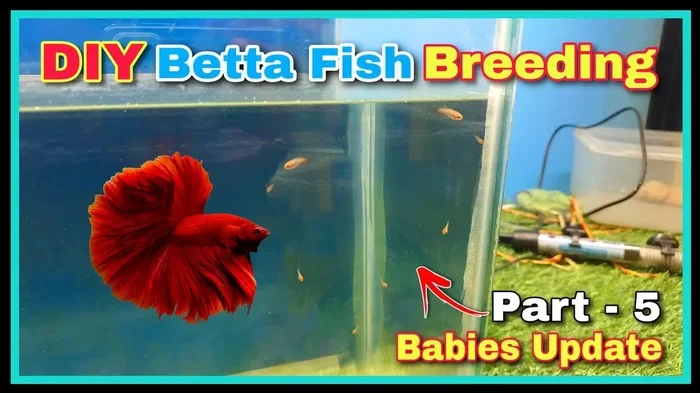
Curious about how many babies will betta fish have? A healthy female can produce between 30 and 100 fry per spawn, but factors like age, diet, and tank conditions play a big role. This guide covers everything from egg laying to raising betta fry successfully.
Betta fish are famous for their brilliant colors and flowing fins. Many hobbyists wonder how many babies will betta fish have when they decide to breed them. The answer isn’t a single number. A single spawn can produce anywhere from a handful to over a hundred fry. The exact count depends on the female’s age, health, and the conditions of the tank. If you’ve ever asked, “how many babies do betta fish have?” you’re not alone. This guide walks you through the entire process, from egg laying to the first weeks of life.
Breeding betta fish can be a rewarding experience, but it requires preparation. You’ll need to understand the reproductive cycle, the signs of a ready female, and what to do after the eggs are laid. The journey from egg to free-swimming fry is delicate. Knowing what to expect helps you provide the best care. I’ll share practical tips, common mistakes, and expert insights to boost your success rate.
Key Takeaways
- Average litter size: Betta fish typically produce 30–100 babies per spawn.
- Egg count matters: A female can lay up to 500 eggs, but not all will hatch or survive.
- Many factors influence numbers: Age, health, water quality, and diet all affect how many fry you’ll end up with.
- Fry need special care: Tiny betta babies require clean water, infusoria, and frequent feedings.
- Male betta fish build bubble nests: This is a key sign that breeding is about to happen.
- Survival rate varies: Proper tank setup and feeding can boost survival from 50% to over 80%.
📑 Table of Contents
How Betta Fish Reproduce
Betta fish reproduce through a process called bubble nesting. The male betta fish builds a cluster of bubbles at the water surface. This nest holds the fertilized eggs safely. When a female is ready, she releases eggs, and the male fertilizes them immediately. The male then carefully places the eggs into the bubble nest. Understanding this process is key to answering “how many babies will betta fish have” because it sets the stage for survival.
The Egg-Laying Process
A female betta can lay a large number of eggs in one session. The number varies, but a healthy female often releases between 100 and 500 eggs. Not all of these eggs will hatch. Some may be infertile, and others might get eaten by the male or fail to develop. If you’re curious about how many eggs a betta fish lays, you can read more in our dedicated article. The eggs are tiny and translucent, often sticking to the bubble nest or floating nearby.
How Many Babies Will Betta Fish Have
The average number of surviving betta fry per spawn is between 30 and 100. But the initial egg count is much higher. A female betta fish can lay up to 500 eggs, yet only a fraction of those will become full-grown fish. So when people ask “how many fry do betta fish have,” the answer is usually the number that survive the first few weeks. Several factors determine the final count.
First, the male’s bubble nest quality matters. A strong nest protects more eggs. Second, water temperature and quality affect hatching rates. Warmer water (around 80°F) speeds up development but can also increase the risk of fungus. Third, the female’s age plays a big role. Young, healthy females produce more viable eggs than older ones. I’ll break down these factors in the next section.
Average Litter Size in Different Scenarios
In a well-maintained tank with optimal conditions, you might see 80–100 fry survive from a 300-egg spawn. In less ideal setups, survival might drop to 20–30. Breeders with experience often achieve higher numbers because they know how to manage water parameters and feed the fry properly. If you want a rough idea of what to expect, think of a 30–50% survival rate from the total eggs laid.
Factors That Affect the Number of Babies
Not every spawn produces the same number of babies. Several variables come into play. Let’s look at the most important ones.
Age and Health of the Female
A female betta fish between 4 and 12 months old is in her prime breeding age. She’ll produce more eggs and healthier fry. Older females may still lay eggs, but the quantity and quality drop. A healthy diet rich in protein helps the female produce more viable eggs. Feed her live or frozen brine shrimp before breeding to boost her condition.
Tank Conditions and Water Quality
Clean water is essential for both egg development and fry survival. Ammonia and nitrite spikes can kill eggs and tiny fry. Keep the water temperature stable around 78–80°F. Use a gentle sponge filter to avoid sucking up the eggs or fry. The tank should be at least 5 gallons for a breeding setup. Proper water changes before breeding also improve the chances of a large, healthy brood.
Male Betta Fish and Bubble Nest Building
The male’s nest-building behavior directly impacts how many eggs are successfully fertilized. A male that builds a large, dense bubble nest can protect hundreds of eggs. If the male is stressed or sick, he might eat the eggs or ignore them. Some males are better parents than others. Selecting a healthy, active male improves the odds. You can learn more about male betta fish behavior in our article on whether male betta fish can have babies.
Breeding Experience and Technique
Experienced breeders know how to condition the pair, trigger spawning, and remove the female after she lays eggs. Removing the female at the right time prevents her from eating the eggs. A stressed male might also eat the eggs if the female stays too long. Proper technique can raise the survival rate significantly. Even beginners can succeed with a little research and patience.
Caring for Betta Fry
Once the eggs hatch, the real work begins. Betta fry are incredibly tiny and need very specific care. The first few days are the most critical. If you want to maximize the number of surviving babies, follow these steps.
First Days After Hatching
Newly hatched fry are attached to the bubble nest or float near the surface. They don’t swim much yet. They absorb their yolk sac for nutrition during the first 24–48 hours. Do not feed them during this time. After the yolk sac is absorbed, they’ll become free-swimming and hungry. At that point, you need to offer the right food.
Feeding the Fry
Betta fry need extremely small, live food. Infusoria or microworm cultures are perfect for the first week. As they grow, you can introduce baby brine shrimp. Feed them tiny amounts 4–6 times a day. Overfeeding can foul the water quickly, so remove any uneaten food. Clean water and frequent feedings are the keys to raising a strong brood.
Growth Stages and When to Separate
Fry grow quickly. Within a month, they’ll start to show color and fin development. By 2–3 months, you can tell the males from females. Males will develop longer fins and more aggressive behavior. You’ll need to separate them into individual jars or containers to prevent fighting. This is a crucial step for their survival and your peace of mind.
Common Myths About Betta Fish Babies
There are a lot of misconceptions about betta fish reproduction. Let’s clear up a few of them.
Myth 1: Betta fish have live babies. Betta fish do not give birth to live young. They lay eggs. The male fertilizes the eggs and keeps them in the bubble nest until they hatch. If you’ve heard “betta fish have live babies,” that’s incorrect. Check our article on do betta fish have live babies for more details.
Myth 2: All eggs will hatch. Not all eggs are fertile. Many will be infertile or develop fungus and die. Even in the best conditions, you can expect some loss. Don’t be discouraged if your hatch rate is low.
Myth 3: You can keep the male and female together after spawning. The male may attack the female after she releases the eggs. Always remove the female once she has laid her eggs. Leaving her in the tank can result in injury or death.
Final Thoughts
So, how many babies will betta fish have? On average, 30 to 100 healthy fry per spawn, but the number can vary widely. The key to success is preparation, proper water conditions, and attentive care during the first weeks. Whether you’re a first-time breeder or a seasoned hobbyist, understanding the factors that influence litter size gives you the best chance of raising a strong generation of betta fish. Start with a healthy pair, set up a clean breeding tank, and be patient. The reward of watching tiny betta fry grow into vibrant adults is truly special.
Remember that every spawn is different. Even if your first attempt doesn’t produce the numbers you hoped for, you’ll learn valuable lessons. Each breeding cycle teaches you more about your fish and their needs. Keep experimenting, keep learning, and enjoy the fascinating world of betta fish reproduction.
Frequently Asked Questions
How many eggs does a betta fish lay in one spawn?
A female betta fish can lay between 100 and 500 eggs in a single spawn. However, not all of these eggs will be fertile or survive. The number of eggs depends on the female’s age, size, and overall health.
Can a betta fish have babies without a male?
No, female betta fish cannot have babies without a male. They need a male to fertilize the eggs. The female releases eggs, and the male fertilizes them externally. Without a male, the eggs will not develop into fry.
How long does it take for betta fish eggs to hatch?
Betta fish eggs typically hatch within 24 to 72 hours, depending on the water temperature. Warmer water speeds up the process. The male betta fish guards the eggs in the bubble nest during this time.
What should I feed betta fry in the first week?
In the first week after hatching, betta fry need infusoria or liquid fry food. As they grow, you can introduce microworms and baby brine shrimp. Feed them tiny amounts 4 to 6 times a day.
How many betta fish can live together in a tank?
Betta fish are generally solitary and should not be kept with other bettas. A single male betta can live alone peacefully with certain peaceful community fish in a large tank. However, keeping multiple male bettas together almost always leads to aggression.
Why did my betta fish eat its own eggs?
Male betta fish sometimes eat eggs if they are stressed, inexperienced, or if the nest is disturbed. Infertile eggs are also commonly consumed. To reduce this behavior, ensure the breeding tank is quiet and the male is well-conditioned.