How Long Does a Betta Fish Survive Without Food

A betta fish can survive without food for 10 to 14 days in the wild, but most healthy pet bettas can go 7 to 10 days safely. Several factors affect this timeline, including the fish’s age, overall health, water temperature, and body condition. Understanding how long a betta fish survive without food helps you plan vacations, adjust feeding routines, and keep your colorful companion thriving.
Every betta fish owner faces this question at some point. Maybe you are planning a vacation. Maybe you just forgot to buy fish food. Or maybe you heard that fasting is good for bettas and want to try it. Whatever the reason, understanding how long a betta fish survive without food is essential for responsible fish keeping.
The answer is not as simple as a single number. A betta’s survival time without food depends on many factors. These include age, health, tank conditions, and previous diet. In this guide, we will break down everything you need to know. You will learn the science behind betta fasting, practical tips for leaving your fish alone, and common mistakes to avoid.
Key Takeaways
- Betta fish can survive 7 to 14 days without food depending on their health, age, and environment.
- Younger, healthier bettas handle fasting better than older or sick fish.
- Water temperature plays a big role in how fast a betta burns energy during fasting.
- Overfeeding before a trip is a common mistake that can harm your fish.
- Using an automatic feeder or weekend feeder is the safest option for longer absences.
- Fasting can actually benefit bettas by giving their digestive system a rest.
- Always monitor your fish for signs of distress if you plan to skip feedings.
📑 Table of Contents
- How Long Does a Betta Fish Survive Without Food?
- Factors That Affect How Long a Betta Survives Without Food
- Can You Leave Your Betta Fish Alone for a Week?
- The Benefits of Fasting Your Betta Fish
- What Happens When a Betta Fish Goes Too Long Without Food?
- Common Mistakes People Make When Skipping Betta Feedings
- Expert Tips for Managing Your Betta’s Feeding Schedule
- How Long Can a Betta Fish Go Without Food: The Bottom Line
How Long Does a Betta Fish Survive Without Food?
The short answer is that a healthy adult betta fish can go 7 to 14 days without food. In the wild, bettas sometimes go longer between meals because food is not always available. Pet bettas have a similar survival instinct. However, just because they can survive does not mean they should go that long.
Most fish experts agree that 7 days is the safe maximum for a healthy adult betta. Going beyond that starts to stress the fish and can weaken their immune system. If you are wondering how long a betta fish can survive without food in the absolute longest case, some reports suggest up to 14 days. But this is not a recommended practice.
Here is a quick breakdown of survival timelines based on different scenarios:
- Weekend trip (2 to 3 days): No problem at all. Your betta will be perfectly fine.
- Week-long vacation (7 days): Safe for a healthy adult betta.
- 10 to 14 days without food: Risky. Only healthy young bettas might make it.
- Beyond 14 days: Very dangerous. Serious health damage or death is likely.
If you want to explore the topic of bettas surviving a full week without food, check out our guide on can betta fish survive a week without food for more detailed information.
Why Do Betta Fish Have This Ability?
Betta fish are naturally built to handle periods without food. In their native habitats of Southeast Asia, they live in rice paddies, slow-moving streams, and floodplains. Food availability changes with the seasons. Over thousands of years, bettas evolved to store energy in their bodies and slow down their metabolism when food is scarce.
This survival mechanism is called metabolic adaptation. When a betta does not eat, its body starts using stored fat and protein for energy. The fish becomes less active to conserve calories. Their digestion slows down significantly. This is why how long a betta fish can live without food varies from fish to fish. A well-fed betta with good fat reserves will last longer than a thin or sick one.
Factors That Affect How Long a Betta Survives Without Food
Not all bettas are the same. Several key factors determine how long your specific fish can go without eating. Let us look at each one closely.
Age and Size
Young betta fish and growing fry need regular meals. They burn energy quickly and have smaller fat reserves. A baby betta might only survive 2 to 3 days without food. Adult bettas with a full-grown body can handle much longer periods. Larger bettas generally have more energy stored, which gives them a longer window.
Overall Health and Body Condition
A healthy betta with a good appetite and shiny fins will handle fasting much better than a sick or weakened fish. If your betta is already underweight or showing signs of illness, skipping meals can be dangerous. Always assess your fish’s health before deciding to skip feedings.
Water Temperature
This is a big one. Warmer water speeds up a betta’s metabolism, which means they burn energy faster. Cooler water slows things down. A betta in a tank at 78 to 80 degrees Fahrenheit will use up energy quicker than one in slightly cooler water. This is why how long can betta fish survive without food depends partly on your tank temperature.
Previous Diet and Feeding Routine
Betta fish that are fed high-quality, protein-rich diets tend to store more energy. A betta that eats well every day will have better reserves than one that eats poorly. Also, if you normally feed your betta twice a day, their body expects regular meals. A sudden stop might cause more stress than for a fish that already gets one meal a day.
Can You Leave Your Betta Fish Alone for a Week?
This is one of the most common questions among betta owners. The good news is that leaving a healthy betta alone for 7 days is generally safe. Many experienced fish keepers do this regularly during vacations.
Here are the best ways to prepare your betta before you leave:
- Do a water change 1 to 2 days before you leave. Fresh water helps reduce ammonia and keeps the tank clean while you are gone.
- Feed your betta normally the day before departure. A full meal gives them energy reserves. But do not overfeed. A bloated betta can have digestive problems.
- Clean the filter and check the heater. Make sure the water temperature stays between 76 and 82 degrees Fahrenheit.
- Lower the tank light slightly. Less light can reduce activity and slow metabolism, which helps conserve energy.
- Consider an automatic feeder. For trips longer than 5 days, an automatic feeder can dispense small meals while you are away.
If you are curious about how to keep your betta fed during longer trips, our article on how to transport a betta fish long distance also covers helpful preparation tips for travel situations.
Automatic Feeders: Are They Worth It?
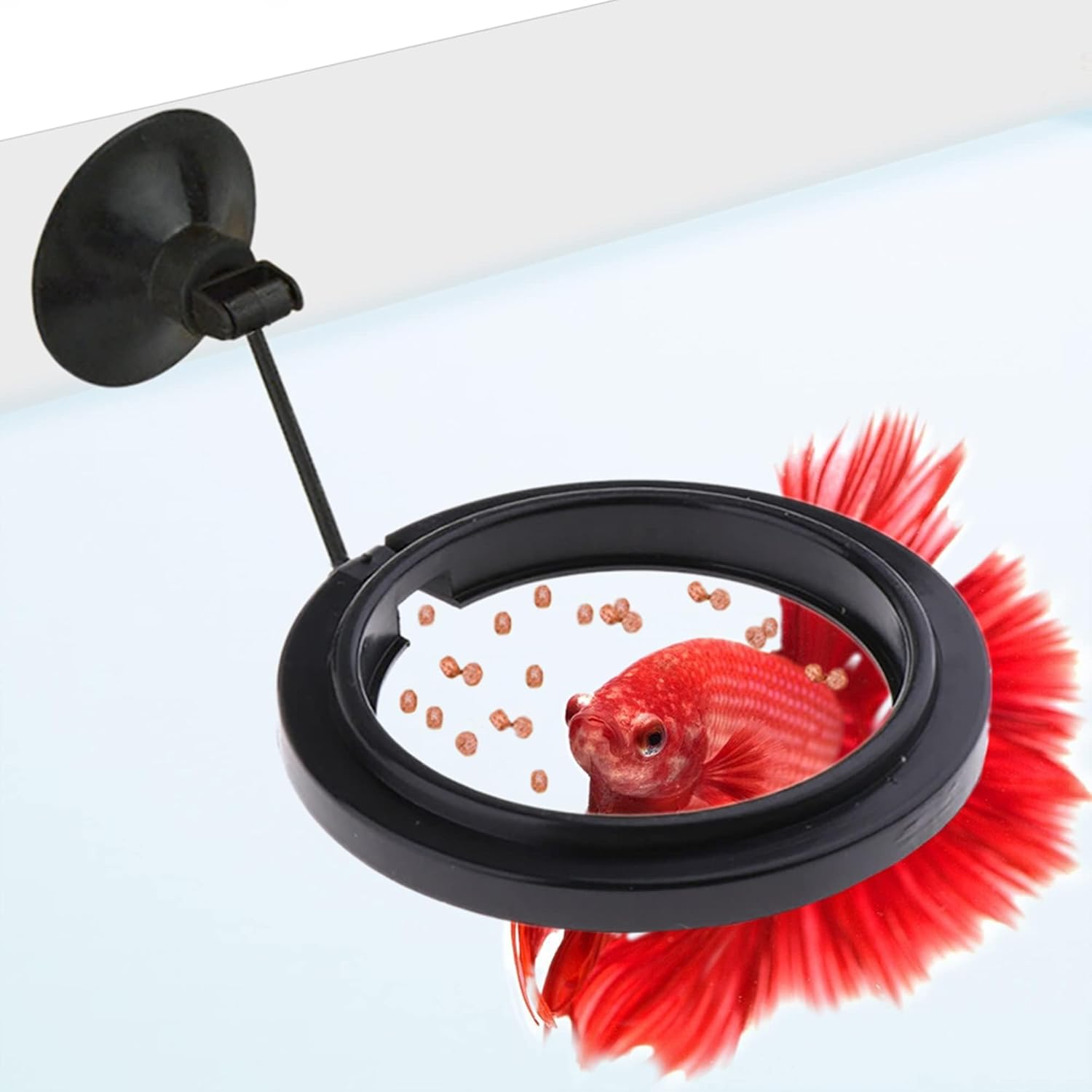
Automatic feeders are a great investment if you travel often. They release small portions of dry food at set times. Most models let you adjust the portion size and frequency. This means your betta gets fed even when you are not home.
However, automatic feeders are not perfect. They can sometimes malfunction. Dry food can also get soggy and clog the dispenser. Test the feeder for a few days before your trip to make sure it works properly.
The Benefits of Fasting Your Betta Fish
Fasting is not just something that happens when you forget to feed. Many betta experts actually recommend periodic fasting as part of a healthy care routine. Here is why skipping a meal or two can be beneficial.
Digestive Rest
Betta fish have relatively simple digestive systems. Overfeeding can lead to bloating, constipation, and swim bladder issues. Giving your betta a day off from food allows their digestive tract to clear out and reset. This is one reason why many experienced keepers fast their bettas one day per week.
Preventing Obesity
Yes, bettas can get overweight. Overfed bettas store excess fat, which can shorten their lifespan. A regular fasting schedule helps maintain a healthy weight and keeps your fish active and colorful.
Improving Water Quality
Uneaten food sinks to the bottom and decays. This raises ammonia levels and harms water quality. Fewer feedings mean less waste in the tank. Your filter does not have to work as hard, and your betta lives in a cleaner environment.
For more on how often to feed your betta and build the right schedule, read our article on how often does a betta fish eat.
What Happens When a Betta Fish Goes Too Long Without Food?
While bettas can handle short fasting periods, going too long without food has serious consequences. It is important to recognize the signs of starvation and know when to intervene.
Weight Loss and Muscle Wasting
After several days without food, a betta starts burning its own muscle tissue for energy. You may notice the fish looking thinner, especially near the tail and belly area. The colors might also fade as the body uses up stored nutrients.
Weakened Immune System
A malnourished betta becomes more vulnerable to diseases. Common issues include fin rot, ich, and fungal infections. A weakened immune system means your fish has a harder time fighting off these problems.
Lethargy and Behavioral Changes
A hungry betta often becomes less active. You might notice your fish staying near the bottom of the tank, not responding to food when you eventually offer it, or hiding more than usual. These are signs that fasting has gone too far.
Organ Damage in Extreme Cases
In severe cases of prolonged starvation, internal organs start to fail. This is irreversible and often leads to death. This is why understanding how long a betta fish can go without food has real practical importance for every owner.
Common Mistakes People Make When Skipping Betta Feedings
Even well-meaning betta owners make mistakes when it comes to fasting. Here are the most common ones and how to avoid them.
Overfeeding Before a Trip
This is the number one mistake. Many owners think, “I will give my betta a big meal before I leave so they do not get hungry.” The problem is that a bloated betta can develop digestive issues. A large meal right before a trip can actually cause more harm than good.
Instead: Feed your betta a normal portion the day before you leave. Nothing more.
Skipping Water Changes
Some owners focus only on food and forget about water quality. A dirty tank produces ammonia, which stresses your fish. Stress makes fasting even harder on the body. Always do a water change before leaving your betta alone.
Assuming All Betta Fish Are the Same
Every betta is different. Age, health, activity level, and tank conditions all play a role. Do not assume your friend’s betta can handle 10 days without food just because theirs did. Always judge based on your own fish’s condition.
Using the Wrong Food for Automatic Feeders
Not all fish foods work well in automatic feeders. Flakes can crumble and clog the mechanism. Pellets designed for bettas are usually a better choice. Make sure the food you use is appropriate for your setup.
If you are exploring alternative feeding options, our guide on what to feed a betta fish without fish food covers safe human foods you can offer in a pinch.
Expert Tips for Managing Your Betta’s Feeding Schedule
Here are some practical tips from experienced betta keepers to help you manage feeding routines and fasting periods with confidence.
Create a Consistent Schedule
Feed your betta at the same times each day. Most experts recommend one to two small meals per day. Consistency helps regulate digestion and keeps your fish healthy and active.
Watch for Hunger Signs
A hungry betta will often beg for food by swimming near the surface or following your finger around the tank. This is normal behavior. But just because your betta acts hungry does not mean you need to feed them more. Bettas are opportunistic eaters by nature.
Keep a Feeding Log
If you travel often, keep a simple log of feeding times and portions. This helps you track patterns and notice any changes in appetite. It also makes it easier to plan for upcoming trips.
Know When to Break a Fast
If you are fasting your betta for health reasons, watch for warning signs. If your fish stops swimming actively, loses color, or refuses food when you offer it after the fast, it is time to start feeding again. A small portion of high-quality betta pellets is the best way to break a fast gently.
How Long Can a Betta Fish Go Without Food: The Bottom Line
The bottom line is that how long a betta fish survive without food depends on many factors, but most healthy adults can safely go 7 to 10 days. For shorter trips of 2 to 3 days, you do not need to worry at all. For longer trips, prepare the tank in advance and consider an automatic feeder.
Fasting can actually be a healthy part of your betta’s routine when done correctly. A weekly fasting day gives the digestive system a rest and helps prevent overfeeding problems. Just remember that every fish is different, and you should always monitor your betta’s behavior and body condition.
By understanding your betta’s needs and planning ahead, you can enjoy your time away knowing your fish is safe and healthy. Whether you are heading out for a weekend or a two-week vacation, a little preparation goes a long way in keeping your betta thriving.
For more information about betta care and survival timelines, you might also enjoy reading about how long does a betta fish live without food to deepen your understanding of this important topic.
Frequently Asked Questions
Can a betta fish survive 3 days without food?
Absolutely. Three days without food is perfectly safe for a healthy betta fish. In fact, many owners skip feedings on weekends without any issues. Your betta will be just fine during a short 3-day break from meals.
Is it normal for a betta fish to refuse food for a day?
Yes, it is completely normal. Bettas sometimes skip a meal on their own, especially if the water temperature is lower or if they are not very active. A single day of not eating is usually nothing to worry about.
How can I tell if my betta fish is too thin from fasting?
Look at your betta from above. A healthy betta should have a rounded, slightly plump body. If you notice the belly area looking sunken or the body appearing very thin, your fish may be underweight. Also watch for faded colors and low energy.
Should I feed my betta less if I am going on vacation?
No, feed your betta normally right before you leave. The key is not to overfeed, but a normal portion gives your fish the energy it needs. Do not try to “starve” your betta before a trip thinking it will help them survive longer.
Can baby betta fish survive without food as long as adults?
No, baby bettas need much more frequent feeding. They have high energy needs and very little body fat stored. A young betta fry might only survive 1 to 2 days without food, while an adult can go much longer.
What is the safest way to feed my betta while I am away for 10 days?
The safest option is to use an automatic feeder set to release small pellets once or twice a day. Alternatively, ask a trusted friend or neighbor to feed your betta. Just give them clear instructions on portion size to avoid overfeeding.
=== CONCLUSION ===
How long does a betta fish survive without food is a question every betta owner should know the answer to. A healthy adult betta can typically go 7 to 14 days without eating, but the sweet spot for safety is around 7 days. Factors like age, health, water temperature, and body condition all play a role in determining your fish’s exact limits.
Fasting can be beneficial when done right. It gives the digestive system a rest, helps prevent obesity, and improves water quality. But fasting should never be taken too far. Always watch your fish for signs of stress and know when to break a fast.
With a little planning and preparation, you can confidently leave your betta alone for short trips. Your fish will be healthy, happy, and ready to greet you when you get back. Take what you learned here, apply it to your own routine, and enjoy the peace of mind that comes with being a well-informed betta owner.