How Long Do Halfmoon Betta Fish Live
The average halfmoon betta fish lives between 3 to 5 years with proper care. Factors like tank size, water quality, diet, and genetics play a huge role in determining how long your halfmoon betta will thrive. By following the right care steps, you can help your fish live a full and healthy life.
Halfmoon betta fish are some of the most stunning freshwater fish you can keep at home. Their dramatic, fan-shaped tails and vibrant colors make them a favorite among hobbyists. But if you are thinking about adding one to your aquarium, a natural question comes up: how long do halfmoon betta fish live?
The answer depends on several important factors. Genetics, tank setup, water quality, diet, and overall care all contribute to how many years your halfmoon betta will be by your side. In this guide, we will break down everything you need to know about halfmoon betta lifespan. You will learn what shortens their life, what extends it, and how you can give your fish the best possible home.
Many new fish owners assume bettas are fragile and short-lived. That is a common myth. With the right setup and attention, a halfmoon betta fish can live a surprisingly long and healthy life. Let us dive into the details.
Key Takeaways
- Average Lifespan: Halfmoon bettas typically live 3 to 5 years when kept in optimal conditions.
- Tank Size Matters: A 5-gallon tank or larger significantly improves their health and longevity.
- Water Quality Is Critical: Maintaining clean, warm water with stable parameters prevents common diseases.
- Diet Affects Longevity: Feeding a varied and balanced diet keeps halfmoon bettas strong and vibrant.
- Genetics Play a Role: Sourcing fish from reputable breeders increases the chances of a longer lifespan.
- Stress Reduction: A calm environment with proper tank mates and hiding spots helps halfmoon bettas thrive.
📑 Table of Contents
Understanding the Halfmoon Betta Fish
What Makes a Halfmoon Betta Special
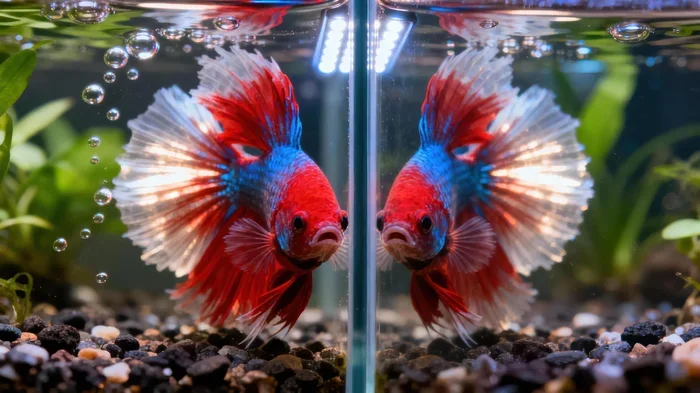
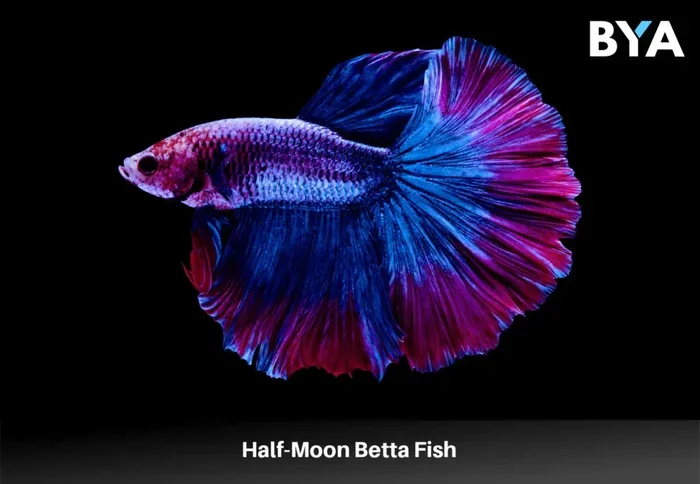
The halfmoon betta is a specific variety of the Siamese fighting fish, known for its spectacular tail. When the tail is fully spread, it forms a perfect half-circle, resembling a moon. This unique shape is what gives the halfmoon its name.
These fish come in a wide range of colors and patterns. You will find halfmoon bettas in solid shades, bi-colors, marbles, and even iridescent varieties. Each one has its own personality, which adds to their appeal.
But beauty comes with responsibility. Halfmoon bettas have longer fins than standard bettas, which makes them slightly more delicate. Their flowing tails can tear easily, and they may be more sensitive to poor water conditions. This means their lifespan depends heavily on how well you care for them.
How Long Do Halfmoon Betta Fish Live on Average
Most halfmoon bettas live between 3 and 5 years in captivity. Some well-cared-for individuals have even reached 6 years, though this is less common. The key word here is “well-cared-for.” A halfmoon betta kept in a cramped bowl with dirty water will likely live only 1 to 2 years.
If you want your fish to reach the upper end of the halfmoon betta lifespan range, you need to invest in proper setup and consistent maintenance. This is not difficult, but it does require commitment. Think of it like caring for any pet. The more attention you give, the better the results.
Factors That Affect Halfmoon Betta Lifespan
Tank Size and Setup
One of the biggest mistakes people make is keeping a betta in a tiny cup or bowl. A halfmoon betta fish needs space to swim and explore. A tank of at least 5 gallons is recommended. Smaller tanks lead to rapid toxin buildup, which stresses the fish and weakens its immune system.
A properly sized tank also allows you to add a gentle heater and a sponge filter. Bettas are tropical fish and need warm water between 76 and 82 degrees Fahrenheit. A heater keeps the temperature stable, which is essential for their health.
When setting up the tank, add soft plants and hiding spots. Halfmoon bettas have long fins that can get caught on sharp decorations. Live plants like java moss or amazon sword provide natural cover and help maintain water quality.
Water Quality and Maintenance
Clean water is the foundation of a long halfmoon betta lifespan. Poor water quality is the leading cause of disease and early death in bettas. Ammonia and nitrite levels should always read zero, and nitrate should stay below 20 ppm.
You should perform partial water changes of 25 to 30 percent every week. This removes waste buildup and refreshes the tank environment. Use a gravel vacuum to clean the substrate during each change.
Always use a water conditioner to remove chlorine and chloramine from tap water before adding it to the tank. These chemicals are harmful to fish, even in small amounts. Testing the water regularly with a liquid test kit helps you catch problems early.
Diet and Nutrition
What you feed your halfmoon betta directly impacts its health and longevity. A varied diet keeps them strong and supports vibrant coloration. Pellets specifically formulated for bettas should be the staple of their diet. Look for high-quality brands with real fish meal as the first ingredient.
Supplement their diet with frozen or live foods like brine shrimp, bloodworms, and daphnia. These treats provide essential nutrients and mimic their natural diet in the wild. Feed small amounts twice a day, just enough that they eat within 2 to 3 minutes.
Overfeeding is a common problem. Uneaten food rots in the tank and pollutes the water. This leads to ammonia spikes and health issues. How long do halfmoon betta fish live often comes down to simple feeding habits like these.
Genetics and Breeding
Just like people, bettas inherit certain traits from their parents. Fish from reputable breeders tend to be healthier and live longer than those from mass-market pet stores. Responsible breeders focus on bloodlines that produce strong, vibrant fish with fewer genetic issues.
If you want your halfmoon betta to have the best chance at a long life, buy from a trusted breeder or a reputable online source. You will notice the difference in fin quality, color intensity, and overall vitality. A healthy fish from a good source has a head start on longevity.
Stress and Environment
Stress is a silent killer in aquarium fish. A stressed halfmoon betta becomes vulnerable to infections and diseases. Common stressors include aggressive tank mates, bright lighting, loud noises, and sudden changes in water temperature.
Keep the tank in a quiet area of your home. Avoid placing it near televisions, speakers, or high-traffic hallways. Use soft, ambient lighting and provide plenty of plants and caves for your betta to retreat to.
Also, be careful about tank mates. While some people keep bettas with other fish, halfmoon bettas with their long fins are often targets for nipping. If you want community tank mates, choose peaceful, slow-moving species like corydoras or kuhli loaches. Avoid fin-nippers like tiger barbs entirely.
Common Health Issues That Shorten Lifespan
Fin Rot and Tail Biting
Fin rot is a bacterial infection that causes the edges of a betta’s fins to look ragged or discolored. It often results from poor water quality or injury. Halfmoon bettas with long fins are especially prone to this condition.
Early signs include white or black edges on the fins and redness at the base. If caught early, fin rot can be treated with aquarium salt or a mild antibacterial medication. Improving water quality is the first step in prevention.
Some bettas also bite or tear their own fins out of boredom or stress. Providing enrichment like gentle water flow and tank decorations can help reduce this behavior.
Bettas and the Common Cold
Bettas are tropical fish and do not tolerate cold water. Temperatures below 72 degrees Fahrenheit can cause lethargy, loss of appetite, and a weakened immune system. This is sometimes called “betta cold” or “temperature shock.”
Always use a reliable aquarium heater with a thermostat. Monitor the temperature daily, especially during seasonal changes. A stable temperature keeps your halfmoon betta’s metabolism functioning properly and supports a strong immune system.
Swim Bladder Disease
Swim bladder disease affects a fish’s ability to maintain balance. Symptoms include floating upside down, sinking to the bottom, or swimming lopsided. This condition can be caused by overfeeding, constipation, or bacterial infection.
To prevent swim bladder issues, feed a high-fiber diet and avoid overfeeding. Frozen peas with the skins removed can help relieve constipation. If symptoms persist, check the water parameters and consider a partial water change.
Tips to Maximize Your Halfmoon Betta’s Lifespan
Create a Stable Environment
Stability is the single most important factor in betta health. Avoid sudden changes in temperature, pH, or lighting. When you do need to make adjustments, do them gradually over several hours.
A mature tank with a well-established nitrogen cycle is much easier to maintain than a new tank. If you are setting up a new aquarium, cycle it for at least 4 to 6 weeks before adding your fish. This builds beneficial bacteria that break down harmful toxins.
Observe Your Fish Daily
Spend a few minutes each day watching your halfmoon betta. Look for changes in appetite, color, activity level, and fin condition. Early detection of problems makes treatment much easier and more effective.
Keep a simple log of water parameters and feeding habits. Over time, you will notice patterns that help you keep your fish healthy. This daily attention is one of the easiest ways to ensure your betta lives a full life.
Learn From the Experts
If you are serious about betta keeping, take time to learn from experienced hobbyists and trusted sources. Understanding the basics of betta fish care goes a long way in preventing problems before they start. Join online forums, read articles, and connect with other betta enthusiasts.
Knowledge is your best tool for giving your halfmoon betta a long, happy life. The more you understand about their needs, the better equipped you are to meet them.
Conclusion
So, how long do halfmoon betta fish live? With the right care, a halfmoon betta fish can thrive for 3 to 5 years or even longer. The secret lies in providing a clean, warm, and stable environment, feeding a balanced diet, and staying attentive to their needs.
Every choice you make as a betta owner matters. From the size of the tank to the quality of the food, these details add up over time. By following the tips in this guide, you give your halfmoon betta the best chance at a long and healthy life.
Remember, a happy betta is a long-lived betta. Invest the time, enjoy the process, and you will be rewarded with years of beauty and companionship from your stunning halfmoon betta.
Frequently Asked Questions
What is the average lifespan of a halfmoon betta fish?
The average lifespan of a halfmoon betta fish is 3 to 5 years. With excellent care, some individuals can reach 6 years or slightly beyond. Providing a proper tank, clean water, and a balanced diet helps your fish reach its full lifespan potential.
Can a halfmoon betta fish live longer than 5 years?
Yes, it is possible for a halfmoon betta to live beyond 5 years, though it is less common. Fish that receive optimal care from reputable breeders tend to have the best chance at reaching an older age. Genetics, diet, and water quality all play a role in extending their life.
Does tank size affect how long a halfmoon betta lives?
Absolutely. A larger tank provides more stable water conditions and reduces toxin buildup. A 5-gallon tank is the minimum recommended size, but bigger is always better. A properly cycled, spacious tank directly contributes to a longer halfmoon betta lifespan.
What is the most common reason halfmoon bettas die early?
The most common reason is poor water quality. Ammonia and nitrite buildup from infrequent water changes causes stress, disease, and organ damage. Overfeeding, cold water, and lack of filtration also contribute to early death in halfmoon bettas.
How can I tell if my halfmoon betta is aging?
Signs of aging in halfmoon bettas include reduced activity, faded colors, slower appetite, and frayed fins. Some fish also develop a curved spine or become less responsive over time. Providing excellent care throughout their life can slow down the aging process.
Is it better to buy a halfmoon betta from a breeder or a pet store?
Buying from a reputable breeder is generally better for longevity. Breeders focus on healthy bloodlines and proper care, which gives the fish a stronger start in life. Pet store bettas often come from crowded breeding facilities and may carry hidden health issues that affect their lifespan.