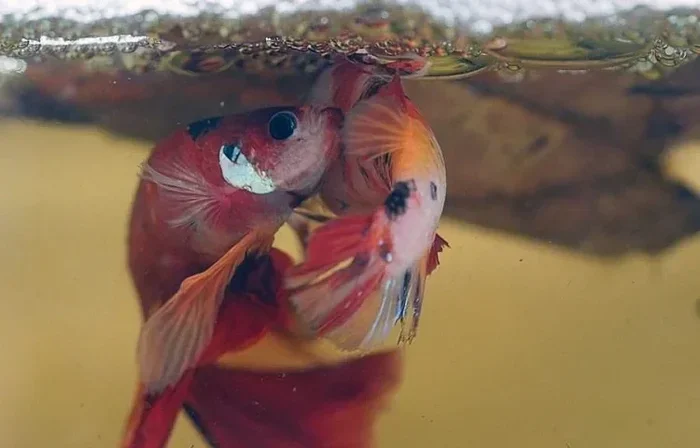
How Long Do Double Tail Betta Fish Live
How long do double tail betta fish live? On average, double tail bettas live between 3 and 5 years, but with the right care, some can reach 7 years or more. The double tail betta lifespan depends heavily on tank conditions, diet, genetics, and water quality. This guide covers everything you need to know to help your double tail betta fish live a long, healthy life.
Double tail betta fish are some of the most stunning creatures you can keep at home. Their flowing, split caudal fin creates a beautiful fan shape that turns heads. But beyond their looks, many fish owners want to know how long do double tail betta fish live and what they can do to help their pet thrive.
The answer is not as simple as a single number. Several factors come into play, from the size of the tank to the food you feed. In this guide, we will break down everything you need to know about the double tail betta lifespan. By the end, you will have a clear picture of what to expect and how to give your fish the best possible life.
Whether you just brought home a double tail betta or have had one for years, this article is for you. Let us dive in and explore what really affects how long these beautiful fish stick around.
Key Takeaways
- Average lifespan: Double tail bettas typically live 3 to 5 years in captivity with proper care.
- Tank size matters: A minimum 5-gallon tank with a heater and filter significantly boosts their lifespan.
- Water quality is critical: Regular water changes and stable parameters prevent common diseases that shorten their life.
- Genetics play a role: Sourcing from reputable breeders improves the odds of a longer, healthier life.
- Diet affects longevity: A varied diet of high-quality pellets, frozen foods, and occasional treats supports long-term health.
- Common health issues: Fin rot, swim bladder disease, and ich can reduce lifespan if left untreated.
- Early detection helps: Spotting warning signs early gives your betta the best chance at a full life.
📑 Table of Contents
What Is a Double Tail Betta Fish?
Understanding the Double Tail Trait
The double tail betta is a variety of Siamese fighting fish known for its split caudal fin. Instead of one single tail, the fin splits into two distinct lobes. This gives the fish a unique and eye-catching appearance that many aquarists love.
The double tail trait comes from a genetic variation. It is a recessive gene, which means both parent fish need to carry the gene for offspring to display the double tail feature. Because of this, double tail bettas are less common than standard tail types, and they are often prized by breeders and hobbyists alike.
Why the Double Tail Is Special
What makes the double tail betta stand out is not just the split fin. The two lobes often flow gracefully, creating a shimmering effect as the fish moves through the water. Breeders have also developed double tail bettas in a wide range of colors and patterns, from bright crowntail doubles to deep marble varieties.
However, the double tail gene can sometimes come with trade-offs. Some double tail bettas have a slightly shorter body depth, which can affect their swimming ability. This is one reason why their care needs extra attention, as we will explore below.
How Long Do Double Tail Betta Fish Live?
The Average Double Tail Betta Lifespan
So, how long do double tail betta fish live on average? In most home aquariums, you can expect a double tail betta to live between 3 and 5 years. Some well-cared-for individuals have been known to reach 6 or even 7 years of age, but this is less common.
When compared to other betta varieties, the double tail does not have a dramatically different lifespan. The average betta fish lifespan is also around 3 to 5 years. The key difference lies in the specific care needs that double tail bettas require due to their unique fin structure and genetics.
It is also worth noting that where you source your fish matters a great deal. Fish from pet stores often have shorter lives because of poor breeding conditions. Fish from reputable breeders tend to be healthier from the start, which sets them up for a longer life.
Wild vs Captive Lifespan
In the wild, betta fish face many challenges. They deal with pollution, predators, limited food, and harsh weather. Because of this, wild bettas generally do not live as long as their captive counterparts. Understanding how long betta fish live in the wild helps put the captive lifespan into perspective.
In a well-maintained home aquarium, double tail bettas have a much better chance of reaching their full potential age. Stable temperatures, clean water, and a consistent food supply all contribute to a longer life.
Factors That Affect Double Tail Betta Lifespan
Several key factors determine how long your double tail betta will live. Let us look at each one in detail.
Tank Size and Setup
The size of the tank is one of the biggest factors in how long betta fish live in a tank. Many people believe bettas can live in tiny cups or bowls. This is a myth. A 5-gallon tank is the minimum recommended size for a single betta fish. Larger tanks, such as 10 gallons, are even better because they provide more stable water conditions.
A proper tank setup includes:
- A heater to maintain temperatures between 78 and 80 degrees Fahrenheit
- A gentle filter to keep the water clean without creating strong currents
- A lid or canopy, since bettas can jump
Double tail bettas are not strong swimmers. The split tail can make them slightly less agile than other betta varieties. This means they do better in tanks with gentle water flow and plenty of open swimming space.
Water Quality and Parameters
Clean water is essential for a long double tail betta lifespan. Poor water quality is one of the leading causes of disease and early death in aquarium fish.
Key water parameters to monitor include:
- Temperature: Keep it steady between 78 and 80 degrees Fahrenheit
- pH: Aim for a slightly acidic to neutral range of 6.5 to 7.5
- Ammonia and nitrite: Both should be at 0 ppm
- Nitrate: Keep below 20 ppm with regular water changes
Performing a 25 to 30 percent water change every week is one of the best things you can do. This removes toxins and keeps the environment healthy. Using a water conditioner to remove chlorine and chloramine from tap water is also essential.
Diet and Nutrition
What you feed your double tail betta directly impacts how long it lives. A poor diet leads to malnutrition, organ damage, and a shortened life. A high-quality diet supports growth, color, and overall vitality.
Here are some feeding tips for a long and healthy life:
- Use high-quality betta pellets as the staple food. Look for pellets with real fish or shrimp as the first ingredient.
- Offer variety with frozen or live foods like bloodworms, brine shrimp, and daphnia a few times a week.
- Feed small amounts twice a day rather than one large meal. Overfeeding can cause constipation and swim bladder issues.
- Skip one meal per week to help prevent bloating and keep the digestive system healthy.
Remember that bettas are carnivores. They need protein-rich foods to thrive. Flakes designed for tropical community fish are not ideal and do not provide the nutrition your double tail betta needs.
Genetics and Breeding
Just like people, fish inherit certain traits from their parents. A double tail betta that comes from healthy, well-bred parents has a better chance of living a long life. Genetics can influence everything from immune system strength to body structure.
When buying a double tail betta, try to source from breeders who focus on health and quality. Avoid fish from large-scale breeding operations where genetic diversity is low and health is often overlooked. A healthy start in life sets the foundation for a longer lifespan.
Stress and Environment
Stress is a silent killer in aquarium fish. A stressed betta is more prone to illness, and chronic stress can significantly shorten its life. Common stressors include:
- Tank mates that are too aggressive or nippy
- Bright lights or constant noise near the tank
- Crowded tanks with too many fish
- Sudden changes in water temperature or chemistry
Keeping your double tail betta in a calm, stable environment goes a long way. Many hobbyists keep bettas in species-only tanks for this reason. If you do add tank mates, choose peaceful, non-fin-nipping species and provide plenty of hiding spots.
How to Extend Your Double Tail Betta’s Life
Want to give your double tail betta the best shot at a long life? Here are some practical steps you can take starting today.
Set Up the Right Tank
Start with a tank that is at least 5 gallons. Add a gentle sponge filter, a reliable heater, and some live plants. Make sure the water temperature stays consistent. Sudden temperature swings can shock your fish and weaken its immune system.
If you are new to betta keeping, consider reading about how long betta fish live in a tank to understand the impact of tank size on their overall health and longevity.
Maintain a Regular Care Schedule
Consistency is key. Stick to a routine of weekly water changes, daily feeding, and regular observation. During each water change, check the parameters with a test kit. Catching problems early can prevent serious health issues.
Also, keep the tank clean without over-cleaning. Too frequent or too aggressive cleaning can strip beneficial bacteria from the tank, which can actually harm water quality. Balance is everything.
Watch for Warning Signs
Knowing the signs of illness helps you act fast. Some common warning signs include:
- Clamped fins or fins held close to the body
- Loss of color or fading stripes
- Difficulty swimming or floating sideways
- White spots on the body or fins
- Redness, swelling, or torn fins
If you notice any of these signs, test the water immediately and consider a quarantine tank for treatment. Acting quickly can make all the difference.
Avoid Common Mistakes
Many new betta owners make mistakes that shorten their fish’s life. Here are some to avoid:
- Keeping the betta in a bowl smaller than 5 gallons: This limits movement and causes toxin buildup.
- Overfeeding: It leads to obesity and digestive problems.
- Ignoring water changes: Even the best filter cannot replace regular water changes.
- Using untreated tap water: Chlorine and chloramine are harmful to fish.
- Housing the betta with aggressive tank mates: This causes constant stress and can lead to injury.
By avoiding these common pitfalls, you set your double tail betta up for a much longer and happier life.
Common Health Issues in Double Tail Bettas
Fin Rot
Fin rot is one of the most common health issues in betta fish. It causes the fins to look ragged, discolored, or to slowly dissolve. Poor water quality is the main culprit. Treating fin rot early with water changes and, if needed, medication can save your fish.
Swim Bladder Disease
Swim bladder disease affects a fish’s ability to control its buoyancy. Affected fish may float at the top, sink to the bottom, or swim sideways. Overfeeding and constipation are common causes. Feeding a few peeled peas or fasting the fish for a day or two often helps.
Ich (White Spot Disease)
Ich shows up as tiny white spots on the body and fins. It is caused by a parasite and spreads quickly in stressed or poorly kept tanks. Raising the temperature slowly to 82 degrees and using medication can treat ich effectively.
Tail Biting
Some double tail bettas develop a habit of biting their own tail fins. This can be caused by boredom, stress, or poor water conditions. Adding enrichment like plants, mirrors (briefly), and varied environments can help reduce this behavior.
Final Thoughts on Double Tail Betta Lifespan
The double tail betta fish lifespan is largely in your hands. With the right tank, clean water, a good diet, and a stress-free environment, your double tail betta can live a full and vibrant life. Most fish will reach the 3 to 5 year mark, and some may even surpass it with excellent care.
Understanding how long do double tail betta fish live is the first step. The next step is taking action. Start today by reviewing your tank setup, checking your water parameters, and evaluating your feeding routine. Small changes can lead to big results.
Every double tail betta deserves a chance to live its best life. By applying the tips in this guide, you give your fish the best possible shot at a long, healthy, and beautiful life. Enjoy every moment with your colorful companion.
Frequently Asked Questions
How long do double tail betta fish live in a 5 gallon tank?
A double tail betta in a properly maintained 5-gallon tank can live 3 to 5 years on average. The tank size provides enough space for stable water conditions, which is essential for their health. Adding a heater and gentle filter will help maximize their lifespan.
Can double tail bettas live longer than 5 years?
Yes, some double tail bettas can live beyond 5 years with excellent care. Fish that receive optimal water quality, a varied diet, and low stress levels have the best chance of reaching 6 or 7 years old. Genetics also play a role in how long they can live.
Why do double tail bettas have shorter lifespans in pet stores?
Pet store bettas often live in small cups with poor water quality and inconsistent temperatures. These stressful conditions weaken their immune systems and can shorten their life before you even bring them home. Buying from reputable breeders gives your fish a healthier start.
What is the most common cause of early death in double tail bettas?
Poor water quality is the most common cause. Ammonia and nitrite buildup from infrequent water changes can damage organs and lead to disease. Overfeeding and incorrect temperatures also contribute significantly to early mortality.
Does the double tail gene affect betta lifespan?
The double tail gene itself does not directly shorten lifespan. However, some double tail bettas may have a slightly different body structure that requires extra care. Proper tank setup and attentive maintenance ensure they live just as long as other betta varieties.
How can I tell if my double tail betta is aging?
Signs of aging in bettas include faded colors, slower movement, reduced appetite, and fin deterioration. These changes happen gradually. Providing the best possible care at every stage helps your betta stay healthy for as long as possible.