How Long Do Betts Fish Live
So how long do betts fish live? On average, betts fish live between 3 and 5 years, but with the right care, some can reach 7 years or more. Your fish tank setup, water quality, diet, and genetics all play a big role in determining how long your betts fish will thrive.
So, how long do betts fish live? This is one of the first questions new fish owners ask. The answer isn’t as simple as a single number. Your betts fish lifespan depends on several factors that you can control. With the right setup, a good diet, and consistent care, you can give your bett fish the best shot at a long, happy life.
Many people think betts fish are cheap and short-lived. They grab one from a pet store cup and forget about it. But that’s not the full story. Betta fish are actually fascinating creatures with more potential than most people realize. This guide covers everything you need to know about betts fish lifespan and how to extend it.
Whether you already own a bett or you are planning to get one, this article will help you understand what really matters. Let’s dive into the world of betts fish and find out how long they can truly live.
Key Takeaways
- Average Lifespan: Betts fish typically live 3 to 5 years in captivity, with some reaching 7 years under excellent care.
- Tank Size Matters: A proper tank with at least 5 gallons gives your betts fish room to thrive and live longer.
- Water Quality Is Critical: Clean, warm water with stable parameters dramatically improves betta fish lifespan.
- Diet Affects Longevity: Feeding a varied, high-quality diet keeps your betts fish healthy and active for years.
- Genetics Play a Role: Some betts fish are simply built to live longer, but good care maximizes their potential.
- Common Mistakes Shorten Life: Overcrowding, poor water, and stress are the top reasons betts fish die early.
📑 Table of Contents
How Long Do Betts Fish Live?
The average betts fish lives around 3 to 5 years in a home aquarium. That said, some dedicated fish keepers report their betts living 6 or even 7 years. The key difference is care quality. A betts fish kept in a small bowl with no heater will likely live a shorter life. One kept in a properly filtered, heated tank with a balanced diet can exceed expectations.
If you are wondering how long do bettas fish live compared to other common pets, betts actually hold up pretty well. They outlive many small mammals kept in cages. And compared to goldfish, which can live 10 to 15 years, betts are on the shorter side. But for a tropical fish that fits on a desk, 5 years is a solid commitment.
Here is a quick look at typical betts fish lifespan by category:
- Pet store betts: Often 1 to 3 years due to early stress and poor conditions.
- Home-raised betts: 3 to 5 years with standard care.
- Well-cared-for betts: 5 to 7 years with optimal setup and nutrition.
- Wild bettas: Typically shorter lives due to environmental pressures and predators.
As you can see, the environment makes a huge difference. If you want your betts fish to live longer, the next sections will show you exactly how.
Why Do Some Betts Fish Live Longer Than Others?
Not all betts fish are the same. Some seem to bounce back from anything, while others decline quickly. Genetics play a role, just like in humans. A betts fish from healthy parents has a better starting point. But genetics are only part of the equation. Environment, diet, and stress levels matter just as much.
Think of it this way. Two people might have the same genes, but one eats well, exercises, and sleeps enough. The other does not. The first person will likely live longer. The same logic applies to your betts fish. Good care amplifies whatever genetic potential your fish has.
What Affects Betts Fish Lifespan?
Several factors determine how long your betts fish will live. Understanding these gives you the power to control outcomes. Let us break down the biggest influences.
Tank Size and Setup
The single biggest mistake people make is keeping betts in tiny bowls. A betts fish needs space to swim and explore. A tank of at least 5 gallons is the minimum recommended size. Smaller tanks cause stress, waste buildup, and temperature swings. All of these shorten your betts fish lifespan.
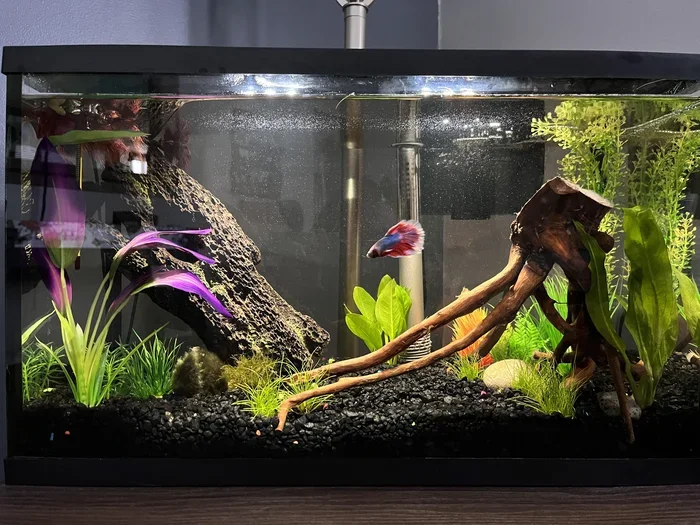
A proper setup includes:
- A filter to keep water clean
- A heater to maintain stable temperature
- Gentle water flow (bettas do not like strong currents)
If you want to learn more about the ideal tank size, check out our guide on how long betta fish live in a 5 gallon tank. Tank size directly impacts health and longevity.
Water Quality and Temperature
Betts fish are tropical creatures. They need warm water between 76 and 82 degrees Fahrenheit. Cold water slows their metabolism and weakens their immune system. Hot water holds less oxygen and causes stress.
Water quality is equally important. Ammonia and nitrite should always read zero. Nitrate should stay below 20 ppm. Regular water changes (about 25 percent weekly) keep things stable. Poor water quality leads to disease, which is one of the top reasons betts fish die early.
Investing in a simple test kit pays off big time. It removes the guesswork and gives you real data about your tank conditions.
Diet and Nutrition
What you feed your betts fish directly affects how long it lives. In the wild, bettas eat insects, larvae, and small crustaceans. In captivity, they need a protein-rich diet that mimics this natural intake.
High-quality betta pellets should form the base of their diet. But variety is important too. Offer frozen or live foods like brine shrimp and bloodworms a few times a week. This keeps them healthy and active.
Overfeeding is a common problem. Betts fish have small stomachs. Feed them 2 to 3 pellets twice a day. Remove any uneaten food after a few minutes. Excess food rots in the water and pollutes the tank.
Interestingly, some owners practice short fasting periods. Skipping one meal per week can help prevent constipation and bloating. If you want to know more about how long bettas can go without food, read our article on how long betta fish live without food.
Stress and Environment
Stress is a silent killer. Betts fish that live in stressful environments get sick more often and die younger. Common stressors include bright lights, loud noises, aggressive tankmates, and cramped spaces.
Betta fish are solitary by nature. They are sometimes called “Siamese fighting fish” for a reason. Keeping two male bettas in the same tank almost always ends badly. Even female bettas need careful introduction if kept in groups.
A calm, stable environment helps your betts fish feel safe. Dim lighting, gentle filtration, and plenty of places to hide all reduce stress. A happy fish is a longer-living fish.
Male vs Female Betts Fish Lifespan
Do males and females live different lengths of time? The answer is yes, slightly. Female bettas tend to live a bit longer than males on average. This comes down to biology and how they are typically kept.
Male bettas are the colorful ones you see in pet stores. They have long, flowing fins that make them beautiful but also more vulnerable. Their elaborate fins can tear, and they are more prone to fin rot and infections. For more details, check out our article on how long male betta fish live.
Female bettas have shorter fins and a sturdier body shape. They tend to be hardier and less prone to fin damage. If you are considering getting a betta, both genders make wonderful pets. Just know that females may have a slight edge in longevity.
For a deeper dive into gender differences, our guide on how long female betta fish live covers this topic in detail.
How to Help Your Betts Fish Live Longer
You cannot change your betts fish genetics. But you can absolutely control its environment and care. Here are the best ways to add years to your betta’s life.
1. Start with a Proper Tank
Never keep a betta in a bowl or a cup long-term. A 5-gallon tank is the sweet spot for a single betta. It gives enough room for swimming and allows beneficial bacteria to establish. These bacteria break down waste and keep the water safe.
If you want to go bigger, a 10-gallon tank opens up more possibilities. You can add gentle tankmates or more plants. Just make sure any additions are betta-safe.
2. Keep Water Clean and Stable
Regular maintenance is non-negotiable. Stick to a weekly water change routine. Use a gravel vacuum to remove debris from the substrate. Test water parameters monthly. Catch problems early before they become serious.
A cycled tank is essential. Cycling means building up beneficial bacteria that process ammonia. This process takes 4 to 6 weeks before adding fish. Never skip this step if you are setting up a new tank.
3. Feed a Balanced Diet
Variety is the spice of life for bettas. Rotate between high-quality pellets, frozen foods, and occasional live treats. Avoid feeding only flakes, as they lack the protein bettas need. And never feed wild-caught insects without knowing they are pesticide-free.
4. Monitor Health Daily
Spend a few minutes each day watching your betta. Look for changes in appetite, color, energy, or fins. Early detection of illness makes treatment much easier. Common signs of trouble include clamped fins, loss of color, lethargy, and loss of appetite.
If you notice anything unusual, act fast. Isolate the fish if needed and research the symptoms. Quick action can save your betts fish from a preventable death.
5. Minimize Stress Triggers
Keep the tank in a quiet area of your home. Avoid placing it near speakers, televisions, or high-traffic hallways. Use a soft, dim light on a timer. Give your betta plenty of hiding spots with plants and decorations.
A calm betta is a healthy betta. Stress reduction alone can add months or even years to your fish’s life.
Common Mistakes That Shorten Betts Fish Lifespan
Many bettas die prematurely because of simple, avoidable mistakes. Here are the most common ones you should steer clear of.
- Keeping bettas in bowls under 1 gallon: This is the number one killer. Tiny tanks crash water parameters fast.
- Skipping the heater: Cold water makes bettas sluggish and vulnerable to disease.
- Overfeeding: It is easy to go overboard with food. Excess food fouls the water quickly.
- Not cycling the tank: Adding fish to an uncycled tank exposes them to toxic ammonia from day one.
- Ignoring water changes: Even with a filter, water changes are essential. They remove dissolved waste that filters miss.
- Housing aggressive tankmates: Fin-nipping fish or aggressive species cause constant stress.
If you have made any of these mistakes, do not beat yourself up. Now that you know better, you can do better. Your betts fish will thank you for it.
How Long Do Betts Fish Live in the Wild?
Wild bettas face a much tougher existence than their captive cousins. They deal with predators, habitat loss, pollution, and extreme weather. In the wild, bettas fish lifespan is often just 1 to 2 years. Very few survive into their third year.
But wild bettas have something captive fish do not: genetic diversity. Their populations are adapted to local conditions over generations. This is why some wild-caught bettas are naturally hardier than heavily inbred pet store fish.
For more on this topic, read our article about how long betta fish live in the wild. It is fascinating to compare wild and captive lifestyles.
Final Thoughts
So, how long do betts fish live? The honest answer is 3 to 5 years on average, but with exceptional care, they can reach 7 years or more. The secret is not magic. It is consistent, informed care. A proper tank, clean water, good food, and a stress-free environment are the building blocks of a long betta life.
Your betts fish depends entirely on you for its well-being. Every choice you make, from tank size to diet, shapes its future. Take this knowledge and apply it. Your fish will live a longer, healthier, and happier life because of it.
Start today. Check your tank parameters. Review your feeding schedule. Make one improvement at a time. Small changes add up to big results. Your betta will be swimming strong for years to come.
Frequently Asked Questions
Can betts fish live for 10 years?
It is extremely rare for betts fish to live 10 years. The average lifespan is 3 to 5 years, with exceptional cases reaching 7 years. Very few documented cases exist of bettas reaching double digits, and these usually involve ideal conditions and strong genetics.
Why did my betta fish die so soon?
Most bettas die early due to poor water quality, stress, or disease. Pet store bettas are often kept in cramped cups for weeks before sale, which weakens them. If you just brought home a betta, it may have been stressed already. A proper tank setup from day one gives the best chance for a longer life.
Do betta fish live longer in bigger tanks?
Yes, bigger tanks generally lead to longer betta fish lives. Larger volumes of water stay more stable in temperature and chemistry. A 5-gallon tank is the minimum, but 10 gallons or more is even better. Stable water conditions reduce stress and prevent illness.
How can I tell how old my betta fish is?
It is hard to pinpoint exact age for a betta. Pet store fish are usually around 6 months to 1 year old. Younger bettas have bright, vivid colors and shorter fins. Older bettas may show faded colors, longer fins (males), and slower movement. But there is no reliable way to determine exact age.
Does water temperature really affect betta lifespan?
Absolutely. Betta fish are tropical and need warm water between 76 and 82 degrees Fahrenheit. Cold water slows their metabolism and weakens their immune system. Hot water causes stress and oxygen loss. Keeping temperature stable is one of the easiest ways to help your betta live longer.
Can a betta fish live alone happily?
Yes, betta fish are solitary by nature and do best when kept alone. They are aggressive toward other bettas and can be stressed by fin-nipping tankmates. A solo betta in a well-planted 5-gallon tank can live a very happy and healthy life for many years.