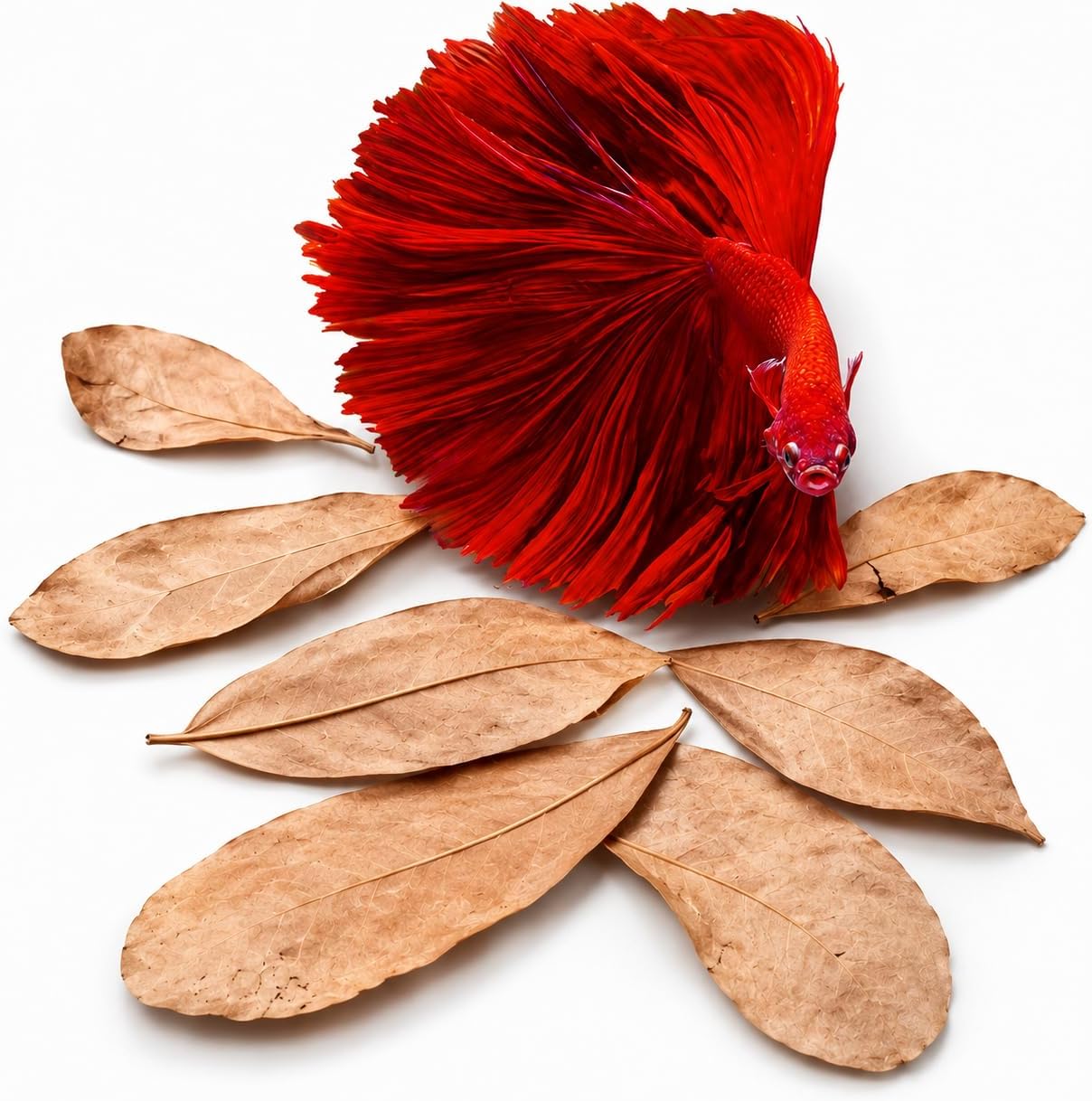
How Do You Tell If a Betta Fish Is Healthy

Knowing how to tell if a betta fish is healthy is essential for every fish owner. A healthy betta fish shows bright colors, active swimming, and a good appetite. By watching your fish daily and checking water conditions, you can catch problems early and keep your betta living a long, happy life.
Have you ever stared at your betta fish and wondered if everything was okay? Maybe your fish seemed a little less colorful today, or it wasn’t eating like it usually does. These small moments can make any fish owner worry. Telling if a betta fish is healthy is easier than most people think, and it starts with knowing what to look for.
A healthy betta fish is a joy to watch. Its fins flow gracefully, its colors shine bright, and it moves around the tank with purpose. But when something looks off, it can be hard to know if it is just a bad day or a real problem. This guide will walk you through every sign of a healthy betta fish, from body appearance to behavior to tank conditions. You will learn exactly what to watch for and how to keep your fish in top shape.
Key Takeaways
- Vibrant colors and clear fins are the first signs of a healthy betta fish.
- Active swimming and curiosity show your betta is feeling good and engaged.
- Regular eating habits are a strong indicator of overall betta fish health.
- Clean water and proper temperature play a huge role in keeping your betta well.
- Watching for warning signs like lethargy or faded colors helps you act fast.
- Routine care and observation prevent most common betta fish problems.
- A healthy betta can live 3 to 5 years with the right environment and attention.
📑 Table of Contents
What Does a Healthy Betta Fish Look Like?
The easiest way to check on your betta is by looking at it. A healthy betta fish has clear, obvious signs that tell you everything is going well. These visual cues are your first line of defense in catching problems early.
Bright and Vibrant Colors
A healthy betta fish displays rich, vivid colors. Whether your betta is blue, red, green, or a mix of colors, the hues should look strong and alive. Faded or dull coloring often means something is wrong. Stress, poor water quality, or illness can all cause a betta to lose its brightness. If you notice your fish looking pale, it is time to investigate further.
Smooth and Intact Fins
Check your betta’s fins carefully. Healthy fins should be smooth, fully spread, and free from tears or holes. Clamped fins, where the fish holds its fins close to its body, are a sign of stress or discomfort. Torn or ragged fins can also point to fin rot, which is a common bacterial infection. If you see any damage, check the water quality right away and consider a betta fish care routine adjustment.
Clear Eyes and Skin
A healthy betta has bright, clear eyes with no cloudiness or swelling. The skin should be smooth and free from white spots, fuzz, or redness. Any unusual growths or discoloration on the body could signal an infection or parasite. Regular visual checks help you spot these issues before they get serious.
How Does a Healthy Betta Behave?
Appearance tells you a lot, but behavior is just as important. A healthy betta fish is active, curious, and responsive. Watching how your fish moves and reacts gives you real insight into its overall wellness.
Active Swimming Patterns
A healthy betta swims around the tank with energy and purpose. It explores its environment, checks out decorations, and moves gracefully through the water. If your betta is floating listlessly or staying at the bottom of the tank all the time, that is a red flag. Lethargy is one of the most common signs that something is wrong.
Curiosity and Exploration
Betta fish are naturally curious creatures. A healthy betta will investigate new objects in the tank, follow your finger, or react when you approach the glass. This kind of engagement shows your fish feels safe and comfortable. If your betta stops responding or hiding all the time, it may be feeling stressed or unwell.
Breathing Rate
Watch how often your betta opens its mouth to breathe. A healthy betta takes slow, steady breaths. Rapid breathing at the surface can indicate low oxygen levels, high ammonia, or another water quality problem. If you notice fast or labored breathing, test your water parameters immediately.
What Should You Check in the Tank?
Your betta fish lives in its environment, so the tank conditions directly affect its health. Keeping the right setup is one of the best ways to ensure your betta stays healthy for years.
Water Temperature
Betta fish are tropical and need warm water. The ideal temperature range is between 76 and 82 degrees Fahrenheit. If the water is too cold, your betta becomes sluggish and more prone to illness. If it is too hot, the oxygen levels drop and your fish becomes stressed. A small aquarium heater with a thermostat helps maintain a stable temperature.
Water Quality and Parameters
Clean water is the foundation of betta fish health. You should test for ammonia, nitrite, and nitrate levels regularly. Ammonia and nitrite should always be at zero, while nitrates should stay below 20 parts per million. Water changes of 25 to 30 percent every week help keep these levels in check. Never skip water changes, as buildup of harmful chemicals is one of the top causes of betta fish illness.
Tank Size and Setup
A common mistake is keeping a betta in too small a container. While bettas can survive in small bowls, they thrive in tanks of at least 5 gallons. A larger tank gives your fish room to swim and helps stabilize water parameters. Add plants, hiding spots, and gentle filtration to create a comfortable habitat. If you are just getting started, check out what you need for a betta fish tank to make sure you have everything set up properly.
How Does Diet Affect Betta Fish Health?
What you feed your betta matters just as much as the water it lives in. A proper diet keeps your fish strong, colorful, and full of energy. An improper diet leads to weakness, bloating, and a weakened immune system.
What to Feed Your Betta
Betta fish are carnivores. They need protein-rich foods like high-quality betta pellets, frozen bloodworms, brine shrimp, and daphnia. These foods mimic what bettas eat in the wild and provide the nutrients they need. Avoid feeding your betta tropical flakes meant for other fish, as they lack the protein bettas require.
How Often and How Much
Feeding your betta the right amount is just as important as feeding the right food. Overfeeding is one of the most common mistakes new fish owners make. A good rule is to feed your betta 2 to 3 pellets twice a day. You can also offer a small portion of frozen or live food once or twice a week as a treat. If your betta leaves food uneaten, remove it from the tank within a few minutes to keep the water clean.
Signs of a Good Appetite
A healthy betta fish gets excited at feeding time. It should swim to the top of the tank and eat eagerly. A loss of appetite is one of the earliest signs that your betta is not feeling well. If your fish refuses food for more than two days, it is time to check for other symptoms and test the water.
What Are the Warning Signs of an Unhealthy Betta?
Even with the best care, betta fish can get sick. Knowing the warning signs helps you act quickly and give your fish the best chance of recovery.
Lethargy and Hiding
If your betta spends most of its time hiding or lying at the bottom of the tank, something is wrong. While bettas do rest, they should still be responsive and active during their waking hours. Persistent lethargy can point to illness, poor water conditions, or stress.
Loss of Color
A betta that is losing its color is often under stress or fighting an infection. Faded colors can also be a sign of old age, but in younger fish, it usually means something needs attention. Check your water parameters and look for other symptoms like clamped fins or loss of appetite.
White Spots, Patches, or Unusual Growth
White spots on the body or fins often indicate ich, a common parasitic infection. White fuzzy patches suggest a fungal infection. Any unusual growths or sores should be treated promptly. If you notice these signs, research treatment options or consult a fish health guide for next steps. You can also learn more about how to tell if your betta fish is sick to better understand what might be happening.
Swimming Erratically
A healthy betta swims smoothly and steadily. If your fish is swimming sideways, rubbing against objects, or darting around the tank, it could be dealing with a swim bladder issue, parasites, or poor water quality. These abnormal swimming patterns should never be ignored.
How Can You Keep Your Betta Healthy Long Term?
Prevention is always better than cure when it comes to betta fish health. A few simple habits can go a long way in keeping your fish happy and thriving for years.
Stick to a Routine
Consistency is key. Feed your betta at the same times each day. Perform regular water changes. Test your water parameters weekly. A predictable routine helps reduce stress for your fish and makes it easier to spot when something changes.
Observe Your Fish Daily
Take a few minutes each day to watch your betta. Look at its colors, its movement, and its eating habits. The more familiar you are with your fish’s normal behavior, the easier it will be to notice when something is off. This daily habit is the single most effective way to catch health problems early.
Keep the Tank Clean
A clean tank is a healthy tank. Remove uneaten food, vacuum the substrate during water changes, and make sure your filter is working properly. Avoid overcleaning, though, as you want to preserve beneficial bacteria that help break down waste. If you are unsure about your cleaning schedule, check out how often you need to clean a betta fish bowl for guidance.
Provide Mental Stimulation
Betta fish are smarter than people give them credit for. Add plants, caves, and other decorations to give your betta things to explore. You can even try gently teaching your betta to follow your finger or eat from your hand. A stimulated betta is a happier and healthier betta.
Know When to Seek Help
Sometimes home care is not enough. If your betta shows severe symptoms like open sores, bloating that does not go away, or difficulty breathing, it may need targeted treatment. Look into how to cure a sick betta fish for treatment options, and consider consulting a veterinarian who specializes in fish if the condition worsens.
How Long Can a Healthy Betta Fish Live?
One of the most rewarding parts of betta fish ownership is watching your fish thrive over time. With proper care, a healthy betta can live between 3 and 5 years, and some even reach 6 or 7 years in exceptional cases. The betta fish life span depends heavily on the environment you provide. A well-maintained tank, a balanced diet, and regular observation all contribute to a longer, healthier life for your fish.
Understanding what affects longevity helps you make better decisions every day. Factors like stress, poor nutrition, and aggressive tank mates can shorten your betta’s life significantly. On the other hand, a calm, clean, and well-set-up tank gives your betta the best chance of living a full life. If you want to learn more about maximizing your betta’s lifespan, explore how long betta fish live in a tank and related resources on proper habitat setup.
Remember, every betta is different. Some are naturally more active, while others are more relaxed. The key is to know your individual fish and respond to its unique needs. By staying attentive and proactive, you build a strong bond with your betta and create the conditions for a long and healthy life together.
Keeping your betta fish healthy is not complicated, but it does require attention and consistency. Watch for bright colors, active behavior, and a good appetite. Maintain clean water and proper temperatures. Feed a balanced diet and observe your fish every day. These simple steps form the foundation of excellent betta care. If you ever notice something that does not look right, trust your instincts and investigate early. Your awareness is the greatest tool you have in keeping your betta happy and healthy for years to come.
Frequently Asked Questions
How can you tell if a betta fish is healthy?
A healthy betta fish has bright colors, smooth fins, clear eyes, and active swimming behavior. It eats well and responds to its environment. Regular observation of these signs helps you confirm that your betta is in good shape and catch any problems early.
What are the first signs that a betta fish is sick?
The first signs of a sick betta include loss of color, clamped fins, lethargy, loss of appetite, and rapid breathing. If you notice any of these symptoms, test your water quality immediately and look for additional signs of illness or stress.
How often should I check my betta fish for health issues?
You should observe your betta fish daily. A quick visual check during feeding time helps you spot changes in behavior, appetite, or appearance. A more thorough health check, including water parameter testing, should be done weekly.
Can a betta fish recover from being sick?
Yes, many betta fish recover fully from common illnesses when treated early. Fin rot, ich, and mild infections often respond well to proper treatment and improved water conditions. The sooner you identify and address the problem, the better the chances of recovery.
Does tank size affect betta fish health?
Absolutely. A tank that is too small leads to unstable water parameters and stress. A minimum of 5 gallons is recommended for a single betta. Larger tanks are even better because they provide more swimming space and help maintain consistent water quality.
What should I do if my betta fish stops eating?
If your betta skips one meal, do not panic. Bettas can safely go a day or two without food. If your fish refuses food for more than two days, check the water temperature and quality, look for signs of illness, and consider offering a different type of food to spark its appetite.
=== CONCLUSION ===
Telling if a betta fish is healthy comes down to observation and care. By paying attention to your fish’s colors, behavior, appetite, and tank conditions, you can catch problems before they become serious. A healthy betta fish is active, colorful, and eager to eat. Keep its water clean, its temperature stable, and its diet balanced, and your fish will reward you with years of companionship. Trust your instincts, stay consistent with your routine, and remember that a little daily attention goes a long way in keeping your betta fish thriving.