How Do You Make a Jelly Fish Sting Fill Better

A jellyfish sting can hurt a lot, but you can make it feel better with the right steps. Rinsing with salt water, removing tentacles carefully, and using hot water soaks are the top ways to reduce pain and swelling. This guide covers simple, safe methods to treat a jellyfish sting at home and when to see a doctor.
Have you ever been stung by a jellyfish at the beach? That sharp, burning pain can ruin an otherwise perfect day in the sun. Many people panic and try random fixes, but most of those so-called remedies do more harm than good.
The good news is that making a jellyfish sting feel better is simpler than you think. You just need the right steps and a calm approach. This guide walks you through everything from immediate first aid to long-term relief.
Whether you got stung yesterday or you want to be prepared for next time, this article has you covered. Let us dive into the best ways to treat a jellyfish sting and get back to enjoying the water.
## What Happens When a Jellyfish Stings You
Understanding how a jellyfish sting works helps you treat it better. Jellyfish have tiny stingers called nematocysts on their tentacles. When these stingers touch your skin, they fire like tiny harpoons.
### The Venom Reaction
The venom causes an immediate burning sensation. You may also notice redness, swelling, and itching. In some cases, the skin leaves a whip-like mark.
Most jellyfish stings are painful but not dangerous. However, certain species like the box jellyfish can cause life-threatening reactions. Knowing the severity helps you decide the right treatment path.
### Common Symptoms to Watch For
– Sharp burning or stinging pain at the site
– Red, raised welts on the skin
– Itching that gets worse over time
– Swelling around the affected area
– In severe cases: difficulty breathing, nausea, or muscle cramps
If you notice any severe symptoms, seek medical help right away. Do not wait and hope it gets better on its own.
## How to Make a Jellyfish Sting Feel Better Right Away
The first few minutes after a sting matter a lot. Acting quickly can reduce pain and prevent more venom from releasing. Here is exactly what to do step by step.
### Step 1: Get Out of the Water Safely
Move to dry land or a safe spot as calmly as you can. Do not panic. Panicking can speed your heart rate and spread venom faster through your body.
### Step 2: Rinse With Salt Water
Use ocean water or sterile saline to rinse the sting area. Never use fresh water. Fresh water causes the nematocysts to fire again, releasing more venom. This is one of the most important rules to remember.
### Step 3: Remove the Tentacles
Use tweezers or the edge of a credit card to gently lift off any tentacles. Wear gloves if you can. Do not touch the tentacles with bare hands. You do not want to get stung on your hands too.
### Step 4: Apply a Hot Water Soak
Heat breaks down jellyfish venom effectively. Soak the sting area in hot water (around 110 to 113 degrees Fahrenheit) for 20 to 45 minutes. The heat should be tolerable but not scalding.
This method works surprisingly well. Many people report significant pain relief after just one soak.
## What NOT to Do: Common Myths and Mistakes
There is a lot of bad advice floating around about jellyfish stings. Some old remedies can actually make things worse. Let us clear up the confusion.
### Myth 1: Pee on the Sting
This is one of the most popular myths. Urine can change the pH on your skin and trigger more nematocysts to fire. It does not help and can make the sting worse.
### Myth 2: Apply Ice or Cold Packs
Cold temperatures do not neutralize jellyfish venom. In fact, they can slow your healing and increase pain in some cases. Stick with warm water instead.
### Myth 3: Rub the Area With a Towel
Rubbing the sting can activate more stingers still embedded in your skin. Always pat gently or leave the area alone after rinsing.
### Myth 4: Use Vinegar on All Stings
Vinegar works on some species like box jellyfish, but it can make other stings worse. Unless you know exactly what stung you, plain salt water is the safest first rinse.
### Myth 5: Apply Bleach or Alcohol
These harsh chemicals can damage your skin and worsen the reaction. Keep your sting treatment simple and gentle.
## Natural Remedies to Soothe the Pain
After you complete the initial first aid steps, you can use a few natural remedies to ease discomfort as the sting heals.
### Aloe Vera Gel
Aloe vera has natural anti-inflammatory properties. It cools the skin and reduces redness. Apply a thin layer of pure aloe vera gel to the sting area two to three times a day.
### Baking Soda Paste
Mix baking soda with a little water to form a paste. Apply it to the sting for 10 minutes. This can help reduce itching and soothe the skin.
### Honey
Raw honey has antibacterial and healing properties. A small dab on the sting can promote faster healing and reduce inflammation.
### Over-the-Counter Relief
If natural remedies are not enough, you can try:
– Antihistamine creams for itching
– Hydrocortisone cream for swelling
– Ibuprofen for pain and inflammation
– Antiseptic spray to prevent infection
Always follow the product instructions and talk to a pharmacist if you are unsure which option is right for you.
## When to See a Doctor
Most jellyfish stings heal on their own within a few days. But some situations require professional medical care. Do not ignore warning signs.
### Signs You Need Medical Help
– Stings covering a large area of your body
– Difficulty breathing or chest tightness
– Nausea, vomiting, or dizziness
– Swelling that spreads far from the sting site
– Sting from a known dangerous species
– Symptoms that worsen after 24 hours
Emergency rooms can provide antivenom and stronger treatments when needed. It is always better to be safe than sorry.
## Preventing Jellyfish Stings in the Future
Nobody wants to get stung twice. Prevention is the best medicine, and a few simple habits can lower your risk significantly.
### Wear Protective Footwear
Water shoes or reef shoes protect your feet when you wade into the ocean. Jellyfish often float near the shore and can step on you without seeing them.
### Check Beach Warning Signs
Lifeguards post warnings when jellyfish are active in an area. Always read and follow these signs before entering the water.
### Avoid Touching Dead Jellyfish
Even dead jellyfish can still sting. Their nematocysts remain active for a long time after death. Never pick up a jellyfish on the beach, even if it looks harmless.
### Swim During Low Jellyfish Activity
Jellyfish blooms often happen during certain seasons or after storms. Check local reports before planning a beach trip.
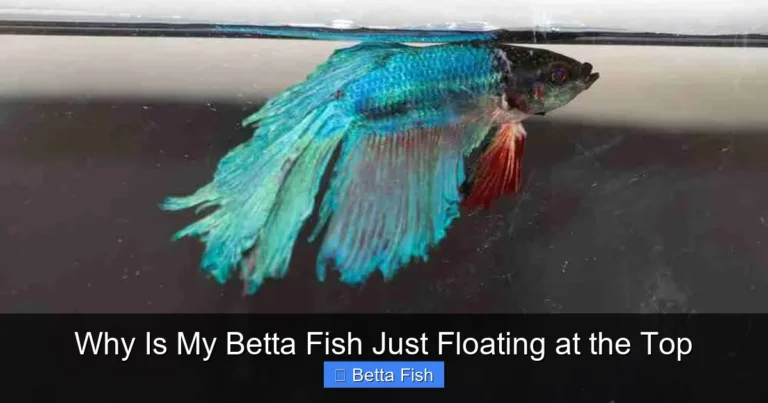
## Caring for Aquatic Pets: Keeping Your Betta Fish Safe
While jellyfish stings affect humans, your aquarium pets face their own set of hazards. If you keep betta fish, proper care helps them stay healthy and safe from environmental threats.
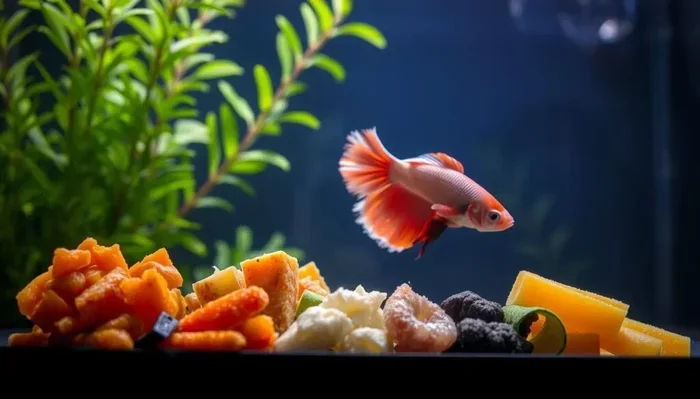
Regular water changes, a clean tank, and a balanced diet go a long way in preventing illness. Sometimes fish show signs of distress that look like they are suffering. Learning to recognize these signs early can save your fish’s life.
If your betta fish shows unusual behavior, you might want to check if it is sick. Our guide on how to cure a sick betta fish covers practical treatment steps you can take at home.
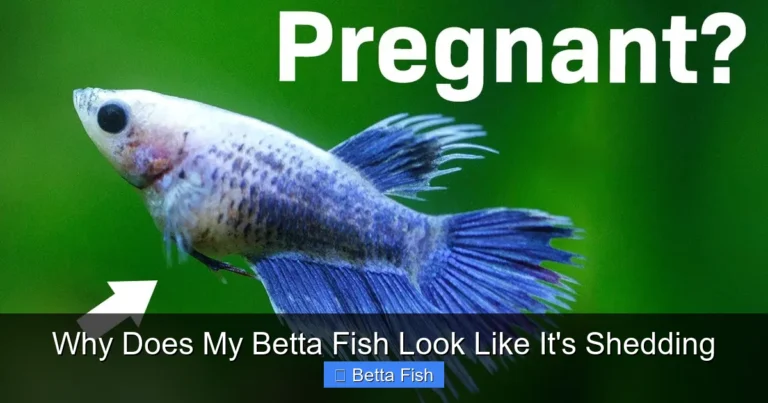
Also, knowing the difference between a stressed fish and one that is dying is important. Visit our article on how to tell if a betta fish is dying to learn the warning signs and what you can do.
Taking care of aquatic life means staying informed and acting quickly when problems arise. The same attention to detail that helps you treat a jellyfish sting applies to keeping your fish tank environment safe and healthy.
## Quick Tips for Jellyfish Sting Relief
Here is a fast recap of the best tips to remember:
1. Rinse with salt water, not fresh water
2. Remove tentacles with tweezers or a card edge
3. Soak the area in hot water for 20 to 45 minutes
4. Apply aloe vera or baking soda for soothing relief
5. Avoid urine, ice, vinegar, and alcohol on the sting
6. Seek medical help for severe or worsening symptoms
7. Wear water shoes and check beach warnings to prevent future stings
## Conclusion
A jellyfish sting is painful, but it does not have to ruin your day. With the right first aid steps, you can make the sting feel much better quickly. Salt water rinses, hot water soaks, and gentle tentacle removal are your best tools.
Avoid common myths and stick to proven methods. And if the sting is severe, do not hesitate to get medical help. Prevention through protective gear and beach awareness is always the smartest approach.
Whether you are at the beach or caring for pets at home, staying informed keeps you and your loved ones safe. Share these tips with friends and family so everyone knows how to handle a jellyfish sting the right way.
Key Takeaways
- Rinse with salt water first: Never use fresh water, as it can trigger more stinging cells.
- Remove tentacles gently: Use tweezers or the edge of a card to avoid spreading venom.
- Hot water soaks work wonders: Heat breaks down jellyfish venom and reduces pain fast.
- Avoid common myths: Urine, ice, and rubbing alcohol can make stings worse.
- Know when to seek help: Severe reactions need immediate medical attention.
- Prevention is key: Wearing protective footwear and heeding beach warnings reduces sting risk.
- Care for your aquatic pets too: If you keep fish like bettas, proper tank care helps them stay healthy and sting-free from other hazards.
Frequently Asked Questions
How long does a jellyfish sting take to heal?
Most jellyfish stings heal within a few days to a week. Mild stings may feel better after just a day or two. Severe stings or allergic reactions can take longer and may need medical treatment.
Can you die from a jellyfish sting?
Most jellyfish stings are not deadly. However, stings from species like the box jellyfish can be fatal. If you experience difficulty breathing, chest pain, or severe swelling, call emergency services immediately.
Is hot water really effective for jellyfish stings?
Yes, hot water is one of the most effective treatments. Heat breaks down the proteins in jellyfish venom and provides significant pain relief. Aim for water around 110 to 113 degrees Fahrenheit for best results.
What should you not put on a jellyfish sting?
Do not apply urine, ice, rubbing alcohol, bleach, or vinegar unless you know the species. These substances can activate more stingers or irritate the skin further. Stick to salt water and warm water soaks.
Can a jellyfish sting happen through a wetsuit?
Yes, it is possible. Thin wetsuits may not fully block nematocysts. If you get stung through a wetsuit, rinse the area with salt water and remove any tentacles carefully. Treat the sting the same way you would any other jellyfish sting.
Do jellyfish stings leave scars?
Most jellyfish stings do not leave permanent scars. The whip-like marks usually fade within a few weeks. Picking at the skin or getting an infection can increase scarring risk, so keep the area clean and moisturized.