Do Betta Fish Eat Amano Shrimp Learn the Truth Today

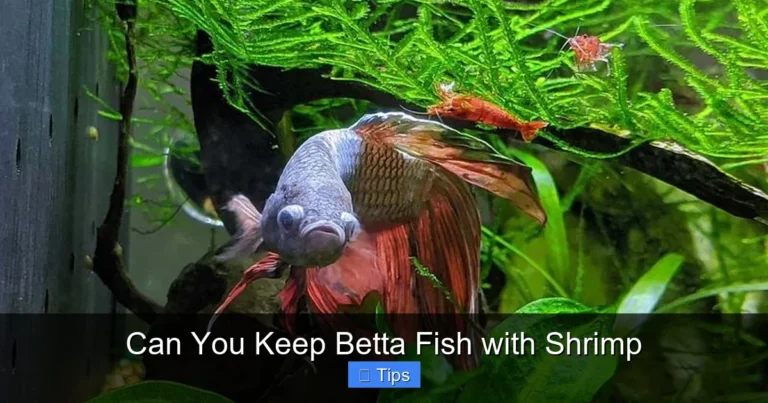
Do betta fish eat amano shrimp? The short answer is yes, they can — but it depends on your betta’s temperament and the shrimp’s size. Amano shrimp are peaceful bottom-dwellers that often become targets for aggressive bettas. Understanding betta behavior and shrimp compatibility is key to keeping both species safe in your aquarium.
Key Takeaways
- Bettas may hunt amano shrimp: Betta fish are natural predators and may see amano shrimp as food, especially in smaller tanks.
- Temperament matters most: Some bettas are peaceful, while others are highly aggressive toward tank mates like shrimp.
- Amano shrimp are resilient: They are hardy creatures that can often survive with careful tank setup and plenty of hiding spots.
- Tank size and layout are critical: A large tank with plants and decorations gives shrimp a better chance of survival.
- Not all shrimp species are equal: Ghost shrimp and cherry shrimp may fare differently than amano shrimp when housed with bettas.
- Feeding habits play a role: A well-fed betta is less likely to hunt shrimp constantly.
- Monitoring is essential: Regular observation helps you catch aggression early and adjust your setup accordingly.
📑 Table of Contents
- Do Betta Fish Eat Amano Shrimp? Here’s What You Need to Know
- Understanding Betta Fish Behavior
- What Are Amano Shrimp?
- Will a Betta Actually Eat Amano Shrimp?
- How to Keep Amano Shrimp Safe with a Betta
- Common Mistakes When Keeping Bettas and Amano Shrimp Together
- Expert Insights on Betta and Shrimp Compatibility
- Quick Tips for Success
- Key Signs Your Betta Is Threatening Shrimp
- Conclusion
Do Betta Fish Eat Amano Shrimp? Here’s What You Need to Know
If you are a betta fish owner thinking about adding amano shrimp to your aquarium, you probably have one big question on your mind: will your betta see them as a snack or a roommate? The truth is, do betta fish eat amano shrimp is not a simple yes or no answer. It depends on several factors, including your betta’s personality, the tank setup, and even the size of the shrimp.
Amano shrimp (Caridina multidentata) are popular among aquarium hobbyists. They are known for their algae-eating abilities and peaceful nature. But here is the catch — bettas are curious hunters by nature. They love to stalk, chase, and sometimes eat smaller creatures in their tank. So, keeping amano shrimp with a betta can be a bit risky. But with the right approach, many fish keepers successfully house these two species together.
In this article, we will break down everything you need to know. We will cover betta behavior, shrimp survival strategies, tank requirements, and practical tips to protect your shrimp. Whether you are a beginner or a seasoned hobbyist, this guide has you covered.
Understanding Betta Fish Behavior
Before you add any tank mates to your betta’s aquarium, you need to understand how bettas behave. Betta fish (also called Siamese fighting fish) are famous for their vibrant colors and flowing fins. But beneath that beauty lies a fierce predator.
Are Bettas Natural Hunters?
Yes, absolutely. In the wild, bettas hunt insects, larvae, and small crustaceans near the water’s surface and along the bottom. They are ambush predators. They wait patiently, then strike fast when prey comes close. This hunting instinct does not disappear just because they live in a glass tank.
When a betta sees something moving in the water, its predator brain kicks in. Amano shrimp are bottom-dwellers that constantly scavenge for food. Their quick, scuttling movements can easily trigger a betta’s chase response. This is why many aquarists worry about do betta fish eat amano shrimp — because the answer often leans toward yes.
Betta Temperament Varies Widely
Not all bettas are the same. Some are calm and ignore their tank mates completely. Others are territorial and aggressive toward anything that moves. A few key factors influence a betta’s temperament:
- Individual personality: Some bettas are naturally docile. Others are born bullies.
- Age: Younger bettas tend to be more energetic and curious. Older bettas may be lazier and less interested in hunting.
- Hunger level: A hungry betta is a hungry hunter. If you feed your betta well, it may lose interest in chasing shrimp.
- Past experiences: Bettas that grew up with shrimp or other small invertebrates may be more tolerant.
Because of this variation, you cannot guarantee your betta will leave amano shrimp alone. But you can take steps to improve the odds.
How Betta Aggression Affects Shrimp
If your betta shows signs of aggression — flaring, chasing, or nipping — your shrimp are in danger. Even if the betta does not directly eat the shrimp, constant chasing causes stress. Stressed shrimp may stop eating, stop swimming, and eventually die. For more on how aggressive bettas can be toward other creatures, check out our article on do betta fish kill shrimp.
What Are Amano Shrimp?
Amano shrimp are one of the most popular shrimp species in the aquarium hobby. They originate from Japan and are prized for their ability to eat large amounts of algae. Let us look at what makes them unique — and vulnerable.
Physical Characteristics
Amano shrimp are translucent grayish-brown with small dots along their shells. They can grow up to 2 inches (5 cm) long. They are larger than ghost shrimp and cherry shrimp, which sometimes helps them survive encounters with bettas. However, size alone does not guarantee safety.
Behavior and Habits
Amano shrimp are peaceful bottom-dwellers. They spend most of their time scavenging for food, grazing on algae, and exploring the substrate. They are not aggressive and do not bother other fish. Unfortunately, their calm and slow-moving nature makes them easy targets for predatory fish like bettas.
These aquatic pets are also molting creatures. When a shrimp molts, it becomes soft and vulnerable. A betta can easily attack a molting shrimp that cannot escape quickly. This is an important risk factor to keep in mind.
Will a Betta Actually Eat Amano Shrimp?
This is the million-dollar question. The honest answer is: it depends. Some bettas will eat amano shrimp without hesitation. Others will chase them but never actually eat them. And some bettas completely ignore shrimp altogether.
When Bettas Eat Amano Shrimp
There are several situations where your betta is very likely to eat amano shrimp:
- Small tank: In a cramped tank, shrimp have nowhere to hide. The betta can corner them easily.
- Underfed betta: If your betta is not getting enough food, it will hunt for live prey.
- New shrimp: When you first introduce shrimp, the betta may see them as intruders and attack aggressively.
- No hiding spots: Tanks without plants, caves, or decorations leave shrimp exposed.
- Small or juvenile shrimp: Smaller shrimp are easier prey. Young shrimp that have not fully grown are at higher risk.
When Bettas Leave Shrimp Alone
On the flip side, some situations make shrimp survival much more likely:
- Large, well-planted tank: Plenty of plants give shrimp escape routes and hiding places.
- Well-fed betta: A betta that gets high-quality food daily has less motivation to hunt.
- Older or lazy bettas: Some older bettas simply do not have the energy to chase shrimp.
- Shrimp are established first: If shrimp are already living in the tank and the betta is added later, the betta may accept them as part of the environment.
Comparing Shrimp Species and Betta Compatibility
Not all shrimp are equally at risk. Here is a quick comparison of common shrimp species and how they fare with bettas:
| Shrimp Species | Size | Betta Compatibility | Risk Level |
|---|---|---|---|
| Amano Shrimp | Up to 2 inches | Moderate | Medium |
| Ghost Shrimp | Up to 1.5 inches | Low | High |
| Red Cherry Shrimp | Up to 1 inch | Low | Very High |
| Crystal Shrimp | Up to 1 inch | Very Low | Very High |
As you can see, amano shrimp have a moderate compatibility rating. They are bigger and hardier than cherry or crystal shrimp, giving them a better chance. Ghost shrimp, while fairly tough, are still frequently eaten by bettas. For more on this topic, you can read about do betta fish eat ghost shrimp and do betta fish eat red cherry shrimp for additional comparisons.
How to Keep Amano Shrimp Safe with a Betta
If you are determined to keep both bettas and amano shrimp in the same aquarium, there are proven strategies that work. The goal is to reduce the betta’s ability to hunt while giving the shrimp every advantage.
Choose the Right Tank Size
A bigger tank makes a huge difference. A 20-gallon tank gives shrimp plenty of space to escape. In a 5-gallon tank, the betta controls every corner, and shrimp have almost no chance. Aim for at least 10 gallons if you plan to house both species together.
Add Plenty of Hiding Spots
Plants, rocks, driftwood, and caves are your best friends. Dense plant cover like java moss, anubias, or hornwort gives shrimp safe zones. The betta cannot chase them into every corner. You can also add shrimp-specific shelters like ceramic tubes or driftwood caves.
Feed Your Betta Well
A full betta is a lazy betta. Make sure you are feeding your betta a high-quality diet with live food, pellets, and frozen foods. When their nutritional needs are met, they are far less likely to hunt. You can also feed shrimp at different times and locations to reduce competition.
Introduce Shrimp First
If possible, add the amano shrimp to the tank before the betta. This lets the shrimp establish hiding spots and feel secure. When the betta is introduced later, it is more likely to view the shrimp as part of the existing environment rather as prey.
Monitor Their Interactions
Watch your tank closely during the first few days and weeks. If the betta constantly chases the shrimp, you may need to separate them. Persistent stress is harmful to both animals. Early intervention is key.
Use a Breeder Box
A breeder box or shrimp shelter placed inside the tank allows shrimp to retreat into a protected area. The betta cannot follow. This is especially useful for baby shrimp that are too small to fend for themselves. For more on this, read our guide on do betta fish eat baby shrimp.
Common Mistakes When Keeping Bettas and Amano Shrimp Together
Even experienced hobbyists can make mistakes. Here are some common pitfalls to avoid:
Putting Shrimp in a Tiny Tank
A small tank is the number one reason shrimp fail to survive with bettas. There is simply not enough space for both species to coexist peacefully. Always go bigger than you think you need.
Ignoring the Betta’s Hunger
An underfed betta will always hunt. Do not skip feedings or underfeed your betta thinking it will make them less aggressive. It does the opposite — it makes them hungrier and more likely to chase shrimp.
Overcrowding the Tank
Too many fish or shrimp creates stress for everyone. Overcrowded tanks lead to poor water quality, which weakens both bettas and shrimp. Keep stocking levels appropriate for your tank size.
Ignoring Molting Shrimp
As mentioned, molting shrimp are soft and defenseless. If your tank has multiple shrimp, they may molt at different times. Keep water parameters stable to help shrimp molt successfully and reduce vulnerability.
Assuming All Bettas Are the Same
Every betta is an individual. What worked for one betta may not work for another. Always observe your specific fish and adjust your approach based on its behavior. Some bettas simply cannot live with any tank mates, and that is okay.
Neglecting Water Quality
Shrimp are far more sensitive to water parameters than bettas. Ammonia, nitrites, and nitrates should be at safe levels. Perform regular water changes and test your water frequently. Healthy shrimp are stronger and better equipped to handle the stress of living near a betta.
Expert Insights on Betta and Shrimp Compatibility
Many experienced aquarists have shared their thoughts on this topic. The general consensus is clear: do betta fish eat amano shrimp is a real possibility, but success is achievable with proper planning.
One popular aquarist and author notes, “The key to keeping shrimp with bettas is creating a tank environment where shrimp can thrive even if the betta does hunt occasionally. Dense planting and multiple hiding spots make all the difference.”
Another expert emphasizes the importance of observation: “Watch your fish for the first two weeks closely. You will quickly learn your betta’s personality. If it ignores the shrimp completely, you are in great shape. If it stalks them constantly, you need to intervene.”
The takeaway is simple — there is no guaranteed outcome, but preparation and vigilance greatly improve your chances.
Quick Tips for Success
- Tip 1: Always quarantine new shrimp before adding them to the main tank. This prevents disease transmission and gives you time to observe their health.
- Tip 2: Use a sponge filter instead of a HOB filter. Shrimp can be sucked into powerful filters and killed.
- Tip 3: Feed your betta at the surface while dropping shrimp food near the bottom. This creates separate feeding zones.
- Tip 4: Add calcium supplements for your shrimp. Strong shells help them survive attacks and molting.
- Tip 5: Keep the tank well-planted with live plants. Real plants provide better cover and improve water quality.
Key Signs Your Betta Is Threatening Shrimp
Not sure if your betta is a threat? Watch for these warning signs:
- Constant chasing: The betta follows the shrimp around the tank nonstop.
- Flaring: The betta spreads its gills and flares at the shrimp when you walk by.
- Ambush behavior: The betta hides near shrimp hiding spots and waits for them to come out.
- Nipping: The betta bites at the shrimp’s antennae or legs.
- Refusing food near shrimp: The betta ignores its regular food because it is focused on hunting shrimp.
If you notice any of these behaviors consistently, it is best to separate the shrimp into a different tank. Stress kills shrimp faster than predation does.
Conclusion
Do betta fish eat amano shrimp? The honest answer is that it is a real possibility, but it is not inevitable. Bettas are natural hunters with strong instincts, and amano shrimp are slow-moving bottom-dwellers that can easily become targets. However, with the right tank setup, proper feeding, careful introduction, and ongoing monitoring, many hobbyists successfully keep both species together.
Your success depends on understanding your betta’s personality, providing ample hiding places, and never neglecting water quality or nutrition. Smaller tanks and underfed bettas make shrimp survival much harder. Larger, well-planted tanks with plenty of cover give your amano shrimp the best chance at a long and healthy life.
Remember, every betta is different. What matters most is how your specific fish responds to its environment. Stay patient, stay observant, and be ready to adjust your approach. With the right strategy, you can enjoy a beautiful community tank with both bettas and amano shrimp thriving side by side.
Frequently Asked Questions
Will a betta fish definitely eat amano shrimp?
Not necessarily. Some bettas ignore shrimp completely, while others may hunt them. It depends on the individual betta’s temperament, tank size, and how well the betta is fed. There is no guarantee either way.
What size tank is best for keeping bettas and amano shrimp together?
A tank of at least 10 gallons is recommended. Larger tanks give shrimp more space to hide and reduce the betta’s ability to control every area. A 20-gallon tank is even better for long-term success.
Can amano shrimp survive a betta attack?
Adult amano shrimp are relatively hardy and may survive brief chases thanks to their hard shell and quick movements. However, repeated attacks or stress can weaken them over time. Baby shrimp are far more vulnerable.
How can I protect my amano shrimp from my betta?
Add dense plants, caves, and hiding spots throughout the tank. Feed your betta a nutritious diet to reduce hunting behavior. Introduce shrimp before the betta when possible. Monitor their interactions closely during the first few weeks.
Are amano shrimp the best shrimp choice for betta tanks?
Amano shrimp are among the better choices because they are larger and more resilient than cherry or crystal shrimp. However, ghost shrimp and whisker shrimp are also sometimes used. Each species has different compatibility levels with bettas.
Should I separate my shrimp if my betta keeps chasing them?
Yes. If chasing happens frequently and the shrimp cannot find shelter, it is time to separate them. Chronic stress can cause shrimp to stop eating and die. A separate shrimp-only tank or breeder box is a good solution.