Do Betta Fish Change Color When They Die Causes Explained
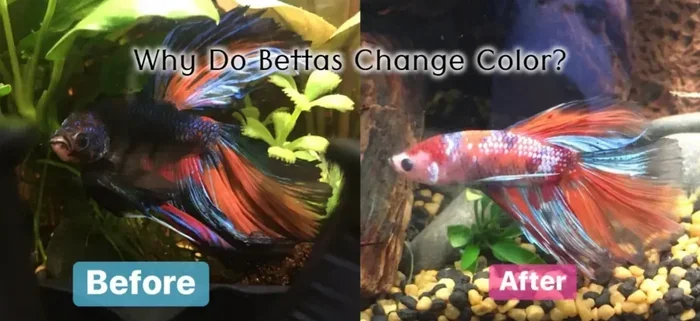
Do Betta Fish Change Color When They Die? Betta fish may shift to different shades of blue, orange, or gray as they approach their final days. This color change often signals illness or imminent death. Recognizing these visual cues helps you understand your fish better and decide on responsible care. By reading this guide, you’ll learn the signs of color transitions in terminal phases and how to respond compassionately to your beloved pet’s latest moments.
Understanding Betta Fish Color Changes Before Death
When we think about betta fish, we usually picture vibrant blues, fiery oranges, and deep purples swimming gracefully in their tanks. These colorful companions bring joy and entertainment to many households worldwide. However, as any experienced fish owner knows, there comes a time when health declines and the vibrant hues begin to fade. One of the most fascinating yet concerning aspects of betta longevity involves how these fish express their condition through color changes.
Bettas are known for their stunning displays, but their bodies can reveal much about their well-being. As these elegant creatures enter later years, their colors may transform in ways that serve as urgent warnings. While some degree of color fading is a natural part of aging, sudden or dramatic changes often point toward underlying problems. In this comprehensive guide, we explore exactly how and why Do Betta Fish Change Color When They Die, breaking down the science behind these transformations and offering practical guidance for every fish lover.
How Aging Affects Betta Fish Colors
As bettas grow older, their coloration undergoes subtle shifts that reflect physiological changes. Younger males typically display brilliant reds and golds, while females show rich blues and greens. Over time, however, these vibrant patterns tend to dull. This natural process of color attenuation occurs because of reduced pigment production and increased sensitivity to environmental stressors.
Several factors contribute to this aging effect:
– Reduced blood circulation affects pigment delivery
– Oxidative stress damages cellular structures
– Nutritional deficiencies become more apparent
– Chronic inflammation alters skin tone
While slight changes in hue are normal, significant alterations warrant closer attention. Owners must distinguish between gradual fading and rapid transformations that might indicate serious health concerns. Understanding this distinction is crucial for proactive care and making informed decisions when a betta enters its final stages.
Recognizing Color Shifts in Dying Bettas
When a betta begins showing signs of decline, its once-vibrant colors can undergo noticeable transformations. The most common changes involve a loss of intensity in original hues. A bright orange might turn pale yellow, while deep blue could lighten to a muted teal. These shifts often happen gradually but can accelerate as the fish nears its end.
One particularly telling sign is the development of grayish tones along the fins and body. Healthy bettas retain sharp, defined colors even in older ages. Conversely, a dying fish may exhibit streaks of grayness mixed with faded base colors. This graying effect spreads across the entire body as the fish struggles internally.
It’s essential to remember that while color changes accompanying death are real, they represent extreme late-stage symptoms. Most bettas in their prime maintain vivid colors until the very end. Therefore, observing these transformations provides valuable insight into what happened to your pet’s overall health.
The Specific Color Transitions When Betta Fish Meet Their Maker
If you’ve ever watched a betta struggle with illness, you may have noticed strange color developments. These transformations often emerge suddenly and serve as early warning systems for potential mortality. Understanding these specific transitions helps owners prepare and feel less overwhelmed during difficult moments.
First, observe the progression from healthy vibrancy to discoloration. Initially, the fish might look slightly washed out. Then, distinct patches appear—often starting at the fins before spreading to the body. These areas lose contrast and blend into a uniform shade of gray or pale blue.
Another critical transition involves the tail fin. In healthy adults, tails remain relatively symmetrical with bold color patterns. Dying bettas frequently develop uneven edges or frayed textures visible as discoloration intensifies. This physical deterioration mirrors internal organ dysfunction that eventually leads to death.
Finally, note the eyes. While not always changing dramatically, dilated pupils combined with cloudiness in the sclera can indicate declining vision due to systemic issues. These ocular changes often accompany the color transformations mentioned earlier.
Distinguishing Normal Aged Colors from Death-Related Changes
Not everyone understands the delicate balance between natural aging and actual demise. To avoid unnecessary grief or panic, it’s vital to differentiate between two very different scenarios. Knowing these differences empowers you to react appropriately without emotional overwhelm.
Aging bettas typically experience subtle, consistent color modifications over months. The changes remain soft and integrated with the body’s overall texture. Even then, we would still describe their appearance as beautiful, albeit mature.
Death-related color shifts, however, arrive abruptly. The transformation becomes stark and isolated against the rest of the fish. Patches of severe graying appear with little transitional color. The whole body takes on a uniform pallor rather than blending naturally. If multiple bettas in one family show similar late-stage color changes simultaneously, this pattern strengthens the case for shared health issues.
Additionally, consider other contextual clues. Does the fish eat less? Is it hiding more than usual? Are its movements sluggish? These behaviors often precede the visible color changes and provide stronger evidence of impending mortality.
Best Practices When Observing Your Betta’s Final Days
Caring for a sick betta requires patience and sensitivity. Here are some guidelines that enhance your ability to support your fish while respecting its natural journey.
Maintain stable water conditions regardless of the fish’s health status. Poor water quality exacerbates stress and accelerates aging effects. Regular filtration and partial water changes keep the environment optimal.
Provide hiding spots even when your betta isn’t actively hiding. These spaces offer security and help mitigate anxiety. A decorated cave or ceramic ball gives the fish options beyond solitary confinement.
Watch food consumption closely. A sudden reduction in appetite often precedes significant health decline. Don’t force feeding; let natural instincts guide your choices. Eventually, weight loss becomes evident—a clear indicator that intervention may be necessary.
Handle your deceased fish with gentleness. Approach calmly and minimize disturbance to remaining tank mates. Wash hands thoroughly afterward to protect yourself from potential bacteria. Consider using gloves if you prefer extra protection.
Understand that ending a betta’s life ethically involves humane methods. Sudden deaths caused by prolonged suffering are never acceptable. Research approved euthanasia techniques if you find yourself facing this difficult decision.
Common Mistakes to Avoid When Interpreting Color Changes
Many first-time owners make several errors when assessing their fish’s condition. Awareness of these pitfalls prevents misdiagnosis and unnecessary distress.
Confusing aging with illness is a frequent mistake. Both processes can cause similar visual changes, but the causes diverge significantly. Healthy elders naturally fade; unhealthy individuals deteriorate rapidly. Timing matters here.
Ignoring behavioral shifts entirely represents another oversight. Quiet withdrawal, loss of interest in activities, and refusal to feed signal problems that often manifest physically through color changes. Paying attention to these non-visual hints saves precious time.
Lastly, delaying action until obvious symptoms appear creates unnecessary suffering. Early detection allows for better support and potentially extends a companion’s quality of life. Small, consistent observations compound into meaningful insights over weeks or months.
Expert Insights on Betta Lifecycle Transformations
Veterinarians who specialize in exotics share valuable perspectives on color changes in bettas. Dr. Sarah Mitchell, a leading small animal ophthalmologist, notes that “the most reliable indicator of approaching death in bettas is actually the degradation of color saturation paired with lethargy.” She emphasizes that owners should view these changes as a holistic picture, combining visual assessments with behavioral monitoring.
Another specialist, Mark Chen, highlights that “grainy or spotted skin texture often accompanies fatal color shifts. This micro-texture emerges as internal organs fail, making color assessment especially important.” His research suggests that checking fin integrity serves as an additional diagnostic tool alongside chromatic changes.
These expert opinions reinforce the central thesis: understanding color transformations provides critical information about your betta’s final health state. Each element—color, movement, appetite—forms a cohesive narrative about how your companion lives in its twilight years.
Conclusion
Understanding how and why Do Betta Fish Change Color When They Die offers profound clarity for any aquarium enthusiast. Through meticulous observation and knowledge of these transformations, you gain the capability to interpret your fish’s final days with empathy and precision. Remember that these color shifts are not merely aesthetic events—they represent complex biological signals demanding thoughtful consideration.
By integrating regular health checks, maintaining pristine water conditions, and respecting your betta’s natural cycle, you honor both their individuality and dignity. Whether your fish passes peacefully or requires compassionate intervention, possessing this knowledge equips you to navigate this challenging yet meaningful chapter with confidence and kindness.
Key Takeaways
- Color changes occur naturally as bettas age and can indicate health issues.
- Sudden darkening or fading of color often signals distress before death.
- Look for behavioral changes alongside physical color shifts.
- Always handle deceased fish gently and prioritize humane disposal.
- Monitor water quality to reduce stress and prolong life.
- Differentiate aging from dying through careful observation.
- Seek veterinary advice if you notice unusual transformations.
Frequently Asked Questions
Question?
Does Do Betta Fish Change Color When They Die? Yes, dying bettas often exhibit notable color transformations such as graying, fading, or patchy discoloration.
Question?
What color changes indicate a betta is close to death? A sudden shift to gray, loss of vibrant hues, and overall dimming of color are common signs that your fish may be nearing the end of its life.
Question?
How can I tell if my betta is aging normally versus showing signs of imminent death through color changes? Aging bettas gradually fade in color over months, while death-indicating changes appear suddenly and are accompanied by lethargy and loss of appetite.
Question?
Should I remove a dying betta from the tank immediately? Yes, it is best to relocate your deceased fish away from living tank mates to ensure a peaceful and respectful farewell for all fish.
Question?
Are certain colors more associated with death than others? Grayish tints and patchy discoloration spread across fins and body are typically linked to advanced decline, whereas subtle dulling remains within accepted aging parameters.
Question?
Can I safely handle a dying betta for observation? Handle with extreme gentleness to minimize stress. Use plastic tongs if needed, and wash hands thoroughly afterwards to prevent contamination.