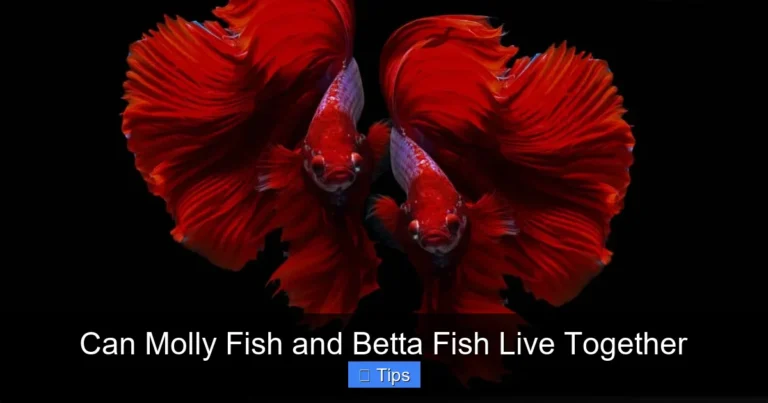
Do Betta Fish Breed Easily and What You Need to Know

If you’re wondering do betta fish breed, this guide breaks down everything you need to know. From tank setup and water conditions to courtship behavior and fry care, we cover it all so you can make informed decisions.
If you’ve ever wondered do betta fish breed in your own home aquarium, you’re probably intrigued by the idea of watching their fascinating courtship and raising tiny, colorful fry. Betta fish, also known as Siamese fighting fish, are beloved for their vibrant hues and flowing fins, but their breeding habits are often shrouded in myths. Many beginners assume that breeding bettas is a simple matter of placing a male and female together, yet the reality involves careful preparation, specific water conditions, and dedicated fry care. In this guide, we’ll walk you through the essentials of betta fish breeding, from tank setup to the moment the fry become free-swimming, helping you decide if this rewarding journey is right for you. We’ll cover everything in plain language, so you can make informed decisions without feeling overwhelmed.
Many hobbyists ask if betta fish can breed in captivity, and success depends on mimicking their natural environment. Betta fish carry strong spawning instincts that trace back to their native habitats in Southeast Asia. In the wild, these fish inhabit shallow rice paddies, slow-moving streams, and swampy margins where the water is warm and abundant with vegetation. These environments provide the ideal conditions for the betta fish breed cycle, including soft substrate, plenty of cover, and consistent warmth. When kept in captivity, understanding these natural behaviors helps you create a setup that encourages healthy spawning.
The process begins with the male building a bubble nest at the water’s surface. This nest is not just a random pile of bubbles; it’s a carefully constructed raft of saliva-coated bubbles that oxygenates the eggs and keeps them afloat. Male bettas are instinctively driven to build these nests, even if no female is present. If you notice your male betta bubbling at the surface, it’s a sign he’s ready to spawn. This behavior is a great indicator that the fish is healthy and the tank conditions are suitable.
Courtship is the next critical phase. The male will display his most intense colors, flare his fins, and perform a zigzag dance around the female. This display serves to impress the female and assess her receptiveness. If she is interested, she will darken her vertical bars and swim in sync with the male. The courtship dance can last for hours, and patience is key. Rushing this stage often leads to aggression rather than spawning. During mating, bettas can become aggressive and even kill each other when they mate, so careful monitoring is essential.
Key Takeaways
- Betta fish can breed in captivity with the right tank setup, warm water, and proper conditioning.
- Water quality is critical; stable temperature, pH, and regular water changes prevent stress and disease.
- Male bettas build bubble nests and care for eggs alone, while females should be removed after spawning.
- Fry require tiny foods like infusoria and brine shrimp, with daily water changes for survival.
- Common mistakes include introducing pairs too early, overfeeding, and leaving females in the tank post-spawn.
- Patience and observation are the most valuable tools for successful breeding outcomes.
📑 Table of Contents
The Natural Instincts of Betta Fish Breeding
Betta fish carry strong spawning instincts that trace back to their native habitats in Southeast Asia. In the wild, these fish inhabit shallow rice paddies, slow-moving streams, and swampy margins where the water is warm and abundant with vegetation. These environments provide the ideal conditions for the betta fish breed cycle, including soft substrate, plenty of cover, and consistent warmth. When kept in captivity, understanding these natural behaviors helps you create a setup that encourages healthy spawning.
The process begins with the male building a bubble nest at the water’s surface. This nest is not just a random pile of bubbles; it’s a carefully constructed raft of saliva-coated bubbles that oxygenates the eggs and keeps them afloat. Male bettas are instinctively driven to build these nests, even if no female is present. If you notice your male betta bubbling at the surface, it’s a sign he’s ready to spawn. This behavior is a great indicator that the fish is healthy and the tank conditions are suitable.
Understanding Betta Fish Spawning Instincts
Spawning instincts are triggered by a combination of water temperature, tank setup, and the presence of a compatible partner. Warm water, typically between 78°F and 82°F, signals to the male that conditions are right for raising fry. A well-planted tank with broad leaves or a spawning mop provides the female with hiding spots, reducing stress during courtship. In a bare tank, females may feel exposed, which can hinder the breeding process.
Wild vs. Captive Breeding Behavior
Wild bettas experience seasonal breeding linked to rainfall and temperature changes. In captivity, you can mimic these conditions by performing regular water changes with slightly warmer water and introducing live or frozen foods to boost the fish’s health. Captive-bred bettas may spawn more frequently than wild-types, but they still respond to similar environmental cues. Observing your fish’s behavior and adjusting conditions accordingly is the best approach.
Setting Up a Breeding Tank
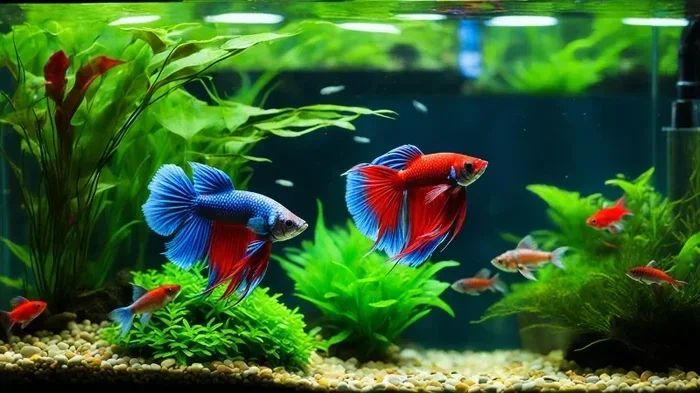
Choosing the right tank size is the foundation of a successful breeding setup. While some keepers use as little as 5 gallons, a 10- to 20-gallon tank is generally recommended for betta fish breed projects. The extra space helps stabilize water parameters and gives the pair room to move without constant stress. A longer tank is often better than a tall one, as bettas prefer swimming horizontally near the surface where they build their bubble nests.
Essential equipment goes beyond a simple tank. A reliable heater is non-negotiable to maintain a steady water temperature between 78°F and 82°F. Unlike community tanks, breeding tanks benefit from a sponge filter or a gentle air-driven filter. Strong currents can exhaust the breeding pair and make it difficult for the male to tend his nest. Sponge filters also provide a safe surface for tiny fry to explore without being sucked into a powerful filter intake.
Live plants are highly recommended for a breeding tank. Species like java fern, anubias, and hornwort provide cover for the female and help maintain water quality by absorbing nitrates. If you prefer a more minimalist look, a spawning mop or a few broad-leaved artificial plants can serve a similar purpose. The goal is to create a environment where the female feels secure enough to participate in courtship without constant harassment from the male.
Substrate choice is another consideration. A bare-bottom tank is easiest for cleaning and allows you to see eggs and waste clearly. However, a thin layer of fine sand or gravel can mimic a natural substrate and give the fish a sense of security. Avoid sharp or large gravel that could injure the fish or trap waste.
Regular water changes are vital to maintain water quality for breeding bettas. water changes should be performed consistently to keep ammonia and nitrate levels in check. A reliable heater is non-negotiable to maintain a steady water temperature between 78°F and 82°F.
Tank Size and Layout
A tank between 10 and 20 gallons offers the best balance between space and manageability. Look for a longer, lower profile rather than a tall cylinder, as bettas swim near the surface. Provide plenty of surface area for bubble nest construction, and include hiding spots for the female using live plants or spawning mops.
Essential Equipment for Breeding
A reliable heater is non-negotiable to maintain a steady water temperature between 78°F and 82°F. Unlike community tanks, breeding tanks benefit from a sponge filter or a gentle air-driven filter. Strong currents can exhaust the breeding pair and make it difficult for the male to tend his nest. Sponge filters also provide a safe surface for tiny fry to explore without being sucked into a powerful filter intake.
Water Conditions and Parameters
Water quality is the backbone of any betta fish breed endeavor. The ideal temperature range sits between 78°F and 82°F, as this warmth stimulates metabolism and spawning hormones. If the water is too cool, the pair may ignore each other; if it’s too hot, stress and disease risk increase. Use a fully submersible heater with a thermostat to keep the temperature consistent day and night.
pH should hover between 6.5 and 7.5, with a slight lean toward acidity often preferred by breeders. Soft water is ideal, but many successful breeders work with moderately hard water as long as fluctuations are minimal. The key is stability; rapid pH swings can shock the fish and cause them to stop breeding or become ill.
Ammonia and nitrite levels must always read zero. Nitrate should stay below 20 ppm, preferably under 10 ppm for growing fry. Achieving this requires a combination of
Frequently Asked Questions
What is do betta fish breed?
do betta fish breed is an important topic with many practical applications.