Do Betta Fish Attack Snails and What You Should Do
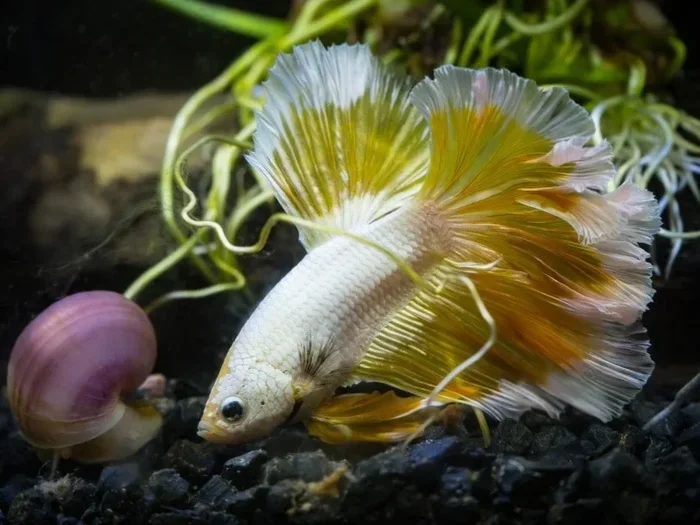
Do betta fish attack snails? The answer isn’t always straightforward. While bettas are naturally predatory, their behavior toward snails varies based on personality, hunger level, and tank environment. Understanding this relationship helps you create a harmonious aquarium where both species can coexist peacefully.
When you’re setting up a betta fish tank, one question that often comes up is whether these vibrant little predators will go after your snails. It’s a legitimate concern, especially since many fishkeepers want to add these helpful algae-eaters to their aquariums. The short answer is: it depends. But let’s dive deeper into what really happens when bettas and snails share the same tank.
Betta fish are naturally aggressive hunters, evolved in the flooded forests of Southeast Asia where they hunt for small insects and crustaceans. Their behavior toward other tank inhabitants isn’t random – they’re programmed to identify moving objects as potential food or competition. This instinctual behavior is why many experienced aquarists approach mixed-species tanks with caution.
Key Takeaways
- Betta fish behavior varies: Some bettas ignore snails completely, while others may view them as food or threats.
- Size matters: Larger snails like apple snails are less likely to be attacked than smaller species.
- Environmental factors: Proper tank setup and feeding routines reduce aggressive tendencies.
- Observation is key: Monitor your betta’s behavior daily to catch any issues early.
- Alternative solutions: Consider separate tanks or peaceful tank mates if aggression occurs.
- Nutrition prevents predation: Well-fed bettas are less likely to hunt tankmates.
📑 Table of Contents
- Understanding Betta Fish Behavior Toward Snails
- Different Types of Snails and Betta Reactions
- Environmental Factors That Influence Betta-Snail Interactions
- Protecting Your Snails: Practical Strategies
- When to Consider Separate Tanks
- Alternative Tank Mates for Bettas
- Understanding Betta Fish Natural Behaviors
- Monitoring and Managing Your Aquarium
- Conclusion: Finding Balance in Your Aquarium
Understanding Betta Fish Behavior Toward Snails
Before we can understand why bettas might attack snails, we need to examine their natural hunting instincts. Betta fish are opportunistic feeders, meaning they’ll eat almost anything they can catch and swallow. In the wild, they’ve developed several adaptations that make them successful predators:
The Anatomy of a Predator
- Extended fins: Those beautiful fins aren’t just for show – they help bettas corner prey
- Speed: Despite their slow reputation, bettas can dart quickly when hunting
- Jaw strength: Their mouths can generate surprising biting force
- Intelligence: Bettas can learn patterns and remember locations of food
This predatory nature explains why bettas might view snails as either food or territorial threats. The key factor is often the individual betta’s personality and past experiences.
Why Do Bettas See Snails as Threats?
In their natural habitat, bettas encounter various competitors for food and territory. When they see a snail moving around their tank, several things might trigger their predatory response:
- Movement patterns: Snails leave trails as they move, which can trigger a hunting response
- Size comparison: A large snail might appear as competition for food
- Shelter behavior: Snails often hide in crevices, making them appear suspicious
- Scent detection: Some bettas can detect the scent of snails and become intrigued
Different Types of Snails and Betta Reactions
Not all snails are created equal when it comes to betta fish interactions. Different species trigger different responses based on their appearance, size, and behavior patterns.
Apple Snails: The Larger Threat
Apple snails represent one of the more challenging combinations. These large, colorful snails can grow to the size of a dinner plate, making them quite impressive in a betta tank. However, their size also makes them potential targets for aggressive bettas who see them as competitors.
Many aquarists report that apple snails and bettas can coexist, but it requires careful monitoring. The key is ensuring the apple snail has adequate hiding places and that the betta receives sufficient nutrition.
Ramshorn Snails: Smaller but Persistent
Ramshorn snails are popular among aquarists for their role in controlling algae. These smaller snails (usually 1-2 inches) move differently than larger species, often clustering together on glass surfaces. Some bettas find this behavior intriguing rather than threatening.
The question of whether betta fish eat ramshorn snails depends heavily on the individual fish’s appetite. Hungry bettas will investigate these smaller snails, though not all will attempt to consume them entirely.
Pond Snails: The Tiny Invaders
Pond snails are among the smallest snail species, often just half an inch in size. Their tiny stature makes them easy prey for hungry bettas. Many aquarists who’ve wondered whether betta fish eat pond snails discover that these little guys often disappear quickly when introduced to a hungry betta tank.
Aquatic Snails in General
Aquatic snails encompass a wide variety of species, each with different interactions with betta fish. The general rule is that smaller snails face more risk than larger ones. However, some bettas are simply curious about any new tankmate, regardless of size.
Environmental Factors That Influence Betta-Snail Interactions
It’s important to remember that aquarium conditions play a huge role in whether bettas attack snails. Several environmental factors can either encourage or discourage aggressive behavior:
Tank Size and Layout
The old saying “a larger tank means fewer problems” applies perfectly here. In a spacious tank with plenty of hiding places, bettas and snails are more likely to ignore each other. Conversely, cramped conditions can trigger territorial behavior.
A 10-gallon tank might seem adequate for a single betta, but adding snails increases the need for space. Consider whether your betta likes having a lot of room to explore before introducing snail companions.
Food Availability
Hunger is the great motivator in any animal’s behavior, including bettas. When food is plentiful, bettas are less likely to hunt tankmates. However, when they’re underfed, every moving object becomes a potential meal.
This is why proper feeding routines are crucial for betta care. Whether you’re wondering if bettas eat apple snails or baby snails, the answer often comes down to whether the fish are well-fed.
Water Quality and Stress Levels
Stressed bettas become unpredictable and more aggressive. Poor water quality, temperature fluctuations, or lack of hiding places can all contribute to stress-induced aggression toward snails.
Maintaining stable water parameters isn’t just good fish care – it’s essential for preventing unwanted attacks on your snail companions.
Protecting Your Snails: Practical Strategies
If you’re concerned about betta fish attacking your snails, there are several proven strategies to increase safety and reduce aggression:
Choosing the Right Snail Species
Not all snails are equally vulnerable. Consider these factors when selecting snail companions for your betta:
- Size: Larger snails are less likely to be targeted
- Speed: Fast-moving snails are harder to catch
- Armor: Some snails have thicker shells that resist bites
- Behavior: Social snails that stay in groups are less vulnerable
Creating Safe Spaces
Giving your snails places to hide is one of the most effective ways to prevent attacks. Consider adding:
- Driftwood: Provides natural hiding spots
- Caves and tunnels: Commercial ornaments work well
- Live plants: Dense plantings offer protection
- Substrate: A layer of sand or gravel allows snails to burrow
- Multiple small meals: Feed 2-3 times daily rather than one large meal
- Variety: Offer different food types to ensure nutritional completeness
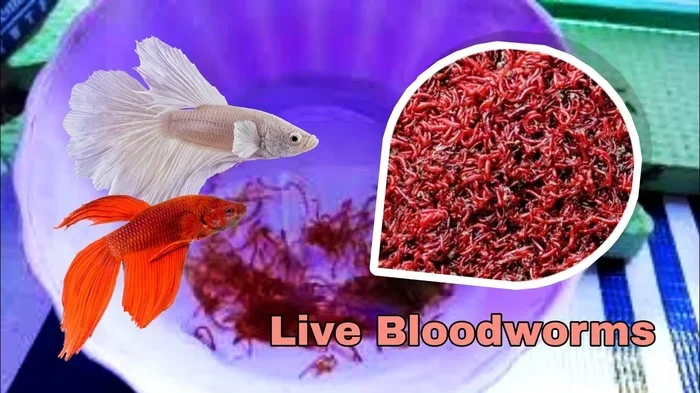
- “>Supplemental feeding: Consider adding frozen or live foods occasionally
- Fasting periods: Brief fasting can reduce overeating and improve health
- Acclimation: Float the snail container in the tank for 15-20 minutes
- Release: Gently place the snail in the tank without dumping the container water
- Observation: Watch for the first 24-48 hours for any aggressive behavior
- Adjustment: Be prepared to separate if problems develop
- Constant following: The betta follows the snail around the tank
- Chasing: Repeated attempts to corner or attack the snail
- Eaten shell fragments: Evidence of the snail’s shell being damaged
- Reduced snail activity: The snail stays hidden constantly
- Easy maintenance: Snails help clean the tank naturally
- Low maintenance: They’re generally hardy and low-maintenance
- Educational value: Great for observing snail behavior and reproduction
- Reproduction control: Easier to manage population in a separate tank
- Whisper catfish: Bottom-dwelling fish that stay out of sight
- Emerald corydoras: Gentle, peaceful bottom feeders
- White cloud mountain minnows: Small, active schooling fish
- Guppies: Colorful, active fish (in some cases)
- Cherry shrimp: Active, colorful, and generally ignored by most bettas
- Amano shrimp: Larger algae eaters less likely to be targeted
- Crystal red shrimp: Beautiful but more sensitive to water conditions
- Normal feeding behavior: Regular eating patterns indicate health
- Activity levels: Both species should be active during daylight hours
- Social interactions: Peaceful coexistence rather than constant tension
- Surface conditions: Healthy slime coat and normal swimming
- Water changes: 25-30% weekly keeps parameters stable
- Cleaning: Remove uneaten food and debris promptly
- Filter checks: Ensure good water circulation without creating stress
- Equipment inspection: Check heaters, lights, and other equipment
- Physical inspection: Check for signs of disease or injury
- Behavioral review: Note any changes in personality or habits
- Population control: Manage snail numbers if they’re reproducing
- Environmental evaluation: Assess whether tank needs upgrades
Remember, bettas also need their own hiding spots. A balanced tank provides security for all inhabitants.
Feeding Strategies
Ensuring your betta gets adequate nutrition is one of the best ways to prevent snail attacks. Consider these feeding approaches:
Gradual Introduction
When introducing snails to a betta tank, go slowly. Sudden changes can stress both species. Try these steps:
When to Consider Separate Tanks
Despite your best efforts, some betta fish simply won’t tolerate any tankmates, including snails. Learning to recognize when separation is necessary is crucial for the wellbeing of all your aquatic pets.
Signs of Ongoing Aggression
Watch for these warning signs that indicate your betta may be too aggressive for snail companions:
If you notice these behaviors, it’s time to consider alternative arrangements for one or both species.
Creating a Snail-Only Tank
Sometimes the solution is to give snails their own space. A small tank dedicated to snails can be a wonderful addition to your aquarium setup:
Alternative Tank Mates for Bettas
If snails don’t seem compatible with your betta, consider other peaceful tank mates that might work better:
Safe Fish Options
While bettas are often kept alone, some fish species can coexist successfully:
value>
Always research compatibility before adding new fish to your betta’s tank.
Invertebrate Companions
Other invertebrates might work better than snails:
Understanding Betta Fish Natural Behaviors
To truly understand whether bettas attack snails, it helps to understand their natural behaviors and instincts. Bettas aren’t inherently evil or aggressive – they’re simply following their programming.
Territorial Nature
In their natural habitat, male bettas establish territories and defend them against rivals. This territorial instinct can translate to viewing any tankmate as competition, including snails that might claim favorite spots.
Understanding this behavior helps explain why some bettas are more aggressive than others. It’s not necessarily personal – it’s just instinct.
Hunting Instincts
Betta fish hunting behavior is fascinating to observe. They use their fins to corner prey and their speed to catch it. While snails aren’t typical prey in their natural environment, the hunting sequence can still trigger.
This doesn’t mean every betta will attack every snail they encounter. Individual personality plays a huge role in whether these encounters end peacefully.
Environmental Enrichment
Just like any intelligent animal, bettas benefit from environmental enrichment. Providing hiding places, varied food sources, and stimulating environments can reduce boredom-driven aggression toward tankmates.
This enrichment isn’t just good for bettas – it benefits all tank inhabitants by creating a more balanced ecosystem.
Monitoring and Managing Your Aquarium
Successful betta-snail coexistence requires ongoing attention and management. Here are some key practices to maintain a healthy environment:
Daily Observation
Spending a few minutes each day watching your betta and snails can prevent many problems. Look for:
Weekly Tank Maintenance
Regular maintenance prevents stress-related aggression:
Monthly Health Assessments
Every month, take time for a more thorough evaluation:
Conclusion: Finding Balance in Your Aquarium
The question of whether betta fish attack snails doesn’t have a simple yes or no answer. Instead, it’s a complex interaction influenced by personality, environment, and individual circumstances. By understanding these factors, you can create conditions where both species thrive together.
Remember that every betta is different. What works for one fish might not work for another. The key is observation, patience, and willingness to adjust as needed. Whether your betta ignores snails completely or views them as potential meals, understanding their natural behaviors helps you make informed decisions about tank setup and maintenance.
Most importantly, don’t let fear of aggression prevent you from trying different combinations. With proper preparation and monitoring, many bettas and snails can live peacefully together, each contributing to a healthy aquatic ecosystem. The goal isn’t to eliminate natural behaviors but to manage them in ways that benefit all your aquatic pets.
Frequently Asked Questions
Do betta fish naturally attack all types of snails?
Not necessarily. While bettas are natural predators, their tendency to attack snails varies widely between individuals. Some bettas ignore snails completely, while others may chase or attempt to eat them. This depends on factors like hunger level, personality, tank environment, and the size and type of snail involved.
How can I tell if my betta is stressed around snails?
Stressed bettas often display several behaviors including clamped fins, reduced activity, frequent gill flaring, and aggressive chasing of tankmates. They may also stop eating or become excessively territorial. If you notice these signs, consider adjusting the environment or separating the species.
Are there any snail species that are completely safe with bettas?
Large apple snails are generally considered the safest option with bettas, though individual personalities still matter. Nerite snails are also popular because they’re larger and often ignored by peaceful bettas. However, no snail is 100% guaranteed safe, as individual betta behavior can vary significantly.
What should I do if my betta is attacking my snails?
Immediate separation is recommended if you witness active attacks. You’ll need to provide either a separate tank for the snails or find a different tank mate for the betta. Consider improving the betta’s diet and environment to reduce stress-related aggression, and always monitor behavior closely if you try reintroducing them.
Can bettas and snails live together permanently?
Yes, many bettas and snails can live together permanently when conditions are right. Success depends on finding compatible individuals, providing adequate space and hiding places, maintaining proper water quality, and ensuring the betta is well-fed. Regular monitoring helps catch any issues before they become serious problems.
Do betta fish eat baby snails if given the chance?
Betta fish will eat baby snails if they’re hungry and see them as easy food. Very small snails offer little protection against a determined betta’s hunting instincts. If you’re breeding snails or have a heavily populated tank, you may need to provide additional hiding places for baby snails or separate them from predatory fish.