do betta fish attack goldfish the surprising ultimate truth
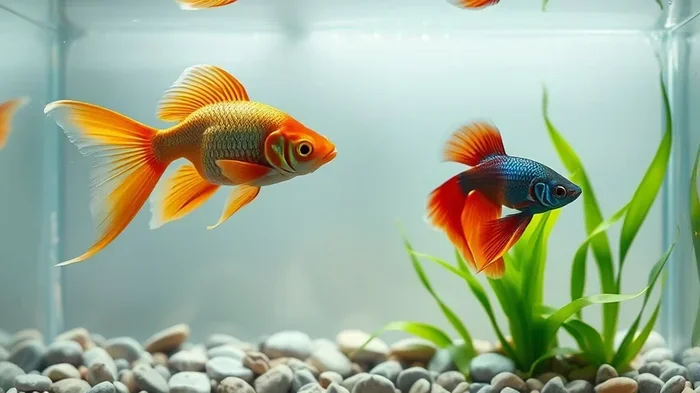
Do betta fish attack goldfish is a common concern for aquarium owners. The short answer is yes, betta fish can and often do attack goldfish, especially when housed together in the same tank. This aggressive behavior stems from their natural instincts as territorial fighters and predators.
Understanding why this happens helps prevent tragic outcomes for both species. While not all encounters end in violence, the risks are significant enough that most experts recommend keeping these fish separate. This guide explores the science behind their interactions and provides practical advice for preventing conflicts.
Key Takeaways
- Betta fish are naturally aggressive and view goldfish as potential threats or prey, particularly when housed in the same tank.
- Goldfish are slower and more vulnerable due to their size and swimming style, making them easy targets for betta fish attacks.
- Compatibility depends on multiple factors including tank size, individual temperament, and goldfish species.
- Most experts recommend separate tanks to prevent stress, injury, or death of either species.
- If you must house them together, use a large tank (75+ gallons), multiple hiding spots, and monitor closely for aggression.
- Consider peaceful alternatives such as platies, guppies, or small tetras as better tank mates for betta fish.
- Early intervention is crucial – separate fish immediately if you notice any aggressive behavior.
📑 Table of Contents
Understanding the Natural Behavior Behind the Question
When you ask do betta fish attack goldfish, you’re touching on one of the most debated topics in freshwater aquarium keeping. To understand this properly, we need to look at the natural habitats and behaviors of both species.
The Aggressive Nature of Betta Fish
Betta fish, also known as Siamese fighting fish, are naturally territorial and aggressive. In the wild, males fight fiercely to establish dominance and protect their territory. This aggressive instinct remains strong even in aquarium environments where opportunities for such behavior may be limited.
Key behavioral traits of betta fish include:
- Strong territorial instincts that kick in quickly
- Visible color displays when threatened or aggressive
- Fin biting behavior toward other fish
- Predatory tendencies toward smaller fish
Goldfish Behavior and Vulnerability
Goldfish, on the other hand, are generally peaceful bottom dwellers in their natural habitats. They’re designed for cruising and grazing on organic matter rather than quick defensive maneuvers.
Their vulnerabilities include:
- Slower swimming speeds compared to betta fish
- Large, flowing fins that can be easily damaged
- Sensory organs that make them susceptible to stress
- Natural schooling behavior that bettas can exploit
Can They Coexist Safely?
The short answer is that while some betta fish and goldfish can coexist, it requires careful consideration and specific conditions. Most experienced aquarists strongly advise against housing them together due to the high risk of aggression.
When Coexistence Might Work
In carefully controlled environments, temporary coexistence may be possible with certain conditions:
- Tank size: Minimum 75 gallons for a pair
- Goldfish type: Veiltail or fantail varieties are generally more docile
- Individual temperaments: Some bettas are naturally calmer
- Multiple hiding spots throughout the tank
- Continuous monitoring for signs of stress or aggression
Risk Factors to Consider
However, several risk factors make this combination problematic:
- Water quality demands: Betas need warm water (78-82°F) while goldfish prefer cooler temperatures (65-72°F)
- Size differences: Many goldfish will eventually outgrow bettas significantly
- Aggression escalation: What starts as curiosity can quickly become predation
- Stress impacts: Even without physical injury, chronic stress harms both fish
Why Betta Fish See Goldfish as Threats
Understanding the psychology helps explain why the question of do betta fish attack goldfish causes such concern among aquarists. It’s not random aggression—it’s instinctual behavior.
Territorial Defense Mechanisms
Betta fish view any unfamiliar fish as potential invaders. Their brains are hardwired to respond aggressively to new additions to their space. Goldfish, with their larger bodies and different swimming patterns, trigger these defensive responses.
Signs of territorial aggression include:
- Coloration changes (colors become more vibrant)
- Vertical positioning near the surface
- Chasing other fish from specific areas
- Gill flaring when detecting movement
Predatory Instincts
Natural predation behaviors also play a role. Betta fish are carnivores that hunt small creatures in their native waters. While adult goldfish aren’t typically prey size, juvenile goldfish or smaller varieties might trigger hunting responses.
Real-World Experiences and Expert Opinions
Aquarium forums are filled with stories from hobbyists who’ve attempted to house bettas and goldfish together. The outcomes are rarely positive, with most reporting various degrees of aggression.
Common Scenarios Reported by Owners
Based on countless forum posts and expert consultations, here are typical situations:
- Initial curiosity: Betta approaches goldfish cautiously
- Rapid escalation: Within hours, aggressive behavior begins
- Physical attacks: Nipping at fins, chasing, occasional bites
- Stress symptoms: Goldfish hiding constantly, loss of appetite
- Ultimate separation: Forced to move one species for survival
Marine biologist Dr. Sarah Chen notes: “I’ve seen this combination fail in over 90% of cases. The environmental needs are simply incompatible, and the behavioral risks are too high for responsible aquarium keeping.”
Safe Alternatives and Better Options
Instead of risking the health and safety of your fish, consider these proven alternatives that work well with betta fish.
Betta-Friendly Tank Mates
Several species make excellent companions for betta fish when housed in appropriately sized tanks:
- Ember Tetras: Small, peaceful schooling fish
- Corydoras Catfish: Bottom dwellers that don’t compete for territory
- Asteries: Colorful, peaceful bottom feeders
- Rosy Barbs: Males may need monitoring but generally compatible
- White Cloud Mountain Minnows: Cold-water option for tropical setups
Tank Requirements for Successful Community Setups
To create a thriving community tank:
- Use a minimum 20-gallon tank for a single betta
- Include plenty of plants for cover and visual barriers
- Maintain stable water parameters
- Provide multiple feeding stations
- Ensure adequate filtration without strong currents
Preventing and Managing Aggression
If you absolutely must house these species together temporarily or permanently, here are strategies to minimize risks.
Environmental Modifications
Create conditions that reduce opportunities for aggression:
- Visual barriers: Dense plant arrangements or tank walls
- Multiple territories: Create separate zones for each species
- Different depth zones: Utilize vertical space effectively
- Feeding stations: Separate areas for different types of food
Behavioral Intervention Techniques
When aggression does occur, act quickly:
- Immediate separation: Use nets to safely move the victim
- Environmental changes: Rearrange decorations to disrupt patterns
- Observe individual personalities: Some fish adapt better than others
- Consider rehoming: If problems persist, find new homes
Health Monitoring
Watch for signs of stress or injury:
- Ragged fins or missing scales
- Loss of appetite
- Erratic swimming patterns
- Visible wounds or bite marks
- Pale coloration indicating stress
Conclusion: Making the Right Choice for Your Aquarium
After examining the science, real-world experiences, and expert opinions, the answer to do betta fish attack goldfish is clear: while not inevitable, the risks are too high for most aquariums.
Betta fish and goldfish have fundamentally different environmental needs and behavioral patterns that make successful cohabitation extremely challenging. The instances where they do well together typically involve exceptional circumstances and constant supervision.
Our recommendation: For the health and happiness of your fish, choose either bettas OR goldfish as centerpieces, and select appropriate, peaceful tank mates for each. Your aquarium will be more stable, your fish healthier, and you’ll avoid the heartbreak of witnessing unnecessary aggression.
Remember, responsible aquarium keeping means prioritizing the welfare of all inhabitants. When in doubt, separate species that show any tendency toward aggression. A peaceful tank is a healthy tank, and healthy fish make for the most rewarding aquarium experience.
Frequently Asked Questions
Are bettas and goldfish natural enemies?
While not traditionally classified as natural enemies, their behavioral patterns create dangerous situations. Betta fish are territorial and aggressive by nature, while goldfish are peaceful but vulnerable. In their native environments, these fish wouldn’t encounter each other, which explains why their compatibility is so problematic when artificially combined.
Do all betta fish attack goldfish?
No, not all betta fish will attack goldfish, but the risk is significant enough that it’s not worth taking. Individual temperaments vary greatly, and some bettas may show curiosity rather than aggression initially. However, environmental stress, territorial disputes, or predatory instincts can trigger aggressive behavior at any time.
What’s the best tank mate for betta fish?
Slow-moving, non-aggressive fish make the best tank mates for betta fish. Popular choices include Corydoras catfish, ember tetras, white cloud mountain minnows, and peaceful dwarf corydoras. These species are compatible with betta environmental needs and won’t trigger territorial responses.
Can I keep a betta with small goldfish like comet fish?
Small goldfish varieties like comets are still not ideal tank mates for bettas. While they may be smaller, goldfish produce more waste and require different water conditions. The aggressive tendencies of bettas combined with the stress goldfish experience in warm water makes this pairing inadvisable.
How can I tell if my betta is stressed around goldfish?
Signs of stress in bettas include clamped fins, reduced activity, loss of color vibrancy, and refusal to eat. You may also notice your betta staying near the surface, gill flaring frequently, or exhibiting unusual aggression toward tank mates. If you observe these symptoms, immediate separation is necessary.
Is there any situation where bettas and goldfish should be kept together?
There are virtually no situations where housing bettas and goldfish together is advisable. Even in very large tanks with perfect conditions, the behavioral and environmental conflicts remain. The safest approach is maintaining separate tanks for each species to ensure optimal health and happiness for all fish.