How Do Betta Fish Have Babies If They Fight

Betta fish may look fierce, but they have a fascinating and surprisingly delicate breeding process. Male bettas build bubble nests, court females carefully, and protect their eggs — even though fighting is part of their nature. Understanding this process helps you breed bettas safely and keep both parents and babies healthy.
Betta fish are famous for their bright colors and long, flowing fins. But they also have a reputation for being aggressive. This raises a big question for anyone interested in breeding them. How do betta fish have babies if they fight?
The answer is more interesting than you might think. Betta fish have a unique breeding process that balances natural aggression with careful parental behavior. Male bettas build bubble nests, court females with elaborate displays, and sometimes even guard their eggs and fry. But the process isn’t without risks. Fighting can — and often does — lead to injury or worse.
Whether you’re a beginner breeder or a curious fish keeper, understanding how betta fish reproduce — and why they fight — is essential. This guide walks you through every stage of the process. You’ll learn what happens during courtship, how to set up a safe breeding tank, and how to protect fragile betta fish fry from harm.
Let’s dive in and explore the fascinating world of betta fish breeding.
Key Takeaways
- Betta fish fight as part of their natural behavior: aggression is normal, especially during mating and territory defense.
- Male bettas build bubble nests: this is where eggs are stored and fry develop after hatching.
- Separation is critical: keeping the female away after mating prevents injury and death.
- Fry survival depends on proper tank setup: warm water, gentle filtration, and frequent feeding make a big difference.
- Not all betta fish fight their babies: many males are devoted fathers who guard the nest until fry are free-swimming.
- Patience is key: breeding bettas requires preparation, observation, and quick action when problems arise.
📑 Table of Contents
Why Do Betta Fish Fight?
Betta fish are also called Siamese fighting fish for a reason. Males are naturally territorial and will fight almost any rival they see. But fighting isn’t just about aggression — it serves important purposes in the wild and in captivity.
Territory and Survival
In the wild, bettas live in shallow rice paddies, marshes, and slow-moving streams. These small spaces mean bettas encounter each other often. Males fight to establish dominance and protect their territory. A weaker male who loses a fight may be chased away or injured.
Fighting also plays a role in mating. A strong male signals good genes to females. So when you ask yourself, how do betta fish have babies if they fight, it helps to understand that the fighting is actually part of the natural selection process.
Aggression During Breeding
During the breeding process, aggression can ramp up. A male betta may chase a female before, during, and after mating. This can be stressful for both fish. The female needs a way to escape if things get too intense.
This is why many experienced breeders use a divider or separate tank. They allow the pair to see each other without direct contact. This reduces stress and prevents serious injuries.
If you want to learn more about whether bettas actually fight their own offspring, check out this article on do betta fish fight their babies.
The Betta Fish Breeding Process
Betta fish reproduction is one of the most interesting processes in the fish world. Unlike many other species, bettas don’t lay eggs in open water. The male plays an active role from start to finish. Here’s how it works.
Step 1: Preparing the Breeding Pair
Before you even think about breeding, you need healthy, mature fish. Both the male and female should be at least 4 to 6 months old. They should be active, eating well, and showing vibrant colors.
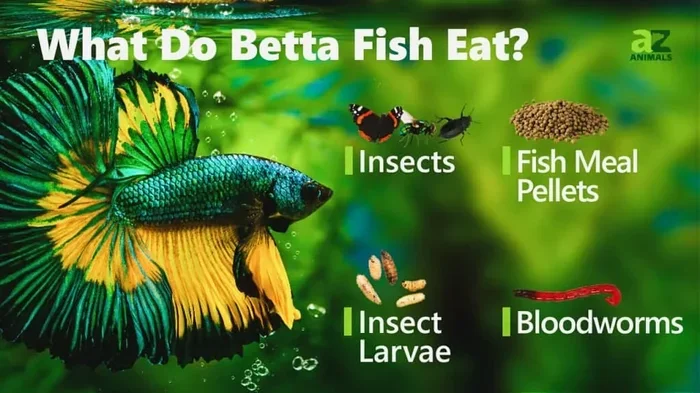
Feed both fish high-quality food like bloodworms and brine shrimp. This helps condition them for breeding. A healthy diet also boosts the female’s egg production.
Step 2: Building the Bubble Nest
The male betta starts by building a bubble nest. This is a cluster of tiny air bubbles stuck together at the surface of the water. The nest looks like a foamy cloud floating on top of the tank.
The bubble nest serves as a safe home for the eggs. The male carefully gathers eggs after the female releases them and places them in the nest. He guards the nest obsessively until the fry hatch and become free-swimming.
If you’re curious about whether bettas lay eggs or give live birth, this article explains it well: do betta fish have live babies or eggs.
Step 3: Courtship and Mating
The male performs an elaborate courtship dance. He flares his fins, curves his body, and wraps around the female. This can last several hours. The female releases eggs in batches, and the male fertilizes them immediately.
During this time, the male may chase the female. This is normal, but it can be intense. Watch closely and be ready to separate them if the female looks exhausted or injured.
If you want to understand whether bettas need to mate at all, read more here: do betta fish have to mate.
Step 4: Egg Collection and Nesting
After mating, the male gathers any eggs that fall and places them gently in the bubble nest. He may also repair the nest if it gets damaged. The female is usually moved to a separate tank at this point.
The male becomes very protective. He will chase away anything that comes near the nest — including the female if she’s still in the same tank. This protective behavior is key to understanding why bettas fight during the breeding process.
How Many Babies Do Betta Fish Have?
A common question from new breeders is about litter size. So how many fry can you expect from a single breeding event?
A healthy female betta can release anywhere from 10 to 500 eggs per spawning session. The exact number depends on her age, size, and overall health. Younger females tend to produce fewer eggs, while mature, well-conditioned females can produce significantly more.
But not all eggs survive. Some won’t be fertilized. Others may get eaten by the male or fail to hatch. On average, a successful breeding pair might produce around 50 to 100 fry that actually survive to become free-swimming fish.
If you want a deeper look at fry numbers, here’s an article that covers how many fry do betta fish have in detail.
| Factor | Low Range | Average | High Range |
|---|---|---|---|
| Eggs per spawn | 10 | 100-200 | 500 |
| Fry that survive to hatching | 30 | 50-100 | 200 |
| Fry that reach free-swimming stage | 20 | 40-80 | 150 |
As you can see, survival rates drop at each stage. This is why proper care and a safe environment are so important for betta fish fry.
Protecting Betta Fish Fry From Aggression
The biggest challenge in breeding bettas is keeping the fry safe. The male is generally protective, but problems can still arise. Here’s how to give your fry the best chance of survival.
Separate the Female Immediately
Once the female has released her eggs, remove her from the breeding tank. The male may become aggressive toward her, especially if she’s tired. Leaving her in the same tank increases the risk of injury.
Use a clear container or a breeder box so the female can still be observed. But she needs her own space to recover from the stress of spawning.
Keep the Tank Environment Stable
Betta fry are extremely sensitive to water conditions. Keep the temperature between 78 and 80 degrees Fahrenheit. Use a sponge filter on the lowest setting to maintain water quality without creating strong currents that can sweep tiny fry away.
Perform small water changes daily — just 10 to 15 percent. This keeps ammonia and nitrite levels low without disturbing the bubble nest too much.
Feed Fry Properly
Newly hatched betta fry are incredibly small. They can’t eat regular fish food. Instead, feed them infusoria or liquid fry food for the first few days. After a week, you can introduce baby brine shrimp and micro worms.
Feed small amounts multiple times a day. Overfeeding can dirty the water quickly, which is dangerous for delicate fry.
Watch for Signs of Male Aggression Toward Fry
Most male bettas are devoted fathers. They guard the nest and retrieve any eggs that fall. But in some cases, a stressed or inexperienced male may eat his own eggs or even attack fry.
If you notice this behavior, you’ll need to remove the male from the tank. It’s a difficult decision, but it’s better than losing the entire batch of fry. Some breeders keep a backup plan ready for exactly this situation.
If you’re worried about whether bettas harm their own young, this article covers the topic in depth: do betta fish kill their babies.
Common Mistakes Breeders Make
Breeding betta fish is rewarding, but it’s easy to make mistakes — especially if you’re new to the process. Here are the most common errors and how to avoid them.
- Skipping the conditioning phase: Both fish need proper nutrition before breeding. Skipping this step leads to fewer eggs and weaker fry.
- Using too large a tank: A breeding tank should be small — around 5 to 10 gallons. A large tank makes it harder for the male to find and protect the eggs.
- Forgetting to cover the tank: Betta fry need warm, humid air above the water to develop their labyrinth organ. An uncovered tank can cause health problems.
- Not having a plan for the female: Always have a separate container ready before the breeding starts. Don’t wait until you see aggression to act.
- Disturbing the bubble nest: Avoid making big movements near the tank during the first 48 hours after spawning. The male may abandon the nest if he feels threatened.
- Overcrowding the fry tank: As fry grow, they need more space. Plan for multiple tanks or a grow-out setup as they develop.
Expert Tips for Successful Betta Fish Breeding
Experienced breeders know that success comes down to preparation and patience. Here are some tips that can make a real difference.
Choose the right pair. Not all bettas are good breeding candidates. Look for fish with vibrant colors, no visible injuries, and active appetites. Avoid fish that show signs of illness like clamped fins, loss of color, or unusual swimming behavior.
Watch the water parameters closely. Ideal breeding conditions include a pH of 6.5 to 7.0, soft to moderately hard water, and a temperature around 80°F. Use a reliable thermometer and test kit.
Be ready to act fast. Breeding bettas doesn’t always go smoothly. The female might not release eggs. The male might ignore the bubble nest. Have a backup plan for every scenario so you’re not caught off guard.
Give yourself time. The entire process — from conditioning to free-swimming fry — can take 4 to 6 weeks. Don’t rush it. Each stage matters, and skipping steps can reduce your success rate.
Learn from every spawn. Even experienced breeders lose batches sometimes. Take notes on what worked and what didn’t. Over time, you’ll develop your own approach that gets better results.
Conclusion
The question how do betta fish have babies if they fight has a clear answer. Betta fish have evolved a remarkable breeding strategy that uses aggression as a tool for survival while also allowing for careful parental care. The male builds a bubble nest, courts the female with impressive displays, and guards the eggs until they hatch.
But the process isn’t automatic. It requires preparation, observation, and a willingness to intervene when things go wrong. By understanding the natural behavior of bettas and providing the right environment, you can successfully breed these beautiful fish and watch their fry grow.
Remember to separate the female after mating, keep water conditions stable, and feed your fry properly. Avoid the common mistakes outlined above, and don’t be afraid to learn from each breeding experience. With patience and care, you’ll be well on your way to raising healthy betta fish from egg to adult.
Whether you’re breeding bettas as a hobby or looking to expand your collection, the journey is just as rewarding as the result. Start small, stay observant, and enjoy the process.
Frequently Asked Questions
Do betta fish fight during the breeding process?
Yes, some fighting is normal during betta fish breeding. The male may chase the female during courtship and after mating. This behavior is part of their natural instincts. However, excessive fighting can cause injuries, so it’s important to monitor the pair closely and be ready to separate them if needed.
How long does it take for betta fish eggs to hatch?
Betta fish eggs typically hatch within 24 to 48 hours after being placed in the bubble nest. The male guards the nest during this time. Once the fry hatch, they stay attached to the nest for another 2 to 3 days before becoming free-swimming and ready to be fed.
Can you keep a male and female betta fish together after breeding?
No, you should remove the female immediately after breeding. The male becomes very protective of the eggs and may attack the female. Keeping them together increases the risk of injury to both fish. Always have a separate recovery tank ready before you start the breeding process.
What do betta fish fry eat in the first week?
In the first week, betta fish fry need very small foods like infusoria or liquid fry food. After about 5 to 7 days, you can introduce baby brine shrimp and micro worms. Feed them several small meals a day to support their rapid growth and development.
Why do betta fish eat their own eggs or fry?
Stress, inexperience, or poor tank conditions can cause a male betta to eat his own eggs or fry. This is more common in first-time breeders. Providing a calm environment, proper water parameters, and minimal disturbances helps reduce this behavior significantly.
How do you know if a betta fish is ready to breed?
A betta fish ready to breed will show bright, vivid colors and a healthy appetite. The male will start building a bubble nest at the surface of the water. The female will develop a visible white egg spot on her underside. These are clear signs that both fish are mature and ready for the breeding process.