How Can U Tell If a Betta Fish Is Happy
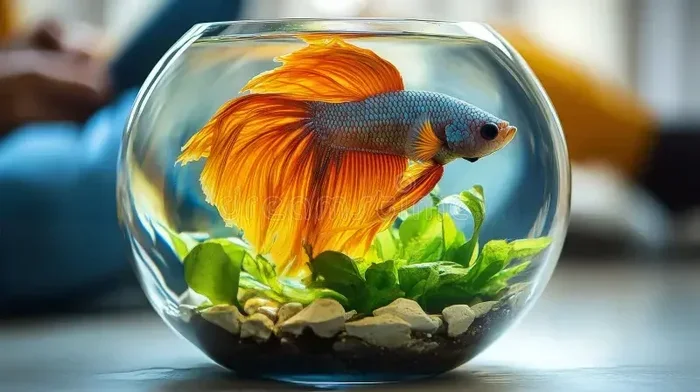
A happy betta fish shows bright colors, active swimming, a healthy appetite, and curious exploration. Watching your betta’s body language, fin position, and daily habits gives you clear clues about their overall wellness and contentment in their tank environment.
There is nothing quite like watching your betta fish glide through the water with energy and purpose. A happy betta fish is a joy to observe, and once you learn the telltale signs, you will always know exactly how your fish is feeling.
Whether you are a new betta owner or you have had your fish for years, understanding betta fish behavior is key to keeping them healthy and thriving. This guide covers everything you need to know about how can u tell if a betta fish is happy, from the most obvious signs to subtle clues that even experienced fish keepers watch for.
By the end of this article, you will have a clear picture of what a happy betta fish looks like, what makes them thrive, and how to spot trouble early. Let us dive in and make sure your fish friend is living their best life.
Now, let us explore the world of betta fish happiness and what it really means for your pet’s well-being.
Key Takeaways
- Bright, vibrant colors and flared fins are strong signs of a happy betta fish.
- Active swimming, curiosity, and a good appetite show your betta is thriving.
- A clean tank with proper heating, hiding spots, and enrichment keeps bettas content.
- Lethargy, faded colors, and clamped fins often signal stress or illness.
- Building a natural habitat with plants and gentle flow mimics their happy wild environment.
- Regular feeding routines and consistent water parameters reduce betta fish stress significantly.
📑 Table of Contents
- What Does a Happy Betta Fish Look Like?
- Top Signs Your Betta Fish Is Happy
- How to Create the Perfect Happy Environment
- What Happens When a Betta Fish Is Unhappy?
- Quick Tips for Keeping Your Betta Fish Happy
- Common Mistakes That Make Betta Fish Unhappy
- Expert Insights on Betta Fish Happiness
- Quick Comparison: Happy vs Unhappy Betta Fish
- Final Thoughts on Betta Fish Happiness
What Does a Happy Betta Fish Look Like?
A happy betta fish has a very distinct appearance that sets them apart from a stressed or sick fish. When your betta is feeling good, their body language tells a clear story. The first thing you will notice is their color intensity. A content betta displays vibrant, rich colors that pop against their scales. Think deep blues, bright reds, and vivid greens. When a betta is unhappy, their colors tend to fade, making them look washed out or pale.
Another visual clue is their fin position. Happy bettas hold their fins open and flowing. Their colorful fins spread out gracefully as they move. You might even see them flare their fins occasionally, which is a natural and healthy behavior. A betta that is stressed will tuck its fins close to its body, making itself look small and compact.
The Role of Color in Betta Fish Happiness
Betta fish color changes are one of the most reliable happiness indicators. When a betta feels safe and well-fed in a proper betta fish tank setup, their pigment cells become more active. This results in deeper, more saturated colors. Some owners even notice their betta’s colors seem to brighten right before feeding time, showing excitement and anticipation.
Here are some color-based happiness signals to watch for:
- Deep, rich hues across the body and fins
- Even color distribution without blotchy patches
- Bright iris eyes that look clear and alert
- Smooth scales that lie flat against the body
Top Signs Your Betta Fish Is Happy
Spotting a happy betta fish comes down to observing a few key behaviors every day. These signs are easy to spot once you know what to look for. Let us break down the top indicators that your betta is thriving.
1. Active and Curious Swimming
A happy betta fish loves to explore. You will see them swimming around the entire tank, checking out every corner and decoration. They move with purpose and energy, gliding smoothly through the water. A lethargic betta that stays in one spot or floats listlessly is a warning sign. Healthy betta fish activity level includes bursts of swimming, playful chasing of bubbles, and investigating new objects in the tank.
2. Healthy Appetite and Feeding Behavior
Betta fish appetite is a powerful happiness meter. A content betta gets excited at feeding time and eats readily. They should consume their food within a few minutes. If your betta ignores food consistently, something may be wrong. Proper betta fish feeding routines with the right amount of food contribute greatly to their overall mood and health.
3. Building Bubble Nests
Male bettas build bubble nests at the surface of the water, and this is a strong sign of a happy, comfortable fish. It means they feel safe enough to prepare for potential breeding. Even in a single-fish tank, bubble nest building shows your betta is content with their environment. If you notice a healthy bubble nest, consider it a compliment to your tank setup.
4. Responsive to You
Betta fish are smarter than people give them credit for. A happy betta will recognize its owner and may swim to the front of the tank when you approach. Some bettas even do a little fin flare or dance when they see their human coming. This betta fish social behavior shows trust and comfort in their surroundings.
How to Create the Perfect Happy Environment
Creating the right betta fish environment is the foundation of a happy fish. Your tank setup directly impacts your betta’s mood, health, and lifespan. A well-designed aquarium gives your betta the space, warmth, and stimulation they need to thrive.
Tank Size and Setup
Many people wonder about the ideal betta fish tank size. While bettas can survive in small containers, they truly thrive in larger tanks. A tank of at least 5 gallons gives your betta room to swim and explore. This space allows for proper filtration, heating, and enrichment, all of which contribute to a happy betta fish lifestyle.
Here are the key setup elements for a happy betta:
- Heater set to 78-80 degrees Fahrenheit
- Gentle filter with low water flow
- Live or silk plants for hiding and exploring
- Soft substrate that protects their delicate fins
- Open swimming space combined with covered areas
The Importance of Enrichment
Just like other pets, bettas need mental stimulation. Adding aquarium decorations like caves, tunnels, and floating plants gives your betta things to investigate. You can even place a mirror near the tank briefly to see your betta display natural behaviors, but do not leave it there too long. Betta fish enrichment keeps their minds active and prevents boredom, which leads to depression in fish.
Water Quality and Maintenance
Clean water is non-negotiable for a happy betta. Poor water quality causes betta fish stress and can lead to illness. Regular water changes, testing pH levels, and keeping ammonia at zero are essential tasks. If you want to learn more about proper care routines, check out our guide on how often you clean a betta fish bowl for practical maintenance tips.
Compatible Tank Mates
Some bettas enjoy having tank mates, while others prefer to live alone. If you are considering adding companions, research carefully. Not all fish get along with bettas. For more information on this topic, see our article on whether you can put a snail in with a betta fish, which covers safe and unsafe tank mate options.
What Happens When a Betta Fish Is Unhappy?
Understanding unhappy betta fish signs is just as important as knowing the happy ones. A stressed or miserable betta will show clear warning signals. Catching these early can save your fish’s life and help you fix the problem quickly.
Physical Signs of Stress
An unhappy betta often shows physical changes first. Look for faded colors, clamped fins held close to the body, rapid breathing, or loss of appetite. Some bettas develop white spots or show signs of betta fish stress through unusual scratching against decorations. These are clear cries for help that should not be ignored.
Behavioral Changes to Watch For
Betta fish behavior changes are often the earliest indicator of unhappiness. A stressed betta may hide constantly, refuse to eat, or lie at the bottom of the tank for extended periods. Some bettas become aggressive toward their own reflection or lash out at tank decorations. Any sudden shift in routine behavior deserves your attention.
If you notice these symptoms and are unsure of the cause, it is worth learning how can you tell if your betta fish is sick so you can take quick action. Early intervention makes a huge difference in recovery.
When to Seek Help
If your betta shows signs of serious distress, do not wait. Check water parameters immediately and look for any visible injuries or diseases. Sometimes a simple water change solves the problem. Other times, you may need medication or a visit to a fish veterinarian. Trust your instincts as an owner — you know your fish better than anyone.
Quick Tips for Keeping Your Betta Fish Happy
Here is a handy list of quick tips you can start using today to boost your betta’s happiness:
- Keep water temperatures stable between 78 and 80 degrees Fahrenheit.
- Feed small amounts twice a day rather than one large meal.
- Perform weekly water changes of 25-30 percent to maintain quality.
- Add live plants to create a natural, calming atmosphere.
- Talk to your betta gently when you approach the tank — they respond to vibration and voice.
- Avoid tapping on the glass, which causes stress and startles your fish.
- Provide a varied diet with pellets, frozen bloodworms, and occasional treats.
Common Mistakes That Make Betta Fish Unhappy
Even well-meaning owners can make mistakes that affect their betta’s happiness. Knowing what to avoid is just as important as knowing what to do right.
Overfeeding
One of the most common errors is overfeeding your betta fish. Bettas have small stomachs and do not need large amounts of food. Excess food rots in the tank, polluting the water and making your fish sick. Stick to small portions and remove any uneaten food after a few minutes.
Too Small a Tank
Keeping a betta in a tiny bowl might seem cute, but it severely limits their quality of life. A cramped space leads to boredom, stress, and poor water quality. Investing in a properly sized tank is one of the best things you can do for your fish’s long-term happiness and overall betta fish wellness.
Ignoring Water Parameters
Many beginners skip regular water testing. This is a mistake. Ammonia and nitrite spikes can happen quickly and silently. Testing your water weekly and keeping up with maintenance routines prevents most water-related health issues.
Wrong Tank Mates
Not every fish gets along with bettas. Aggressive tank mates can bully your betta, causing constant stress. Always research compatibility before adding any new fish to your betta’s home.
Expert Insights on Betta Fish Happiness
Experienced betta keepers agree that happiness in bettas comes down to three core factors: environment, diet, and interaction. A well-maintained tank with stable parameters gives your fish the foundation they need. A balanced diet keeps their body strong and their colors vivid. And gentle, regular interaction builds trust between you and your fish.
Experts also emphasize that every betta has a personality. Some are bold and curious, while others are shy and reserved. Learning your individual fish’s preferences takes time, but the reward is a deeply rewarding bond between owner and pet. The more you observe, the better you understand your betta’s unique needs.
Remember that a happy betta fish can live for several years with proper care. Understanding their betta fish life span and what contributes to a long, healthy life helps you make better decisions every day. For more on this topic, explore our article on how long is a betta fish life span to understand the full timeline of your companion’s life.
Quick Comparison: Happy vs Unhappy Betta Fish
| Sign | Happy Betta | Unhappy Betta |
|---|---|---|
| Color | Vibrant, rich, even | Faded, blotchy, pale |
| Fin Position | Open, flowing, spread | Clamped, tucked, tight |
| Activity | Active, curious, exploring | Lethargic, hiding, still |
| Appetite | Excited at feeding time | Refuses food or eats little |
| Bubble Nests | Builds regularly | Stops building or none |
| Response to Owner | Swims to front, recognizes you | Ignores you, hides |
| Body Position | Upright, streamlined | Curved, bloated, or sunken |
Use this comparison as a quick reference whenever you check on your betta. If you notice several unhappy signs at once, take action right away. Early detection of problems leads to faster solutions and a happier fish.
Final Thoughts on Betta Fish Happiness
Learning how can u tell if a betta fish is happy is one of the most valuable skills any betta owner can develop. Your fish communicates with you every day through colors, movements, and habits. Once you tune into these signals, you will feel more confident in your care routine and more connected to your pet.
A happy betta fish brings so much joy to a home. Their flowing fins, bright colors, and curious personalities make them wonderful companions. By providing the right environment, nutrition, and attention, you create the conditions for your betta to thrive. Watch closely, respond quickly to warning signs, and enjoy the rewarding journey of being a betta fish owner.
Your betta depends on you for everything. The love and care you put into their habitat directly shapes their happiness and longevity. Keep learning, keep observing, and keep enjoying the unique bond you share with your betta fish. Your efforts are worth it every single day.
If you ever want to learn more about recognizing distress in your fish, check out our guide on how can you tell if your betta fish is dying for important warning signs that every owner should know.
Frequently Asked Questions
How do I know if my betta fish is happy?
A happy betta fish shows bright, vibrant colors, swims actively around the tank, eats with enthusiasm, and builds bubble nests. They respond to their owner and explore their environment with curiosity. These behaviors are clear indicators that your betta feels safe and content in their home.
What are the signs of a stressed betta fish?
Stressed bettas show faded colors, clamped fins, rapid breathing, loss of appetite, and constant hiding. They may also scratch against decorations or lie at the bottom of the tank for long periods. Addressing water quality and tank conditions quickly can help relieve stress.
Can a betta fish be happy alone in a tank?
Yes, bettas are solitary fish by nature and often do very well on their own. A properly set up tank with decorations, plants, and enrichment gives a solo betta everything they need to live a happy, fulfilling life without tank mates.
How often should I check my betta fish for happiness signs?
You should observe your betta daily during feeding and tank maintenance. Weekly deeper checks of their color, activity level, and appetite help you catch any changes early. Regular observation builds a strong understanding of your fish’s normal behavior.
Does tank size really affect betta fish happiness?
Absolutely. A larger tank provides more swimming space, better water stability, and room for enrichment. While bettas can survive in small containers, they truly thrive in tanks of 5 gallons or more where they can explore and express natural behaviors.
What should I do if my betta fish stops eating?
A betta that stops eating may be stressed, sick, or unhappy. First, check your water parameters and temperature. Then observe for other symptoms like faded colors or unusual behavior. If the problem persists for more than two days, consult a fish health specialist for advice.