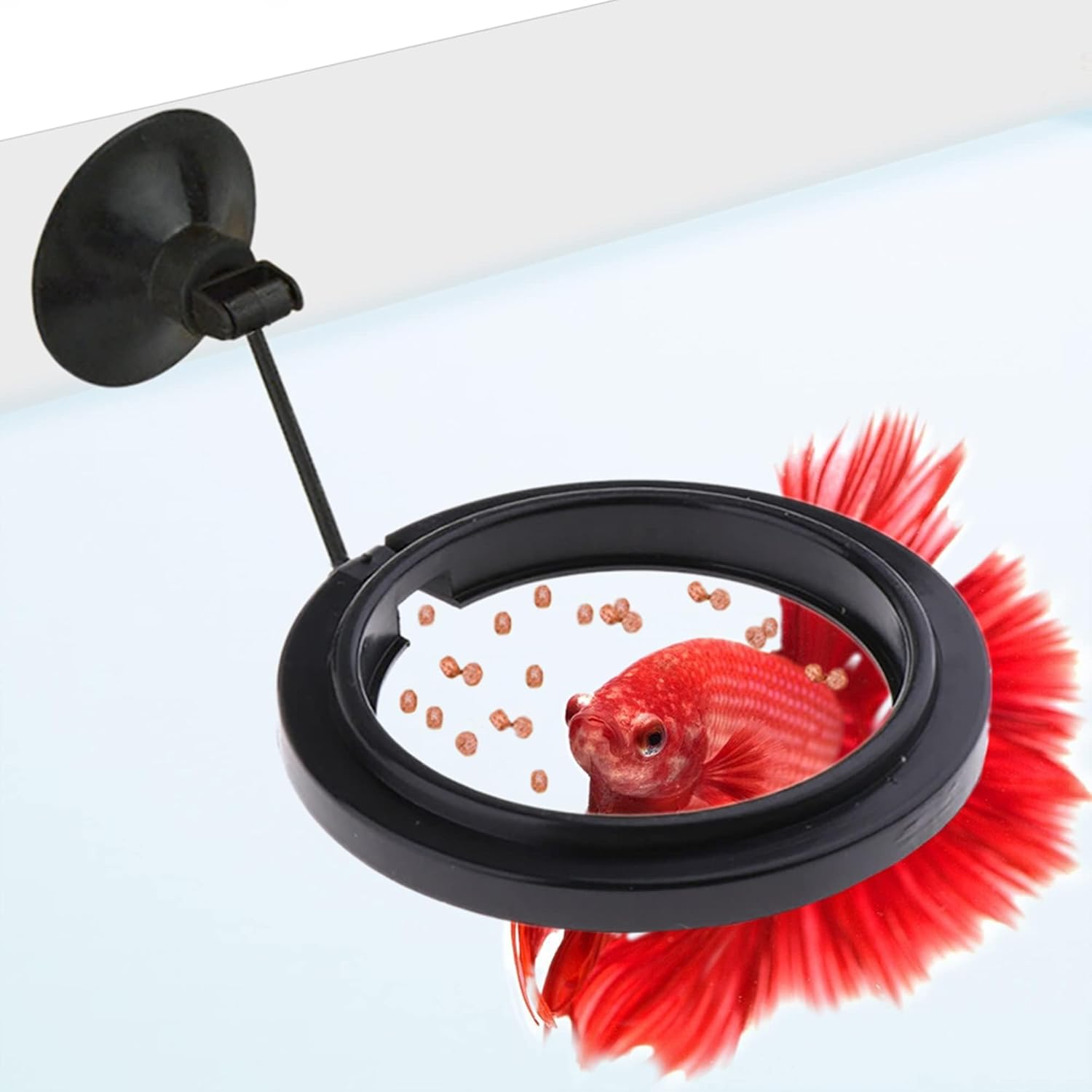
How Big to Female Betta Fish Get

So, how big do female betta fish get? On average, a female betta fish grows to about 2 to 2.5 inches in length. Their size depends on genetics, diet, tank size, and overall care. Female bettas are typically smaller than males and have a slimmer body shape. Understanding their growth patterns helps you provide the best environment for your fish.
Key Takeaways
- Average Size: Female betta fish typically reach 2 to 2.5 inches in length, making them smaller than their male counterparts.
- Growth Factors: Genetics, diet, water quality, and tank size all play major roles in how large a female betta grows.
- Tank Matters: A minimum 5-gallon tank is recommended to support healthy growth and overall well-being.
- Health Connection: A well-cared-for female betta will grow closer to her full size potential compared to one in poor conditions.
- Comparison With Males: Males can reach up to 3 inches including fins, while females stay noticeably smaller and more compact.
- Diet Importance: High-quality food and feeding variety directly impact growth rate and body development.
- Long-Term Care: Female bettas can live 3 to 5 years when given proper care, giving you years of enjoyment.
📑 Table of Contents
- How Big Do Female Betta Fish Get? A Complete Guide
- Average Size of a Female Betta Fish
- Factors That Affect Female Betta Growth
- Growth Stages of a Female Betta Fish
- How to Help Your Female Betta Reach Her Full Size
- Common Mistakes That Stunt Female Betta Growth
- Expert Insights on Female Betta Size
- Female Betta Fish Lifespan and Size Connection
- Conclusion
How Big Do Female Betta Fish Get? A Complete Guide
If you are thinking about getting a female betta fish or already have one, you probably wonder about her size. How big will she get? Will she outgrow her tank? Understanding the typical size of a female betta helps you plan the right setup and provide the best care possible.
Female bettas are beautiful, colorful, and full of personality. They are often smaller than males, which makes them great for smaller aquariums. But small does not mean low-maintenance. These fish still need proper space, nutrition, and clean water to thrive. Let us break down everything you need to know about how big do female betta fish get.
In this guide, we will cover average sizes, growth factors, tank requirements, and practical tips. Whether you are a new fish keeper or a seasoned hobbyist, this article has you covered. Let us dive in.
Average Size of a Female Betta Fish
So, how big do female betta fish get? On average, a female betta reaches about 2 to 2.5 inches in total length. This measurement includes the body and fins. Some may stretch closer to 3 inches if they have long finnage, but most stay within that 2 to 2.5 inch range.
It is important to note that betta size can vary. Not every fish is the same. Some natural variations exist based on the specific breed or color type. For example, a veiltail betta might appear longer because of its flowing tail, but the actual body length stays similar to other female bettas.
Here is a quick comparison of female betta sizes across different scenarios:
- Standard female betta: 2 to 2.5 inches
- Smaller varieties (crowntail, halfmoon): 1.5 to 2 inches
- Larger females with long fins: Up to 3 inches total length
Keep in mind that these numbers represent healthy, well-fed fish. A betta kept in poor conditions may not reach her full size potential. That is why proper care matters so much.
Female Betta Size Compared to Males
One common question is how female bettas compare to males in size. Male bettas are generally larger, reaching up to 3 inches in length. Males also have bigger fins and a more dramatic overall appearance. Females tend to be slimmer and more compact.
This size difference is due to natural sexual dimorphism. Males evolved larger fins and bodies to attract mates and display dominance. Females, on the other hand, stayed smaller for practical reasons related to egg production and agility.
| Feature | Female Betta | Male Betta |
|---|---|---|
| Average Body Length | 2 to 2.5 inches | 2.5 to 3 inches |
| Fin Size | Moderate | Large and flowing |
| Body Shape | Slim and compact | Slightly thicker |
| Color Intensity | Good but less vivid | Very vibrant |
| Overall Growth | Slower | Faster |
As you can see, the differences are noticeable but not extreme. A female betta still makes a stunning addition to any aquarium.
Factors That Affect Female Betta Growth
Not all female bettas grow to the same size. Several factors influence how large your fish will become. Understanding these can help you give her the best chance to reach her full potential.
Genetics
Just like people, bettas inherit traits from their parents. Some genetic lines produce larger fish, while others tend to stay smaller. If you buy from a reputable breeder, you often get a healthier and potentially bigger fish. Genetics set the baseline for growth.
Diet and Nutrition
Food plays a huge role in how big a female betta gets. A diet rich in protein and essential nutrients supports healthy development. Here are some feeding tips for optimal growth:
- Feed high-quality betta pellets as the main food source.
- Add variety with frozen or live foods like bloodworms and brine shrimp.
- Avoid overfeeding. Two small meals per day is ideal.
- Skip filler-heavy foods that offer little nutritional value.
A well-fed betta will naturally grow better than one fed cheap or inconsistent food. Betta fish diet directly connects to body size and overall vitality.
Tank Size and Environment
Many fish keepers underestimate how much tank size affects growth. A cramped tank limits a betta’s ability to swim, explore, and stay active. This inactivity can slow development and lead to health problems.
The betta fish tank size matters more than most people think. A minimum 5-gallon tank is strongly recommended for a single female betta. Larger tanks, such as 10 gallons, give even more room to swim and encourage natural behaviors.
Here is a quick look at recommended tank sizes based on needs:
- 5 gallons: Minimum for one female betta
- 10 gallons: Comfortable for one betta with room to explore
- 20 gallons: Great if you plan to add tank mates
Water Quality
Clean water is non-negotiable for healthy growth. Poor water conditions stress your fish and can stunt her development. Keep the temperature between 76 and 82 degrees Fahrenheit. Maintain a pH level around 6.5 to 7.5. Regular water changes of 25 to 50 percent weekly make a big difference.
Investing in a good filter and heater pays off in the long run. Your betta’s betta fish health and growth both depend on stable water parameters.
Growth Stages of a Female Betta Fish
Understanding the growth stages helps you track your fish’s development. Female bettas go through several phases from fry to adult. Each stage has unique needs.
Stage 1: Fry (0 to 2 Months)
Newly hatched betta fry are tiny, often less than a quarter of an inch. They feed on infusoria or finely crushed food during this early stage. Growth is rapid but the fish remain very small.
Stage 2: Juvenile (2 to 6 Months)
This is when visible growth really kicks in. A juvenile female betta may grow from half an inch to about 1.5 inches. She starts developing her color and fin shape. Feed protein-rich food to support this rapid growth phase.
Stage 3: Adolescent (6 to 12 Months)
At this point, your betta is getting close to her adult size. Most females reach 1.5 to 2 inches during this stage. Her personality really starts to show. She may begin displaying territorial behaviors.
Stage 4: Adult (12 Months and Beyond)
By her first birthday, a female betta is typically at or near her full size. Most reach their maximum length of 2 to 2.5 inches. From here, maintenance of health and color becomes the focus rather than further growth.
Betta Fish Growth Rate
The betta fish growth rate slows significantly after the first year. Do not expect your fish to keep growing at the same pace as a juvenile. Adult bettas maintain their size as long as they are healthy. If you notice a sudden change in size, it may signal a health issue that needs attention.
How to Help Your Female Betta Reach Her Full Size
Now that you know the factors behind growth, let us talk about practical steps. These tips help your female betta thrive and reach her size potential.
Provide a Proper Diet
Feeding is the most direct way to influence growth. Stick to a consistent schedule and offer high-quality food. Rotate between pellets, frozen foods, and occasional live treats. A varied diet ensures she gets all the nutrients she needs.
Keep the Tank Clean
Regular maintenance prevents disease and supports steady development. Test the water weekly. Change 25 to 50 percent of the water every week. Clean the substrate and remove any uneaten food promptly.
Give Enough Space
Do not keep a female betta in a tiny bowl. A 5-gallon tank minimum allows proper swimming and exploration. More space means more exercise, which promotes healthy growth and muscle development.
Monitor Her Health
Watch for signs of illness like clamped fins, lethargy, or loss of color. Early detection makes treatment easier. Common issues like ich, fin rot, and parasites can all affect growth. For instance, dealing with internal parasites in betta fish promptly ensures your fish can absorb nutrients properly and continue growing without setbacks.
Avoid Stress
Stress slows growth and weakens the immune system. Keep the tank in a quiet area. Avoid sudden changes in water temperature or chemistry. Provide hiding spots like plants or caves. A relaxed betta grows better and lives longer.
Quick Tips for Maximum Growth
- Feed small amounts 2 times daily instead of one large meal.
- Keep water temperature stable around 78 to 80 degrees Fahrenheit.
- Add live or silk plants to create a natural environment.
- Avoid aggressive tank mates that cause constant stress.
- Track your betta’s size monthly with photos for comparison.
Common Mistakes That Stunt Female Betta Growth
Even experienced keepers can make mistakes. Here are some common errors that hold back your female betta’s growth.
Overfeeding
Too much food is a very common problem. Overfeeding leads to obesity, which does not mean bigger fish. It means unhealthy fish. Uneaten food also pollutes the water. Stick to small, measured portions.
Using a Bowl Instead of a Tank
Balls and small containers limit movement and waste buildup. A female betta in a bowl often stays smaller than one in a proper tank. The lack of space and poor water quality holds back her full potential.
Ignoring Water Changes
Skipping water changes allows ammonia and nitrites to build up. These toxins stress your fish and can cause serious illness. A consistent maintenance schedule is essential for growth and longevity.
Keeping Incompatible Tank Mates
Some fish harass or nip at bettas. Constant stress from aggressive tank mates slows growth and damages fins. Research betta fish tank mates carefully before adding anything to the tank.
Buying From Unreliable Sources
Pet stores often keep fish in poor conditions. Fish from these environments may already be stressed or underdeveloped. Buying from a trusted breeder gives your fish a better start in life.
Expert Insights on Female Betta Size
We spoke with experienced betta breeders to get their take on size expectations. Most agreed that genetics set the ceiling, but care determines whether a fish reaches that ceiling.
One breeder noted, “I have seen female bettas kept in 5-gallon tanks with excellent diets reach a solid 2.5 inches. The same genetic line kept in small bowls barely hit 1.5 inches. Environment makes all the difference.”
Another expert emphasized the role of early nutrition. “The first six months are critical. Feed high-quality food during this window, and your betta will develop a strong body that stays healthy for years.”
These insights reinforce what science and experience tell us. Proper care during the juvenile stage has the biggest impact on adult size.
Female Betta Fish Lifespan and Size Connection
Does size affect how long a betta lives? Not directly, but the factors that influence size also affect lifespan. A well-fed betta in a clean tank with proper heating tends to live longer. The average betta fish lifespan is 3 to 5 years, though some live longer with exceptional care.
A healthy fish that reaches her full size potential is more likely to enjoy a longer, happier life. Stunted growth often signals underlying problems that can shorten lifespan. Focus on overall health, and size will take care of itself.
Conclusion
So, how big do female betta fish get? The answer is typically 2 to 2.5 inches for a healthy adult female. Genetics, diet, tank size, water quality, and overall care all play a role in reaching that size. By providing excellent food, a clean environment, and enough space, you give your betta the best chance to thrive.
Remember that every fish is unique. Some may be slightly smaller or larger than average. What matters most is that your betta is healthy, active, and happy. Follow the tips in this guide, watch your fish closely, and enjoy watching her grow. A well-cared-for female betta is a joy to keep for years to come.
Frequently Asked Questions
How big do female betta fish get compared to males?
Female bettas typically reach 2 to 2.5 inches, while males can grow up to 3 inches. Males also have significantly larger fins and a thicker body. The size difference is natural and relates to their different roles and physical traits.
What is the maximum size a female betta fish can reach?
The maximum size for a female betta is about 2.5 to 3 inches total length including fins. Some exceptionally large females with long finnage may appear close to 3 inches. Genetics and care quality determine whether a fish reaches the upper end of this range.
Does tank size affect how big a female betta gets?
Yes, tank size directly affects growth. A fish kept in a small bowl has limited space to swim and often receives poorer water quality. A 5-gallon tank or larger supports healthier development and helps the betta reach her full size potential.
How can I make my female betta fish grow bigger?
Focus on excellent nutrition, clean water, and adequate space. Feed high-quality pellets along with frozen or live foods. Keep the tank heated to 76 to 82 degrees Fahrenheit and perform regular water changes. A stress-free environment promotes healthy growth.
At what age is a female betta fish fully grown?
Most female bettas reach their full size by about 12 months of age. Growth slows significantly after the first year. During the juvenile phase (2 to 6 months), they grow the fastest. After that, they gradually fill out to their adult size.
Are female betta fish smaller than male betta fish?
Yes, female bettas are generally smaller than males. Females average 2 to 2.5 inches while males reach up to 3 inches. Females also have a slimmer body and shorter fins. This difference is natural and known as sexual dimorphism in betta fish.
=== META DESCRIPTION (Final) ===
Discover how big do female betta fish get. Learn about female betta size, growth factors, tank requirements, diet tips, and expert advice for healthy growth.