How Big Should Crowntail Betta Fish

Crowntail betta fish typically grow to about 2 to 3 inches in body length, but their flowing fins can add another 2 inches to their total size. Providing the right tank size, proper diet, and clean water helps your crowntail betta reach its full potential. This guide covers everything you need to know about how big should crowntail betta fish get and how to support healthy growth.
If you own a crowntail betta or are thinking about getting one, you probably wonder how big should crowntail betta fish get. These stunning fish with their elaborate finnage are a favorite among hobbyists. But size isn’t just about looks. It tells you a lot about your fish’s health and living conditions.
A crowntail betta that reaches its full size is a happy betta. Stunted growth often signals poor water quality, wrong tank size, or bad feeding habits. The good news is that helping your betta grow properly is not complicated. With the right setup and a little attention, your fish can thrive and display its full glory.
So let us dive into everything you need to know about crowntail betta size. We will cover growth stages, tank requirements, feeding tips, and common mistakes that hold your fish back.
Key Takeaways
- Adult Size: Crowntail bettas reach 2-3 inches in body length with fins extending up to 5 inches total.
- Tank Size Matters: A minimum 5-gallon tank is recommended for one crowntail betta to support healthy growth.
- Growth Timeline: Most crowntail bettas reach full size within 6 to 12 months with proper care.
- Diet Impact: Feeding high-quality food 2-3 times daily supports steady and healthy growth rates.
- Health Signs: Bright colors, active swimming, and intact fins indicate your betta is growing properly.
- Common Mistake: Keeping bettas in tanks that are too small stunts growth and causes stress.
📑 Table of Contents
- How Big Do Crowntail Bettas Get?
- Growth Stages of a Crowntail Betta
- What Tank Size Do Crowntail Bettas Need?
- How to Help Your Crowntail Betta Grow to Full Size
- Signs Your Crowntail Betta Is Growing Properly
- Common Mistakes That Stunt Crowntail Betta Growth
- How Long Does It Take for a Crowntail Betta to Reach Full Size?
How Big Do Crowntail Bettas Get?
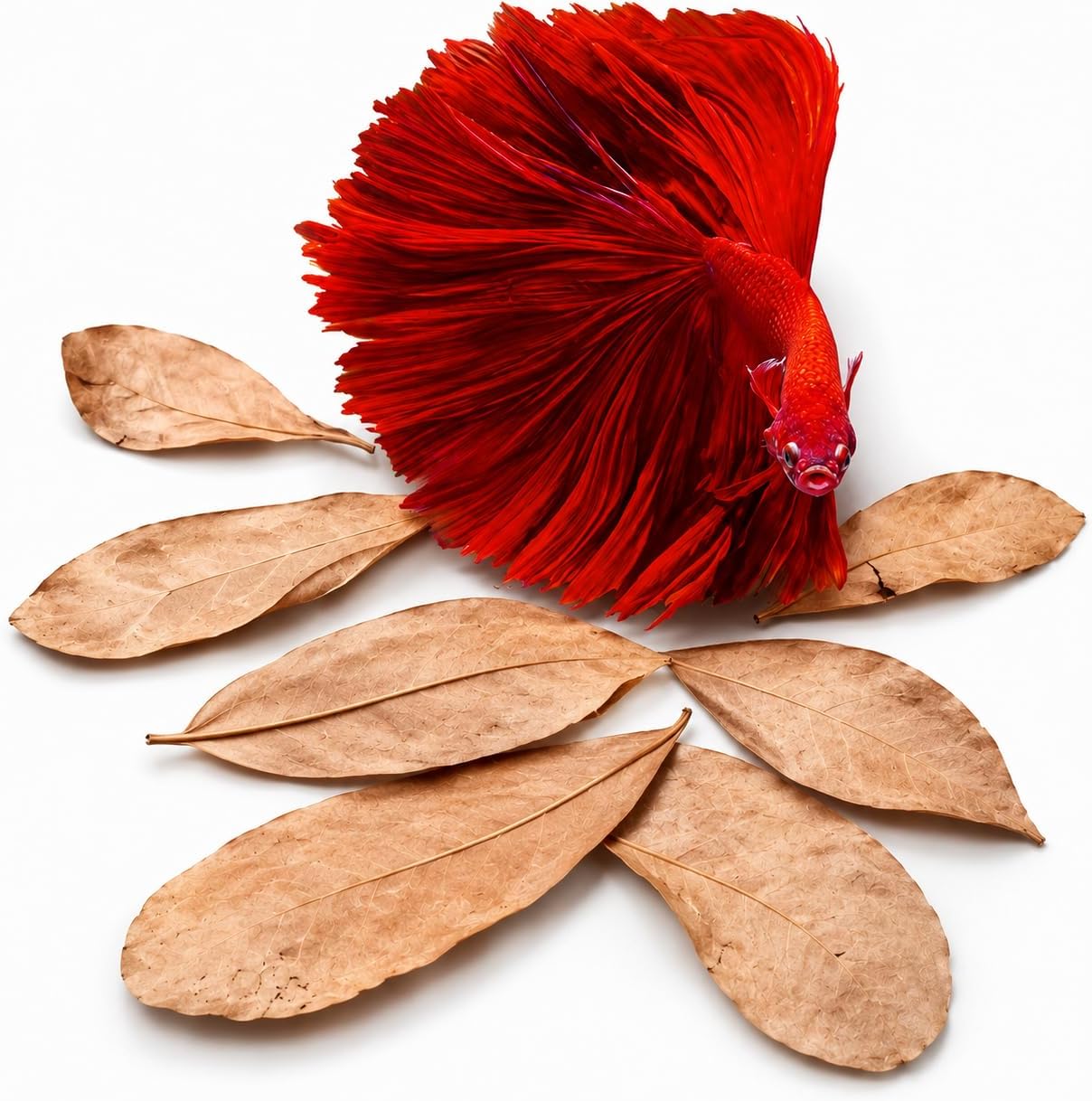
The short answer is that crowntail betta fish typically grow to about 2 to 3 inches in body length. But here is the twist. Their signature crown-like fins can stretch another 2 to 3 inches beyond the body. This means your total fish can reach up to 5 or even 6 inches when you include the fins.
Many people confuse body size with total length. When you see those gorgeous trailing fins, it is easy to think the fish is bigger than it actually is. The body itself stays fairly compact. But the fins give the crowntail its dramatic appearance and impressive size profile.
If you are comparing your betta to others online or in stores, remember that genetics play a big role. Some crowntails develop longer fins than others. The fish’s environment and care routine also affect how big they get. A well-cared-for crowntail betta will always look and feel larger than one kept in poor conditions.
Male vs Female Crowntail Size Differences
Male crowntail bettas are generally larger than females. Males tend to reach the full 2 to 3 inches in body length. Their fins are also longer and more dramatic. Females usually stay a bit smaller, around 1.5 to 2.5 inches in body length. Their fins are shorter and less elaborate.
However, both sexes can thrive in the same tank size. The key difference is that males need more space for their flowing fins. If you plan to keep a male crowntail, give him room to spread out. A cramped tank damages those beautiful fins over time.
Growth Stages of a Crowntail Betta
Understanding the growth stages helps you set realistic expectations. How big should crowntail betta fish be at each stage? Here is a breakdown of what to expect.
Stage 1: Baby Betta (0 to 2 Months)
When a crowntail betta is born, it is tiny. Baby bettas are usually less than half an inch long. During this stage, they are very fragile. They need warm, clean water and tiny food like baby brine shrimp or microworms. Growth is rapid in the first few weeks, but the fish is still very small.
At this stage, many keepers use small containers or breeding tanks. Just make sure the water stays pristine. Even a small tank with good filtration works well for babies.
Stage 2: Juvenile Betta (2 to 4 Months)
By 2 months, your crowntail betta should be around 0.75 to 1 inch long. The fins start to develop their signature crown shape. Colors begin to appear during this stage too. The fish becomes more active and curious.
This is a good time to move your betta into a proper tank if you have not already. A 3 to 5 gallon tank works well for juveniles. Make sure the water temperature stays between 78 and 80 degrees Fahrenheit. Stable temperatures support steady growth.
Stage 3: Adolescent Betta (4 to 8 Months)
The adolescent stage is when your crowntail really starts to show off. Body length reaches about 1.5 to 2 inches. Fins grow longer and the crown pattern becomes more defined. Your betta’s personality also shines through during this time.
Feeding plays a big role now. A varied diet of pellets, frozen bloodworms, and daphnia helps the fish develop fully. This is also when fins are most vulnerable to damage. Avoid sharp decorations and strong filter outflows that could tear those delicate fins.
Stage 4: Adult Betta (8 to 12 Months)
By 8 to 12 months, most crowntail bettas reach their full size. Body length stabilizes at 2 to 3 inches. Fin length is also at its peak. The colors deepen and the finnage becomes more elaborate with age.
Some bettas continue to fill out slightly beyond 12 months. But major growth slows down significantly after the first year. If your betta seems small for its age, check water parameters and diet. These are the most common reasons for slow growth.
What Tank Size Do Crowntail Bettas Need?
Tank size directly affects how big your betta can grow. A cramped tank does not just limit movement. It also degrades water quality fast. Poor water quality leads to stress, disease, and stunted growth.
So how big should crowntail betta fish tank be? The minimum recommendation is a 5-gallon tank for one betta. This gives your fish enough room to swim and explore. It also makes it easier to maintain stable water parameters.
If you want your crowntail to really thrive, consider a 10-gallon tank. The extra space allows for better filtration and more stable temperatures. Your betta will have room to display those full, flowing fins without any restrictions.
For comparison, here is a quick look at tank size recommendations:
| Tank Size | Best For | Growth Impact |
|---|---|---|
| 2.5 Gallons | Temporary housing only | Stunts growth over time |
| 5 Gallons | Minimum for one crowntail betta | Supports healthy growth |
| 10 Gallons | Ideal for long-term care | Promotes optimal growth |
| 20 Gallons | Community or breeding setups | Excellent for full development |
Remember that how big do betta fish get depends heavily on their environment. A betta in a 10-gallon tank will almost always outgrow a betta in a 2-gallon bowl. The difference is not just in body size. It is also in fin length and overall vitality.
If you are unsure about your current setup, check out this guide on how big of a tank do betta fish need for more detailed recommendations.
How to Help Your Crowntail Betta Grow to Full Size
Genetics set the ceiling for your betta’s size. But environment and care determine how close your fish gets to that ceiling. Here are the most important factors to get right.
Feed a High-Quality Diet
Food is fuel for growth. A crowntail betta needs protein-rich food to reach its full size. High-quality betta pellets should be the staple of its diet. Look for pellets with at least 35% protein content.
Supplement pellets with frozen or live foods a few times a week. Bloodworms, brine shrimp, and daphnia are excellent choices. These foods provide extra nutrients that support fin growth and vibrant color.
Feed your betta 2 to 3 small meals per day. Do not overfeed. Excess food pollutes the water and can cause health problems. A good rule is to feed only what your fish can eat in 2 minutes.
If you want more detailed feeding guidance, read how many times should I feed my betta fish for a complete feeding schedule.
Keep Water Clean and Stable
Clean water is the foundation of healthy growth. Ammonia and nitrite levels should always be zero. Nitrate levels should stay below 20 ppm. Test your water weekly with a liquid test kit. This is the most accurate way to monitor water quality.
Perform partial water changes of 25 to 30 percent every week. This removes toxins and replenishes essential minerals. Use a gravel vacuum to clean the substrate during water changes. Dirty substrate builds up waste that can harm your fish.
Temperature stability matters too. Keep the water between 78 and 80 degrees Fahrenheit. Sudden temperature swings stress your betta and slow down growth. A reliable heater with a thermostat makes this easy to maintain.
Provide Enough Swimming Space
Crowntail bettas love to swim. Their long fins do not slow them down as much as people think. In fact, a betta with room to swim develops stronger muscles and healthier fins. A tank that is too small restricts movement and causes fin damage.
Arrange your tank with open swimming areas and gentle plants. Avoid sharp decorations that can tear fins. Soft-leaved plants like java fern and anubias are great choices. They provide cover without harming your fish.
If you are wondering whether bigger tanks are better, check out do betta fish do well in big tanks for expert insights on tank size and betta happiness.
Signs Your Crowntail Betta Is Growing Properly
How do you know your betta is on track? Look for these positive signs of healthy growth.
- Steady Increase in Body Length: Your betta should grow visibly every few weeks during the first year.
- Bright, Vibrant Colors: Healthy growth comes with rich, saturated colors. Fading colors often indicate stress or illness.
- Full, Flowing Fins: The crown tail pattern should become more defined as your betta matures. Fins should be smooth and unbroken.
- Active Swimming: A growing betta is an active betta. Your fish should explore the tank and respond to your presence.
- Good Appetite: A healthy betta eats eagerly and consistently. Loss of appetite is a red flag at any age.
If your betta shows none of these signs, do not panic right away. Check your water parameters first. Then evaluate your feeding routine. Sometimes small adjustments make a big difference.
Common Mistakes That Stunt Crowntail Betta Growth
Many betta keepers unknowingly hold their fish back. Here are the most common mistakes and how to avoid them.
Keeping Your Betta in Too Small a Tank
This is the number one mistake. Those tiny cups and bowls sold in pet stores are not suitable for long-term housing. A tank under 2.5 gallons creates toxic conditions fast. Stagnant water stresses your betta and slows its growth significantly.
Upgrade to at least a 5-gallon tank as soon as possible. Your betta will thank you with better color, more energy, and stronger fin development.
Overfeeding Your Betta
It is tempting to feed your betta lots of food because they beg for it. But overfeeding causes constipation, bloating, and dirty water. All of these issues harm growth. Stick to a consistent feeding schedule and remove any uneaten food after a few minutes.
If you are unsure about the right portion size, visit how much should a betta fish eat for helpful portion guidelines.
Ignoring Water Changes
Even with a filter, water changes are essential. Filters remove solid waste but do not dissolve toxins. Regular water changes dilute nitrates and replenish minerals. Skipping water changes for weeks can set back your betta’s growth and even shorten its lifespan.
Set a reminder to do your water changes every week. It only takes 10 to 15 minutes and makes a huge difference.
Keeping Multiple Male Bettas Together
Male crowntail bettas are territorial. Keeping two males in one tank causes constant stress. Stressed fish do not grow properly. They may also injure each other with their finnage. Always house male bettas separately.
How Long Does It Take for a Crowntail Betta to Reach Full Size?
Most crowntail bettas reach their full body size within 6 to 12 months. Fin growth continues alongside body growth during this period. By the time your betta is one year old, you should have a good idea of its adult size.
Some bettas take a bit longer to fully develop. This is especially true for fish that started life slowly or experienced any health issues early on. Be patient and focus on providing consistent care. The results will come.
If you are curious about the overall lifespan of your fish, check out how long does a betta fish live to understand the full picture of betta care.
Remember that how big should crowntail betta fish get is not just a number. It is a reflection of how well you care for your fish. A healthy, well-raised crowntail betta will always be a joy to watch and a testament to your dedication as a hobbyist.
Take the time to get the basics right. Provide a proper tank, clean water, good food, and a stress-free environment. Your crowntail betta will reward you with vibrant colors, flowing fins, and a personality that lights up your room. That is what keeping these beautiful fish is all about.
Frequently Asked Questions
How big do crowntail betta fish get in inches?
Crowntail bettas typically grow to 2 to 3 inches in body length. When you include their long fins, the total length can reach 5 to 6 inches. Males tend to be larger than females, especially in fin length.
What is the best tank size for a crowntail betta?
A minimum 5-gallon tank is recommended for one crowntail betta. A 10-gallon tank is even better because it provides more swimming space and helps maintain stable water parameters. Avoid tanks smaller than 2.5 gallons for long-term housing.
How fast do crowntail bettas grow?
Crowntail bettas grow fastest during the first 6 months of life. They reach most of their adult body size by 8 to 12 months. Fin growth continues throughout the first year and can keep developing slightly beyond that.
Can a small tank stunt a betta fish’s growth?
Yes, absolutely. A tank that is too small leads to poor water quality, stress, and stunted growth. Keeping your betta in a properly sized tank with clean water is essential for reaching its full size potential.
Does diet affect how big a crowntail betta gets?
Yes, diet plays a significant role in growth. A protein-rich diet with high-quality pellets and supplemental live or frozen foods supports healthy growth. Overfeeding or underfeeding can both negatively impact your betta’s size and overall health.
Are crowntail bettas bigger than other betta types?
Crowntail bettas are similar in body size to other betta splendens varieties. What sets them apart is their dramatic finnage. Their fins can be longer and more elaborate than other tail types, giving them a larger overall appearance.
=== CONCLUSION ===
How big should crowntail betta fish get? The answer is up to you and the care you provide. With the right tank size, clean water, proper diet, and a stress-free environment, your crowntail betta can reach its full potential of 2 to 3 inches in body length with stunning fins to match. Follow the tips in this guide, avoid the common mistakes, and enjoy watching your betta grow into a beautiful, healthy fish.