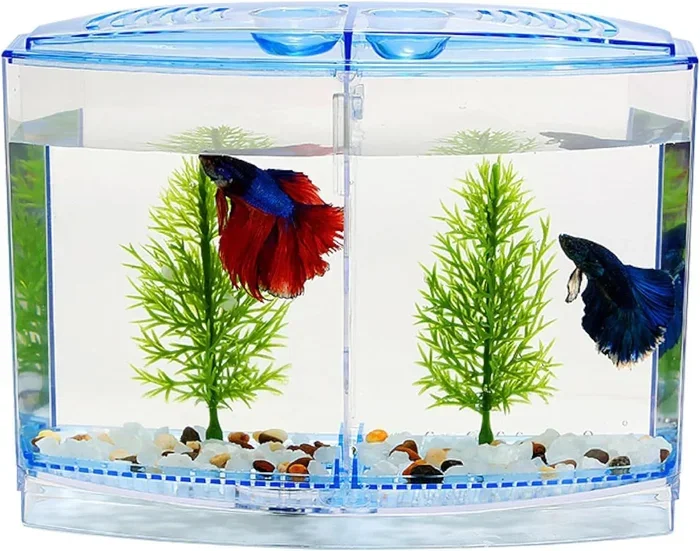
Can You Put Betta Fish in the Same Tank Safely and Smartly
You might wonder if betta fish can live in the same tank. The answer depends on several factors like tank size, fish gender, and setup. Male bettas are aggressive and usually cannot share space, while female bettas can sometimes live together in a “sorority” with proper planning. Even then, it requires careful monitoring and the right tank conditions. This guide will show you exactly how to create a safe environment if you want to keep multiple bettas together.
Have you ever looked at your betta fish and wondered if they could use a friend? Maybe you think two bettas would look beautiful together in a tank. The idea of can you put betta fish in the same tank is one of the most common questions new betta owners ask. It seems simple, but the answer is actually quite complex.
The short answer is that it depends. Some bettas can live together safely. Others cannot. The key is understanding their natural behavior and needs. Betta fish, also known as Siamese fighting fish, have a reputation for being aggressive. This trait comes from their wild ancestors who fought over territory and mates. In the wild, male bettas will fight to the death if they meet. This instinct doesn’t just disappear in a home aquarium.
But here’s the good news. With the right setup, the right tank size, and the right fish, you can create a peaceful community. This guide will walk you through everything you need to know. You’ll learn about male and female compatibility, tank setup tips, and what other fish can share space with your bettas. By the end, you’ll know exactly how to make it work.
Key Takeaways
- Male bettas should never live together: They will fight, often to the death. Each male needs its own separate tank.
- Female bettas can form a sorority: With 4-5 females in a 20+ gallon tank, some groups work well.
- Tank size matters tremendously: More space means less aggression and more hiding opportunities.
- Proper hiding spots reduce stress: Plants, caves, and driftwood break lines of sight and give fish safe zones.
- Always have a backup plan: Keep a separate tank ready in case you need to separate aggressive fish.
- Quarantine new fish before adding: A 2-week quarantine prevents diseases from spreading to your existing fish.
- Monitor behavior daily: Catch aggression early before injuries occur. Watch for chasing, fin nipping, and constant flaring.
📑 Table of Contents
Understanding Betta Fish Behavior
Before we talk about putting bettas together, we need to understand how they think and act. Betta fish are territorial animals. They claim space in their tank and defend it. A male betta will flare his fins and gills to look bigger when another male enters his territory. This is a warning sign. If the other fish doesn’t leave, a fight usually follows.
Female bettas behave differently. They don’t have the same strong territorial drive as males. In the wild, females sometimes live in groups called sororities. However, they still establish a pecking order. One female might be the boss and bully the others. This is why even female bettas need space and hiding spots.
Stress is a big issue when keeping bettas together. When a fish feels threatened, it releases cortisol into its body. High cortisol levels weaken the immune system. Over time, a stressed betta can develop diseases like fin rot or ich. This is why the tank setup matters so much. You need to give each fish a place to feel safe.
The Role of Tank Size
Tank size is probably the most important factor. A common mistake is putting bettas in a bowl or tiny tank. Bettas need room to swim. A small tank means they can’t escape each other. There’s nowhere to hide and no space to diffuse tension.
The general rule for a betta sorority is at least 20 gallons for 4-5 female bettas. Some experts recommend even larger tanks. The more space, the better. A large tank gives each fish its own zone. They can avoid each other when needed. This reduces stress and prevents fights.
Natural Instincts in Captivity
In their natural habitat, betta fish live in shallow rice paddies and slow-moving waters in Southeast Asia. During the dry season, these waters shrink, forcing bettas into smaller spaces. This is when aggression peaks. In the wet season, waters expand, and bettas spread out. This cycle shows how environment affects behavior.
In captivity, we control the environment. We can mimic the wet season by giving bettas plenty of space. Or we can mimic the dry season by keeping them in small tanks. The choice is ours. But the outcome is clear. More space means less aggression.
Male vs Female Betta Compatibility
Now let’s talk about the big question. Can male and female bettas live together? The answer is complicated. Male bettas are extremely aggressive toward other males. Two male bettas in the same tank will almost certainly fight. One will get hurt, or worse. This is why you should never, ever put two male bettas together.
What about one male and one female? This can work, but only for breeding purposes. A male and female can be introduced for breeding. After breeding, they should be separated. The male will become aggressive toward the female once mating is done. He might even try to eat her eggs. So keeping a male and female together long-term is not recommended.
Female bettas have more flexibility. As I mentioned, female bettas can sometimes live in a sorority. But it’s not guaranteed. Some females get along fine. Others don’t. You need to monitor them closely. If you see one female constantly chasing another, it’s time to separate them.
For more details on this, check out this article about Can Two Male Betta Fish Live In The Same Tank. It goes deeper into male aggression and why it’s so dangerous.
Why Male Bettas Fight
Male bettas fight because of their instincts. In the wild, only the strongest males get to reproduce. Fighting is how they establish dominance. The winner gets the territory and the females. The loser either dies or retreats.
In a tank, there’s no retreat. The loser is trapped with the winner. This is why fights in tanks are often fatal. Even if the loser survives, the stress can cause secondary infections. Fin rot is common in fighting bettas. The damaged fins become infected, and the fish dies weeks later.
Some people think they can train bettas to get along. This is not possible. Betta aggression is hardwired into their DNA. You can’t train it away. The only solution is to keep males separate.
Setting Up a Safe Betta Tank for Multiple Fish
If you decide to keep multiple bettas, the tank setup is crucial. You need to think like a betta. What would make them feel secure? The answer involves plants, decorations, and tank mates.
First, add plenty of live or silk plants. Plants provide cover and break up lines of sight. When bettas can’t see each other clearly, they’re less likely to fight. Good plants include java fern, Anubias, and hornwort. These are easy to care for and betta-safe.
Second, use decorations to create caves and tunnels. Betta fish love to explore. They also need places to hide. You can use driftwood, rock formations, or even commercial betta caves. The goal is to break the tank into sections. Each fish should have a “home base” where it feels safe.
Third, consider a tank divider. If you have a large tank, you can use a divider to separate fish. This allows them to see each other without physical contact. Over time, they might get used to each other’s presence. This can reduce aggression. But always remove the divider if you’re not watching the fish.
For plant recommendations, this article about Can You Put Plants In With Betta Fish has great tips on which plants are safe and how to arrange them.
Water Quality Matters
When you have multiple fish in one tank, water quality gets worse faster. More fish means more waste. Waste produces ammonia, which is toxic to fish. You need a strong filtration system and regular water changes.
A good rule is to change 25-30% of the water weekly. Use a water conditioner to remove chlorine and heavy metals. Test the water regularly with a liquid test kit. Ammonia should always be zero. Nitrite should also be zero. Nitrate should be below 40 ppm.
Poor water quality stresses fish. Stressed fish fight more. So keeping the water clean is actually part of preventing aggression.
Filtration Needs
Bettas like slow-moving water, but multiple bettas produce more waste. You need a filter that’s strong enough to clean the water but not so strong that it creates a current. A sponge filter or a hang-on-back filter with adjustable flow works well. Clean the filter media regularly to prevent clogging. A clean filter keeps the water fresh and the fish healthy.
Betta Fish Tank Mates: What Else Can Live With Them?
Maybe you don’t want to keep multiple bettas together. That’s totally fine. Instead, you might want to add other fish to make a community tank. The key is choosing peaceful tank mates that won’t stress your betta.
Good tank mates for bettas include:
– Snails: Mystery snails and nerite snails are great. They clean the tank and don’t bother bettas.
– Small tetras: Neon tetras and ember tetras are peaceful and fast. They can outswim a betta.
– Corydoras catfish: These bottom-dwellers are gentle and entertaining to watch.
– Gouramis: Dwarf gouramis can work, but only in large tanks. They’re semi-aggressive like bettas.
Bad tank mates include:
– Goldfish: They produce too much waste and need cold water.
– Angelfish: They’re too large and aggressive.
– Betta fish themselves (as we discussed).
Always research any fish before adding it to your tank. Introduce new fish slowly. Use the drip acclimation method to help them adjust.
For a deeper dive on this topic, check out Can You Put Other Fish In With Betta Fish. It covers compatibility charts and step-by-step introduction guides.
Introducing New Fish Safely
Adding new fish to a tank is stressful for everyone. The existing fish will see the new fish as an intruder. The new fish will be scared. To reduce stress, follow these steps:
1. Quarantine new fish for 2 weeks in a separate tank. This prevents diseases from spreading.
2. Float the bag with new fish in the main tank for 15 minutes to equalize temperature.
3. Use the drip acclimation method. Slowly drip tank water into the bag over 1-2 hours.
4. Release the new fish gently into the tank. Don’t dump the bag water in.
5. Turn off the lights for the first day. This helps reduce stress.
Common Mistakes to Avoid
Even experienced fish keepers make mistakes when keeping bettas together. Here are the most common ones and how to avoid them.
Mistake #1: Putting two male bettas in a tank. This is the biggest mistake. Male bettas will fight until one dies. There’s no exception. If you have two males, you need two separate tanks.
Mistake #2: Using a tank that’s too small. A 5-gallon tank is fine for one betta. But for multiple bettas, you need at least 20 gallons. The more space, the better.
Mistake #3: Not providing enough hiding spots. If a betta can’t find a place to hide, it will become stressed. Stress leads to disease and aggression. Add plants, caves, and driftwood.
Mistake #4: Ignoring aggression signs. If you see one betta chasing another, flaring fins, or nipping fins, take action immediately. Separate the fish before someone gets hurt.
Mistake #5: Adding new fish too quickly. When you add a new fish to a tank, the existing fish will see it as an intruder. This causes stress. Wait at least a week between adding new fish.
Mistake #6: Overfeeding. More fish means more food. But overfeeding pollutes the water. Feed your bettas once a day, only what they can eat in two minutes.
Quick Tips for Success
Here are some quick tips to remember:
– Always quarantine new fish for 2 weeks before adding to the main tank.
– Use a filter with adjustable flow. Bettas like slow-moving water.
– Monitor water parameters weekly.
– Have a backup plan. Keep a separate tank ready in case you need to separate fish.
Female Betta Sorority: Is It Right for You?
A female betta sorority is a group of female bettas living together. It can be a beautiful setup. You get to see their different colors and personalities. But it’s not for everyone. It requires more effort than keeping a single betta.
To create a successful sorority, you need:
– At least 4-5 females. Fewer than this can lead to bullying.
– A large tank. 20 gallons minimum, 30+ gallons is better.
– Lots of plants and hiding spots.
– A backup plan for aggressive fish.
– Patience. It might take weeks for them to settle.
Some people have great luck with sororities. Others end up separating the fish. It depends on the individual bettas. Some females are naturally peaceful. Others are not.
If you’re considering a sorority, do your research first. Watch videos and read forums. Talk to experienced betta keepers. This will help you set realistic expectations.
For more on this, this article about Can Female Betta Fish Live In The Same Tank has detailed case studies and tips from successful sorority keepers.
Conclusion
So, can you put betta fish in the same tank? Yes, but it’s not simple. Male bettas should never share a tank. Female bettas can sometimes live together in a sorority, but it requires careful planning. You need the right tank size, the right plants, and the right number of fish. You also need to monitor them closely and be ready to separate fish if needed.
If you’re new to fish keeping, start with one betta. Get to know their behavior. Then, if you want to expand, consider adding peaceful tank mates instead of more bettas. This is often easier and less stressful for the fish.
Remember, the goal is always the same. We want our fish to be happy and healthy. A beautiful tank is nice, but a healthy fish is more important. With the right knowledge and preparation, you can create a tank that both you and your bettas will love.
Final Thoughts
Every betta is different. Some are peaceful. Some are not. The key is to observe your fish and respond to their needs. If you see signs of stress or aggression, don’t hesitate to separate them. A single betta in a well-maintained tank is always a happy betta.
The journey of keeping bettas together is filled with learning moments. You might fail at first. That’s okay. Fish keeping is a process. Each mistake teaches you something new. With time and experience, you’ll develop the skills to create a thriving community tank.
So take your time. Do your research. Start slow. And remember, the health and happiness of your fish come first. Everything else is just decoration.
Frequently Asked Questions
Can I put two male betta fish in the same tank?
No, you should never put two male betta fish in the same tank. Male bettas are extremely aggressive and territorial. They will fight, often to the death. Even if they seem peaceful at first, stress can trigger aggression at any time. Each male betta needs its own separate tank.
How many female betta fish can live together?
Female betta fish can live in groups called sororities. A good starting number is 4-5 females in at least a 20-gallon tank. More fish help distribute aggression and reduce bullying. However, you need to monitor them closely and provide plenty of hiding spots.
What tank size do I need for multiple betta fish?
For a female betta sorority, you need at least 20 gallons for 4-5 fish. Some experts recommend 30 gallons or more. The larger the tank, the better. More space gives each fish its own territory and reduces stress.
Can betta fish live with other types of fish?
Yes, betta fish can live with peaceful tank mates like snails, small tetras, and corydoras catfish. However, you need to choose tank mates carefully. Avoid goldfish, angelfish, and other aggressive or large fish. Always research compatibility before adding new fish.
How do I introduce betta fish to each other?
Introduce betta fish slowly. Start by placing them in separate tanks with a divider. Let them see each other for a few days. If they seem calm, remove the divider for short periods. Watch for aggression. If fighting occurs, separate them immediately. Never drop two bettas into a tank together without acclimation.
What are signs of aggression in betta fish?
Signs of aggression include flared gills, chasing, fin nipping, and constant displaying. A betta may also lock eyes with another fish and flare its fins. If you see these behaviors, separate the fish before injuries occur.