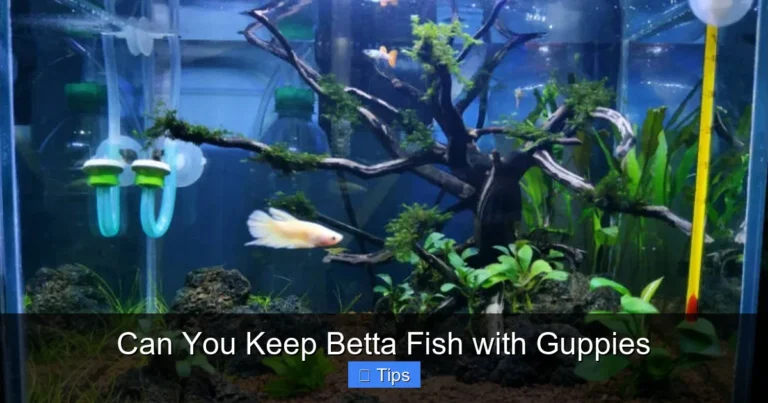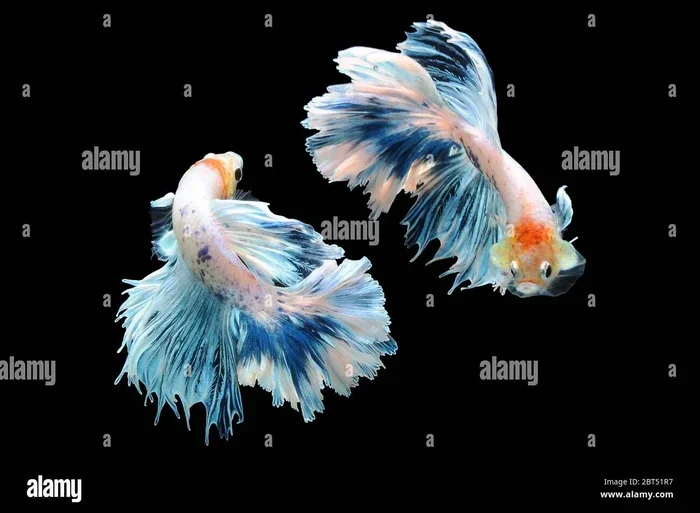
Can You Keep Two Betta Fish Together Without a Fight
Keeping two betta fish together can work with the right setup, but it’s never guaranteed. Understanding their territorial nature and tank requirements is essential before introducing them.
So, you’re wondering if you can keep two betta fish together? It’s a common question among betta enthusiasts, and the answer isn’t a simple yes or no. Betta fish, also known as Siamese fighting fish, are beloved for their vibrant colors and flowing fins, but they’re also famous for their feisty personalities. In this comprehensive guide, we’ll dive deep into the realities of co-housing bettas, explore the factors that influence compatibility, and provide practical tips to help you make the best decision for your finned friends. Whether you’re a beginner or have kept bettas for years, you’ll find valuable insights to navigate this challenging yet fascinating aspect of betta care.
### Understanding Betta Fish Territorial Behavior
Betta fish originate from the rice paddies and slow-moving waters of Southeast Asia. In the wild, they’ve adapted to survive in environments where space is limited, but they’ve also developed strong territorial instincts. Male bettas, in particular, are hardwired to defend their space from other males. This aggression is so pronounced that even seeing their own reflection can trigger a territorial display. When we bring this behavior into a home aquarium, it’s crucial to understand that a betta’s instinct to protect its territory doesn’t disappear just because the tank is larger.
Female bettas are generally less aggressive than males, but they’re not immune to territorial disputes. In fact, female bettas can be just as feisty when establishing a hierarchy. The key to success lies in recognizing the signs of stress and aggression early, and creating an environment that minimizes the need for constant conflict.
Signs your betta is feeling territorial:
– Flaring gills and spreading fins
– Chasing or nipping at tank mates
– Darker coloration or stress stripes
– Hiding excessively or refusing to eat
If you notice these behaviors, it’s a clear signal that your betta is uncomfortable and may not tolerate a tank mate well.
### Tank Requirements for Co-Housing Bettas
If you’re determined to try keeping two bettas together, the tank setup becomes your most important tool for success. A cramped space will almost guarantee fights, while a well-planned environment can sometimes mitigate aggressive tendencies.
Minimum tank size: For two bettas, you’ll need at least a 20-gallon tank. Anything smaller feels cramped and leaves no room for establishing separate territories. A larger tank dilutes aggression by providing more space for each fish to claim as its own.
Water quality is non-negotiable. Bettas are sensitive to poor water conditions, and stress from bad water parameters can heighten aggression. Maintain a stable temperature between 76°F and 82°F, a pH around 6.5 to 7.5, and ensure ammonia and nitrite levels are always at zero. A reliable heater and filter are essential, but the filter’s flow should be gentle—betta fins aren’t built for strong currents.
Decor and hiding spots: This is where you can really make a difference. Live or silk plants, driftwood, caves, and decorations create visual barriers that break the line of sight between fish. When bettas can’t constantly see each other, aggression often decreases. Aim for plenty of nooks and crannies where a fish can retreat if it feels overwhelmed.
### Male vs Female: Compatibility Scenarios
The sex of your bettas plays a massive role in determining whether co-housing is feasible. Let’s break down the most common scenarios.
Two male bettas together: This is widely considered a recipe for disaster. Two males in the same tank will almost always fight until one is seriously injured or killed. The only exception might be a massive, heavily planted tank with total visual separation, but even then, it’s not recommended for hobbyists. If you’re asking, “can you keep two male betta fish together,” the honest answer is: it’s extremely risky and generally not advised.
Male and female betta together: Keeping a male and female together is only viable during breeding, and even then, it requires expert supervision and a tank with plenty of escape routes for the female. Outside of breeding, a male will often harass a female relentlessly, causing her stress and potential injury. If you’re considering this setup, think carefully about your goals and experience level.
Two female bettas together: Sometimes called a “betta sorority,” this can work in tanks 20 gallons or larger with 4 to 6 females. The key is establishing a stable hierarchy early on. You’ll need plenty of hiding spots and should monitor closely for bullying. Even in successful sororities, individual personalities vary, and some females may never get along.
### Setup Strategies to Reduce Fighting
Even if you have the right tank size and sex combination, how you set up the environment makes or breaks the experiment.
Divided tanks: A divided tank is perhaps the safest way to keep two bettas in the same aquarium setup. These tanks have a physical barrier down the middle, allowing each fish to have its own space while sharing the same filtration and aesthetic. It’s an excellent compromise for hobbyists who want the visual appeal of a larger tank without the risk of direct contact.
Strategic planting: Live plants like java fern, anubias, and hornwort not only improve water quality but also create natural barriers. Arrange them to block direct sightlines between opposite sides of the tank. The more a betta has to work to find another fish, the less likely it is to flare up.
Introduction process: If you’re introducing bettas to a community or to each other, do it slowly. Quarantine new fish first, then use a breeder box or see-through divider for a few days so they can get used to each other’s presence without physical contact. Gradual exposure can sometimes lower the shock of introduction.
Monitoring and maintenance: Once bettas are together, watch them like a hawk for the first few weeks. Look for signs of stress, loss of appetite, or physical damage. Have a backup plan ready—a separate tank or container to immediately separate them if things go south.
### Quick Tips for Success
– Never rely on “they seemed fine yesterday”—betta aggression can escalate quickly.
– Invest in a high-quality heater and thermometer to keep temperatures stable.
– Use a water test kit weekly to catch parameter shifts before they stress your fish.
– Keep a net and separate container handy for emergency separation.
– Accept that some bettas are simply too aggressive for tank mates, and that’s okay. A happy, solitary betta is better than a stressed one.
### Common Mistakes to Avoid
1. Assuming female bettas are automatically peaceful. Sororities require work, space, and monitoring.
2. Using a tank that’s too small. Less than 20 gallons greatly increases aggression risk.
3. Skipping the quarantine step. Introducing disease can wipe out an entire setup.
4. Ignoring individual personality. Some bettas are just born bossier than others.
5. Overlooking water quality. Poor parameters amplify stress and irritability.
### Expert Insights & Final Thoughts
Experienced betta keepers often emphasize that while it’s possible to house two bettas under the right conditions, it’s not for everyone. The consensus is: if you’re a beginner, start with a single betta and master the basics before experimenting with tank mates. For those with more experience, a divided tank or a carefully managed female sorority can be a rewarding challenge.
Remember, the goal is always the wellbeing of your fish. Bettas are intelligent, personable pets deserving of a stress-free environment where they can display their beautiful fins without constant fear or fighting. If co-housing doesn’t work out, that’s perfectly fine—providing a pristine, enriched home for one betta is a wonderful way to care for these amazing creatures.
In the end, whether you can keep two betta fish together depends on your tank setup, the fish involved, and your willingness to monitor and adapt. There’s no one-size-fits-all answer, but with the knowledge you’ve gained here, you’re better equipped to make an informed decision. Your bettas will thank you for the thought and care you put into their home.
### Conclusion
Deciding to keep two betta fish together is a journey that requires research, patience, and a genuine commitment to your fish’s health. By understanding their territorial nature, investing in the right tank setup, and staying vigilant, you can create an environment where your bettas thrive—whether together or apart. We hope this guide has given you the clarity and confidence to move forward wisely. Happy fish keeping!
Key Takeaways
- Point 1: Male bettas are highly territorial and rarely coexist peacefully in the same space.
- Point 2: Female bettas can sometimes live together in sorority setups, but require specific conditions and monitoring.
- Point 3: Tank size, water quality, and plenty of hiding spots are critical for reducing stress and aggression.
- Point 4: A divided tank or separate tanks are the safest options for keeping multiple bettas.
- Point 5: Always monitor fish behavior closely and be prepared to separate them immediately if fighting occurs.
- Point 6: Research each betta’s unique personality, as some are more aggressive than others regardless of sex.
- Point 7: Proper filtration, heating, and tank cycling are non-negotiable for any betta setup.
Frequently Asked Questions
Can two male betta fish live together?
No, two male betta fish should never be kept together in the same tank. They are highly territorial and will fight aggressively, often resulting in serious injury or death. If you want to keep multiple bettas, a divided tank or separate tanks are the safest options.
Can female betta fish live together?
Yes, female bettas can sometimes live together in what’s called a “sorority,” but it requires a tank of at least 20 gallons with plenty of hiding spots and visual barriers. You’ll need to monitor them closely for bullying and be ready to separate any fish that show signs of stress or aggression.
What size tank do I need for two betta fish?
For two bettas, a minimum of 20 gallons is recommended. Smaller tanks feel cramped and increase the likelihood of territorial disputes. A larger tank provides more space for each fish to establish its own territory and reduces stress.
Can a male and female betta fish coexist peacefully?
Outside of breeding, a male and female betta should not be kept together. The male will often chase and harass the female, causing her significant stress and potential injury. Breeding pairs require expert supervision and a specially set up tank with escape routes for the female.
How can I reduce aggression between two bettas?
Use a divided tank, provide plenty of live plants and hiding spots, block line-of-sight with decorations, and introduce the fish gradually using a breeder box. Consistent water quality and monitoring are also key to keeping peace in a shared setup.
What are the signs that my bettas are fighting?
Look for torn or missing fins, visible bites on the body, constant chasing, flared gills, loss of color, and refusal to eat. If you notice any of these signs, separate the fish immediately to prevent further harm.