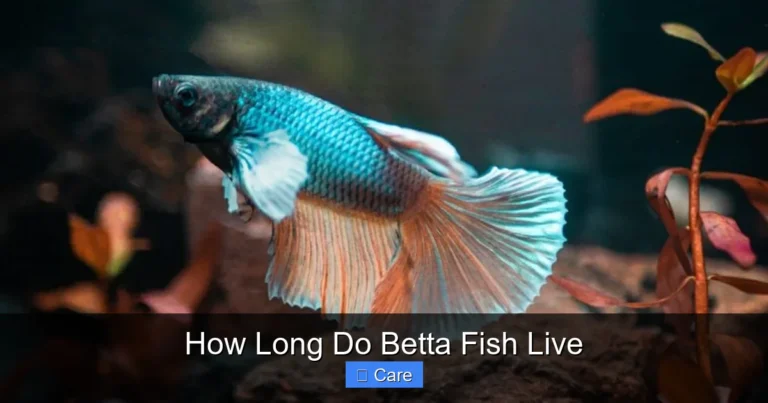
How Many Years Does a Betta Fish Live and Care Tips
Betta fish typically live 2 to 4 years when given proper care, clean water, and a stress-free environment. Many beginners wonder how many years does a betta fish live, and the answer depends heavily on tank size, diet, and water quality. With consistent maintenance and the right setup, your betta can reach its full lifespan potential. This guide breaks down everything you need to know to keep your betta healthy and happy for as long as possible.
Key Takeaways
- Typical Lifespan: Most betta fish live 2 to 4 years with proper care and stable conditions.
- Tank Size Matters: A minimum 5-gallon tank supports better water quality and longer life.
- Water Quality Is Critical: Clean, filtered, and properly cycled water prevents disease and stress.
- Diet Impacts Longevity: High-quality pellets, frozen foods, and occasional treats keep bettas healthy.
- Stress Reduction: Gentle handling, stable temperatures, and compatible tank mates extend lifespan.
- Regular Maintenance: Weekly water changes and filter cleaning prevent harmful toxin buildup.
- Early Detection: Watching for signs of illness helps you treat problems before they become serious.
📑 Table of Contents
How Many Years Does a Betta Fish Live on Average
If you just brought home a betta, you might be asking how many years does a betta fish live. The short answer is that most healthy bettas live between two and four years. Some well-cared-for fish even reach five years. The range depends on genetics, environment, and daily care habits. You can think of lifespan as a combination of nature and nurture. Good genetics give your fish a strong start, but daily care determines how long it actually lives.
Bettas sold in small cups often carry hidden stress. Poor water, cramped space, and inconsistent feeding can shorten their lives. When you move a betta into a proper tank, you give it a real chance to thrive. Many owners see their fish become more active, colorful, and alert within weeks. That change shows how much environment matters. A stable home helps your betta use its energy for growth and immunity instead of survival.
It helps to set realistic expectations. You will not get a betta to live forever, but you can absolutely help it reach the upper end of its natural lifespan. Think of it like caring for a small pet that needs clean water, good food, and gentle attention. The more consistent you are, the better the results. Over time, those small daily choices add up to a longer, healthier life.
What Affects Betta Fish Lifespan the Most
Several factors shape how long a betta lives. The biggest ones are water quality, tank size, temperature, diet, and stress. Water quality sits at the top of the list because fish live in their own waste. Ammonia and nitrite build up quickly in small or unfiltered spaces. Even low levels can irritate gills, weaken immunity, and shorten life. A good filter and regular water changes keep the environment safe.
Tank size also matters more than many people realize. Small bowls and tiny jars seem cute, but they create unstable water conditions. Temperature swings happen faster in small volumes of water. That stress wears down a betta over time. A larger tank gives the fish room to swim and makes water parameters easier to control. You do not need a giant aquarium, but you do need enough space for stable conditions.
Temperature and diet round out the major factors. Bettas are tropical fish, so they need warm, stable water. Cold water slows their metabolism and makes them sluggish. It also weakens their immune system. Food matters just as much. A varied diet with quality pellets and occasional frozen or live foods supports strong fins, bright color, and good health. Overfeeding causes pollution and digestive issues, so portion control matters too.
Ideal Tank Setup for a Longer Betta Life
Creating the right home is one of the best ways to support a longer lifespan. Start with a tank that holds at least five gallons of water. That size gives your betta room to move and makes water quality easier to manage. A secure lid helps prevent jumps, since bettas are known to leap when startled. Gentle lighting and a quiet location also help reduce stress.
Filtration keeps the water cleaner between changes. A small, gentle filter works well because bettas prefer calm water. Strong currents can tire them out. If your filter creates too much flow, you can baffle the output with a sponge or adjust the settings. Heated water is important too. Most bettas do best in a range around 78 to 80 degrees Fahrenheit. A reliable heater helps keep the temperature steady, which supports healthy metabolism and immunity.
Decor should be smooth and betta-friendly. Sharp edges can tear fins and cause infection. Soft plants, driftwood, and simple hiding spots work nicely. You can even add live plants if you want a more natural setup. Many owners ask can you put a live water plant with betta fish, and the answer is usually yes when the plant suits the tank conditions. Live plants can help absorb some waste and give your betta a more secure feeling. Just make sure the plant does not create too much shade or block swimming space.
Water Care and Maintenance That Supports Longevity
Clean water is the backbone of a long betta life. You do not need to change all the water every day, but you do need a steady routine. A common approach is a 25 to 50 percent water change once a week, depending on tank size and filter strength. This removes waste, refreshes minerals, and keeps toxins from rising. Always use dechlorinated water that matches the tank temperature closely.
Testing the water helps you stay ahead of problems. Ammonia and nitrite should stay at zero in a cycled tank. Nitrate can rise over time, so water changes help keep it in check. If you ever wonder could betta fish live in a filtered tank, the answer is yes, and a filter usually makes care easier. Still, a filter does not replace water changes. It only slows down waste buildup. You still need to clean the tank and maintain the filter media regularly.
Avoid deep cleaning the whole tank at once unless something goes wrong. Removing too much beneficial bacteria can trigger a cycle crash. Instead, rinse filter media in old tank water, not tap water. That keeps helpful bacteria alive. Wipe the glass gently and remove leftover food or debris. A calm, consistent routine protects the biological balance and keeps your betta comfortable.
Feeding Tips for a Healthy, Long-Lived Betta
Good feeding habits support both daily energy and long-term health. Bettas do best on a high-quality pellet made for bettas as a staple. That food usually provides balanced nutrition. You can add variety with frozen or live foods like bloodworms or brine shrimp. Variety keeps meals interesting and can improve color and condition. Just keep treats occasional so the main diet stays balanced.
Portion size matters a lot. Bettas have small stomachs, and overfeeding leads to waste and health problems. A simple rule is to offer only what your betta can eat in a few minutes. If food sinks uneaten, remove it. Excess food breaks down and pollutes the water. Many people also ask can betta fish live without food for a week, and while a short gap may not harm a healthy fish, regular feeding is still the better choice. Routine meals help maintain steady energy and body condition.
Feeding schedule is another useful tool. One or two small feedings per day usually works well. Some owners prefer a small morning meal and a lighter evening meal. The key is consistency. Stable feeding helps your betta know what to expect, which can reduce stress. If you travel, use a trusted feeding plan or ask someone to help. A well-fed betta with clean water is much more likely to stay active and healthy.
Common Mistakes That Shorten Betta Lifespan
A few recurring mistakes can cut a betta’s life short. The most common is keeping a betta in a tiny bowl or unfiltered container. Those setups make water quality hard to control and increase stress. Another mistake is skipping the heater. Cold water can slow a betta down and make it more vulnerable to illness. Inconsistent water changes also cause problems, because waste and nitrates keep building up.
Overfeeding is another big issue. Extra food fouls the water and can cause bloating. Using sharp decorations or rough plastic plants can damage fins. Poor acclimation when bringing a new betta home can also shock the fish. Sudden changes in temperature or water chemistry are hard on bettas. A slow, careful introduction helps them adjust. If you are thinking about can my betta fish live in a bowl, it is better to choose a small tank with filtration and heating instead.
Sometimes owners also make the mistake of adding incompatible tank mates too quickly. Bettas can be territorial, so the wrong companion can create constant stress. If you want company for your betta, research carefully first. For example, you may want to read about can freshwater snail live with a betta fish before adding one. Snails can work in some tanks, but only when the setup is right and the betta is calm. Careful choices protect your betta from conflict and exhaustion.
Signs Your Betta Is Aging or Unwell
As bettas get older, they may slow down a little. That does not always mean something is wrong. Older fish often rest more and may be less aggressive during feeding. Still, you should watch for warning signs. Clamped fins, faded color, heavy breathing, hiding all day, or loss of appetite can signal trouble. White spots, frayed fins, or swelling also deserve attention. Catching problems early gives you a better chance to help.
Water issues often show up in behavior first. If your betta seems lethargic after a water change, check temperature and water parameters. If the fish gasps near the surface, oxygen or water quality may be off. If you notice repeated problems, review your maintenance routine. Small adjustments often make a big difference. A stable tank and a calm environment help your betta recover faster and stay stronger.
You may also wonder can you tell how old a betta fish is just by looking. It is not always easy, but older bettas often show wear, duller color, or slower movement. Younger fish usually have brighter fins and more energy. Even so, appearance alone does not tell the full story. A well-cared-for fish can age gracefully and still enjoy a good quality of life for a long time.
Final Thoughts on Betta Fish Lifespan
So, how many years does a betta fish live? In a good home, most bettas reach two to four years, and some go even longer. The key is steady care. Warm water, clean conditions, enough space, and a balanced diet all work together to support a longer life. Small mistakes add up, but good habits also add up. Every water change, every proper feeding, and every calm choice helps your betta stay healthier.
If you want your betta to thrive, focus on stability. Keep the tank cycled, maintain a gentle filter, and watch for early signs of stress. Give your fish a simple, safe environment and consistent attention. That approach does not just extend lifespan. It also improves daily quality of life. A happy betta is more active, more colorful, and more enjoyable to watch. With the right care, your little friend can stay part of your home for years to come.
Frequently Asked Questions
How many years does a betta fish live on average?
Most betta fish live two to four years with proper care. Some can reach five years if the tank, water, and diet are consistently well managed.
Can a betta fish live longer in a bigger tank?
Yes, a larger tank usually supports a longer life because the water stays more stable. Bigger volumes make temperature and water quality easier to control, which reduces stress.
Do betta fish need a filter to live longer?
A filter helps a lot by keeping water cleaner between changes. It does not replace maintenance, but it makes the environment more stable and lowers toxin buildup.
What water temperature helps a betta fish live longer?
Bettas usually do best in warm water around 78 to 80 degrees Fahrenheit. Stable warmth supports metabolism, immunity, and overall comfort.
Can bad water shorten a betta fish lifespan?
Yes, poor water quality is one of the biggest lifespan killers. Ammonia, nitrite, and high nitrate levels can stress the fish and lead to illness over time.
What are the best ways to help a betta fish live longer?
Use a properly sized tank, keep the water clean, maintain a warm temperature, feed a balanced diet, and reduce stress. Regular care and early attention to illness make the biggest difference.