Can Betta Fish Live With Plecos Best Tank Mates

Yes, betta fish can live with plecos, but only with the right species and tank setup. Bristlenose plecos are the safest choice because they stay small and keep to themselves. You must provide plenty of hiding spots and watch their behavior closely to avoid stress or fighting.
This is a comprehensive guide about can betta fish live with plecos.
Key Takeaways
- Safe Species: Bristlenose plecos are the best match for betta fish due to their small size and calm nature.
- Tank Size Matters: A minimum 30-gallon tank is recommended to give both fish enough space to thrive.
- Hiding Places Are Key: Caves, driftwood, and plants help reduce stress and prevent territorial disputes.
- Feeding Strategy: Feed both fish separately to avoid competition and ensure proper nutrition for each.
- Water Conditions: Both species prefer warm, clean water with stable parameters for long-term health.
- Watch Behavior Closely: Monitor interactions during the first few weeks to catch any signs of aggression early.
- Avoid Large Plecos: Common plecos grow too big and can overwhelm or harm your betta fish.
[FEATURED_IMAGE_PLACEHOLDER]
Can Betta Fish Live With Plecos Safely
Many aquarium owners ask can betta fish live with plecos before adding new fish to their tank. The short answer is yes, but you must choose the right type of pleco. Not all plecos work well with bettas. Some grow too large. Some become too aggressive. Others simply need different water conditions. You need to match their needs carefully.
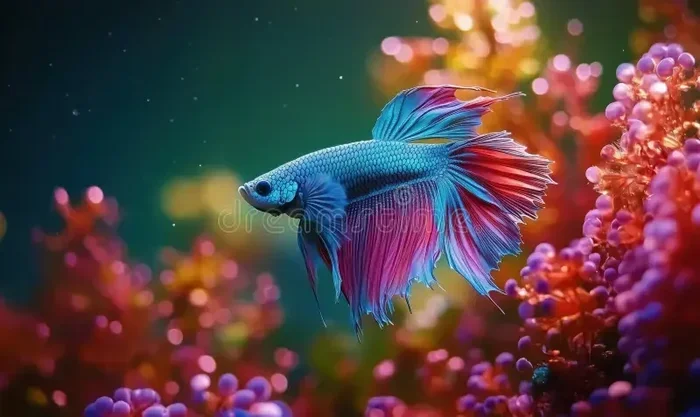
Betta fish are known for their bright colors and flowing fins. They also have strong territorial habits. Male bettas often chase other fish that swim near their space. Plecos are bottom dwellers that usually stay calm. They spend most of their time scavenging for food. This difference in behavior can work well if you set up the tank properly. You just need to plan ahead and monitor the tank daily.
The key is to pick a pleco that stays small and keeps a peaceful temperament. You also need enough space for both fish to feel secure. A cramped tank will cause stress. Stress leads to fighting, hiding, or poor health. When you give both fish room to move and places to rest, they can share the same aquarium without trouble.
Which Pleco Species Work Best
Not every pleco fits well with a betta fish. You should focus on species that stay manageable in size. You also want a fish that does not compete for the same space. Here are the most common options aquarium owners consider.
Bristlenose Plecos
Bristlenose plecos are the top choice for most betta tanks. They stay small, usually around four to five inches. They also have a calm personality. These fish spend their time grazing on algae and resting on hard surfaces. They rarely chase other fish. This makes them a safe match for a betta fish tank mate setup.
Bristlenose plecos also help keep the glass and decorations cleaner. They are hardy and adapt well to stable aquariums. If you want a pleco that is easy to manage, this is a strong option. Just remember they still need proper space and hiding spots.
Clown Plecos
Clown plecos are another small option. They usually stay under four inches. Their striped pattern makes them interesting to watch. They are generally peaceful and prefer to stay near wood and rocks. This can work well in a tank with a betta, as long as the aquarium is not too small.
These fish like driftwood because they graze on the biofilm that grows there. If you add wood to the tank, you support their natural habits. A peaceful aquarium setup with wood and plants can help both fish feel comfortable.
Common Plecos
Common plecos are not a good match for most betta tanks. They grow very large and can reach well over a foot in length. They also produce a lot of waste. A large pleco needs a huge tank and strong filtration. In a smaller aquarium, they can become stressed and create problems for other fish.
If you already have a large tank, a common pleco may work, but it is still risky with a betta. Their size alone can make the tank feel crowded. For most home aquariums, it is better to choose a smaller pleco species.
Tank Size and Setup Requirements
Space is one of the biggest factors when you ask can betta fish live with plecos. Both fish need room to establish their own areas. If the tank feels tight, the betta may become defensive. The pleco may also struggle to find enough food and shelter. A larger tank reduces these risks and makes maintenance easier.
A 30-gallon tank is a good starting point for this pairing. It gives the betta open swimming space near the top and leaves the bottom for the pleco. It also supports better water quality. Larger volumes of water stay stable longer. That stability matters because both fish do best in clean, warm water.
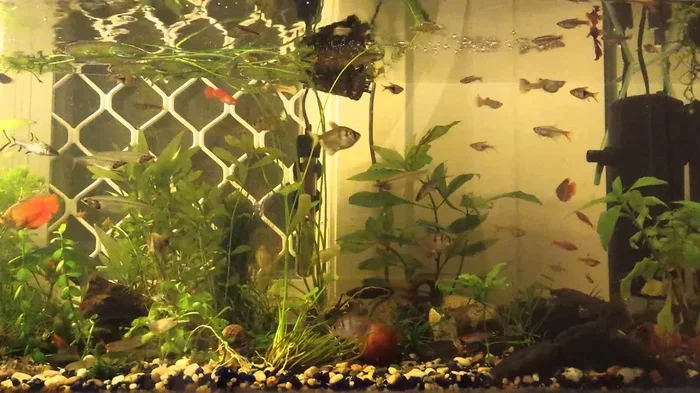
You should also think about the layout. A bare tank can make fish feel exposed. Add smooth rocks, ceramic caves, driftwood, and live plants. These features create visual barriers and hiding places. They help break up lines of sight, which can reduce chasing and stress.
Best Tank Decor for Both Fish
Good decoration supports natural behavior. Betta fish like places to rest near the surface. Plecos like cover near the bottom. You can satisfy both by arranging the tank in layers.
- Driftwood: Gives plecos surfaces to graze and hides for security.
- Caves or pots: Offer shelter for both fish when they want privacy.
- Plants: Soft plants can calm the tank and improve water quality.
- Open swimming space: Keep part of the tank clear so the betta can move freely.
A balanced setup helps the tank feel like a shared home instead of a competition zone.
Water Conditions and Tank Maintenance
Water quality affects every fish in the aquarium. Betta fish prefer warm water, usually between 76 and 82 degrees Fahrenheit. Plecos also do well in similar tropical ranges, depending on the species. Keeping the temperature steady is important for both. Sudden changes can weaken their immune systems and cause stress.
Clean water matters just as much. Plecos produce waste, so filtration should be strong enough to handle the bioload. At the same time, the filter should not create too much current. Bettas prefer calm water because strong flow can make swimming difficult. A gentle flow with good filtration is usually the best balance.
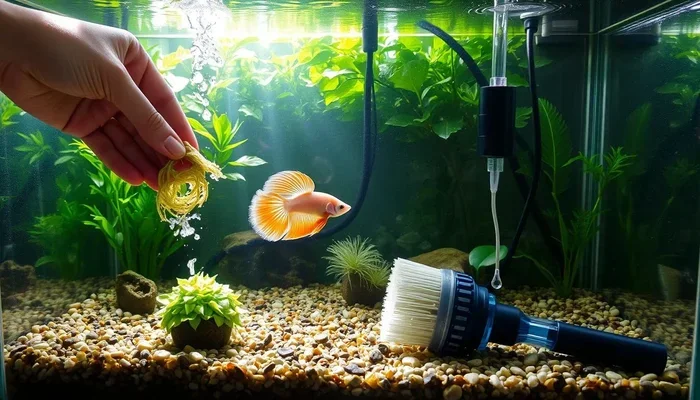
Regular maintenance helps keep the tank healthy. Water changes remove excess waste and keep ammonia and nitrite levels low. You should also test the water often. Stable parameters support better behavior and healthier fish. When the water is clean and warm, both fish are more likely to stay peaceful.
Feeding Both Fish Properly
Feeding can be a challenge when two species share a tank. Betta fish are surface and mid-water feeders. Plecos often feed near the bottom. If you only drop food in one spot, one fish may get most of it. That can lead to poor nutrition or frustration.
A simple feeding routine works best. Offer betta food where the betta can reach it. Then provide sinking foods or algae wafers for the pleco. This reduces direct competition. It also helps you confirm that each fish is eating well. If the pleco ignores the food, check whether it is finding enough natural graze in the tank.
Overfeeding is another issue to avoid. Extra food decays and harms water quality. Feed small amounts and remove leftovers if they remain after a few minutes. Good feeding habits support a healthier tank and a calmer environment.
Behavior Signs to Watch Closely
Even with a good setup, you should still observe the fish closely. Behavior tells you whether the pairing is working. Some curiosity at first is normal. Fish may inspect each other and explore new boundaries. The problem starts when chasing turns into constant harassment.
Watch for these warning signs:
- The betta flares repeatedly at the pleco
- The pleco hides all the time
- One fish loses color or stops eating
- There is frequent chasing or nipping
- The tank feels tense instead of calm
If you see these signs, act early. You may need to rearrange decorations, improve hiding spots, or separate the fish if the conflict continues. It is better to make changes quickly than wait for injury or illness.
When the Pairing May Not Work
Sometimes the answer to can betta fish live with plecos becomes no after you try it. That can happen if the betta is overly aggressive. It can also happen if the pleco is too large or too active for the tank. Some bettas simply do not tolerate bottom dwellers well, even when the setup looks ideal.
If the fish cannot share the space peacefully, do not force it. A separate tank or a different tank mate may be the better choice. The goal is a healthy, low-stress environment. A peaceful single-species tank is far better than a crowded tank full of conflict.
Best Alternatives If Plecos Do Not Fit
If a pleco does not work in your tank, there are other options to consider. Some aquarium owners choose snails or small shrimp instead. Others prefer different peaceful bottom dwellers that stay smaller and cause less competition. You can also keep the betta alone with rich decoration and plants. A single betta can thrive in a well-designed tank without any companion fish.
If you want to explore other possible companions, you may find it helpful to read about can your betta fish live with other fish. That can help you compare choices before you add anything new.
How to Introduce Them the Right Way
A careful introduction improves the chances of success. Do not simply drop both fish into the tank at the same time. Use a slow process so they can adjust. This reduces shock and helps them settle in with less tension.
Start by quarantining the new fish if possible. This keeps disease out of your main tank. Then acclimate the pleco slowly to the water conditions. After that, introduce it to the aquarium and watch the reaction. Keep the lights dim at first if that helps the fish feel safer. Give them time to explore without interruption.
For the first few days, observe feeding, hiding, and movement. If the betta stays calm and the pleco explores normally, the pairing is likely moving in the right direction. If you see repeated aggression, be ready to intervene. A smooth start does not guarantee success, but it gives you a better chance.
Quick Tips for a Successful Pairing
These simple habits can make a big difference:
- Choose a small pleco species like a bristlenose
- Use a tank of at least 30 gallons
- Add caves, wood, and plants for cover
- Keep water warm and clean
- Feed both fish in different areas
- Monitor behavior every day at first
- Be ready to separate them if needed
Small details matter. A calm tank is built through steady care, not luck.
Common Mistakes to Avoid
Many problems come from simple mistakes. Avoiding them can save your fish from stress and your tank from trouble. Here are the most common issues aquarium owners run into.
Choosing a pleco that grows too large. A huge pleco can overwhelm a betta tank quickly. It needs more space, more waste management, and more food than a small aquarium can easily support.
Using a tank that is too small. Limited space makes every fish feel crowded. That can trigger territorial behavior and make the betta more defensive.
Skipping hiding places. Without cover, both fish may feel exposed. Hiding spots lower stress and help each fish establish a safe zone.
Feeding only one type of food in one place. This can leave the pleco underfed or cause the betta to guard the food source. Separate feeding is usually easier and fairer.
Ignoring early warning signs. Small behavior changes often show up before bigger problems. If you miss them, the situation may get worse before you notice.
Assuming all plecos behave the same. Different species have different sizes, habits, and needs. Treat each species as its own choice, not as a generic fish.
Expert Insights and Final Thoughts
Experienced aquarium keepers usually say the same thing: match the fish to the tank, not the tank to the fish. That idea matters a lot here. If you want to know can betta fish live with plecos, the real answer depends on your setup, your species choice, and your willingness to monitor the tank.
A bristlenose pleco in a spacious, planted tank with good filtration is often a workable companion. A large common pleco in a small tank is a different story. The difference is not just about friendliness. It is about space, waste, feeding, and long-term comfort. When those pieces fit together, the tank can stay peaceful and healthy.
Think of the aquarium as a shared environment. Every fish needs a place to rest, a reliable food source, and clean water. If you provide those basics, you give both fish a better chance to coexist. If you skip them, even peaceful species can struggle. Good planning is the real secret.
If you are still deciding whether this pairing is right for you, take a step back and review your tank size, your betta temperament, and the pleco species you want. That quick check can save you a lot of trouble later. A thoughtful choice now leads to a calmer tank later.
Conclusion
So, can betta fish live with plecos? Yes, in many cases they can, but only when you choose the right pleco and give both fish the right environment. Small, calm plecos like bristlenose plecos are usually the safest option. A larger tank, strong filtration, and plenty of hiding spots make the pairing much more likely to succeed. Careful feeding and daily observation also matter a lot.
If your betta is aggressive or your tank is too small, this combination may not be the best fit. In that case, it is better to choose a different setup or a different companion. A peaceful aquarium is always worth the extra planning. When you match the species, space, and care routine correctly, your betta and pleco can share the tank in a calm and healthy way.
Frequently Asked Questions
Can betta fish live with plecos in a small tank?
They can, but a small tank is not ideal. A larger tank gives both fish more space and reduces stress. A cramped setup often leads to territorial behavior and poor water quality.
Which pleco is safest for a betta fish?
A bristlenose pleco is usually the safest choice because it stays small and tends to be peaceful. Clown plecos can also work in the right tank. Large plecos should be avoided in most betta setups.
Will a pleco bother a betta fish?
Most plecos stay on the bottom and do not chase other fish. Problems usually happen when the tank is too small or the betta is very territorial. Good hiding spots and proper space help prevent trouble.
What size tank do I need for a betta and pleco?
A 30-gallon tank is a good starting point for this pairing. It gives the betta room to swim and the pleco room to forage and rest. Bigger tanks also make water stability easier to maintain.
How do I feed both fish without competition?
Feed the betta near the surface and offer sinking food or algae wafers for the pleco. This helps each fish get its own meal. It also reduces guarding behavior around food.
What should I do if my betta attacks the pleco?
Watch the behavior closely and add more hiding places if possible. If the aggression continues, you may need to separate them. Forcing incompatible fish to stay together can cause injury and stress.