How to Transfer Betta Fish to New Tank Safely
Moving your betta fish to a new home can feel stressful, but with the right steps, it is simple and safe. This guide shows you exactly how to transfer betta fish to new tank without causing shock or harm. You will learn about water matching, gentle netting, and slow acclimation tricks. Follow these easy tips to keep your colorful friend healthy and calm during the move.
Key Takeaways
- Prepare the new tank first: Cycle the tank and match water temperature before moving your betta.
- Use a gentle net: Avoid chasing or stressing your fish during the transfer process.
- Acclimate slowly: Float the bag or use a drip method to adjust your betta to new water conditions.
- Watch water parameters: Test pH, ammonia, and temperature to ensure a safe environment.
- Avoid soap and chemicals: Clean the new tank with water only to protect your fish.
- Keep the move short: Limit time out of water to reduce stress and shock.
- Monitor after transfer: Watch for hiding, color loss, or breathing issues in the first few days.
📑 Table of Contents
- Why Moving Your Betta Fish Matters
- How to Transfer Betta Fish to New Tank: Step by Step
- Water Prep and Tank Safety
- Reducing Stress During the Move
- After the Transfer: What to Watch For
- Common Mistakes to Avoid
- Quick Tips for a Smooth Betta Transfer
- Expert Insights on Betta Moves
- Final Thoughts on Moving Your Betta
Why Moving Your Betta Fish Matters
Moving a betta fish is not just about picking him up and dropping him into a new bowl. Fish feel stress. Their bodies react to changes in water, temperature, and space. A bad move can cause shock, sickness, or even loss of your pet. That is why learning how to transfer betta fish to new tank safely is so important.
Bettas are hardy, but they are also sensitive. They come from calm, warm waters in the wild. Sudden changes can hurt their gills, fins, and immune system. A smooth move keeps your fish healthy and happy. It also helps you build a strong bond with your pet from day one in the new space.
You might be upgrading to a bigger tank, fixing a broken setup, or moving to a new home. No matter the reason, the goal is the same. You want a calm, safe shift that protects your betta. With a little planning, you can make the move easy for both of you.
How to Transfer Betta Fish to New Tank: Step by Step
The best moves happen when you plan ahead. Do not rush. Take your time with each step. Here is a simple path that works for most betta owners.
Step 1: Prep the New Tank First
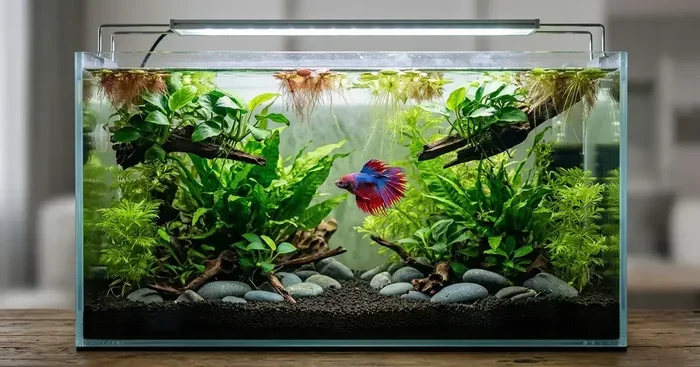
Before you touch your fish, get the new tank ready. Fill it with clean water. Add a heater if needed. Set up a gentle filter. Make sure the water is safe and stable. You should also check do betta fish have to be in a filtered tank to understand your setup needs. A filtered tank is often a great choice for long-term health.
Run the tank for a few days if you can. This helps the water settle. It also lets you test the temperature and pH. You want the new space to feel familiar when your betta arrives. A ready tank cuts down on stress and makes the move much smoother.
Step 2: Match the Water Conditions
Bettas do best when the new water feels like the old water. Test both tanks. Check temperature, pH, and hardness. Try to keep the numbers close. If the new water is very different, your fish may go into shock.
You can adjust the new tank slowly. Use a heater to match the warmth. Add safe water conditioners to remove chlorine. If you use tap water, learn can you use tap water in a betta fish tank so you know how to treat it properly. Treated tap water can work well when handled with care.
Step 3: Catch Your Betta Gently
Now it is time to move your fish. Use a soft net. Move slowly and calmly. Do not chase your betta around the tank. Chasing causes panic and exhausts the fish. If your betta hides, give him a moment. Patience works better than force.
Some owners prefer to use a cup instead of a net. A clear cup can be less stressful for delicate fins. Slide it gently and guide the fish inside. Whatever method you choose, keep it quick and calm. The less struggle, the better.
Step 4: Acclimate Your Betta to the New Tank
Once your betta is in a transport bag or cup, float it in the new tank. This helps the temperature equalize. Do this for about fifteen to twenty minutes. After that, you can slowly mix a little new water into the bag. This helps your fish adjust to the water chemistry too.
If you want a slower approach, use a drip method. Add small drops of new tank water to the bag over time. This is a gentle way to teach your betta to accept the new environment. Slow acclimation is one of the best secrets for how to transfer betta fish to new tank without stress.
Step 5: Release Your Betta Carefully
When acclimation is done, it is time to let your fish swim free. Open the bag or cup and let your betta swim out on his own. Do not pour the old water into the new tank. The old water may carry waste or unwanted particles. Let your betta leave the bag gently.
After release, keep the lights low for a few hours. Give your fish time to explore without pressure. You can also reduce feeding for the first day. A calm start helps your betta settle in faster.
Water Prep and Tank Safety
Good water is the foundation of a healthy betta tank. A safe move starts with safe water. Many new owners overlook this part, but it makes a huge difference. Let us look at the key things to check before the transfer.
Temperature Matters More Than You Think
Bettas prefer warm water. A sudden cold dip can stress their bodies fast. Keep the new tank at a steady warm range. Use a reliable heater and check it with a thermometer. If you are adding water during the move, learn can you add warm water to betta fish tank so you do not create a temperature swing.
Stable warmth helps your betta breathe, swim, and digest food properly. It also supports the immune system. A comfortable temperature is one of the easiest ways to protect your fish during a move.
Water Quality and Treatment
Not all water is ready for fish right away. Tap water often contains chlorine or chloramines. These can harm your betta. Use a good water conditioner to make the water safe. If you wonder do betta fish have to have special water, the answer is that they need safe, treated water that matches their needs.
You should also test for ammonia and nitrites. New tanks can have unstable cycles. If the tank is brand new, cycle it first if possible. A cycled tank gives your betta a much safer home. Clean water is not just clear water. It is balanced water.
Cleaning Without Harm
If your new tank needs cleaning before the move, keep it simple. Never use soap or harsh chemicals. Even a tiny residue can hurt fish. If you are unsure about cleaning products, read can you use soap to clean a betta fish tank before you start. The safest choice is usually warm water and a clean cloth or sponge made for aquariums.
Rinse everything well. Check for rough edges on decorations too. Sharp items can tear fins. Smooth, fish-safe decor helps your betta feel secure in the new space.
Reducing Stress During the Move
Stress is the biggest enemy during a transfer. A stressed betta may hide, clamp fins, or lose color. Some fish even stop eating for a short time. You can lower stress with a few smart habits.
Keep the Move Short and Calm
Plan the move so it happens quickly. Have everything ready before you catch your fish. Do not leave your betta in a bag longer than needed. Long waits can use up oxygen and raise stress. A short, smooth move is always better.
Stay calm yourself. Fish can sense movement and tension. Move slowly. Speak softly if you talk near the tank. A peaceful setting helps your betta stay relaxed.
Protect the Fins and Body
Bettas have long, delicate fins. Rough nets or sharp tank edges can cause damage. Use a fine, soft net. Avoid squeezing or lifting your fish out of the water for too long. If you need to guide him, do it with gentle water flow or a cup.
If your betta has torn fins, be extra careful. You may want to check do betta fish grow new fins so you know what recovery looks like. Healthy moves help prevent injuries in the first place.
Give Your Betta a Quiet Starting Period
After the move, let your fish settle in peace. Keep noise low. Avoid tapping the glass. Limit visitors for the first day if possible. A quiet room helps your betta feel safe while he explores the new tank.
You may also want to hold off on major changes. Do not add new fish or heavy decor right away. Let your betta get used to the space first. A slow start often leads to a stronger finish.
After the Transfer: What to Watch For
The move does not end when your betta swims out of the bag. The first few days matter a lot. Watch your fish closely. Look for signs that he is adjusting well. A healthy transfer usually leads to normal swimming, steady breathing, and a return to regular habits.
Normal Adjustment Signs
It is normal for a betta to explore slowly at first. He may hide a little while he learns the layout. Some fish take a day or two to feel fully comfortable. As long as he is breathing well and moving around, that is a good sign.
You might also notice some color changes at first. Stress can dull color temporarily. Once your betta settles, the color often returns. A calm tank and stable water help this process.
Warning Signs to Watch
Not every reaction is normal. Watch for gasping at the surface, clamped fins, or lying on the bottom for too long. These can be signs of stress or water issues. If your betta hangs near the top for a long time, it may help to read do betta fish hanging at top of tank so you can understand what might be happening.
Also watch for white spots, cloudy eyes, or frayed fins. These may point to illness or poor water quality. If you see trouble, test the water right away. Quick action can prevent bigger problems.
Feeding After the Move
Food can wait a little while. Many bettas do fine with a light meal after the transfer. If your fish seems nervous, wait until the next day. Then offer a small portion. Do not overfeed while your betta is still settling in.
Watch how he eats. A healthy betta will usually show interest in food once he feels safe. If he ignores food for too long, check the water and keep observing. Patience is key during this stage.
Common Mistakes to Avoid
Even well-meaning owners can make simple mistakes during a move. Avoiding these errors can save your betta from unnecessary stress. Here are some of the most common ones.
- Skipping tank prep: Moving a fish into an unready tank can cause shock and poor water quality.
- Ignoring temperature: Cold or hot water swings can stress your betta fast.
- Rushing acclimation: Dropping your fish in too quickly can lead to stress and breathing issues.
- Using untreated tap water: Chemicals in untreated water can harm your fish.
- Overcleaning with soap: Residue from cleaners can be dangerous for bettas.
- Adding too many changes at once: New tank, new decor, and new tank mates all at once can overwhelm your fish.
- Not watching after the move: The first few days are important. Missing warning signs can delay help.
Quick Tips for a Smooth Betta Transfer
Here are some easy reminders to keep the process simple and safe.
- Test the new water before moving your betta.
- Keep the temperature steady and comfortable.
- Use a soft net or a clear cup for gentle catching.
- Float the bag to balance temperature before release.
- Do not pour old water into the new tank.
- Keep the first day quiet and low-stress.
- Watch your betta closely for the first few days.
These small steps make a big difference. A careful move helps your betta feel safe and secure in the new home.
Expert Insights on Betta Moves
Experienced betta keepers often say the same thing: slow and steady wins the move. Fish do not understand what is happening. They only feel the change. Your job is to make that change as gentle as possible.
One helpful idea is to think about the whole environment, not just the fish. The tank, water, temperature, and surroundings all matter. If you want your betta to thrive, treat the move as a full setup check, not just a transfer. This mindset helps you catch problems early.
Another useful tip is to keep records. Note the temperature, pH, and any changes you make. This can help you spot issues later. It also makes future moves easier because you will know what worked well before.
If you ever feel unsure, slow down. Give yourself more time to prepare. A delayed move is better than a rushed one. Your betta will benefit from the extra care.
Final Thoughts on Moving Your Betta
Learning how to transfer betta fish to new tank safely is really about patience, preparation, and gentle handling. When you prep the tank, match the water, and acclimate slowly, you give your betta the best chance to adjust with ease. A calm move protects your fish and sets the stage for a healthy new chapter.
Remember that every betta is a little different. Some settle in quickly. Others need more time. Watch your fish, trust your instincts, and keep the water stable. With care and attention, your betta can move into the new tank and flourish there.
Frequently Asked Questions
How long should I float my betta’s bag before releasing him?
Float the bag for about fifteen to twenty minutes so the temperature can balance. Then slowly mix a little new tank water into the bag before releasing your betta.
Can I move my betta fish without a net?
Yes, you can use a clean cup to guide your betta gently out of the tank. Many fish find a cup less stressful than a net when handled carefully.
Should I add the old bag water to the new tank?
It is better not to add the old water because it may contain waste or uneven water conditions. Let your betta swim out of the bag and leave the old water behind.
What if my betta hides after the move?
Hiding for a short time is normal while your betta gets used to the new space. Keep the water stable and give him quiet time to adjust.
Do I need to cycle the new tank before moving my betta?
A cycled tank is safer because it has better water balance and less harmful waste. If possible, prepare the tank in advance so your betta has a healthier home.
When should I feed my betta after transferring him?
You can wait until the next day if your betta seems nervous, then offer a small meal. Watch his behavior and make sure he is swimming and breathing normally first.