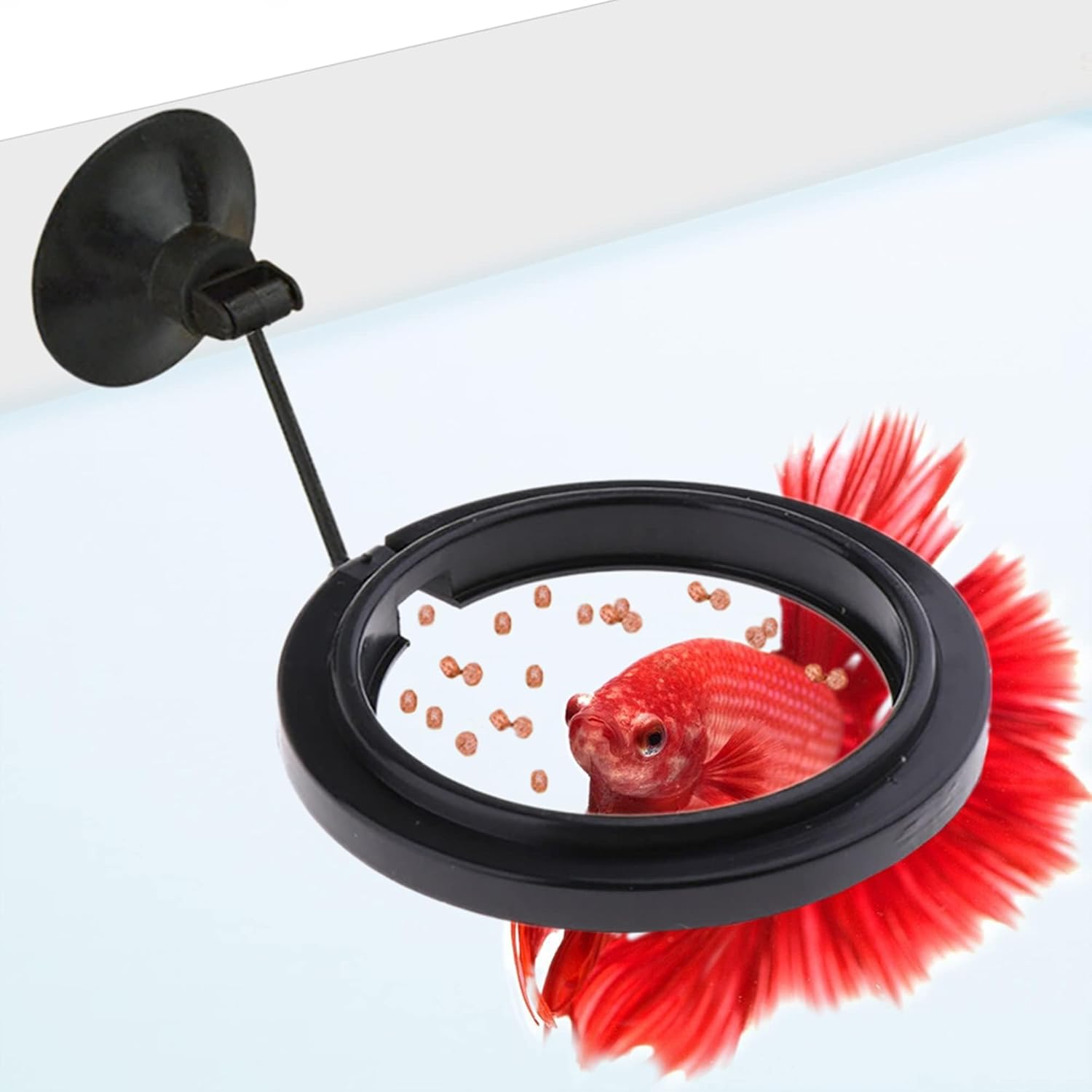
How to Keep a Betta Fish Happy and Healthy
Keeping a betta fish happy requires more than just a small bowl and occasional feeding. You need to provide the right tank size, clean water, proper nutrition, and mental stimulation. This guide covers everything you need to know about creating a thriving environment for your colorful companion. By following these simple steps, you can ensure your betta lives a long and joyful life.
Key Takeaways
- Proper Tank Size: A minimum of 5 gallons provides enough space for swimming and stable water conditions.
- Clean Water Matters: Regular water changes and proper filtration keep your fish free from harmful toxins and stress.
- Balanced Diet: High-quality pellets and occasional treats ensure your betta gets all the necessary nutrients for vibrant colors.
- Temperature Control: Maintain water between 78-80°F using a reliable heater to mimic their natural tropical habitat.
- Enrichment Activities: Add plants, hiding spots, and safe decorations to keep your betta mentally stimulated and engaged.
- Monitor Behavior: Watch for signs of stress or illness early to address health issues before they become serious problems.
- Avoid Overcrowding: Keep tank mates compatible or house your betta alone to prevent aggression and competition for resources.
📑 Table of Contents
- Understanding How to Keep a Betta Fish Happy
- Setting Up the Perfect Tank for Happiness
- Maintaining Water Quality for a Thriving Fish
- Nutrition and Feeding for Vibrant Health
- Enrichment and Mental Stimulation
- Social Needs and Tank Mates
- Recognizing Signs of Happiness and Health
- Common Mistakes to Avoid
- Conclusion
Understanding How to Keep a Betta Fish Happy
Owning a betta fish is a wonderful experience. These colorful creatures bring life and beauty to any room. However, many new owners make the mistake of thinking a small cup is enough. That simply is not true. To truly understand how to keep a betta fish happy, you must look beyond the basics. Your fish needs a stable environment that mimics its natural habitat.
Think of your betta as a pet with personality. They recognize their owners and respond to movement. They feel stress just like any other animal. When their needs are met, they show off their vibrant colors and active behavior. Ignoring their needs leads to dull colors and lethargy. Your goal is to create a home where they can thrive, not just survive.
This guide will walk you through every aspect of care. We will cover tank setup, water quality, food, and enrichment. You will learn what makes a difference in their daily life. Let us dive into the details so you can become the best owner possible. Your betta deserves the best start in life.
Setting Up the Perfect Tank for Happiness
The foundation of a happy betta is the tank itself. Size matters more than you might think. Small bowls look cute, but they cause rapid water quality issues. A larger volume of water stays stable longer. This stability reduces stress on your fish. So, what is the right size?
Choosing the Right Tank Size
Experts recommend a minimum of 5 gallons for a single betta. This gives them room to swim and explore. It also allows you to maintain better water parameters. Smaller tanks fluctuate in temperature and chemistry quickly. This fluctuation harms your fish over time. If you have space, consider going even larger. A 10-gallon tank offers even more stability and swimming space.
When selecting a tank, think about the shape too. Long tanks are often better than tall ones. Bettas are surface dwellers. They need easy access to the top for breathing. A wide surface area helps with gas exchange. It also gives them more horizontal space to patrol their territory. Remember, betta fish like a lot of space to feel secure.
Filtration and Heating Essentials
Clean water is vital for health. A filter helps remove waste and debris. However, bettas prefer calm water. Strong currents can exhaust them. Choose a filter with an adjustable flow rate. You can also baffle the output to reduce strength. This ensures the water stays clean without stressing your fish.
Temperature is another critical factor. Bettas come from warm tropical waters. Cold water slows their metabolism and weakens their immune system. You need a reliable heater to keep the water between 78 and 80 degrees Fahrenheit. Use a thermometer to monitor the temperature daily. Sudden changes can shock your fish. Consistency is key for a happy life.
If you wonder do betta fish have to be in a filtered tank, the answer is nuanced. While they can survive without one in large water volumes with frequent changes, a filter makes maintenance much easier and safer for the fish long-term.
Maintaining Water Quality for a Thriving Fish
Water quality is the most important part of care. Poor water leads to disease and stress. You must test your water regularly. Ammonia and nitrites should always be at zero. Nitrates should stay low. These toxins build up from fish waste and uneaten food.
The Importance of Water Changes
Regular water changes are non-negotiable. You should change about 25 to 50 percent of the water weekly. This removes accumulated nitrates and refreshes the minerals. Always use a water conditioner to remove chlorine. Tap water contains chemicals that harm fish. Let the new water reach the same temperature before adding it.
Some owners ask do betta fish have to have water changes if they have a filter. The answer is yes. Filters clean debris but do not remove dissolved wastes completely. Consistent maintenance prevents cloudy water and algae blooms. It keeps the environment fresh and inviting for your pet.
Conditioning and Treating Water
Never use soap or chemicals to clean the tank. Residues can kill your fish. Rinse decorations with hot water only. If you need to clean the glass, use a magnetic scrubber or an algae pad dedicated to the tank. You might wonder can you use soap to clean a betta fish tank. The strict answer is no, as even trace amounts are toxic to aquatic life.
Also, consider the water source. Some tap water has high chlorine levels. Others have heavy metals. A good water conditioner neutralizes these threats. It makes tap water safe instantly. This simple step protects your betta from invisible dangers. Healthy water means a healthy fish.
Nutrition and Feeding for Vibrant Health
Food plays a huge role in your betta’s well-being. A poor diet leads to dull colors and weak fins. Bettas are carnivores in the wild. They need protein-rich food to thrive. Flakes are okay, but pellets are often better. They hold their shape and do not cloud the water as much.
Choosing the Right Food
Look for high-quality betta pellets. The first ingredient should be a named protein like salmon or shrimp. Avoid fillers like corn or wheat. These offer little nutritional value. You can also supplement with frozen or live foods. Brine shrimp and bloodworms are excellent choices. These treats mimic their natural diet.
Be careful not to overfeed. Bettas have small stomachs. Overfeeding causes bloating and pollutes the water. Feed only what they can eat in two minutes. Usually, this is about 2 to 3 pellets per meal. You can feed them twice a day. Fasting one day a week helps their digestion.
Treats and Dietary Variety
Variety keeps things interesting. Just like humans, fish enjoy different flavors. You might ask do betta fish have treats for a snack. Yes, they do. Frozen daphnia or mosquito larvae make great occasional snacks. Some owners even feed boiled peas to help with digestion. However, you should check can feeding a pea to a betta fish hurt them if prepared incorrectly, so ensure the skin is removed and it is mashed.
Avoid human foods like bread or peanut butter. These are harmful. You might wonder can you feed peanut butter to a betta fish. Definitely not, as it contains fats and additives that are dangerous for fish. Stick to species-specific foods. This ensures they get the right balance of vitamins and minerals. A well-fed betta is a colorful betta.
Enrichment and Mental Stimulation
A bored fish is an unhappy fish. Bettas are intelligent and curious. They need stimulation to stay active. A bare tank is like a empty room. It offers nothing to do. Adding elements to the tank creates a engaging environment. This is crucial for how to keep a betta fish happy in the long run.
Plants and Decorations
Live plants are the best addition. They improve water quality and provide hiding spots. Java fern and Anubias are easy choices. They do not need strong light. Silk plants are a good alternative too. They are softer than plastic and won’t tear fins. Avoid sharp decorations that can injure your fish.
Create caves or tunnels. Bettas like to explore and hide. This makes them feel secure. You can use ceramic pots or specialized tank ornaments. Arrange them to create territories. This reduces stress if you ever add tank mates. A well-decorated tank looks beautiful and feels like home.
Interaction and Training
Did you know you can interact with your betta? They can learn tricks. You can teach them to follow your finger. Some owners even train them to jump for food. If you are curious can you train a betta fish to do tricks, the answer is yes with patience. This interaction builds a bond between you and your pet.
Lighting is also part of enrichment. Fish need a day and night cycle. Keep the light on for about 8 to 10 hours. Too much light can stress them. You might wonder can a light be to bright for a betta fish. Yes, direct harsh light can be uncomfortable. Use a gentle LED light. This mimics natural sunlight without the heat.
Social Needs and Tank Mates
Bettas are known for being aggressive. Males especially do not like other males. Putting two males together leads to fighting. This is dangerous and stressful. However, they can sometimes live with other species. You need to choose carefully.
Living Alone vs. Companions
Many bettas do best alone. They do not get lonely like humans. They are territorial by nature. Keeping them solo avoids conflict. If you want a community tank, research is vital. You need peaceful fish that occupy different levels. Avoid fish with bright colors or long fins. These trigger aggression.
You might ask can you keep a betta fish with other fish. It is possible but risky. Good tank mates include snails or shrimp. They are quiet and clean up waste. Some peaceful fish like corydoras can work too. Never keep them with fin nippers. Always monitor behavior closely. If you see chasing, separate them immediately.
Specific combinations require extra caution. For example, if you wonder can you keep a male betta with other fish, the answer depends on the temperament of the individual fish. Some males are calm, while others are very territorial. Similarly, questions like can you keep a male koi betta with other fish arise often, but their vibrant patterns can sometimes provoke aggression in tank mates.
Compatibility with Specific Species
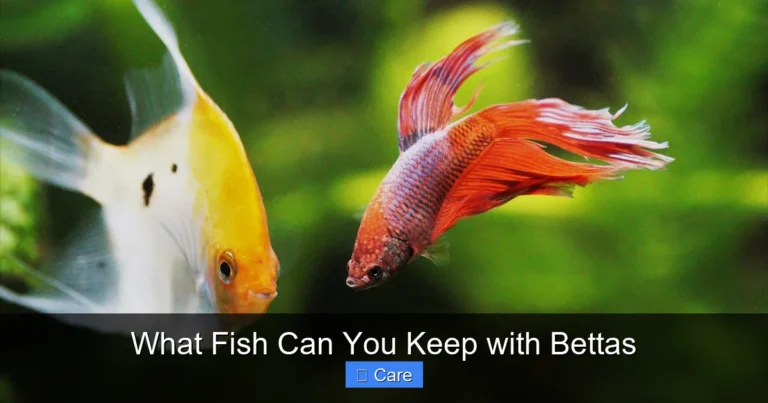
Some species are risky. Large fish might eat your betta. Aggressive fish will fight them. You should avoid keeping them with angelfish or gouramis unless the tank is very large. If you are thinking can i keep a angelfish with betta fish, be aware that angelfish can be nippy and compete for space.
Guppies are another common question. Male guppies have bright tails. This can anger a betta. You might ask can you keep a betta fish with guppies. It is often better to avoid this combination to prevent stress. Dwarf frogs are another option some people consider. If you want to know can you keep a betta fish and dwarf frog together, ensure the frog is not aggressive and has its own hiding spots.
Snails are generally safe. They help clean algae. You can check can you keep a snail with a betta fish for more details on specific snail types. Always introduce new animals slowly. Watch how your betta reacts. Their safety and comfort come first.
Recognizing Signs of Happiness and Health
How do you know if your efforts are working? Your fish will show you. A happy betta is active. They swim around the tank regularly. They flare their gills occasionally, which is normal behavior. Their colors are bright and vivid. Fins are held out fully, not clamped.
Behavioral Indicators
Watch their appetite. A healthy fish eats eagerly. If they refuse food, something is wrong. Look at their breathing. They should come up for air occasionally. Bettas have a labyrinth organ. You might wonder do betta fish have to come up for air. Yes, they need access to the surface to breathe atmospheric oxygen. Frequent gasping at the surface can indicate low oxygen or poor water quality.
Hiding is normal sometimes. But hiding all the time is not. It suggests fear or illness. Check for physical signs too. White spots, torn fins, or bloating are red flags. Early detection saves lives. If you notice changes, test your water immediately. Then consult a vet or expert.
Longevity and Aging
With great care, bettas can live 3 to 5 years. Some even live longer. You might wonder can you tell how old a betta fish is just by looking. It is hard once they are in your home. But young fish are more vibrant. Older fish may move slower. Respect their aging process. Adjust care as needed. Keep the water extra clean for seniors.
Sadly, sometimes fish get very sick. Owners often panic and ask can you bring a betta fish back to life. While you cannot reverse death, prompt action can save a dying fish. Quick water changes and salt baths sometimes help. But prevention is always better than cure. Focus on keeping them healthy from the start.
Common Mistakes to Avoid
Even well-meaning owners make errors. Avoiding these pitfalls helps your fish thrive. Here are the most common issues seen in betta care.
- Using a Bowl: Bowls are too small and lack filtration. They lead to rapid toxin buildup.
- Overfeeding: This causes obesity and dirty water. Stick to a strict schedule.
- Ignoring Temperature: Cold water makes fish lethargic and prone to disease.
- Rough Handling: Never touch your fish with your hands. It removes their protective slime coat.
- Wrong Tank Mates: Aggressive fish cause stress and injury. Research compatibility first.
- Skipping Water Tests: You cannot see ammonia. Testing kits are essential tools.
Another common question involves housing. Some people think can i keep my betta fish in a cup is okay temporarily. While transport cups are for short trips, they are not homes. Similarly, can you keep a betta fish in a bottle is not recommended for long-term care due to lack of space and oxygen exchange. Always upgrade to a proper tank as soon as possible.
Expert Insights on Care
Experienced keepers emphasize consistency. Routine reduces stress for the fish. Feed at the same time. Change water on the same day. This creates a predictable environment. Also, observe your fish daily. You will notice subtle changes quickly. This vigilance is the hallmark of a good owner.
Remember that every fish is unique. What works for one might not work for another. Adjust your approach based on their behavior. Your betta relies on you for everything. Providing a stable, clean, and enriching home is the greatest gift you can give.
Conclusion
Learning how to keep a betta fish happy is a journey of love and responsibility. It starts with the right tank and clean water. It continues with proper food and mental stimulation. By avoiding common mistakes and watching for signs of stress, you ensure a long life. Your betta is more than just a decoration. They are a living companion.
Take the time to set up their home correctly. Invest in good equipment like heaters and filters. Feed them a nutritious diet. Interact with them gently. These actions build a strong foundation for their health. A happy betta shows off its beauty every day. Enjoy the vibrant colors and active personality they bring to your home.
Start today by checking your tank conditions. Make any necessary changes. Your fish will thank you with better health and energy. With the right care, your betta will thrive for years to come. Happy fish keeping!
Frequently Asked Questions
How often should I change the water for a happy betta?
You should perform a partial water change of 25 to 50 percent every week. This removes toxins and keeps the water fresh without causing major stress to your fish.
What size tank is best for a betta fish?
A 5-gallon tank is the minimum recommended size for a single betta. Larger tanks provide more stable water conditions and give your fish plenty of room to swim.
Can betta fish live with other fish?
Yes, but you must choose peaceful tank mates carefully. Avoid fish with bright colors or long fins that might trigger aggression in your betta.
What temperature does a betta fish need?
Bettas thrive in warm water between 78 and 80 degrees Fahrenheit. Use a reliable heater and thermometer to maintain this tropical temperature range consistently.
How do I know if my betta fish is happy?
A happy betta is active, has bright colors, and eats well. They should swim around the tank and not hide constantly or clamp their fins.
Can I teach my betta fish tricks?
Yes, bettas are intelligent and can learn simple tricks like following your finger. Positive reinforcement with food treats works best for training sessions.