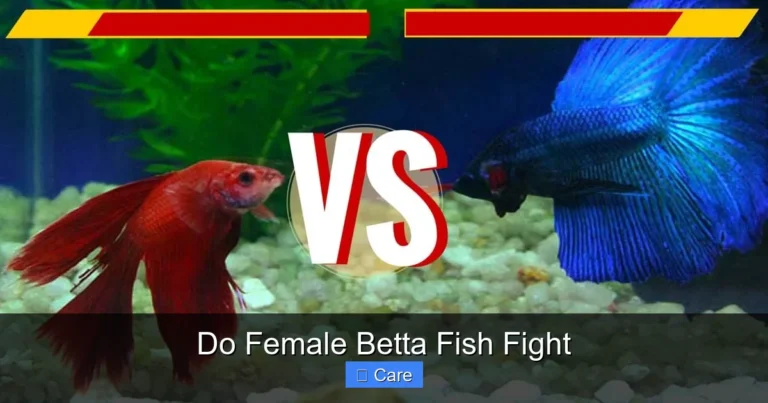
Do Betta Fish Kill Each Other What You Need to Know
Do betta fish kill each other? Yes, male bettas are highly territorial and will fight to the death if housed together without proper separation. Female bettas can sometimes live in groups called sororities, but they still need careful monitoring and plenty of space. Understanding their natural aggression helps you create a safe environment where your fish thrive instead of harming one another. This guide explains exactly why these beautiful fish fight and what you can do to prevent deadly conflicts in your aquarium.
This is a comprehensive guide about do betta fish kill each other.
Key Takeaways
- Male bettas are solitary fighters: Two males placed together will almost always attack each other until one dies or is severely injured.
- Female betta sororities are possible but risky: Females can live together in large tanks with plenty of hiding spots, but constant monitoring is required.
- Tank size matters greatly: Small tanks increase stress and aggression, while larger tanks with visual barriers reduce fighting.
- Proper introductions prevent violence: Using a divider or slow acclimation process helps bettas adjust before sharing space.
- Hiding spots save lives: Plants, caves, and decorations break line of sight and give weaker fish a place to escape.
- Signs of aggression are easy to spot: Flaring gills, chasing, nipping, and hiding indicate stress that can turn deadly quickly.
- Separate immediately if fighting starts: Having a backup tank ready is the safest way to protect your fish from serious harm.
[FEATURED_IMAGE_PLACEHOLDER]
Do Betta Fish Kill Each Other Understanding the Truth
Many new aquarium owners ask the same question: do betta fish kill each other? The short answer is yes, especially when males are involved. Betta fish, also known as Siamese fighting fish, have a reputation for aggression that is deeply rooted in their natural behavior. In the wild, they defend small territories in shallow waters. This instinct does not disappear when they move into a home aquarium. If you ignore their territorial nature, you risk serious injury or death for your fish.
Understanding why these fish fight helps you make better choices. Aggression is not random. It is triggered by specific conditions like small tanks, lack of hiding places, and visual contact between males. Female bettas behave differently, but they can still show dominance and stress-related attacks. This article breaks down everything you need to know so you can keep your bettas healthy, calm, and safe. You will learn how to spot warning signs, set up a peaceful tank, and avoid common mistakes that lead to fatal fights.
Why Do Betta Fish Attack Each Other
Betta fish do not attack without reason. Their aggression comes from survival instincts and territorial behavior. In their natural habitat, males guard small pools and rice paddies. They chase away rivals to protect their space and attract mates. When you place two males in the same tank, their brains interpret the other fish as a direct threat. This triggers flaring, chasing, and biting. Over time, these attacks can become deadly.
Territorial Instincts and Space Needs
Space plays a huge role in betta aggression. A cramped tank leaves nowhere to escape. The fish stay in constant view of each other, which keeps their stress levels high. Do betta fish kill each other when space is limited? Yes, confinement makes violence much more likely. A larger tank with clear visual barriers gives fish a chance to calm down. Live plants, driftwood, and ceramic caves break lines of sight and create separate zones. These simple additions reduce tension and help fish feel secure.
Hormones and Mating Behavior
Hormones also drive aggressive behavior. Male bettas become more territorial during breeding periods. They may flare at females, chase them, or become overly defensive. After spawning, some males turn aggressive toward females if they stay too long in the same space. This is why breeders use dividers and careful timing during mating. If you ever notice sudden aggression after introducing a new fish, hormones and stress are likely part of the problem.
Stress, Environment, and Triggers
Poor water quality, loud noise, sudden temperature changes, and bright lights can all increase stress. A stressed betta is more likely to lash out. Even a normally calm fish can become aggressive when conditions are bad. Clean water, stable temperatures, and a quiet location help keep aggression under control. If you want to understand more about how bettas react to their surroundings, you can explore resources on betta fish and water circulation to learn how environment affects their behavior.
Do Male Betta Fish Kill Each Other
Male bettas are the most aggressive members of the species. They are famous for fighting rivals, which is why they earned the name Siamese fighting fish. Do male betta fish fight each other to the point of death? In most cases, yes, if you place them together without separation. Their fights can escalate quickly from flaring to biting, tearing fins, and relentless chasing. A severely injured betta may die from stress, infection, or physical damage.
What Happens During a Betta Fight
A fight usually starts with display behavior. One male spreads his fins, flares his gills, and swims toward the other. If the second fish does not back down, chasing begins. They may bite each other’s fins, bump bodies, and circle aggressively. Sometimes one fish surrenders and hides, but in a small tank there may be no escape. Repeated attacks damage fins and scales. Open wounds can lead to infection, which is often the real cause of death after a fight.
How to Prevent Male Fights
The safest rule is simple: never house two male bettas in the same tank. If you want multiple bettas in one room, use separate tanks or a divided setup. Dividers must be solid and opaque so fish cannot see each other. Even tank walls can sometimes be enough if the tanks are placed side by side, but visual contact can still cause stress. For more details on male behavior and fighting patterns, you may find it helpful to read about male betta fighting habits and how to manage them safely.
Do Female Betta Fish Kill Each Other
Female bettas are generally less aggressive than males, but they are not harmless. Can female betta fish live with each other in some cases? Yes, but only with careful planning. A group of females, often called a sorority, can work in a large, well-decorated tank. However, dominance disputes still happen. One female may bully another, chase her constantly, or block access to food. In extreme cases, relentless bullying can lead to injury or death.
Sorority Tanks and Group Dynamics
A successful sorority usually needs at least four to six females. Smaller groups often result in one fish being targeted too heavily. A larger group spreads out aggression and gives each fish more social options. The tank must be big enough for everyone to claim a small area. Dense planting, multiple hiding spots, and clear visual breaks are essential. Without these features, the weakest fish may never get a break.
Warning Signs in Female Groups
Watch for constant chasing, clamped fins, loss of color, and fish hiding all day. These are signs that stress is building. If one fish is always the victim, you may need to remove her and house her separately. Regular observation is the best way to catch problems early. If you want to learn more about female compatibility and group living, you can check female betta social behavior for deeper guidance.
Can Betta Fish Kill Other Fish in the Tank
Bettas do not only fight other bettas. They can also harm or kill different tank mates. Can betta fish kill other fish in some situations? Yes, especially if the other fish have long fins, bright colors, or slow swimming styles. Bettas may see these traits as threats or competition. They may nip fins, chase constantly, or attack during feeding. This does not happen with every tank mate, but the risk is real.
Fin Nipping and Territorial Attacks
Long-finned fish like some guppies or fancy tetras can trigger a betta’s aggression. The betta may mistake the flowing fins for another male or a rival. Constant nipping damages the victim’s fins and causes stress. In a small tank, the chased fish may not find shelter. Over time, this can lead to illness or death. Choosing calm, sturdy tank mates with shorter fins reduces the chance of conflict.
Shrimp, Snails, and Small Creatures
Bettas may also view tiny creatures as food. Shrimp, especially small or slow species, can disappear quickly in a betta tank. Snails are usually safer, but even they can get harassed. If you plan to keep other species with your betta, research their size, behavior, and hiding needs. For more specific information on shrimp compatibility, you can read about betta fish and shrimp interactions before adding them to your tank.
How to Stop Betta Fish From Killing Each Other
Preventing deadly fights is mostly about setup and management. You cannot change a betta’s natural instincts, but you can control the environment. The goal is to reduce triggers, increase escape options, and separate fish when needed. A thoughtful tank design makes a huge difference.
Tank Size and Layout Tips
A larger tank gives fish more room to establish zones. A cramped space forces constant confrontation. Aim for a tank that provides enough swimming area and plenty of cover. Use live or artificial plants to create visual barriers. Add caves, tunnels, and driftwood so fish can break line of sight. If you are unsure about tank size, you can explore guidance on betta fish space requirements to help you choose the right setup.
Introducing Fish Safely
When adding new fish, do it slowly. A sudden introduction can shock the resident betta and trigger immediate aggression. Use a divider first so the fish can see each other without physical contact. Watch their reactions over several days. If both fish remain relatively calm, you may be able to proceed with caution. If flaring and chasing are intense, do not force the introduction. A backup tank or temporary container is always a smart safety measure.
Monitoring and Quick Intervention
Check your tank daily. Look for torn fins, hiding fish, color loss, and repeated chasing. These are early warning signs. If a fight is already happening, remove the aggressor or the victim right away. Do not wait to see if it gets better on its own. Quick action saves lives. Keep a small hospital tank ready for injured fish so you can treat wounds and reduce stress in a quiet space.
Common Mistakes to Avoid
- Keeping two males together: This is the fastest way to cause serious injury.
- Using a tiny tank for multiple fish: Limited space increases aggression dramatically.
- Skipping hiding spots: Without cover, weaker fish have no refuge.
- Ignoring early signs of bullying: Small problems become deadly if left unchecked.
- Adding new fish too quickly: Sudden changes trigger territorial panic.
Expert Insights and Best Practices
Experienced keepers agree on one main idea: respect the betta’s nature. These fish are not naturally peaceful community swimmers. They can live alongside certain tank mates, but only when conditions are right. A calm tank is built through planning, not luck. Start with a well-sized aquarium, add structure, and choose companions carefully. If you are keeping only bettas, give each one its own space or use a properly designed divided system.
Water quality matters just as much as tank layout. Clean, stable water reduces stress and supports healing if injuries occur. Regular water changes, proper filtration, and consistent temperature help keep behavior predictable. If you want to understand how filtration choices affect your fish, you can look into betta fish and filtration preferences for practical setup ideas.
Another useful habit is observing your fish during different times of day. Some bettas are more active in the morning, while others become territorial after feeding. Noticing these patterns helps you spot problems sooner. A fish that is calm most of the time but aggressive around food may need feeding adjustments or separate feeding stations. Small changes often prevent big conflicts.
Key Takeaways for Peaceful Betta Care
Keeping bettas safely comes down to a few simple principles. First, never assume two males can share a tank. Second, treat female groups with caution and only in spacious, heavily decorated setups. Third, choose tank mates carefully and watch for fin nipping or chasing. Fourth, provide hiding places and visual barriers so fish can avoid constant confrontation. Finally, act fast if aggression appears. A small amount of planning prevents most deadly outcomes.
If you are still wondering do betta fish kill each other, the answer depends on how you set up their environment. With the right tank, proper introductions, and careful monitoring, you can reduce the risk dramatically. Without those steps, fights can turn fatal very quickly. The best approach is to design your aquarium around their natural behavior instead of hoping they will simply get along.
Conclusion
Betta fish are stunning, fascinating pets, but their aggression is real and needs respect. Male bettas will usually fight other males, and fights can end in death if you do not separate them. Female bettas can sometimes live together, but they still need space, structure, and close observation. Bettas may also harm other small or slow tank mates if the setup is poor. The good news is that most serious conflicts are preventable. By giving your fish enough room, breaking lines of sight, and watching for stress signals, you create a safer home where they can thrive.
If you take one thing from this guide, let it be this: think ahead before combining fish. A few simple precautions protect your bettas from injury and save you from heartbreak. With the right care, your aquarium can remain beautiful, calm, and full of healthy fish.
Frequently Asked Questions
Do betta fish kill each other immediately?
Not always, but fights can escalate very quickly. Male bettas often start with flaring and chasing, then move to biting and fin tearing. In small tanks, the violence can become deadly fast because the weaker fish has nowhere to escape.
Can two male betta fish ever live together?
Generally no, because males are highly territorial and will usually attack one another. Some keepers use solid dividers in large tanks, but the fish still cannot share open water safely. Separate tanks are the safest option for males.
Do female betta fish fight each other?
Yes, females can fight, especially when establishing dominance in a small group. A larger sorority in a spacious tank with lots of hiding spots works better than a pair or trio. Constant bullying should be treated seriously because it can lead to injury.
Will a betta fish kill other tank mates?
It can, particularly if the tank mate has long fins, bright colors, or a slow swimming style. Bettas may chase or nip these fish, and stress or injury can follow. Choosing compatible tank mates and monitoring behavior reduces the risk.
How do I know if my bettas are fighting too much?
Look for torn fins, hiding fish, faded color, clamped fins, and nonstop chasing. Occasional posturing is normal, but repeated attacks are not. If one fish seems stressed or injured, separate them right away.
What should I do if my betta fish are attacking each other?
Separate them immediately using a divider or a second tank. Remove the victim if it is being bullied, and give injured fish a quiet place to recover. Check your tank layout and size, because poor setup often causes the problem.