Is Algae Bad for Betta Fish What Owners Need to Know
Is algae bad for betta fish? The short answer is no, but it depends on the type and amount. Small amounts of green algae can actually benefit your fish by providing food and improving water quality. However, excessive algae blooms can harm your betta by depleting oxygen and trapping toxins. Understanding the balance helps you create a healthier home for your finned friend. This guide covers everything you need to know about algae and betta care.
If you own a betta fish, you have probably noticed something green growing on your glass or decorations. Many new owners panic when they see it. They ask themselves, is algae bad for betta fish? The good news is that algae is a normal part of any aquarium. It is not automatically a sign of failure. In fact, a little bit of growth can be quite healthy. The real question is about balance and type.
Algae plays a role in your tank ecosystem. It uses light and nutrients to grow. When you feed your fish, leftover food and waste create nutrients. Your light source provides energy. Put these together, and algae appears. This process happens in almost every aquarium. You cannot stop it completely, nor should you try. The goal is to keep it under control so it does not harm your betta.
This article will walk you through everything you need to know. We will look at different types of algae. We will discuss when algae becomes a problem. You will also learn practical ways to manage growth without stressing your fish. By the end, you will feel confident about caring for your tank. You will know exactly what to watch for and how to respond.
Key Takeaways
- Algae is not always harmful: Small amounts of green algae are generally safe and can even benefit your betta fish by providing natural grazing opportunities.
- Type matters greatly: Green algae is usually harmless, but blue-green algae (cyanobacteria) and brown algae can indicate water quality issues that may stress your fish.
- Overgrowth causes problems: Excessive algae depletes oxygen at night, traps waste, and can make your tank look unsightly, which affects your enjoyment and your fish’s environment.
- Lighting and nutrients drive growth: Too much light or excess food creates the perfect conditions for algae blooms, so managing these factors is key to prevention.
- Natural cleaners exist: Certain tank mates like nerite snails or specific algae eaters can help control growth, but you must check compatibility with your betta first.
- Regular maintenance works best: Weekly water changes, proper feeding, and cleaning tank surfaces prevent algae from becoming a serious issue.
- Never use chemicals blindly: Algaecides can harm your betta if used incorrectly, so always research products and consider natural methods first.
📑 Table of Contents
Understanding Algae and Your Betta Tank
Algae is a simple plant-like organism. It lives in water and needs light to survive. Unlike your betta, algae does not have roots or leaves. It grows on surfaces like glass, rocks, and plants. Many people think algae is dirty, but that is not always true. It is a natural part of aquatic life. Your betta fish comes from environments where algae exists in the wild.
The Role of Algae in Aquarium Ecosystems
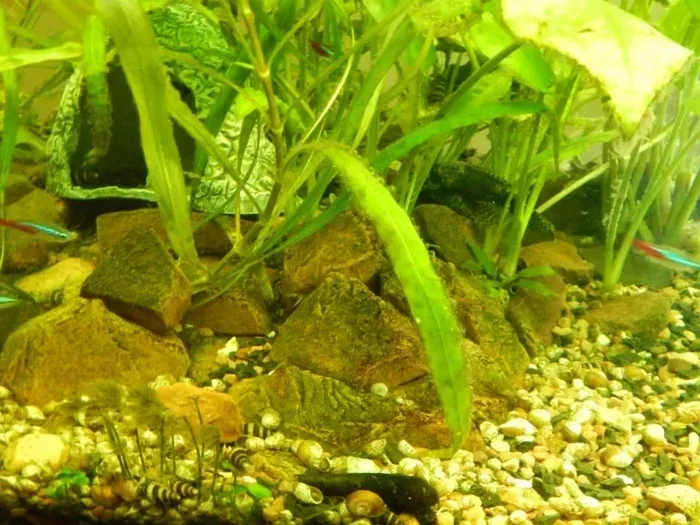
Algae serves several functions in your tank. First, it consumes nitrates and phosphates. These are waste products that build up from fish food and poop. By using these nutrients, algae helps keep your water cleaner. Second, some fish and invertebrates eat algae. This creates a natural food source. Third, algae produces oxygen during the day through photosynthesis. This can actually help your fish breathe better.
However, algae also has downsides when it grows too much. At night, algae stops making oxygen and starts using it instead. If you have a massive bloom, your oxygen levels can drop dangerously low. Algae can also trap debris and waste against your tank walls. This makes cleaning harder and can create dirty spots. The key is understanding that algae itself is not the enemy. Uncontrolled growth is the real issue.
Common Types of Algae in Betta Tanks
Not all algae looks the same. Knowing what you see helps you decide what to do. Here are the most common types you will encounter:
- Green Algae: This is the most common type. It looks like a green film on glass or green spots on leaves. It is usually harmless and easy to remove. Many bettas will even nibble on it occasionally.
- Brown Algae: This appears as a dusty brown coating. It often shows up in new tanks or low-light setups. It is generally safe but can be unsightly. It usually goes away as your tank matures.
- Blue-Green Algae: Also called cyanobacteria, this is not true algae. It looks like a slimy green or blue layer. It can produce toxins and harm your fish. You should remove it quickly if you see it.
- Hair Algae: This grows in thin strands that look like hair. It can tangle around plants and decorations. It is not toxic, but it can be annoying and hard to clean.
- Black Beard Algae: This appears as dark, brush-like growths. It often indicates unstable water conditions. It is tough to remove and may need special treatment.
Is Algae Bad for Betta Fish? The Real Answer
Now let us address the big question directly. Is algae bad for betta fish? In most cases, the answer is no. A moderate amount of green algae is perfectly fine. Your betta can live happily with some algae in the tank. Many experienced keepers even see it as a sign of a stable ecosystem. The problem only arises when algae grows out of control or when harmful types appear.
When Algae Is Harmless or Even Beneficial
Green algae on your glass or decorations is usually safe. Your betta might even enjoy grazing on it now and then. It provides a small amount of fiber and nutrients. Algae also helps use up excess nutrients in the water. This can keep your nitrate levels lower between water changes. Some owners even use algae as a natural water filter. It is a simple way to support tank health without extra equipment.
Another benefit is that algae can make your betta feel more secure. In the wild, bettas live in areas with plants and cover. Algae growth on surfaces can mimic this natural environment. Your fish may feel more comfortable exploring a tank with some natural growth. Just make sure the algae does not block too much light or cover important areas.
When Algae Becomes a Problem
Algae turns problematic when it grows too thick or too fast. Large algae blooms can cause several issues. First, they compete with your plants for nutrients and light. If you have live plants, heavy algae can starve them. Second, thick algae traps fish waste and uneaten food. This creates dirty pockets that raise ammonia levels. Third, some algae types can irritate your betta’s fins or gills if they grow in dense mats.
Oxygen depletion is another serious concern. During the day, algae makes oxygen. But at night, the process reverses. A heavy algae load can use up oxygen while your fish is trying to rest. This is especially risky in small tanks or warm water. Warm water holds less oxygen naturally. Adding a large algae bloom on top of that can stress your betta. You might notice your fish gasping at the surface more often.
Signs Your Betta Is Stressed by Algae
How do you know if algae is affecting your fish? Watch for these warning signs:
- Gasping at the surface: Your betta may need more oxygen if algae is using it up at night.
- Lethargy or hiding: Stress from poor water quality can make your fish less active.
- Faded colors: Chronic stress often shows up as dull or washed-out coloring.
- Clamped fins: Your betta may hold its fins close to its body when uncomfortable.
- Loss of appetite: If your fish stops eating, check your water and algae levels.
If you notice these signs, test your water right away. High nitrates or low oxygen are common culprits. Reducing algae and improving water flow often helps your betta recover quickly.
Why Does Algae Grow in Betta Tanks?
Understanding why algae grows helps you prevent it. Several factors work together to create algae blooms. The main drivers are light, nutrients, and time. When you control these, you control the algae.
Lighting Factors
Light is the biggest trigger for algae. Your tank needs light for your fish to see and for plants to grow. But too much light feeds algae. Leaving your tank light on for more than eight hours a day is a common mistake. Direct sunlight is even worse. Sunlight through a window can cause rapid algae growth within days. Many owners do not realize how much light their tank gets from nearby windows.
The type of light also matters. Bright, full-spectrum lights promote faster growth. If you use a strong LED, you may need to reduce the hours. A simple timer can help you keep a consistent schedule. Aim for six to eight hours of light per day for most betta tanks. This gives your fish enough light without overfeeding the algae.
Nutrient Buildup
Algae feeds on nutrients in the water. The main nutrients are nitrates and phosphates. These come from fish waste, uneaten food, and decaying plants. If you overfeed your betta, leftover food breaks down and releases nutrients. This creates a buffet for algae. Even small amounts of excess food add up over time.
Water changes also play a role. If you skip regular water changes, nutrients build up. Your tank becomes richer in the compounds that algae loves. On the other hand, too many water changes can stress your fish. The goal is steady, moderate maintenance. Test your water regularly to catch nutrient spikes early.
Tank Size and Maintenance
Small tanks are more prone to algae problems. They have less water volume, so nutrients concentrate faster. A five-gallon tank can develop algae blooms much quicker than a twenty-gallon tank. This does not mean small tanks are bad. It just means they need more frequent care. Cleaning the glass and changing water on schedule keeps things balanced.
Poor maintenance also encourages algae. If you let debris sit on the substrate, it breaks down into nutrients. If you skip cleaning decorations, algae finds a home there. Regular upkeep prevents these issues. A few minutes each week makes a huge difference.
How to Manage and Prevent Algae Growth
You do not need to eliminate algae completely. You just need to keep it manageable. Here are proven methods that work well for betta tanks.
Control Lighting Effectively
Start with your light schedule. Use a timer to keep lights on for six to eight hours daily. Turn off the light at night so your fish can rest. If your tank sits near a window, move it or use curtains to block direct sun. Even a few hours of sunlight can trigger a bloom. If you have live plants, match the light to their needs. Low-light plants are a great choice for betta tanks. They grow well with less light and compete with algae for nutrients.
Feed Your Betta Properly
Overfeeding is a major cause of algae. Your betta only needs a small amount of food each day. Feed what your fish can eat in two to three minutes. Remove any uneaten food after feeding. This simple habit cuts down on excess nutrients. It also keeps your water cleaner. If you notice algae growing fast, try reducing your feeding amount slightly. You can always adjust back later.
Perform Regular Water Changes
Water changes are your best tool for nutrient control. Change about twenty-five percent of your water once a week. Use a gravel vacuum to remove waste from the bottom. This removes nitrates and phosphates before algae can use them. Always treat new water with a conditioner before adding it to your tank. This removes chlorine and protects your fish. Consistent water changes keep your tank stable and less inviting to algae.
Add Natural Cleaners
Some tank mates eat algae and help keep your tank clean. Snails are a popular choice. Nerite snails are especially good because they eat algae without reproducing in freshwater. They are safe with bettas in most cases. Certain shrimp species also graze on algae. However, you must check compatibility before adding any creature. Betta fish can be aggressive toward small tank mates. If you want to explore this option, read more about whether betta fish get along with algae eaters to make a safe choice.
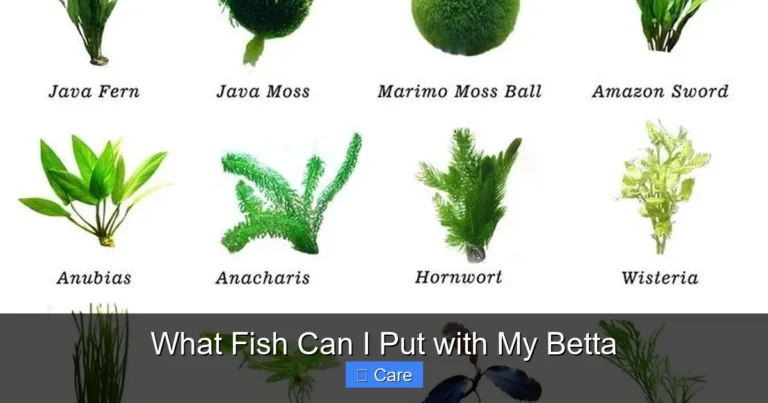
Live plants are another natural solution. Plants compete with algae for light and nutrients. Fast-growing plants like hornwort or java moss can help reduce algae growth. They also improve water quality and give your betta places to hide. Plants make your tank look better and function better at the same time.
Clean Surfaces Regularly
Scrub your glass with an algae pad during water changes. This removes growth before it gets thick. Clean decorations by rinsing them in old tank water. Do not use soap or chemicals, as these can harm your fish. If algae grows on your filter, rinse the media in tank water only. This keeps your filter working well without killing beneficial bacteria. A clean tank is easier to manage and looks much nicer.
Safe Treatment Options for Algae Problems
Sometimes algae gets out of hand despite your best efforts. When that happens, you may need to take extra steps. Always start with the gentlest methods first. Chemicals should be a last resort.
Manual Removal Methods
Manual cleaning is the safest approach. Use a clean algae scraper or pad to remove growth from glass. Take out decorations and scrub them in a bucket of tank water. Trim any plants covered in algae. Vacuum the substrate to remove loose debris. This method takes a little time, but it has no risk to your fish. You can do this every week as part of your routine.
Natural Remedies
Some owners use natural methods to reduce algae. Adding more live plants is one of the best options. Plants absorb nutrients and shade the water, which slows algae growth. You can also reduce feeding temporarily to lower nutrient levels. Another trick is to increase water flow slightly. Algae prefers still water, so gentle movement can help. Just make sure the flow is not too strong for your betta. Bettas prefer calm water and do not like strong currents.
Chemical Treatments: When and How to Use Them
If natural methods fail, you might consider an algaecide. These products kill algae quickly, but they come with risks. Some chemicals can harm your betta or your beneficial bacteria. Always read the label carefully. Dose exactly as directed. Never use more than recommended. If you are unsure about a product, research it first. You can learn more about using water conditioners safely by checking whether you can use Tetra Aquasafe for betta fish as part of your routine.
After using any chemical, do a water change to remove dead algae. Dead algae breaks down and adds nutrients back into the water. This can cause another bloom if you do not clean it up. Monitor your fish closely after treatment. If your betta shows signs of stress, stop the treatment and do a water change. Chemicals are useful in emergencies, but they are not a long-term solution.
Common Mistakes to Avoid
Many betta owners make the same errors when dealing with algae. Avoiding these mistakes saves you time and keeps your fish healthy.
- Overcleaning the tank: Scrubbing everything down to bare glass every day removes beneficial bacteria. This can crash your nitrogen cycle and stress your fish. Clean surfaces, but leave some natural growth.
- Using tap water without conditioning: Tap water contains chlorine and chloramines that harm fish and bacteria. Always condition your water before adding it. If you are unsure about your water source, read whether you can use tap water for your betta fish to make an informed choice.
- Ignoring water tests: You cannot fix problems you do not measure. Test your water for nitrates, ammonia, and pH regularly. This helps you catch issues before algae takes over.
- Adding too many fish: Overstocking increases waste and nutrients. This feeds algae and stresses your betta. Keep your tank population appropriate for its size.
- Relying only on chemicals: Algaecides treat the symptom, not the cause. If you do not fix lighting or feeding habits, algae will return. Use chemicals sparingly and focus on prevention.
Expert Insights for Long-Term Success
Experienced keepers know that algae management is about consistency. You do not need perfect water or a spotless tank. You need a routine that keeps things balanced. Here are some insights that can help you succeed over the long term.
First, observe your tank daily. Spend a minute looking at your fish and your glass. Notice changes in algae growth, water clarity, and fish behavior. Early detection makes problems easier to solve. Second, keep a simple log. Write down your water change dates, feeding amounts, and any issues. This helps you spot patterns over time. Third, be patient with new tanks. New setups often go through an algae phase as the ecosystem stabilizes. This is normal and usually passes with time.
Finally, remember that your betta’s health comes first. Algae is a cosmetic issue most of the time. Do not stress over a little green on the glass. Focus on good feeding, regular water changes, and proper lighting. These basics keep your betta happy and your tank balanced. When you get these fundamentals right, algae becomes a minor detail instead of a major worry.
Conclusion
So, is algae bad for betta fish? Generally, no. A small amount of green algae is normal and often beneficial. It helps use excess nutrients and can even provide a snack for your fish. Problems only arise when algae grows too thick or when harmful types like cyanobacteria appear. The key is balance. Control your lighting, feed your betta properly, and maintain a consistent water change schedule. These simple steps prevent most algae issues.
If you do face an algae bloom, stay calm. Start with manual cleaning and adjust your routine. Add live plants or safe tank mates if appropriate. Use chemicals only when necessary and always follow instructions carefully. Your betta does not need a perfect tank. It needs a stable, clean, and well-cared-for home. With the right approach, you can enjoy a beautiful tank without worrying about algae taking over.
Frequently Asked Questions
Can algae kill my betta fish?
Algae itself rarely kills betta fish directly. However, excessive algae blooms can deplete oxygen at night and trap waste, which may stress or harm your fish over time. Blue-green algae (cyanobacteria) can produce toxins, so it should be removed quickly if you see it.
Is green algae safe for betta fish to eat?
Yes, small amounts of green algae are generally safe for bettas to nibble on. It provides minimal nutrition but can be a harmless supplement to their diet. Just make sure the algae is not covering your fish’s breathing surface or trapping debris.
How do I get rid of algae without harming my betta?
Start with manual cleaning using an algae pad and a gravel vacuum during water changes. Reduce lighting to six to eight hours daily and avoid overfeeding. Adding live plants or algae-eating snails can also help control growth naturally without chemicals.
Does algae mean my tank is dirty?
Not necessarily. Algae grows in almost every aquarium and is a normal part of the ecosystem. It often appears when there are excess nutrients or too much light, not just from dirt. A little algae does not mean your tank is unclean or unhealthy.
Can I add an algae eater to my betta tank?
Some algae eaters can live with bettas, but you must choose carefully. Betta fish can be aggressive toward small or slow-moving tank mates. Snails like nerite snails are usually safer options. Always research compatibility before adding any new creature to your tank.
Why is my betta tank getting algae so fast?
Fast algae growth usually comes from too much light, excess nutrients, or both. Leaving your tank light on too long or placing it in direct sunlight are common causes. Overfeeding and skipping water changes also add nutrients that feed algae. Adjusting these factors usually slows the growth.