How to Feed a Betta Fish for a Healthy and Happy Life
Feeding your betta fish the right way is crucial for their long-term health and vibrant colors. When you understand how to feed a betta fish correctly, you prevent common health issues like bloating and fin rot. This guide covers the best foods, proper portion sizes, and a simple feeding schedule for beginners. You will also learn which treats are safe and what human foods to avoid completely.
Keeping a betta fish is a wonderful hobby. These colorful swimmers bring life and beauty to any room. But owning one comes with responsibility. You need to know how to feed a betta fish the right way. A proper diet keeps their fins strong and their colors bright. It also helps them live a longer, happier life.
Many new owners make simple mistakes. They might give too much food or choose the wrong type. Some even try feeding human snacks, which can harm their pet. The good news is that feeding a betta is easy once you learn the basics. This guide will walk you through everything step by step. You will learn about the best foods, how much to give, and when to feed.
Key Takeaways
- Best Diet: Betta fish thrive on high-protein pellets and frozen foods like bloodworms or brine shrimp.
- Portion Control: Feed only 2-3 pellets per meal to avoid overfeeding and water pollution.
- Frequency: Adults need feeding once or twice daily, while babies require more frequent small meals.
- Fasting Days: Skipping one meal per week helps their digestion and prevents constipation.
- Treats: Offer frozen or live treats once or twice a week, not as a staple diet.
- Water Quality: Remove uneaten food quickly to keep the tank clean and safe.
- Avoid Human Food: Never feed bread, crackers, or processed snacks to your betta fish.
📑 Table of Contents
Understanding the Betta Fish Diet Basics
Betta fish come from shallow waters in Southeast Asia. In the wild, they eat insects, larvae, and small crustaceans. This means they need a high-protein diet to stay healthy. Their stomachs are also very small. A good rule of thumb is that their stomach is about the size of their eye. This makes portion control very important.
You cannot just toss any fish food into the tank. Cheap flakes often lack the nutrients bettas need. They also dissolve quickly and cloud the water. Pellets and frozen foods work much better. A balanced diet supports their immune system and keeps them active. When you focus on how to feed a betta fish properly, you set the foundation for good health.
What Makes a Good Betta Food?
The best food for bettas should have real protein as the first ingredient. Look for fish meal, shrimp, or insect protein. Avoid foods with lots of fillers like corn or wheat. These fillers offer little nutrition and can cause digestive problems. You should also check the fat content. Bettas need some fat for energy, but too much leads to obesity.
Here is a quick look at what to seek and what to skip:
- Look for: High protein, whole ingredients, and species-specific formulas.
- Avoid: Low-quality flakes, artificial colors, and heavy fillers.
- Consider: Frozen or live foods for variety and natural nutrition.
Quality matters more than quantity. A small amount of premium food beats a large bowl of cheap flakes. Your betta will digest it better and show more energy.
The Best Foods to Feed Your Betta Fish
Choosing the right food is the first step in learning how to feed a betta fish well. You have several great options. Each type offers different benefits. A mix of foods keeps your fish interested and ensures they get all the nutrients they need.
High-Quality Betta Pellets
Pellets are the most common choice for betta owners. They sink slowly and are easy to measure. Good pellets contain essential vitamins and proteins. They also help maintain water quality better than flakes. When you pick pellets, read the label carefully. The first three ingredients should be protein sources.
Some pellets are designed to float. Others sink to the bottom. Bettas are surface feeders, so floating pellets work well. But they will also eat sinking food if it catches their attention. You can try both and see what your fish prefers.
Frozen and Live Foods
Frozen foods are a fantastic addition to a betta diet. They mimic what bettas eat in the wild. Bloodworms, brine shrimp, and daphnia are all excellent choices. These foods are rich in protein and easy to digest. You can buy them in small frozen cubes at most pet stores.
Live foods are even more exciting for bettas. They trigger natural hunting instincts. However, live foods can carry parasites if sourced poorly. Frozen options are safer for most home aquariums. You can also breed your own brine shrimp if you want a steady supply.
Occasional Treats and Variety
Variety keeps your betta engaged. You can offer treats like frozen bloodworms or brine shrimp once or twice a week. Some owners also use dried worms as a snack. Treats should never replace their main diet. They are just a fun addition. You might also explore other safe options like earthworms in moderation, but always ensure they are clean and appropriately sized.
Some people ask if they can use other foods as treats. For example, you might wonder about sea monkeys or other tiny creatures. The key is to stick to foods that match a betta natural diet. High-protein, small-sized options work best. Always introduce new foods slowly to watch for any reaction.
How Much and How Often to Feed a Betta Fish
This is one of the most common questions new owners ask. The answer is simple, but it requires discipline. Overfeeding is the biggest mistake people make. It leads to dirty water and sick fish. Underfeeding is rare, but it can cause weakness. You need to find the right balance.
Portion Size Guidelines
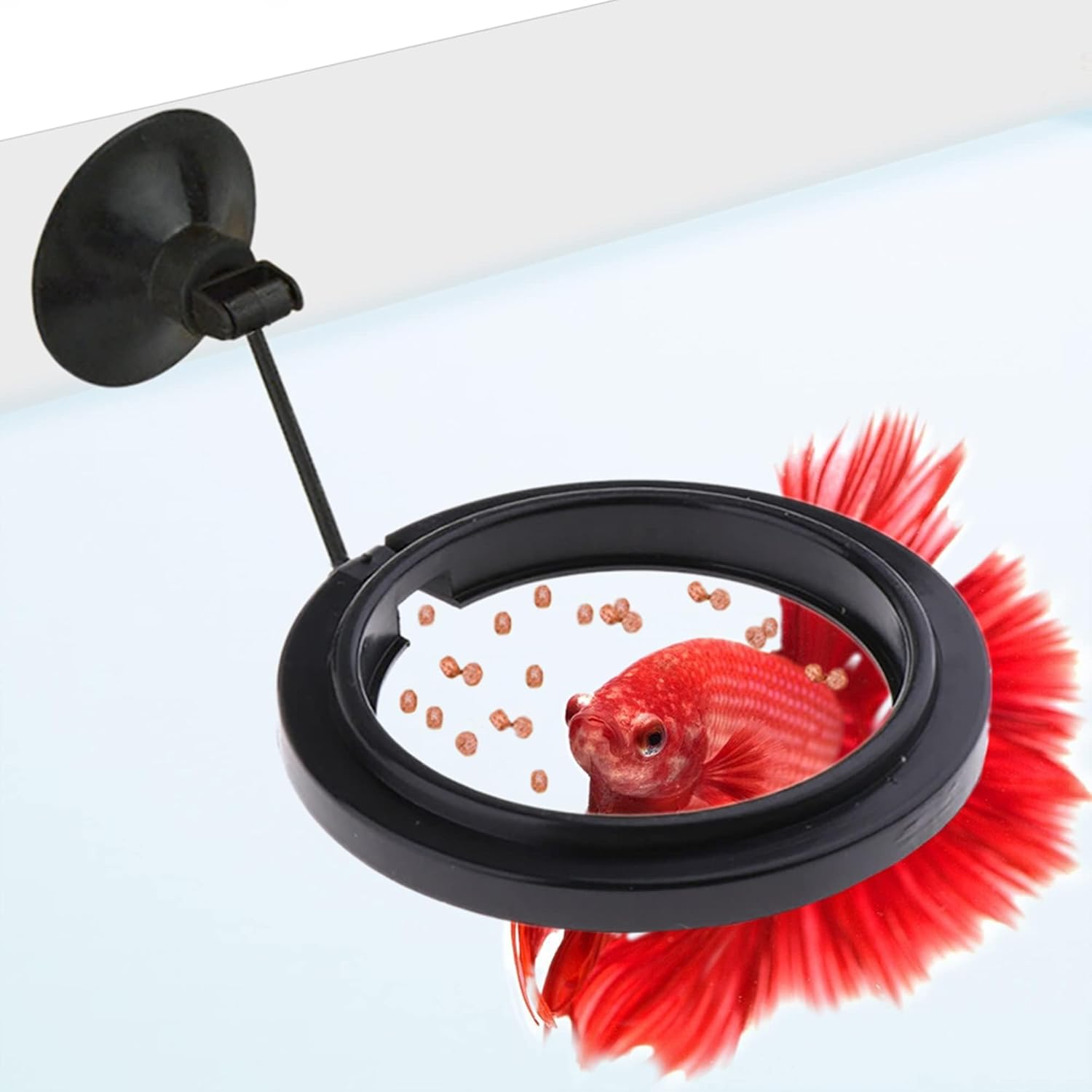
A good starting point is two to three pellets per meal. This amount fits their small stomach. If you use frozen food, a small pinch is enough. You should watch your fish while they eat. They should finish the food within two to three minutes. If food remains after that, you gave too much.
Here is a simple feeding chart you can follow:
- Adult bettas: 2-3 pellets, once or twice a day.
- Baby bettas: Smaller portions, 3-4 times a day.
- Fasting day: Skip one meal each week for digestive health.
- Treats: Replace one meal with frozen food once or twice a week.
If you are unsure about portion sizes for younger fish, you can read more about feeding a baby betta fish to adjust their meals correctly. Babies grow fast and need more frequent feeding, but the portions stay small.
Creating a Feeding Schedule
Consistency helps your betta feel secure. Pick a time in the morning and another in the evening if you feed twice daily. Stick to that routine as much as possible. Fish thrive on predictability. They will learn when to expect food and become more active.
You should also track what you feed. A simple notebook or phone note works well. Write down the food type and amount. This helps you spot patterns if your fish seems sluggish or bloated. It also prevents you from accidentally giving extra meals.
Many owners worry about missing a feeding. The truth is that a healthy adult betta can skip a meal without harm. In fact, a feeding every other day schedule can work for some adults, though daily small meals are usually better. The key is to avoid large, infrequent meals that overwhelm their system.
Common Feeding Mistakes to Avoid
Even experienced owners can slip up. Knowing the common errors helps you avoid them. These mistakes often lead to poor water quality and health problems. Let us look at the most frequent issues and how to fix them.
Overfeeding and Its Effects
Overfeeding is the number one problem in betta tanks. Extra food sinks to the bottom and decays. This creates ammonia and clouds the water. It also makes your fish feel full and lazy. Over time, it can cause obesity and swim bladder issues. If you suspect you have been feeding too much, you should learn whether you can overfeed a betta fish and adjust your routine right away.
Watch for these signs of overfeeding:
- Leftover food sitting on the substrate.
- Cloudy or foul-smelling water.
- A swollen belly on your betta.
- Less activity and slower swimming.
If you see these signs, reduce the portion size. You can also add a fasting day to reset their digestion. Clean the tank gently to remove decaying food.
Feeding the Wrong Human Foods
Some owners try to share their snacks with their fish. This is a bad idea. Bread, crackers, and processed foods contain ingredients that bettas cannot digest. They swell in the stomach and cause serious blockages. You should never feed bread to a betta fish, and the same rule applies to crackers and similar snacks.
Even some vegetables can be problematic if given in the wrong way. For instance, you might hear mixed advice about lettuce or rice. These do not match a betta natural diet and can cause digestive upset. Stick to foods made for bettas or safe frozen treats. If you want to offer plant matter, research it carefully first. Some owners also ask about feeding a pea to a betta fish, which is sometimes used as a remedy for constipation, but it should only be given in specific situations and not as a regular meal.
Tips for Healthy Feeding and Water Quality
Feeding affects more than just your fish stomach. It also impacts the entire tank. Good habits keep the water clean and the fish healthy. A few simple steps make a big difference.
Removing Uneaten Food
Always check the tank after feeding. Take out any food that your betta did not eat. Leftover pellets and frozen bits break down quickly. They release waste into the water and stress your fish. A small net or siphon works well for this task.
You should also clean the substrate during regular water changes. Waste accumulates over time. A clean tank means less disease and clearer water. Your betta will show off its colors better in a clean environment.
Monitoring Your Betta Health
Pay attention to how your fish looks and acts. A healthy betta swims with purpose and has bright eyes. Their fins should look full and intact. If you notice changes, review your feeding routine first. Sometimes a small adjustment solves the problem.
You might also wonder about other care factors that connect to feeding. For example, water temperature affects metabolism. You can learn more about adding warm water to a betta fish tank to keep conditions stable. A stable environment helps your fish digest food properly.
Another factor is tank space. Bettas need room to swim and explore. If you are curious about their space needs, read about whether betta fish like a lot of space. More space often means less stress and better overall health.
Expert Insights on Feeding Routine
Experts recommend a simple routine with variety. Start with a high-quality pellet as the base. Add frozen treats once or twice a week. Keep portions small and consistent. Observe your fish daily and adjust as needed. This approach works for most bettas and keeps them active.
You can also try training your betta to respond to feeding cues. Some owners enjoy teaching their fish simple behaviors. If you want to explore that, you can look into training a betta fish to do tricks or teaching a betta fish to do tricks. These activities can be fun, but always keep the focus on gentle, positive interactions.
Frequently Asked Questions
How often should I feed my betta fish?
Most adult bettas do best with one or two small meals each day. You should also include one fasting day each week to support healthy digestion. Babies need more frequent meals, but the portions should stay very small.
Can I feed my betta fish flakes instead of pellets?
You can, but pellets are usually better for bettas. Flakes often dissolve quickly and pollute the water faster. They may also contain more fillers than premium betta pellets. If you use flakes, choose a high-quality brand made for bettas.
What happens if I overfeed my betta fish?
Overfeeding can cause bloating, swim bladder issues, and dirty water. Uneaten food decays and raises ammonia levels. If you overfeed, reduce the portion size and remove leftover food right away. A short fasting period can also help your fish recover.
Can I give my betta fish treats like bloodworms?
Yes, frozen bloodworms and brine shrimp make excellent treats. They are high in protein and closely match a betta natural diet. Use them once or twice a week in small amounts. Treats should supplement the diet, not replace regular meals.
Is it safe to feed my betta fish vegetables?
Most vegetables are not ideal for bettas because they are carnivorous by nature. Some owners use a small piece of pea only to help with constipation, but this is not a regular food. Stick to protein-rich foods and safe frozen treats for the best results.
How do I know if my betta is hungry?
Bettas often swim to the surface or follow your movement when they expect food. However, they may also beg even when they are not truly hungry. Use a consistent schedule and proper portion sizes instead of relying only on their behavior.