How to Cure Popeye in Betta Fish Quickly and Safely
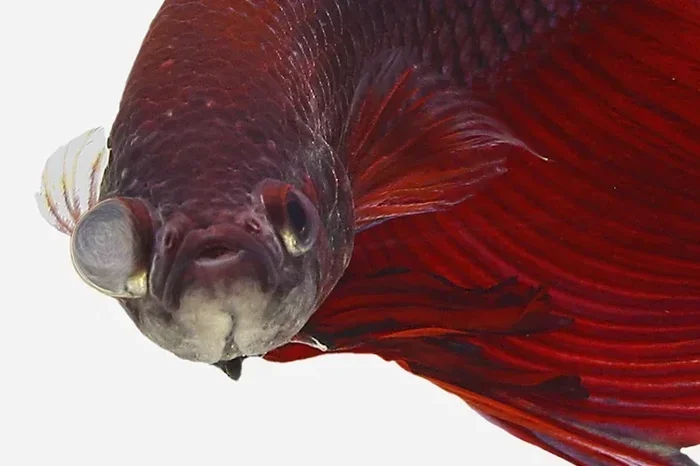
Popeye in betta fish is a common condition where the eye swells or protrudes due to infection, injury, or poor water quality. To cure popeye in betta fish quickly and safely, you must act fast by improving tank conditions, isolating the sick fish, and using targeted treatments like antibiotics or Epsom salt baths. This guide covers everything you need to know about popeye treatment for betta fish, from identifying causes to choosing the right medication and preventing future outbreaks.
Key Takeaways
- Identify the cause early: Popeye often stems from bacterial infections, physical trauma, or poor water quality, so diagnosis matters.
- Improve water conditions immediately: Clean, dechlorinated water with stable temperature reduces stress and supports healing.
- Isolate the affected fish: A separate hospital tank prevents spread and allows targeted treatment without harming tank mates.
- Use appropriate medications: Antibiotics like tetracycline or mild salt baths can help, but always follow dosage instructions carefully.
- Avoid overcrowding and sharp decor: Reduce injury risks and stress by providing a safe, spacious environment.
- Monitor progress daily: Track eye swelling, appetite, and behavior to adjust treatment if needed.
- Prevent future cases: Regular water changes, proper filtration, and a balanced diet keep your betta healthy long-term.
📑 Table of Contents
Understanding Popeye in Betta Fish
Popeye in betta fish is a condition that worries many new and experienced fish keepers. When you notice one or both of your betta’s eyes bulging outward, it can look alarming. The good news is that with prompt care, many cases resolve without lasting damage. This guide will walk you through exactly how to cure popeye in betta fish while keeping your pet safe and comfortable.
Bettas are hardy fish, but they still face health challenges. Their eyes are delicate, and swelling can happen for several reasons. Sometimes it is a simple injury. Other times, it signals an infection or water quality issue. Understanding the root cause helps you choose the right popeye treatment for betta fish and avoid guesswork.
In this article, we will break down the signs, causes, and step-by-step solutions. You will learn how to set up a safe recovery space, pick the right remedies, and prevent future problems. By the end, you will feel confident handling this common issue and giving your betta the best chance to heal.
What Causes Popeye in Betta Fish
Before you can treat the problem, you need to know what triggered it. Popeye in betta fish usually falls into three main categories: infection, injury, or environmental stress. Each cause requires a slightly different approach.
Bacterial Infections
Bacteria are a common culprit. When water quality drops, harmful microbes multiply and can attack your fish’s eyes. A bacterial infection often causes cloudiness, swelling, and sometimes discharge. If you suspect bacteria, can tetracycline treat popeye in betta fish is a question many keepers ask. The answer is yes, in many cases, targeted antibiotics can help clear the infection when used correctly.
Physical Injury
Bettas are active and sometimes clumsy. They can bump into tank walls, decorations, or even other fish. A scratch or blunt force to the eye area can cause swelling. If your betta shares a tank, aggression or crowding might lead to trauma. In these cases, the focus shifts to protecting the fish from further harm and letting the eye heal naturally.
Poor Water Conditions
Dirty water, ammonia spikes, or sudden temperature shifts stress bettas quickly. Stress weakens their immune system and makes them more vulnerable to eye problems. Even if the initial cause was minor, bad water can turn a small issue into a bigger one. That is why water care is always part of popeye treatment for betta fish.
Other Contributing Factors
Sometimes multiple factors work together. A minor injury might get infected if the water is not clean. Or a stressed fish might develop a secondary bacterial issue. Watching your tank closely helps you spot patterns and address the real problem faster.
Recognizing the Signs Early
Catching popeye in betta fish early gives you the best chance of a quick recovery. The sooner you act, the less likely the condition will worsen. Keep an eye out for these common signs:
- Swollen or bulging eye: One or both eyes appear larger than normal or stick out noticeably.
- Cloudy or hazy appearance: The eye may look milky, which can signal infection or fluid buildup.
- Redness or irritation: The area around the eye might look inflamed or sore.
- Changes in behavior: Your betta may hide more, swim less, or lose interest in food.
- Rubbing or flashing: The fish might scrape against objects, trying to relieve discomfort.
If you notice these symptoms, start by checking your water parameters. Test for ammonia, nitrite, nitrate, and pH. Clean water is the foundation of every popeye treatment for betta fish. Even if you plan to use medication, poor water will slow healing and possibly make things worse.
It also helps to observe your betta’s routine. Is it eating normally? Is it breathing steadily? Does it still show interest in its surroundings? These clues tell you how serious the issue might be and whether you need to step up care quickly.
How to Cure Popeye in Betta Fish: Step-by-Step
Now let’s get into the heart of how to cure popeye in betta fish safely and effectively. The process is straightforward when you follow a clear plan. Take it one step at a time, and do not rush into strong medications unless you need them.
Step 1: Test and Improve Water Quality
Start with a water test. If ammonia or nitrite levels are high, perform a partial water change right away. Use a reliable water conditioner to remove chlorine and chloramines. Make sure the new water matches the tank temperature to avoid shock. Good water quality reduces stress and gives your betta a better chance to fight off infection.
If you are unsure about your water source, you might wonder could a betta fish live in tap water. The answer is yes, but only after treating it properly. Untreated tap water can contain harmful chemicals that irritate your fish and worsen eye problems. Always condition tap water before adding it to the tank.
Step 2: Set Up a Hospital Tank
A separate hospital tank is one of the best tools for popeye treatment for betta fish. It keeps the sick fish away from others and lets you control the environment tightly. Use a small, clean tank with a gentle heater and a low-flow filter. Add treated water and a little hiding space so your betta feels secure.
Some keepers ask do betta fish have to be in a filtered tank during recovery. While a heavy filter current can stress a weak fish, gentle filtration helps keep water clean without blowing the betta around. If your hospital tank is very small, you can do frequent water changes instead of running a filter continuously. The goal is stable, clean water with minimal stress.
Step 3: Choose the Right Treatment
Treatment depends on the likely cause. If you see cloudiness, redness, or signs of infection, an antibiotic may help. Many keepers explore can tetracycline treat popeye in betta fish when bacteria seem involved. Tetracycline can be effective against certain bacterial issues, but always follow the package directions and complete the full course.
For milder cases or injury-related swelling, some owners try supportive care first. This can include clean water, reduced lighting, and careful monitoring. Others look into can epsom salt heal popeye in betta fish as a gentle way to reduce swelling. Epsom salt baths may help in some situations, but they are not a cure-all. Use them cautiously and make sure your betta tolerates the treatment well.
Step 4: Feed Lightly and Watch Appetite
A sick betta may eat less, but nutrition still matters. Offer small amounts of high-quality food once or twice a day. If your fish refuses food for more than a day or two, do not force it. Remove uneaten food quickly so it does not foul the water. Good hygiene during treatment is just as important as the medication itself.
Step 5: Monitor and Adjust
Check your betta daily. Look for changes in eye swelling, clarity, and overall behavior. If the eye starts to look better, keep going with your current plan. If things worsen or new symptoms appear, reassess the cause and consider adjusting treatment. Patience matters, but so does paying attention to warning signs.
Medications and Home Care Options
When people search for how to cure popeye in betta fish, they often want to know which remedies work best. The truth is that the best option depends on the cause and severity. Below is a simple comparison to help you decide.
| Approach | Best For | Things to Keep in Mind |
|---|---|---|
| Improved water quality and monitoring | Mild swelling, early signs, stress-related cases | Works best when caught early; still needs close observation |
| Antibiotics like tetracycline | Suspected bacterial infection, cloudiness, discharge | Follow dosage carefully; finish the full course; avoid overuse |
| Epsom salt baths | Swelling support, mild cases, injury-related discomfort | Use with caution; not a standalone cure; watch for stress |
| Hospital tank isolation | Any active case, especially if multiple fish share the tank | Reduces spread risk; lets you control water and treatment tightly |
When to Use Antibiotics
Antibiotics are most useful when bacteria are likely involved. If the eye looks cloudy, red, or starts producing discharge, infection may be present. In such cases, can tetracycline treat popeye in betta fish is a practical question with a often positive answer, provided the medication matches the problem. Always read the label, measure carefully, and keep the tank water clean during treatment.
When Supportive Care May Be Enough
Not every case needs strong medication. If the swelling is mild and your water quality is excellent, your betta may recover with time and careful monitoring. Reduce stressors, keep the tank quiet, and avoid sharp decorations. Sometimes the best popeye treatment for betta fish is simply giving the fish a calm, clean space to heal.
Using Epsom Salt Carefully
Epsom salt is sometimes used to help reduce swelling and support recovery. If you are considering can epsom salt heal popeye in betta fish, remember that it can be a helpful add-on in some situations, but it should not replace proper water care or needed medication. Dissolve the salt fully before adding it, and watch your betta closely for any signs of distress.
Preventing Popeye in the Future
Once your betta recovers, the next goal is prevention. Healthy habits go a long way toward keeping popeye in betta fish from coming back. Here are the most effective prevention steps:
- Maintain stable water quality: Test water regularly and perform consistent partial water changes.
- Avoid overfeeding: Excess food pollutes the tank and can spike ammonia levels.
- Use safe decorations: Choose smooth items without sharp edges that could scratch your betta’s eyes.
- Keep the tank appropriately stocked: Bettas can be territorial, so avoid crowding and aggressive tank mates.
- Quarantine new fish and plants: This reduces the chance of bringing in disease or parasites.
- Watch temperature closely: Sudden swings stress fish and weaken their defenses.
Good prevention also means paying attention to your betta’s daily behavior. If you notice hiding, fading color, or less activity, investigate early. Small changes often show up before bigger problems do.
Many keepers also ask do betta fish hide in rocks or whether shelter is helpful. Hiding spots can reduce stress, but they should be smooth and safe. If a betta feels threatened or uncomfortable, it may seek cover more often. Providing calm, secure spaces supports overall health and may lower the risk of stress-related issues.
When to Seek Extra Help
Most mild to moderate cases can be managed at home with careful treatment. However, some situations call for extra attention. If the eye becomes severely swollen, starts leaking, or your betta stops eating entirely, it may be time to get advice from a knowledgeable fish veterinarian or an experienced aquatic specialist.
Also, if you have tried improving water quality and using a reasonable treatment without any improvement after several days, reassess your approach. Sometimes the issue is not just the eye. Underlying water problems, internal illness, or mixed infections can complicate recovery. In those cases, a more targeted plan may be needed.
Remember that how to cure popeye in betta fish is not a one-size-fits-all question. The best results come from observing your fish, correcting tank conditions, and choosing treatment based on what you see. Calm, steady care usually works better than rushed or extreme measures.
Final Thoughts on Popeye Treatment
Dealing with popeye in betta fish can feel stressful at first, but it is often manageable when you act quickly and thoughtfully. Start by checking the water, isolating the fish if needed, and choosing a treatment that matches the likely cause. Keep things simple, stay consistent, and watch your betta’s response each day.
The most important part of popeye treatment for betta fish is patience combined with good husbandry. Clean water, safe surroundings, and careful medication use give your betta the best chance to recover. With the right approach, many fish bounce back and return to their normal, lively selves.
If you ever feel unsure, slow down and review the basics. Test the water, reduce stress, and make one change at a time. That way, you can see what helps and avoid making the problem harder to solve. Your betta depends on steady care, and that is something you can provide.
Frequently Asked Questions
What is popeye in betta fish?
Popeye is a condition where one or both of your betta’s eyes swell or bulge outward. It can happen due to infection, injury, or poor water quality, and it often improves with clean water and proper treatment.
How do I know if popeye is caused by infection or injury?
Infection often comes with cloudiness, redness, or discharge, while injury may follow a bump or scrape and cause localized swelling. If you are unsure, start by improving water quality and watching for additional symptoms before using medication.
Can I treat popeye without medication?
Yes, mild cases sometimes improve with better water conditions, a quiet hospital tank, and close monitoring. If swelling worsens or signs of infection appear, medication may be needed to help your betta recover.
Should I move my betta to a separate tank?
A hospital tank is often a good idea because it keeps the sick fish stable and reduces stress from tank mates or strong currents. It also makes it easier to control water quality and give targeted treatment.
How long does popeye take to heal?
Healing time varies depending on the cause and how quickly you start care. Some bettas improve within a few days, while others may need a week or more of steady treatment and monitoring.
What can I do to prevent popeye from coming back?
Keep water clean, avoid sharp decorations, feed appropriately, and watch for early signs of stress or illness. Regular maintenance and a calm tank environment are the best ways to lower the risk of future eye problems.