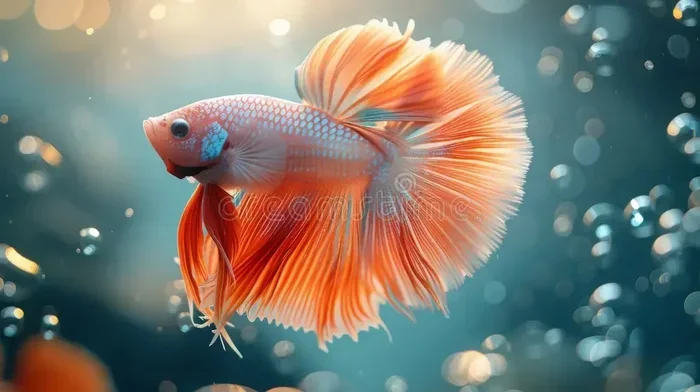
Do Betta Fish Lay Eggs The Truth About Breeding
Do betta fish lay eggs? Yes, they do! Most people think fish give live birth, but bettas are egg layers. This article clears up the confusion about betta reproduction. You will learn how to spot eggs and care for them. We also cover what happens after breeding.
Many new fish owners ask one big question. They want to know about their pet’s family life. People often wonder do betta fish lay eggs or if they have babies like mammals. It is a common confusion. Fish reproduction is different from what we see in dogs or cats.
Bettas are unique creatures. They have a special way of bringing new life into the world. If you own a female betta, you might see her belly get big. You might worry something is wrong. But often, she is just full of eggs. This does not mean she will lay them all alone. She usually needs help from a male.
Understanding this process helps you care for your fish better. It stops you from panicking when you see strange behavior. You will know if your fish is healthy or sick. We will break down everything you need to know. Let’s dive into the world of betta breeding.
Key Takeaways
- Bettas are egg layers: They do not give live birth like some other fish species.
- Males build nests: Male bettas create bubble nests to protect the eggs.
- Females need males: Females usually need a male to fertilize the eggs outside their body.
- Eggs look like tiny grains: You can spot them floating in the bubble nest.
- Parents may eat eggs: It is common for bettas to eat their own eggs if stressed.
- Separate tanks help: Keeping breeders separate increases the survival rate of fry.
- Water quality matters: Clean, warm water is crucial for successful breeding.
📑 Table of Contents
Understanding Betta Fish Reproduction
Betta fish are oviparous. This is a big word that means egg-laying. They do not keep the babies inside their bodies until birth. Instead, the female releases eggs. The male then fertilizes them outside her body. This is very different from live-bearing fish like guppies.
Many people search online to do betta fish lay eggs because they see a swollen belly. A swollen belly often means eggs are inside. But it can also mean the fish is sick. You need to look at other signs too. Behavior changes are key indicators.
The process starts with courtship. The male and female dance around each other. It looks like they are fighting sometimes. But they are actually showing interest. The male wants to show he is a good partner. The female wants to see if he is safe.
Signs Your Betta Is Ready to Breed
How do you know if your fish are ready? Look at their bodies closely. The female will have a rounder belly. This is where the eggs are stored. She might also show vertical stripes on her side. These stripes are called breeding bars.
The male will build a bubble nest. He blows bubbles at the surface of the water. He mixes saliva with air to make them sticky. This nest is where the eggs will go. If you see a nest, the male is ready. He is preparing for fatherhood.
You should also watch their behavior. They will flare their gills. They will swim close to each other. But be careful. Sometimes they fight too much. If they hurt each other, you must separate them. Safety comes first for your pets.
Do Betta Fish Lay Eggs Without a Male?
This is a very common question. Can a female lay eggs all by herself? The short answer is no. She can release the eggs, but they will not become babies. The eggs need sperm to start growing. Without a male, the eggs are useless.
Sometimes a female might drop eggs on her own. This happens if she is stressed or old. These eggs will sink to the bottom. They will turn white and fuzzy. This is fungus growing on unfertilized eggs. You should remove them quickly. They can dirty the tank water.
If you want baby bettas, you need a male. You cannot force a female to make babies alone. It is biology. The male provides the genetic material. The female provides the eggs. Both are needed for new life.
There is a lot of info on this topic. You can read more about can female betta fish lay eggs without male to understand the risks. It helps to know why solitary laying is not successful.
What Happens to Unfertilized Eggs?
Unfertilized eggs do not hatch. They stay as they are. Eventually, they rot in the water. This creates ammonia. Ammonia is bad for fish. It can make them sick. So, cleaning is important.
Some owners worry they did something wrong. They think the fish is unhealthy. But it is natural. Not every batch of eggs works. Sometimes the timing is off. Sometimes the male is not ready. Patience is key in breeding.
You might also wonder about the eggs themselves. Do they look like bubbles? Not really. They are small and round. They sink unless the male picks them up. You can learn more about do betta fish eggs look like bubbles to spot them correctly.
The Male’s Role in Egg Care
Male bettas are very protective fathers. Once the eggs are laid, the male takes over. He catches the eggs in his mouth. He places them gently into the bubble nest. He does this many times. He works hard to keep them safe.
He guards the nest fiercely. He will fight off other fish. He even fights the female sometimes. She might try to eat the eggs. So, breeders often remove the female after spawning. This keeps her safe too. It stops her from eating the future fry.
The male fans the eggs with his fins. This moves oxygen around them. Oxygen is vital for development. If the water is still, the eggs might die. The father ensures they breathe well. He is a dedicated dad.
Do Bettas Eat Their Own Eggs?
Sadly, yes, they can. Stress causes this behavior. If the tank is too small, they get nervous. If the water is dirty, they get anxious. Sometimes they just get hungry. They see the eggs as food.
This is why monitoring is crucial. You must watch the male closely. If he eats too many, you might need to intervene. Some breeders move the eggs to a separate hatchery. This saves the babies. It takes more work but helps survival.
There is a detailed discussion on do betta fish kill their babies that explains this behavior well. Understanding why they do this helps you prevent it. A calm environment reduces stress significantly.
Identifying Betta Fish Eggs
What do the eggs look like? They are tiny. They look like small grains of salt. They are usually white or pale yellow. They are sticky. This helps them stay in the nest. They do not roll around easily.
You will find them near the surface. They float in the bubble nest. The male keeps them there. If you see them sinking, the male might be sick. Or the nest is not good enough. Check your water conditions.
It is hard to see them at first. They blend in with the bubbles. Look closely with a flashlight. You will see small dots clustered together. This is a sign of success. It means spawning happened.
Do Bettas Lay Eggs in the Substrate?
No, they do not lay eggs on the bottom. They do not dig holes like cichlids. Bettas prefer the surface. The bubble nest is their nursery. You will not find eggs hiding under rocks.
Some fish lay eggs on leaves or rocks. Bettas are different. They want the eggs high up. This protects them from bottom dwellers. It also keeps them near oxygen. Surface water has more oxygen. This is why the nest location matters.
If you see eggs on the glass bottom, something is wrong. Maybe the nest failed. Maybe the male dropped them. Check your fish health. You can read about do betta fish lay on rocks to clarify this misconception. It is important to know where to look for eggs.
Caring for Betta Eggs and Fry
Once the eggs hatch, you have fry. Fry are baby fish. They are very small. They cannot eat normal fish food. They need special tiny food. Infusoria or baby brine shrimp works well.
The male guards them for a few days. He keeps them in the nest. When they swim freely, he might eat them. This is when you should remove him. Move him to a different tank. This saves the babies.
Water quality is super important now. Babies are sensitive. They get sick easily. Do small water changes. Use aged water. Make sure the temperature is warm. Around 80 degrees Fahrenheit is good.
Feeding the Newborn Fry
Feeding is the hardest part. Their mouths are tiny. They cannot swallow large pellets. You must crush the food. Or buy specific fry food. Live food is best for growth.
Feed them often. Small stomachs mean they get hungry fast. But do not overfeed. Dirty water kills fry faster than hunger. Clean water keeps them healthy. Watch them grow day by day.
It takes a few months for them to show color. Males and females look the same at first. As they grow, fins develop. Males get longer fins. Females stay shorter. You can separate them when they are bigger.
Common Breeding Mistakes to Avoid
Breeding bettas is fun but tricky. New owners make mistakes often. Here are some things to watch out for. Avoiding these helps your fish stay healthy.
One big mistake is keeping them together too long. They fight after spawning. This hurts the fish. Another mistake is bad water quality. Dirty water kills eggs and fry. Always test your water parameters.
People also feed the wrong food. Adult food is too big for babies. This leads to starvation. Make sure you have fry food ready before breeding starts. Preparation is everything.
Expert Tips for Success
Here are some quick tips from experienced breeders. Follow these to improve your chances.
- Use a separate tank: Breeding in a community tank is risky. Use a dedicated breeding tank.
- Condition the fish: Feed them high-quality food before breeding. Healthy fish make healthy babies.
- Match the pair: Choose a healthy male and female. They should be similar in size.
- Monitor temperature: Keep the water warm. Cold water stops breeding behavior.
- Be patient: It might not work the first time. Try again if needed.
You should also consider the tank size. Bettas need space to swim. A small bowl is not enough for breeding. A ten-gallon tank is better. It gives them room to build a nest. Learn more about do betta fish like 10 gallon tank setups for breeding.
Also, check the water pH. Bettas like slightly acidic water. Neutral is okay too. But very alkaline water is bad. Test your water regularly. Good water means healthy eggs.
Conclusion
So, do betta fish lay eggs? Yes, they definitely do. They are not live-bearers. They need a male to fertilize the eggs. The male builds a nest and guards the babies. This is a fascinating process to watch.
Breeding requires patience and care. You must protect the eggs and fry. Clean water and good food are essential. Do not expect success every time. Sometimes nature takes its course differently.
Whether you want to breed or just learn, knowledge helps. It makes you a better owner. You understand your fish’s needs better. Enjoy watching your bettas thrive. They are beautiful and interesting pets.
Frequently Asked Questions
How many eggs do betta fish lay at one time?
A female betta can lay between 100 to 500 eggs in one session. The exact number depends on her age and health. Younger females usually lay fewer eggs than older ones.
How long does it take for betta fish eggs to hatch?
Betta fish eggs usually hatch within 24 to 48 hours. It depends on the water temperature. Warmer water speeds up the process slightly. The fry will stay in the nest for a few days.
Can I keep male and female bettas together permanently?
No, you should not keep them together permanently. They will fight and stress each other out. Only put them together for breeding purposes. Separate them immediately after spawning is done.
Why are my betta fish eggs turning white?
White eggs are usually unfertilized or dead. Fungus can also turn them white. You should remove white eggs to keep the tank clean. Only keep the ones that look clear or slightly yellow.
Do betta fish need a heater to breed?
Yes, a heater is very important for breeding bettas. They need warm water around 80 degrees Fahrenheit. Cold water slows down their metabolism and stops breeding behavior. Consistent warmth helps the eggs develop.
What do I feed baby betta fish?
Baby betta fish need very small food like infusoria or baby brine shrimp. You can also crush high-quality flakes into dust. Feed them small amounts multiple times a day. Clean water is crucial when feeding fry.