How to Set Up Aquarium for Betta Fish Easily
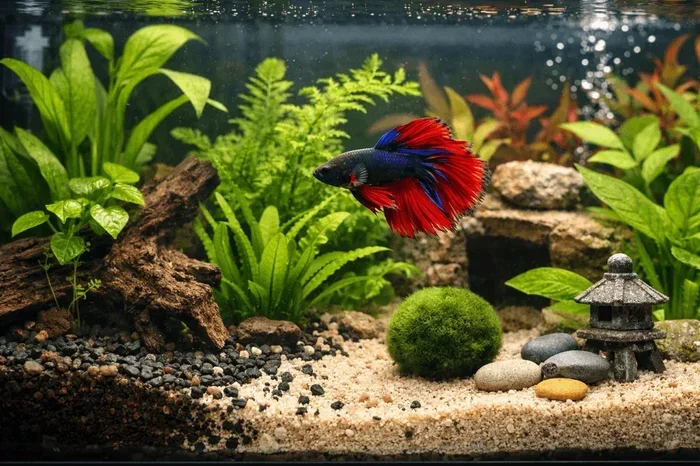
Setting up a proper tank is the first step to keeping your betta fish healthy and happy. Many new owners make simple mistakes that stress their fish. This guide shows you exactly how to set up aquarium for betta fish without confusion. You will learn about tank size, water quality, and safe decorations. Follow these steps to create a perfect home for your new pet.
Key Takeaways
- Choose the right tank size: A 5-gallon tank is the minimum for a healthy betta fish.
- Use a gentle filter: Bettas prefer calm water, so pick a filter with adjustable flow.
- Install a heater: Bettas need warm water between 78°F and 80°F to thrive.
- Cycle your tank first: Let beneficial bacteria grow before adding your fish to prevent shock.
- Add safe decorations: Use smooth plants and ornaments to protect your betta’s delicate fins.
- Test water regularly: Check pH, ammonia, and nitrite levels to keep the environment stable.
- Perform weekly water changes: Replace 25% of the water to maintain cleanliness and health.
📑 Table of Contents
- How to Set Up Aquarium for Betta Fish: A Complete Beginner Guide
- Pick the Right Tank Size and Location
- Gather Essential Equipment for Your Betta Tank
- Prepare the Water and Add Substrate
- Add Safe Decorations and Plants
- Cycle the Tank Before Adding Your Betta
- Maintain Water Quality and Daily Care
- Help Your Betta Settle In and Thrive
- Final Thoughts on How to Set Up Aquarium for Betta Fish
How to Set Up Aquarium for Betta Fish: A Complete Beginner Guide
Bringing a betta fish home is exciting. These colorful pets bring life to any room. But a happy betta needs a proper home. Many people buy a small bowl and call it a day. That is not enough. Your fish deserves better. How to set up aquarium for betta fish is a common question for new owners. The good news is that it is simple once you know the basics.
This guide walks you through every step. You will learn what equipment you need. You will also learn how to prepare the water. We keep things clear and easy. No fancy jargon. Just practical advice you can use right away. By the end, you will feel confident about your setup.
Let us start with the most important part. The tank itself. Size matters a lot. A cramped space causes stress. Stress leads to sickness. So pick the right size from the start.
Pick the Right Tank Size and Location
The first step in how to set up aquarium for betta fish is choosing the tank. Many stores sell tiny bowls. These look cute but are not ideal. Bettas need space to swim. They also need stable water. Small volumes change temperature fast. They also build up waste quickly.
A 5-gallon tank is the sweet spot. It gives your fish room to move. It also makes water care easier. You can find many nice 5-gallon kits online. Some come with lights and filters. That saves you time. If you have space, a 10-gallon tank works too. Bigger tanks are more stable. They are also easier to maintain in the long run.
Next, think about where to place the tank. Pick a flat, sturdy surface. The stand must hold the weight. Water is heavy. A 5-gallon tank weighs over 40 pounds when full. Keep the tank away from direct sunlight. Sunlight causes algae growth. It also heats the water too much. Avoid drafty spots too. Cold air from windows or doors can shock your fish.
Quick Tips for Tank Placement
- Place the tank on a level surface to prevent cracking.
- Keep it near an electrical outlet for your heater and filter.
- Avoid high-traffic areas where the fish may get stressed.
- Make sure you have room to reach the tank for cleaning.
A good location makes daily care simple. You will see your fish more often. That means you can spot problems early. Now let us talk about the gear you need inside the tank.
Gather Essential Equipment for Your Betta Tank
Setting up a tank requires a few basic items. You do not need a lot. But you do need the right tools. Here is what you should look for when learning how to set up aquarium for betta fish.
First, get a filter. A filter keeps the water clean. It removes waste and helps good bacteria grow. Bettas like calm water. Strong currents tire them out. So pick a filter with a gentle flow. Sponge filters work well. Hang-on-back filters with adjustable flow are also good. You can find more details on filtration needs in our guide about filtered tanks for bettas.
Second, add a heater. Bettas come from warm tropical water. They need steady heat. The ideal range is 78°F to 80°F. A small adjustable heater works for a 5-gallon tank. Always use a heater guard. This prevents your fish from burning itself.
Third, choose a light. A simple LED light is enough. It shows off your fish’s colors. It also helps if you add live plants. Keep the light on for about 8 to 10 hours a day. Too much light causes algae. You can read more about lighting concerns in our article on light brightness for bettas.
Fourth, pick a thermometer. A stick-on thermometer is easy to read. It helps you track the water temperature daily. Small changes matter. A steady temp keeps your betta healthy.
Finally, grab a water test kit. This is a must-have. You need to check ammonia, nitrite, and nitrate levels. A simple liquid test kit gives accurate results. Strips work too, but liquid kits are more precise. Testing helps you catch problems before they harm your fish.
Prepare the Water and Add Substrate
Water quality is the heart of a healthy tank. Tap water contains chlorine. Chlorine harms fish and kills good bacteria. So you must treat the water before adding it to the tank. A water conditioner neutralizes chlorine and heavy metals. It also helps protect your fish’s slime coat.
When learning how to set up aquarium for betta fish, many owners ask about water type. Tap water works fine if you condition it. Some people prefer bottled water. That can get expensive. Well water and spring water need testing too. You can check our full breakdown on using regular water for bettas for more details.
Here is a simple water setup routine:
- Fill the tank with treated tap water.
- Add a water conditioner as directed on the bottle.
- Let the water sit for a few hours if possible.
- Check the temperature before adding your fish.
- Test the water for pH and chlorine levels.
Next, add your substrate. Substrate is the material at the bottom of the tank. Gravel and sand are common choices. Gravel is easy to clean. Sand looks natural and is soft on fins. Rinse the substrate well before adding it. Dust and dirt cloud the water. A clean substrate keeps the tank clear.
You can also add a background. A solid background reduces stress. It gives your betta a sense of security. Some owners worry about backgrounds causing anger. We cover that topic in our post on aquarium backgrounds and betta behavior.
Now it is time to think about plants and decor. This is where many beginners make mistakes. Rough edges cut fins. Sharp plastic plants are a common culprit. You can learn more about this risk in our guide on plastic plants and betta safety.
Add Safe Decorations and Plants
Decorations make the tank look nice. They also give your betta places to rest and hide. Bettas enjoy exploring. They also like quiet spots. So choose items that are smooth and fish-safe.
Live plants are a great option. They help clean the water. They also produce oxygen. Java fern, Anubias, and Betta bulbs are easy choices. These plants do not need strong light. They grow well in a beginner tank. Silk plants are another good option. They look real but have soft leaves. Always run your fingers over decorations. If it feels rough, do not use it.
Avoid small caves with sharp openings. Avoid plastic ornaments with jagged edges. Betta fins tear easily. A torn fin can lead to infection. It also causes pain. Your fish will hide more and swim less. That is not a good sign.
Here is a quick comparison of common decor options:
| Decoration Type | Safety Level | Care Needs |
|---|---|---|
| Live plants | Very safe | Moderate light and trimming |
| Silk plants | Safe | Rinse before use |
| Smooth gravel | Safe | Vacuum during water changes |
| Sharp plastic plants | Not safe | Can tear fins |
| Rough ceramic caves | Risky | Check for sharp edges |
Arrange your plants and decor with open swimming space in mind. Bettas like to glide across the tank. They also like to perch on leaves. Leave some open areas. Do not crowd the tank. A balanced layout looks good and feels natural.
Once everything is in place, you are ready for the next big step. Cycling the tank. This step is often skipped. That is a big mistake. Let us fix that.
Cycle the Tank Before Adding Your Betta
Cycling sounds technical. It is not. It simply means building good bacteria in your tank. These bacteria break down fish waste. They turn harmful ammonia into less harmful nitrate. Without this process, your fish can get sick fast.
When you learn how to set up aquarium for betta fish, cycling should be step one. Add your water and filter. Run the filter for a few weeks. You can also add a small source of ammonia to start the process. Test the water regularly. Ammonia will rise, then fall. Nitrite will rise, then fall. Finally, nitrate will appear. That is the sign of a cycled tank.
This process takes time. It can take 2 to 6 weeks. Be patient. Your future fish will thank you. A cycled tank is a safe tank. It reduces stress and prevents shock. You can also do a fishless cycle. That means no fish are in the tank during the process. It is the kindest method.
Common Mistakes During Cycling
- Adding the fish too soon before bacteria grow.
- Skipping water tests during the cycle.
- Cleaning the filter too aggressively and removing bacteria.
- Using soap or harsh cleaners on tank items.
Speaking of cleaners, never use soap on tank tools. Soap leaves residue. That residue harms fish. We explain this in our article on using soap to clean a betta tank. Stick to warm water and a clean brush. That is enough for most cleaning jobs.
Once your water tests show zero ammonia and zero nitrite, you are ready. The tank is safe. Now you can think about your fish’s daily care.
Maintain Water Quality and Daily Care
A good setup is only the start. Maintenance keeps your betta thriving. Water changes are the biggest part of care. Replace about 25% of the tank water each week. This removes nitrate and refreshes minerals. Use a gravel vacuum to clean the bottom. It pulls out waste trapped in the substrate.
Many owners ask how often they must change water. The answer depends on tank size and filter strength. Smaller tanks need more frequent changes. Larger tanks are more forgiving. You can read more about this in our guide on water changes for bettas.
Here is a simple maintenance routine:
- Test the water once a week.
- Change 25% of the water every 7 days.
- Vacuum the gravel gently.
- Wipe the glass with a clean algae pad.
- Check the heater and filter are working.
- Top off evaporated water with treated water.
Do not change all the water at once. That shocks the fish. It also removes too many good bacteria. Small, regular changes are best. They keep the tank stable. Stability equals health.
Feeding is another key part of care. Bettas have small stomachs. Overfeeding causes waste and health issues. Feed a small amount once or twice a day. You can offer occasional treats too. Our article on betta fish treats explains safe snack options. Variety is good, but keep portions small.
Also watch your fish’s behavior. Bettas are active and curious. They should swim around and explore. If they hide all day, something may be wrong. Some owners wonder if hiding means a fish is dying. We discuss that in our post on betta fish hiding behavior. Context matters. A new fish may hide at first. That is normal. Constant hiding is not.
Temperature matters too. A steady warm range supports immunity. Cold water slows digestion. It also weakens the fish. Keep your heater set properly. Check the thermometer daily for the first few weeks. After that, check it a few times a week.
Help Your Betta Settle In and Thrive
Now your tank is ready. The water is cycled. The gear is running. It is time to add your betta. Move slowly. Float the bag in the tank for 15 to 20 minutes. This equalizes the temperature. Then add small amounts of tank water to the bag. Do this over a few minutes. It helps your fish adjust to the new water.
After that, gently release your betta into the tank. Do not pour the bag water in. It may carry waste or germs. Use a net to move the fish. Then discard the bag water. Watch your betta for the first few hours. Some fish explore right away. Others hide briefly. Both are normal.
Bettas are often kept alone. They do best with peaceful tank mates or no mates at all. If you wonder whether they must live solo, check our guide on keeping bettas alone. The right setup depends on your tank size and your experience. For beginners, a single betta in a well-planted tank is a great choice.
You can also train your betta to interact with you. These fish are smarter than people think. They can learn to follow your finger. Some even learn simple tricks. Our article on training bettas to do tricks shows fun ways to engage your fish. Short sessions work best. Keep it light and positive.
As your fish settles in, keep observing. Note any changes in color, appetite, or swimming. Betta fish can change color for many reasons. Sometimes it is mood. Sometimes it is stress. We cover that in our piece on betta color changes and emotions. Watching these signs helps you catch issues early.
A healthy betta is active, alert, and hungry. Its fins should look full and smooth. Its eyes should be clear. If you see clamped fins, lethargy, or spots, test the water right away. Most problems start with water quality. Fix the water first. That solves many issues.
Expert Insight: Start Simple, Then Grow
Many new owners buy too much too fast. That creates stress and confusion. Start with the basics. A 5-gallon tank, a gentle filter, a heater, and a test kit. Master those first. Once you feel comfortable, you can add live plants, upgrades, and fun decor. A simple setup is easier to manage. It also gives you a stronger foundation for long-term success.
Final Thoughts on How to Set Up Aquarium for Betta Fish
Setting up a tank does not have to be hard. You just need a clear plan. Start with the right size. Add a gentle filter and a heater. Cycle the water before adding your fish. Use safe plants and smooth decor. Then maintain the tank with regular water changes and testing.
When you know how to set up aquarium for betta fish the right way, you give your pet a real home. That matters. A good setup reduces stress. It supports health. It also makes your fish more active and colorful. You will enjoy watching your betta thrive.
Take your time. Follow the steps. Test the water. Keep things clean and stable. Your betta will reward you with beauty and personality. That is the best part of fishkeeping.
Frequently Asked Questions
What size tank do I need for a betta fish?
A 5-gallon tank is the minimum for a healthy betta fish. Smaller bowls cause unstable water and stress. A larger tank is easier to maintain and gives your fish more room to swim.
Do betta fish need a heater?
Yes, bettas need warm water between 78°F and 80°F. A heater keeps the temperature steady. Cold water can slow digestion and weaken your fish’s immune system.
How often should I change the water in a betta tank?
Change about 25% of the water once a week. Regular water changes remove waste and keep nitrate levels low. Always use a water conditioner when adding new water.
Can I use tap water for my betta fish?
Yes, tap water works if you treat it with a water conditioner. Conditioner removes chlorine and makes the water safe. You can learn more about safe water choices in our guide on using tap water for bettas.
Do betta fish need a filter?
Yes, a filter helps keep the water clean and supports good bacteria. Choose a gentle filter because bettas prefer calm water. Strong currents can tire them out.
How do I know if my betta tank is ready for fish?
Your tank is ready when ammonia and nitrite levels are zero and nitrate is present. That means the tank has cycled. Test the water before adding your fish to avoid shock.