Do Betta Fish Like Bubble Tank Environments For Their Health
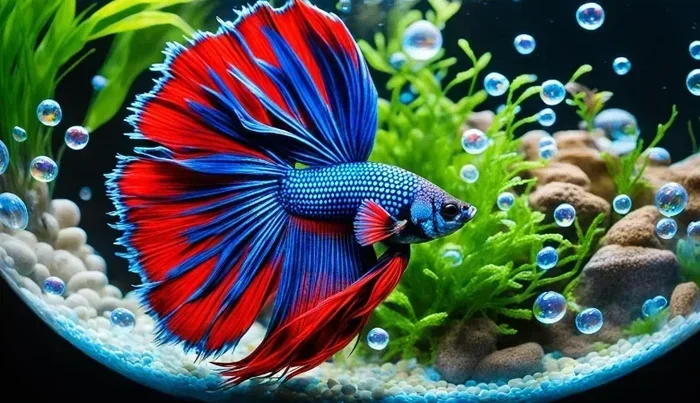
Do betta fish like bubble tank setups? Many owners wonder if those eye-catching bubble walls help or harm their fish. The truth is that bubble tanks can work well if you manage water flow and surface disturbance carefully. You will learn how to balance aesthetics with proper betta fish care in this guide.
Many people ask do betta fish like bubble tank setups because those shimmering walls look stunning in a living room or office. The short answer is that bettas can adapt to bubble environments, but they do not need them for happiness or health. These colorful fish prefer calm water with gentle movement rather than constant churning at the surface. You can absolutely keep a bubble wall in your aquarium if you tune the airflow correctly. The key is to treat the bubble feature as decoration, not as the main life support system.
Bettas come from slow-moving streams and rice paddies in Southeast Asia. They breathe air from the surface using a special organ called the labyrinth. This means they need access to the top of the water, but they do not enjoy fighting strong currents all day. A bubble tank that pushes too much air can create stress and tire your fish out. On the other hand, a soft, intermittent bubble stream can add charm without disturbing your betta too much. You just need to watch how your fish reacts and adjust the setup as needed.
Key Takeaways
- Bubble walls are decorative: They create visual appeal but do not replace proper filtration or heating.
- Strong bubbles stress bettas: Excessive surface agitation can make it hard for your fish to breathe comfortably.
- Low-flow setups work best: A gentle bubble stream mimics natural conditions better than aggressive aeration.
- Tank size matters: Small bowls with heavy bubbles often lack stable water parameters for long-term health.
- Observe behavior closely: Flaring, hiding, or gasping may signal that the bubble environment is too intense.
- Combine bubbles with plants: Live or silk plants give your betta shelter and reduce stress from constant movement.
- Test water regularly: Bubbles alone do not clean the tank, so routine maintenance remains essential.
📑 Table of Contents
- Do Betta Fish Like Bubble Tank Environments For Daily Life
- Bubble Walls Versus Betta Fish Preferences
- How Bubble Tanks Affect Water Quality And Health
- Choosing The Right Bubble Setup For Your Betta
- Signs Your Betta Is Happy Or Stressed In A Bubble Tank
- Common Mistakes With Bubble Tanks And Bettas
- Final Thoughts On Do Betta Fish Like Bubble Tank Setups
Do Betta Fish Like Bubble Tank Environments For Daily Life
This question matters because the answer shapes how you design the aquarium. Bettas are not driven by a need for bubbles, but they do respond to how the water feels around them. A bubble tank environment can feel playful or overwhelming depending on the airflow strength. If the bubbles rise slowly and break gently at the surface, most bettas will ignore them and go about their normal routine. If the bubbles create a constant roar and push the fish around, your betta may hide or clamp its fins.
You should think of bubbles as a background feature rather than the main event. Bettas spend a lot of time exploring, resting, and watching their surroundings. They like places where they can swim without being pushed by strong currents. A well-placed bubble wall on one side of the tank gives them the option to stay near it or move away. That choice is important because bettas thrive when they can control their space.
How Surface Movement Affects Breathing
Bettas regularly rise to the top to gulp air. They do this naturally, even in well-oxygenated water. When a bubble tank setup creates heavy surface disturbance, it can make that breathing process feel more difficult. The fish may have to work harder to reach calm spots at the top. Over time, that extra effort can lead to fatigue or frustration. A gentle setup keeps the surface mostly calm with only a few breaking bubbles here and there.
Signs Your Betta Is Comfortable
You can tell a lot by watching your fish for a few days after you add bubbles. A comfortable betta will explore the tank, flare occasionally, and rest on leaves or the substrate without looking tense. It will also rise to the surface in a relaxed way instead of darting up and back down. These behaviors suggest the bubble environment is not bothering your fish.
Signs Your Betta Is Stressed
Stress shows up in small changes before it becomes a bigger problem. Watch for constant hiding, faded color, clamped fins, or rapid breathing. Some bettas also stop eating when the water movement feels too strong. If you see these signs, reduce the airflow or move the bubble source farther from the main swimming area.
Bubble Walls Versus Betta Fish Preferences
It helps to compare what a bubble wall does with what a betta actually prefers. Bubble walls mainly create visual motion and mild surface agitation. Bettas prefer stable temperature, clean water, and calm currents. They also appreciate hiding spots and soft resting places near the surface. A bubble wall can coexist with those needs, but it cannot replace them. You still need a heater, a gentle filter, and regular water changes.
Some owners believe that more bubbles mean more oxygen, but that is only part of the story. Bettas can survive in low-oxygen water for short periods because they breathe air. Still, good water quality matters more than constant bubbling. A setup that looks lively but stays dirty will harm your fish faster than a quiet, well-maintained tank. Balance matters more than flash.
What Bettas Really Want In A Tank
- Warm, stable water: Keep the temperature in a comfortable tropical range.
- Calm currents: Avoid strong flow that pushes the fish around.
- Surface access: Leave open space at the top for easy breathing.
- Hiding places: Use plants, caves, or tunnels for security.
- Clean water: Perform regular maintenance and monitor waste buildup.
When Bubble Walls Make Sense
A bubble wall can work well when you want extra visual interest and your betta already seems relaxed. It can also help slightly in very still tanks by preventing dead spots. If your tank is larger and the bubble output is low, the effect is usually mild. In that case, the bubbles become a background detail instead of a major disturbance.
How Bubble Tanks Affect Water Quality And Health
Water quality is the real backbone of betta fish care, and bubbles alone do not fix poor maintenance. A bubble tank may look active, but waste still builds up from food, plant matter, and fish waste. If you rely on bubbles instead of proper filtration, harmful compounds can rise over time. Ammonia and nitrite problems can stress the fish and weaken its immune system. That is why the bubble feature should support a well-managed tank, not replace basic upkeep.
Temperature stability also matters a lot. Small tanks with bubbles can sometimes cool down faster or heat unevenly if the room changes a lot. Bettas do best when the water stays warm and steady. A bubble stream can help mix the water a little, but it does not control temperature by itself. You still need a reliable heater and a thermometer to check conditions.
Common Water Issues In Bubble-Heavy Setups
- Too much surface churn: This can cool the water faster and make the tank feel drafty.
- Insufficient filtration: Bubbles do not trap debris, so dirt may settle elsewhere.
- Uneven heat distribution: Small tanks can develop warm and cool spots.
- Buildup of waste: Without proper cleaning, water quality drops over time.
How To Keep The Water Healthy
Start with a tank size that gives your betta enough room. Add a gentle filter if the bubble output is light. Test the water often, especially during the first few weeks. Clean the substrate, remove leftover food, and replace part of the water on a regular schedule. If you keep plants, trim them when they grow too dense. These habits matter more than the bubble effect itself.
Choosing The Right Bubble Setup For Your Betta
If you decide to use bubbles, choose a setup that gives you control. An adjustable air pump is ideal because you can lower the airflow to a mild level. A fine bubble stone usually creates softer movement than a large noisy stream. You can also place the bubble source near a wall or behind plants so the current does not sweep across the whole tank. The goal is a mild shimmer, not a whirlpool.
Tank size plays a big role too. A larger tank absorbs movement better than a tiny bowl. In a small space, even a modest bubble stream can feel intense. If you only have a small tank, keep the airflow very low or skip the bubble wall entirely. Your betta will usually appreciate a calmer home more than a flashy one.
Best Practices For Bubble Placement
- Angle the bubble stone: Point it so the bubbles rise in one corner.
- Use low airflow: Keep the stream gentle and quiet.
- Add plants or decorations: These break up the current and create shelter.
- Leave open surface space: Give your betta a calm area to breathe.
- Watch the noise level: A quiet setup is better for both fish and room.
When To Reduce Or Remove Bubbles
If your betta spends most of the day pressed against the far side of the tank, the bubbles may be too strong. If the fish seems to avoid the surface or struggles to stay in place, turn the airflow down. You can also remove the bubble wall temporarily and see whether the fish relaxes. Sometimes less is simply better.
Signs Your Betta Is Happy Or Stressed In A Bubble Tank
Reading your betta’s behavior is one of the best ways to judge a bubble tank environment. A happy betta usually swims with curiosity, explores decorations, and takes food readily. It may rest on a leaf or near the bottom without looking tense. Its fins stay open, and its color looks bright. These are good signs that the tank setup is working.
A stressed betta often behaves differently. It may stay hidden, hover in one corner, or dart around when the bubbles rise. Some bettas clamp their fins tight or lose interest in food. Others breathe quickly or seem to struggle near the top. If you notice these changes, adjust the setup right away instead of waiting.
Behavior Clues To Watch Daily
- Active exploration: A relaxed betta moves around and checks its surroundings.
- Normal feeding: Interest in food usually signals comfort.
- Calm resting: Quiet resting is healthy when the fish looks relaxed.
- Frequent hiding: Constant hiding can mean the tank feels unsafe.
- Fins held tight: Clamped fins often point to stress or poor conditions.
Quick Tips For Reading Behavior
Watch your betta at different times of day. Some fish are more active in the morning, while others settle down later. Compare behavior before and after you change the bubble flow. Small observations over several days tell you more than a single glance. Trust what you see over time.
Common Mistakes With Bubble Tanks And Bettas
One common mistake is assuming bubbles automatically make a tank better. They can look nice, but they do not guarantee good conditions. Another mistake is using too much airflow because the owner wants a dramatic effect. That can overwhelm a betta and make the tank feel exhausting. A third mistake is putting a bubble wall in a very small container without enough space for the fish to escape the current.
People also forget that decorations matter. A bare tank with bubbles gives your betta little shelter. Adding plants, leaves, or a small hiding spot changes the whole experience. Another frequent issue is poor maintenance. Even a beautiful bubble tank can become unhealthy if waste builds up and water changes are skipped.
Mistakes To Avoid
- Using high airflow: Strong bubbles can stress your fish.
- Skipping filtration: Bubbles do not replace proper water cleaning.
- Choosing a tank that is too small: Limited space makes movement harder.
- Ignoring temperature: Warm, stable water is essential.
- Overlooking plants and hides: Shelter reduces stress.
Expert Insights On Bubble Tanks
Experienced keepers usually suggest treating bubbles as optional decoration. The priority should always be clean water, stable warmth, and a calm environment. If you want a bubble wall, use the lowest setting that still gives a visible effect. Keep the tank arranged so your betta has quiet zones and active zones. That way, the fish can choose what feels best.
It also helps to remember that every betta has a personality. Some are bold and curious, while others are shy and cautious. A setup that works for one fish may not suit another. Observation is the best tool you have. If your betta looks relaxed and acts normally, you are probably on the right track.
Key Takeaways For Setup Success
- Start gentle: Use low airflow and increase only if needed.
- Prioritize water quality: Clean water matters more than decoration.
- Give your betta choices: Create calm areas and sheltered spots.
- Monitor behavior: Adjust the setup based on what your fish does.
- Keep it simple: A calm, well-maintained tank is better than a busy one.
Final Thoughts On Do Betta Fish Like Bubble Tank Setups
So, do betta fish like bubble tank environments? They can tolerate them, and some may even ignore the bubbles completely, but they do not need them to stay healthy or happy. The real priority is a warm, clean, and calm home where your betta can breathe easily and move without fighting the current. A bubble wall can be a lovely addition if you keep the airflow low and give your fish plenty of shelter. If the bubbles create stress, it is better to reduce them or remove them altogether.
The best setup is the one that supports your fish first and looks good second. When you focus on stable water, gentle movement, and a comfortable environment, your betta has the best chance to thrive. A bubble tank can still be part of that picture, as long as it stays balanced and your fish remains relaxed.
Frequently Asked Questions
Do betta fish need bubbles in their tank?
No, bettas do not need bubbles to stay healthy. They mainly need warm water, good filtration, and calm conditions. Bubbles are optional and should only be used if they do not create stress.
Can a bubble wall harm a betta fish?
It can if the airflow is too strong. Heavy bubbles may create too much surface movement and make the tank feel exhausting. Lower the airflow or move the bubble source if your fish seems stressed.
Do betta fish like bubble tank setups with plants?
Yes, plants can make a bubble setup better by breaking up the current and giving your betta shelter. Live or silk plants also create natural resting spots near the surface.
How strong should the bubbles be for a betta tank?
The bubbles should be gentle enough that your betta can swim comfortably without being pushed around. A low, quiet airflow is usually the safest choice.
What are the signs that a betta dislikes its bubble environment?
Common signs include constant hiding, clamped fins, faded color, and avoiding the surface. Your betta may also stop eating or seem tense most of the time.
Is a bubble tank better than a regular filtered tank for bettas?
Not necessarily. A regular filtered tank with stable water and gentle flow is usually better for long-term health. A bubble tank can work if it is managed carefully, but bubbles alone do not improve water quality.