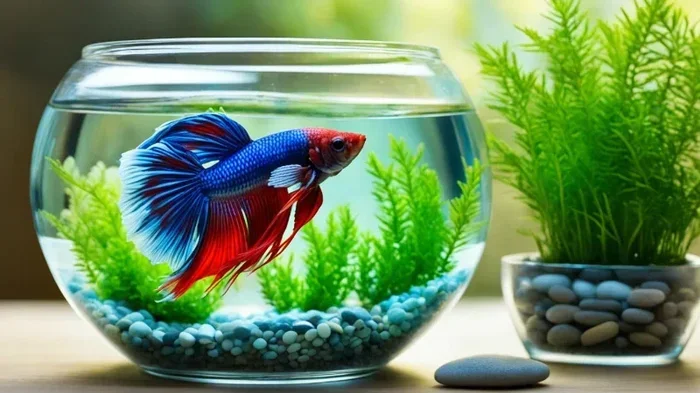
Can I Put a Betta Fish with Another Fish

Can you put a betta fish with other fish? Yes, but it depends on the species, your betta’s personality, and your tank setup. While bettas are famous for their aggression, many can live peacefully with the right companions. This guide covers safe tank mates, fish to avoid, and expert tips to help your betta thrive in a community tank.
Key Takeaways
- Bettas can live with certain fish: Peaceful, small, non-nippy species with short fins make the best tank mates for a betta fish.
- Tank size matters a lot: A minimum of 10 gallons is recommended when keeping other fish with a betta to reduce territorial behavior.
- Avoid similar-looking fish: Guppies, fin-nippers, and other labyrinth fish like gouramis should never share a tank with bettas.
- Every betta is different: Some bettas are naturally more aggressive, so always monitor behavior when introducing new tank mates.
- Provide hiding spots and plants: A well-decorated tank reduces stress and gives all fish places to retreat if needed.
- Snails and shrimp are great options: Invertebrates like nerite snails and cherry shrimp are often the safest companions for bettas.
- Introduce new fish slowly: Proper acclimation and a quarantine period help prevent disease and reduce aggression in your aquarium.
📑 Table of Contents
- Understanding Betta Fish Behavior Before Adding Tank Mates
- What Makes a Good Tank Mate for a Betta Fish?
- Best Fish to Put with a Betta Fish
- Invertebrates: Snails and Shrimp as Betta Companions
- Fish You Should Never Put with a Betta
- Setting Up a Community Tank for Your Betta
- How to Introduce New Fish to Your Betta’s Tank
- Signs Your Betta Is Not Compatible with Tank Mates
- Can You Put a Betta Fish with Other Fish in a Small Tank?
- Female Bettas and Community Tanks
- Building the Ideal Betta Community Tank: A Complete Setup Guide
- Conclusion: Can I Put a Betta Fish with Other Fish?
Understanding Betta Fish Behavior Before Adding Tank Mates
So you’re wondering, can I put a betta fish with other fish? It’s one of the most common questions new betta owners ask, and the answer isn’t a simple yes or no. Betta fish, also known as Siamese fighting fish, have a reputation for being aggressive — and for good reason. Males in particular are territorial and were historically bred for fighting. But that doesn’t mean your betta has to live in solitary confinement forever.
Before you even think about adding another fish to your betta’s home, it’s crucial to understand their natural behavior. In the wild, bettas live in shallow, warm waters across Southeast Asia. Males stake out territories and will fiercely defend them against other males. Females can also be aggressive, though typically less so than males. This territorial instinct is hardwired into their DNA, and it doesn’t disappear just because they’re living in a glass tank on your desk.
The key takeaway here is that every betta has a unique personality. Some are surprisingly chill and barely react to other fish. Others will flare their gills and attack anything that moves. Before introducing any tank mate, spend time observing your betta. How do they react when you place a mirror near the tank? Do they flare constantly, or do they lose interest quickly? A betta that shows moderate aggression may still do well with the right companions in a properly sized tank.
It’s also important to consider whether you have a male or female betta. If you’re asking can a male betta live with other fish, the answer requires extra caution. Males tend to be more territorial and aggressive than females. Female bettas, especially when kept in small groups called sororities, can sometimes coexist more peacefully — but even that comes with risks.
What Makes a Good Tank Mate for a Betta Fish?
Not all fish are created equal when it comes to living with a betta. The ideal tank mate should meet several criteria. Let’s break down exactly what to look for.
Peaceful Temperament
The single most important quality in a betta tank mate is a peaceful, non-aggressive disposition. You want fish that won’t challenge your betta or compete for territory. Avoid any species known for nipping, chasing, or bullying. Fish that are calm and mind their own business are the best candidates for living with a betta fish.
Small Size and Short Fins
Large-finned or brightly colored fish are a big red flag. Bettas see long, flowing fins as a threat — they remind them of other bettas. This is why putting two male bettas together is always a disaster waiting to happen. Similarly, fish like fancy guppies with their big, colorful tails can trigger your betta’s aggression. Small, short-finned fish are far less likely to be seen as competition.
Different Swimming Zones
One smart strategy is to choose fish that occupy different areas of the tank. Bettas tend to swim in the middle to upper levels of the water column. Bottom-dwellers like corydoras catfish or loaches rarely cross into betta territory, which naturally reduces conflict. When fish don’t compete for the same space, everyone stays happier.
Fast but Not Hyperactive
You want tank mates that can dart away quickly if your betta gets feisty, but not so hyperactive that they stress your betta out. Constant darting and zooming can make a betta feel threatened. The sweet spot is a fish that’s quick enough to avoid trouble but calm enough to keep the peace.
Best Fish to Put with a Betta Fish
Now let’s get to the good stuff — the actual species that make great companions for your betta. These fish have been tested by thousands of aquarium hobbyists and consistently rank as the safest options.
Corydoras Catfish
Corydoras are arguably the most popular betta tank mate, and for good reason. These small, peaceful bottom-dwellers spend most of their time scavenging for food on the substrate. They rarely interact with bettas because they occupy completely different areas of the tank. Keep them in groups of at least five or six — they’re schooling fish and get stressed when alone. Panda corydoras, bronze corydoras, and pygmy corydoras are all excellent choices.
Harlequin Rasboras
If you want a mid-level swimming companion, harlequin rasboras are a fantastic pick. They’re small, peaceful, and have short fins that won’t trigger your betta’s aggression. Keep a school of at least six to keep them comfortable. Their subtle coloring and calm demeanor make them one of the most reliable answers to the question of what fish can live with a betta fish.
Ember Tetras
Ember tetras are tiny, vibrant orange fish that are peaceful enough for a betta community tank. Their small size means they don’t take up much space, and their short fins won’t provoke your betta. A school of eight to ten ember tetras adds beautiful color to your tank without causing problems. Just make sure your tank is large enough to accommodate the extra bioload.
Kuhli Loaches
These quirky, eel-like bottom-dwellers are a fun addition to a betta tank. Kuhli loaches are peaceful, mostly nocturnal, and spend their time hiding in substrate and decorations. They’re practically invisible to your betta during the day, which minimizes any chance of conflict. Keep them in groups of three or more for their comfort.
Otocinclus Catfish
Otocinclus, or “otos,” are small algae-eating fish that are perfect for betta tanks. They’re peaceful, stay small, and help keep your tank clean by grazing on algae. They tend to stick to plant leaves and glass surfaces, staying out of your betta’s way. If you’re wondering can you have an algae eater with a betta fish, otocinclus are one of the best options available.
Invertebrates: Snails and Shrimp as Betta Companions
If you want to play it extra safe, invertebrates are often the best companions for bettas. They don’t have fins that trigger aggression, and they serve practical purposes like cleaning algae.
Nerite Snails
Nerite snails are widely considered the number one invertebrate tank mate for bettas. They’re excellent algae cleaners, completely peaceful, and their hard shells protect them if a betta decides to investigate. They also won’t breed in freshwater, so you won’t end up with a snail infestation. If you’re asking can you have a snail with a betta fish, nerite snails are the safest and most practical choice.
Cherry Shrimp
Cherry shrimp are colorful, active, and fun to watch. They do well with bettas that have a mild temperament. However, there’s a catch — some bettas will see small shrimp as food. If your betta is particularly aggressive, shrimp might not survive. Start with a few inexpensive shrimp to test the waters before investing in a large colony. Amano shrimp are larger and slightly safer around bettas.
Ghost Shrimp
Ghost shrimp are another affordable option. Their transparent bodies make them less visible to bettas, which can work in their favor. They’re also hardy and easy to care for. Like cherry shrimp, they may become snacks for aggressive bettas, so proceed with caution.
Fish You Should Never Put with a Betta
Just as important as knowing what to add is knowing what to avoid. Some fish are simply incompatible with bettas, no matter how large your tank is or how peaceful your individual betta might be.
Other Bettas
This might seem obvious, but it bears repeating. Two male bettas should never, under any circumstances, be kept in the same tank. They will fight, often to the death. Even male-female pairs should only be together temporarily for breeding. Female bettas can sometimes live in groups, but this requires careful setup and monitoring.
Guppies
Guppies are one of the most commonly recommended betta tank mates — and one of the worst. Their bright colors and long, flowing fins make them look like rival bettas. Most bettas will attack guppies on sight. If you’re wondering can a betta fish live with guppies, the honest answer is it’s extremely risky and rarely works long-term.
Goldfish
Goldfish and bettas have completely different care requirements. Goldfish need cold water, produce massive amounts of waste, and grow much larger than bettas. They also have long fins that can trigger aggression. Can a betta fish live with a goldfish? No — this combination fails on every level. The temperature needs alone make it impossible to house them together safely.
Fin-Nipping Species
Fish like tiger barbs, serpae tetras, and some types of danios are known fin-nippers. They’ll chase and bite your betta’s beautiful flowing fins, causing stress, injury, and potential infection. Even if your betta starts out dominant, persistent nipping will wear them down over time.
Gouramis and Other Labyrinth Fish
Gouramis are closely related to bettas and share the same territorial instincts. Two labyrinth fish in the same tank almost always leads to conflict. The same applies to paradise fish and other relatives of the betta.
Setting Up a Community Tank for Your Betta
The physical setup of your tank plays a huge role in whether a betta community tank succeeds or fails. Even peaceful fish can become aggressive in cramped or poorly designed environments.
Tank Size Requirements
The absolute minimum tank size for a betta with tank mates is 10 gallons, but 20 gallons is strongly recommended. A larger tank gives every fish room to establish their own territory and retreat when needed. In a small 5-gallon tank, there simply isn’t enough space for other fish to stay out of your betta’s way. If you’re serious about a community setup, invest in at least a 20-gallon long tank — the horizontal swimming space is especially important.
Plants, Hiding Spots, and Decorations
A bare tank is a stressful tank. You need plenty of live or silk plants, caves, driftwood, and other decorations that create visual barriers and hiding spots. When fish can break the line of sight between each other, aggression drops dramatically. Live plants like java fern, anubias, and floating plants like frogbit are excellent choices. They also help maintain water quality, which is an added bonus.
Water Parameters
All fish in your tank need to thrive in the same water conditions. Bettas prefer warm water between 76°F and 82°F with a pH of around 6.5 to 7.5. Make sure your chosen tank mates have compatible temperature and pH requirements. This is another reason why goldfish are incompatible — they prefer much cooler water than bettas.
Filtration and Water Flow
Bettas come from still or slow-moving waters, so they don’t appreciate strong currents. Choose a filter with an adjustable flow or use a sponge filter, which provides gentle filtration. Make sure the filter is appropriate for your tank size and the total bioload of all your fish.
How to Introduce New Fish to Your Betta’s Tank
Even with perfect tank mates and an ideal setup, the introduction process matters. Rushing things can trigger aggression and stress for everyone involved.
Quarantine New Fish First
Before adding any new fish to your betta’s tank, quarantine them in a separate container for at least two weeks. This prevents the introduction of diseases like ich, fin rot, or bacterial infections. It might seem like an extra hassle, but it saves you from potentially losing your entire tank to illness.
Use a Divider or Breeder Box
When you’re ready to introduce the new fish, place them in a breeder box or use a tank divider for a few days. This lets your betta see the newcomer without being able to attack them. Watch how your betta reacts. If they’re constantly flaring and attacking the barrier, that’s a bad sign. If they lose interest after a day or two, you can proceed with a full introduction.
Rearrange the Tank Before Adding New Fish
Here’s a clever trick that many aquarists swear by. Before introducing new fish, rearrange the decorations and plants in your tank. This disrupts your betta’s established territory, making the newcomer less of a threat. It essentially resets the territorial map of the tank.
Monitor Closely for the First 48 Hours
The first two days are critical. Watch for signs of aggression like flaring, chasing, nipping, or hiding. If your betta is relentlessly attacking the new fish, you need to remove them immediately. Having a backup plan — like a separate tank or a return policy from your local fish store — is essential.
Feed Your Betta Before Introductions
A well-fed betta is generally less aggressive than a hungry one. Feed your betta a satisfying meal shortly before introducing new fish. This won’t guarantee peace, but it can take the edge off their territorial instincts.
Signs Your Betta Is Not Compatible with Tank Mates
Sometimes, despite your best efforts, your betta simply doesn’t want roommates. Recognizing the signs early can save your other fish from injury or death.
Constant Flaring and Chasing
If your betta spends all their time flaring at, chasing, or attacking other fish, that’s a clear sign of incompatibility. Occasional flaring is normal, but relentless aggression means you need to separate them.
Other Fish Are Stressed or Hiding
Watch the behavior of your other fish. If they’re constantly hiding, clamped fins, refusing to eat, or showing signs of stress, your betta is bullying them even if you don’t see active attacks happening.
Physical Damage
Torn fins, missing scales, or visible wounds on any fish in your tank are obvious red flags. Remove the injured fish immediately and treat them for potential infections. If you’re seeing physical damage, the experiment has already failed.
Your Betta Stops Eating
Ironically, extreme territorial stress can cause your betta to stop eating. If your normally enthusiastic eater loses interest in food after adding tank mates, the presence of other fish is causing too much stress.
Can You Put a Betta Fish with Other Fish in a Small Tank?
This is where things get tricky. In a tank smaller than 10 gallons, adding other fish to a betta’s tank is generally not recommended. The limited space amplifies territorial behavior because there’s nowhere for other fish to escape your betta’s line of sight. In a 5-gallon tank, your betta should live alone or perhaps with a single snail.
If you have a 10-gallon tank, you might be able to add a small group of nano fish like ember tetras or pygmy corydoras, but you need to be vigilant. The smaller the tank, the higher the risk of problems. For the best results, always go bigger when planning a community tank.
Female Bettas and Community Tanks
Female bettas are often less aggressive than males, which makes them somewhat better candidates for community tanks. However, “less aggressive” doesn’t mean “peaceful.” Female bettas can still be territorial and feisty, especially toward fish that resemble them.
If you’re asking can you keep other fish with a betta and you have a female, your odds are slightly better. The same rules apply — choose peaceful, short-finned species, provide a large tank, and monitor behavior closely. Some female bettas do wonderfully in community setups, while others are just as aggressive as any male.
Building the Ideal Betta Community Tank: A Complete Setup Guide
Let’s put it all together with a sample community tank setup that works.
Tank: 20-gallon long
Filter: Sponge filter or hang-on-back with adjustable flow
Heater: Set to 78°F
Substrate: Fine sand or planted tank substrate
Plants: Java fern, anubias, floating plants, and moss
Stocking: One betta, six harlequin rasboras, and five panda corydoras
Bonus: Two nerite snails for algae control
This setup gives you fish at every level of the tank — bettas in the upper-mid section, rasboras in the mid-section, and corydoras on the bottom. The plants provide cover and break sight lines. The 20-gallon size gives everyone room to breathe. This is a proven combination that works for hundreds of aquarium hobbyists.
Conclusion: Can I Put a Betta Fish with Other Fish?
So, can you put a betta fish with other fish? The answer is yes — with the right preparation, the right species, and the right expectations. A betta doesn’t have to live alone. With a spacious tank, carefully chosen companions, and proper introduction techniques, you can create a beautiful community aquarium centered around your betta.
The most important things to remember are these: choose peaceful, short-finned species that occupy different swimming zones. Avoid guppies, goldfish, other bettas, and fin-nippers at all costs. Provide a tank of at least 10 gallons, ideally 20, with plenty of plants and hiding spots. And always have a backup plan in case your betta simply doesn’t tolerate tank mates.
Every betta is an individual. Some will welcome new friends with curiosity rather than aggression. Others will defend their territory no matter what you do. By understanding your betta’s personality and following the guidelines in this article, you’ll give yourself — and your fish — the best chance at a peaceful, thriving community tank.
If you’re still unsure which species to choose, check out our detailed guides on which fish you can put with a betta and whether snails make good betta companions. For more ideas on safe invertebrate tank mates, our article on keeping snails with bettas is a great resource.
Frequently Asked Questions
Can I put a betta fish with other fish in a 5-gallon tank?
A 5-gallon tank is too small for tank mates. Your betta needs that entire space to establish territory. In such a small tank, adding other fish will almost certainly lead to aggression and stress for everyone involved.
What is the best tank mate for a betta fish?
Corydoras catfish are widely considered the best tank mate. They’re peaceful, stay at the bottom of the tank, and rarely interact with bettas. Nerite snails are another excellent and virtually risk-free option.
Can two betta fish live together?
Two male bettas should never be kept together — they will fight aggressively. Even male-female pairs should only be together temporarily for breeding purposes. Female bettas can sometimes live in groups, but this requires careful planning.
How do I know if my betta is too aggressive for tank mates?
If your betta constantly flares at, chases, or attacks other fish, they’re likely too aggressive for a community tank. Physical damage to other fish and relentless territorial behavior are clear signs that your betta needs to live alone.
Can a betta fish live with goldfish?
No, bettas and goldfish should never be housed together. They have completely different temperature requirements, goldfish produce excessive waste, and their long fins can trigger betta aggression. This combination is harmful to both species.
Do I need a bigger tank if I want to add fish with my betta?
Yes, you need at least a 10-gallon tank, but 20 gallons is strongly recommended. A larger tank reduces territorial behavior by giving all fish enough space to establish their own zones and avoid conflict.