Betta fish absolutely need a heater to thrive in captivity. These tropical fish require stable water temperatures between 76-82°F (24-28°C). Without a heater, bettas become stressed, lethargic, and prone to serious illnesses. A reliable aquarium heater is one of the most important investments you can make for your betta’s long-term health and happiness.
Key Takeaways
- Bettas are tropical fish: They originate from warm waters in Southeast Asia and require heated water to survive and thrive in home aquariums.
- Ideal temperature range: Betta fish need water temperatures between 76-82°F (24-28°C) for optimal health and immune function.
- Room temperature is not enough: Most homes maintain temperatures between 65-72°F, which is too cold for bettas and leads to serious health problems.
- Temperature stability matters: Fluctuating temperatures stress bettas just as much as consistently cold water does.
- Signs of cold stress: Lethargy, loss of color, clamped fins, and refusal to eat are common signs your betta is too cold.
- Choose the right heater: A 25-50 watt adjustable heater is perfect for most betta tanks between 2.5-10 gallons.
- Heaters are affordable: Quality betta fish heaters cost between $10-$25 and are a small price to pay for your fish’s wellbeing.
📑 Table of Contents
- Can Betta Fish Need a Heater? The Complete Guide to Keeping Your Betta Warm
- Why Betta Fish Need a Heater
- What Temperature Do Betta Fish Need?
- Signs Your Betta Fish Is Too Cold
- Choosing the Right Heater for Your Betta Fish
- How to Set Up a Heater for Your Betta Tank
- Do Betta Fish Need a Heater in Every Situation?
- Frequently Asked Questions About Betta Fish and Heaters
- Conclusion: A Heater Is Not Optional for Betta Fish
Can Betta Fish Need a Heater? The Complete Guide to Keeping Your Betta Warm
If you have ever walked into a pet store and seen betta fish sitting in tiny cups on a shelf, you might wonder if these fish really need much care at all. After all, they seem to survive in those small containers without any fancy equipment. But here is the truth: betta fish absolutely need a heater to live a long, healthy, and happy life.
Bettas are tropical fish that come from the warm rice paddies, shallow ponds, and slow-moving streams of Thailand, Cambodia, Vietnam, and Laos. In their natural habitat, the water stays warm all year long. When we bring them into our homes, we have a responsibility to recreate those warm conditions as closely as possible. Skipping a heater is one of the most common mistakes new betta owners make, and it can seriously shorten your fish’s lifespan.
In this guide, we will cover everything you need to know about betta fish and heaters. From understanding why they need warmth to choosing the perfect heater for your setup, you will have all the information you need to give your betta the best possible care. Let us dive in!
Why Betta Fish Need a Heater
Bettas Are Tropical Fish by Nature
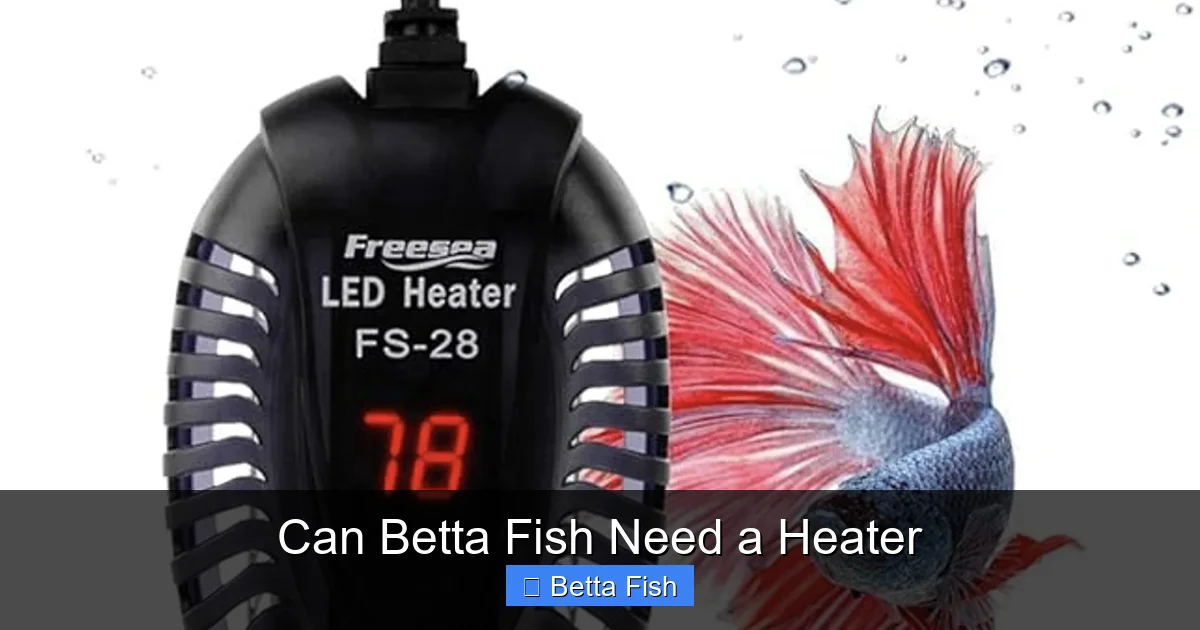
Betta fish, also known as Siamese fighting fish, are native to Southeast Asia. Their natural environment consists of shallow, warm waters that rarely drop below 75°F (24°C). These waters are heated by the tropical sun and stay consistently warm throughout the year. Your betta’s body has evolved over thousands of years to function best in warm water.
Visual guide about Can Betta Fish Need a Heater
Image source: petaquariums.com
When bettas are kept in cold water, their metabolism slows down dramatically. This affects everything from their digestion to their immune system. Think of it like trying to run a marathon in freezing weather while wearing a t-shirt. Your body simply is not designed for it, and neither is your betta’s.
The Science Behind Temperature and Fish Health
Fish are ectothermic, which means they cannot regulate their own body temperature. Instead, they rely on the temperature of the water around them to control their metabolic processes. When water is too cold, a betta’s metabolism drops, making it harder for them to digest food, fight off diseases, and maintain normal activity levels.
Research has consistently shown that tropical fish kept at proper temperatures live significantly longer than those kept in suboptimal conditions. A betta kept in warm, stable water can live 3-5 years or even longer. A betta kept in cold water might only survive 1-2 years, and those years will be filled with stress and illness.
What Temperature Do Betta Fish Need?
The Ideal Temperature Range
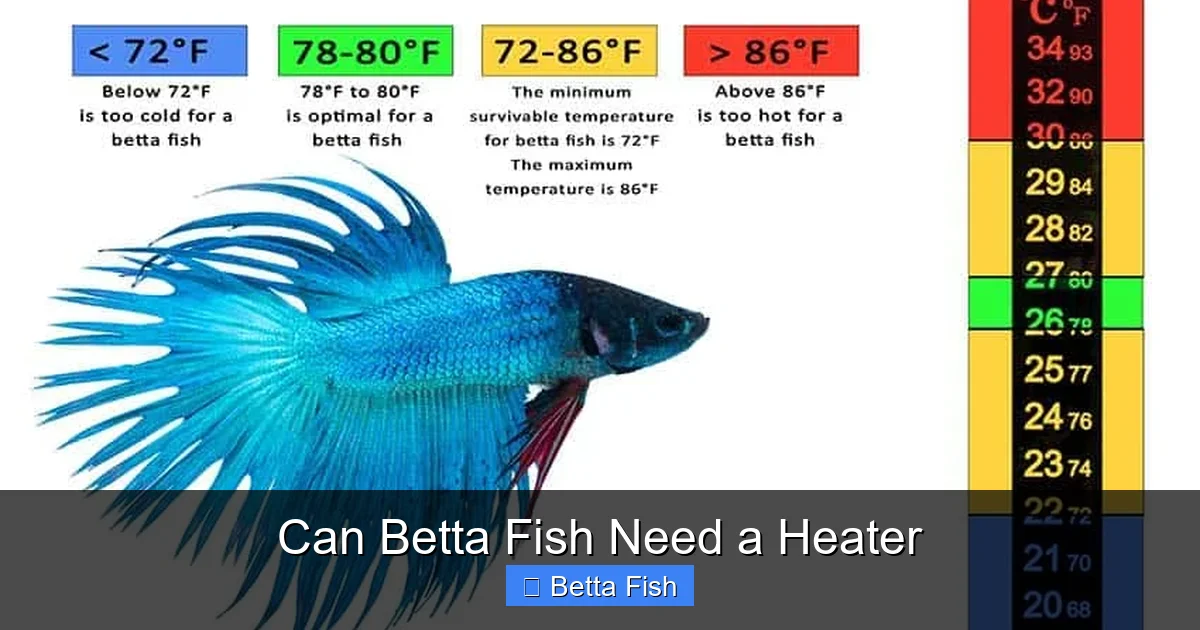
The perfect water temperature for betta fish falls between 76-82°F (24-28°C). Most experienced betta keepers aim for the middle of this range, around 78-80°F (25-27°C). This temperature range supports healthy digestion, strong immune function, and normal activity levels.
Visual guide about Can Betta Fish Need a Heater
Image source: buildyouraquarium.com
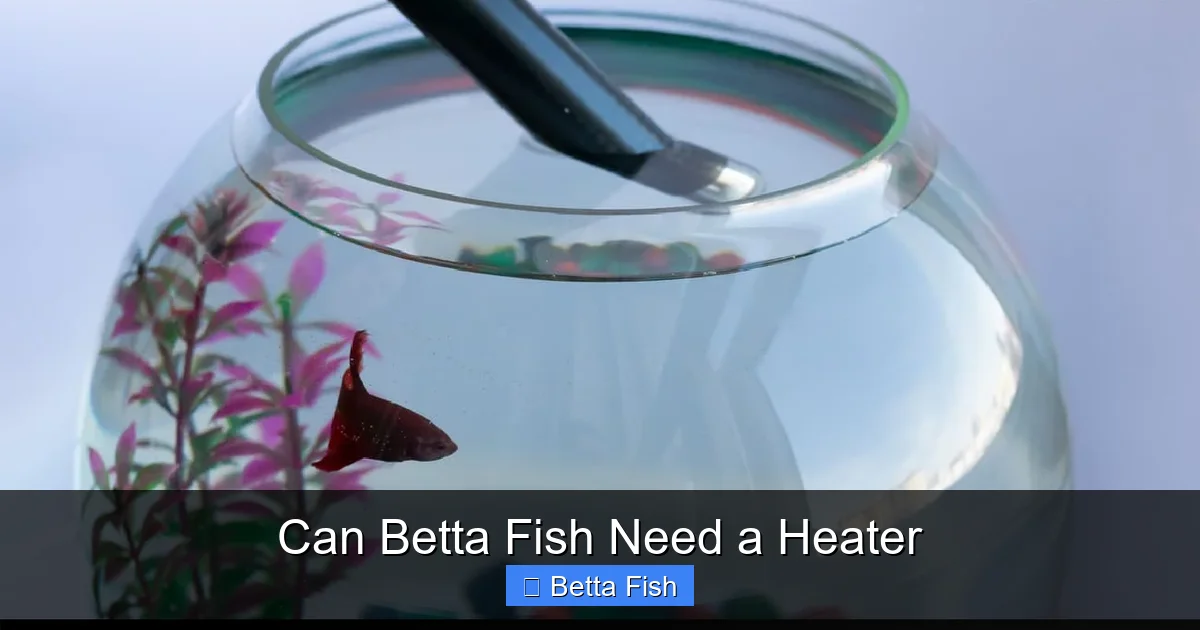
It is not enough to just hit the right temperature once. Consistency is just as important as the actual number on the thermometer. Wild swings in temperature, even if they stay within the acceptable range, can stress your betta and weaken their immune system over time.
What Happens When Water Is Too Cold
When water temperatures drop below 76°F, bettas start to show signs of stress. Here is what happens at different temperature ranges:
- 72-76°F (22-24°C): Your betta will become sluggish and less interested in food. Their immune system starts to weaken, making them more susceptible to diseases like ich and fin rot.
- 68-72°F (20-22°C): Your betta will become very lethargic and may spend most of their time sitting at the bottom of the tank. Digestion slows significantly, which can lead to constipation and bloating.
- Below 68°F (20°C): This is dangerous territory. Your betta’s body will struggle to function properly, and prolonged exposure to these temperatures can be fatal.
What Happens When Water Is Too Hot
While cold water is the more common problem, water that is too warm can also harm your betta. Temperatures above 82°F (28°C) can cause the following issues:
- Increased metabolism: While this might sound good, it actually shortens your betta’s lifespan because their body is working overtime.
- Reduced oxygen levels: Warmer water holds less dissolved oxygen, which can make it harder for your betta to breathe.
- Bacterial growth: Higher temperatures promote the growth of harmful bacteria and parasites.
Signs Your Betta Fish Is Too Cold
Behavioral Changes to Watch For
Your betta cannot tell you when they are uncomfortable, but they can show you. Learning to read your betta’s behavior is one of the most important skills you can develop as a fish keeper. Here are the most common signs that your betta is too cold:
Visual guide about Can Betta Fish Need a Heater
Image source: aniimad.com
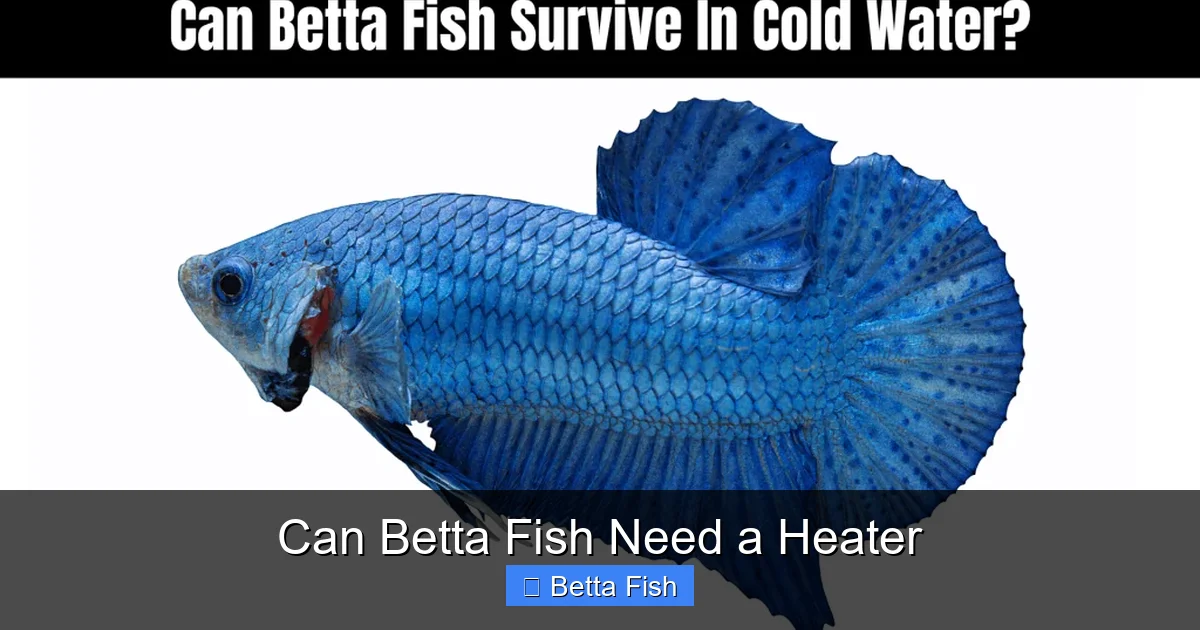
- Lethargy and inactivity: A healthy betta is curious and active. If your fish is spending all their time sitting at the bottom of the tank or resting on leaves, the water might be too cold.
- Loss of appetite: Cold water slows digestion, so your betta may refuse food or eat much less than usual.
- Clamped fins: When a betta holds their fins close to their body instead of fanning them out, it is often a sign of stress or discomfort.
- Fading color: A stressed betta may lose their vibrant coloration and appear dull or pale.
- Hiding: If your betta is constantly hiding and avoiding interaction, something is wrong with their environment.
Health Problems Caused by Cold Water
Prolonged exposure to cold water can lead to serious health issues. The most common problems include:
- Ich (White Spot Disease): This parasitic infection thrives in cold water and appears as white spots on your betta’s body and fins.
- Fin Rot: Bacterial infections that cause fins to deteriorate and fray. Cold water weakens the immune system, making fin rot much more likely.
- Constipation and Bloating: Cold temperatures slow digestion, leading to constipation, which can develop into the more serious swim bladder disease.
- Weakened Immune System: Even if your betta does not develop a specific illness, a weakened immune system makes them vulnerable to all kinds of infections.
If you notice any of these signs, check your water temperature immediately. You might be surprised to learn that your room temperature is not as warm as you think. For more information on creating the perfect environment, check out our guide on what you need for a betta fish.
Choosing the Right Heater for Your Betta Fish
Types of Aquarium Heaters
Not all aquarium heaters are created equal. Here are the main types you will encounter when shopping for a betta fish heater:
Visual guide about Can Betta Fish Need a Heater
Image source: aniimad.com
Submersible Heaters
These are the most popular choice for betta tanks. Submersible heaters are placed directly in the water and can be fully or partially submerged. They distribute heat evenly throughout the tank and are easy to adjust. Most come with a built-in thermostat that allows you to set your desired temperature.
Hang-On-Back Heaters
These heaters hang on the back of your aquarium and have a portion that sits in the water. They work well for larger tanks but can be awkward for smaller betta setups. They are generally less precise than submersible models.
Heating Mats and Cables
These are placed under the tank or buried in the substrate. While they can work, they are not ideal for betta tanks because they heat from the bottom up, which can create uneven temperature distribution.
What Size Heater Do You Need?
The general rule of thumb is 3-5 watts per gallon of water. Here is a simple breakdown:
- 2.5-gallon tank: 10-15 watt heater
- 5-gallon tank: 25 watt heater
- 10-gallon tank: 50 watt heater
It is always better to go slightly higher in wattage than too low. A heater with a built-in thermostat will simply turn off when the desired temperature is reached, so there is no risk of overheating with a slightly more powerful heater.
Recommended Heater Features
When shopping for a betta fish heater, look for these important features:
- Adjustable thermostat: This allows you to set the exact temperature you want. Avoid preset heaters that cannot be adjusted.
- Fully submersible: These are easier to hide and provide more even heating.
- Automatic shut-off: This safety feature prevents the heater from overheating if the water level drops or the heater is removed from the tank.
- Indicator light: A light that shows when the heater is actively heating helps you monitor its performance.
- Durable construction: Glass heaters are common, but shatterproof options are safer, especially in households with children or pets.
How to Set Up a Heater for Your Betta Tank
Step-by-Step Installation Guide
Setting up a heater is simple, but doing it correctly makes all the difference. Follow these steps for the best results:
Visual guide about Can Betta Fish Need a Heater
Image source: fishkeepershandbook.com
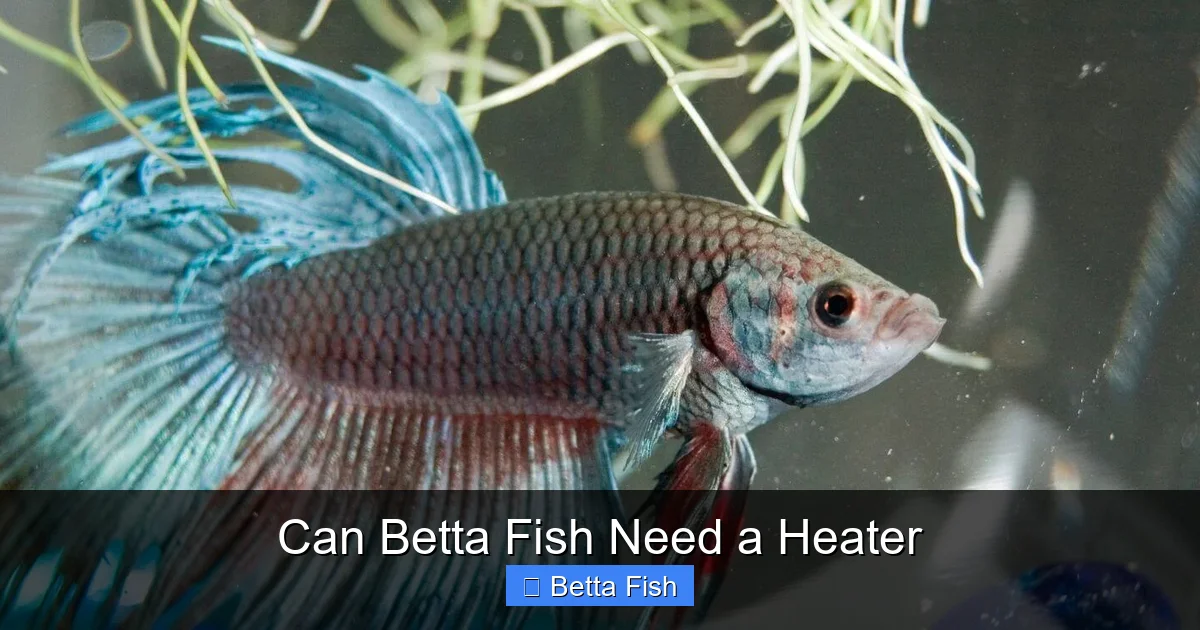
- Unbox and inspect your heater. Check for any cracks or damage before use. Never plug in a damaged heater.
- Place the heater in your tank. Position it near the filter outflow or in an area with good water circulation. This helps distribute heat evenly throughout the tank. Avoid placing it directly on the substrate where it could overheat one area.
- Set the temperature before plugging it in. Most adjustable heaters have a dial or button to set your desired temperature. Start at 78°F (25.5°C).
- Wait 15-30 minutes before plugging in the heater. This allows the heater to acclimate to the water temperature, which prevents cracking from thermal shock.
- Plug in the heater and wait 24 hours. Let the heater run for a full day before adding your betta. Use a separate thermometer to verify the temperature is correct.
- Monitor the temperature daily. Even with a built-in thermostat, it is good practice to check the temperature regularly with an independent thermometer.
Common Mistakes to Avoid
Even experienced fish keepers sometimes make these errors. Here is what to watch out for:
- Plugging in the heater before placing it in water. This can cause the heater to overheat and crack. Always submerge it first.
- Using a heater that is too small. An undersized heater will run constantly and still fail to reach the desired temperature.
- Not using a separate thermometer. Built-in thermostats can be inaccurate. A separate digital thermometer gives you a reliable backup reading.
- Placing the heater in a dead spot. Areas with poor water circulation will not heat evenly, creating hot and cold zones in your tank.
- Turning off the heater during water changes. Unless you are doing a complete tank breakdown, leave the heater on. Just make sure it stays submerged.
Do Betta Fish Need a Heater in Every Situation?
What If Your Room Is Already Warm?
This is a common question, and the answer might surprise you. Even if your home stays above 76°F, you still need a heater. Here is why:
Visual guide about Can Betta Fish Need a Heater
Image source: fishkeepingacademy.com
Room temperature fluctuates throughout the day and night. Your thermostat might keep your living room at 75°F during the day, but at night, it could drop to 68-70°F. These fluctuations stress your betta and compromise their immune system. A heater maintains a constant, stable temperature regardless of what your home’s thermostat is doing.
Additionally, water temperature lags behind air temperature. The water in your tank will always be slightly cooler than the air around it due to evaporation. So even if your room feels warm to you, the water might be several degrees cooler.
What About During Summer?
During hot summer months, you might wonder if you can turn off the heater. The answer is no. Keep your heater running year-round to maintain consistent temperatures. Summer heat can actually cause problems too, as water temperatures above 82°F are just as harmful as cold water.
If your tank tends to get too warm in summer, consider these solutions instead of removing the heater:
- Use a small fan to blow across the water surface, which promotes cooling through evaporation.
- Keep the tank away from direct sunlight and heat sources.
- Use an air conditioning unit to cool the room.
- Float a small bag of ice in the tank for temporary cooling during heat waves.
Emergency Situations Without a Heater
What if your heater breaks and you cannot get a replacement right away? Here are some temporary solutions to keep your betta warm:
- Move the tank to the warmest room in your house. Kitchens and bathrooms tend to stay warmer than bedrooms.
- Wrap the tank with towels or blankets. This provides insulation and slows heat loss.
- Use warm (not hot) water for water changes. This can temporarily raise the tank temperature.
- Place a warm water bottle near the tank. This is a short-term fix but can help in an emergency.
These are temporary measures only. Replace your heater as soon as possible to avoid long-term health problems for your betta. For more details on betta care essentials, visit our article on do betta fish need a heater in their tank.
Frequently Asked Questions About Betta Fish and Heaters
Can Betta Fish Survive Without a Heater?
Technically, betta fish can survive for a short time without a heater if your home stays consistently above 76°F. However, survival is not the same as thriving. Without a heater, your betta will experience chronic stress, a weakened immune system, and a significantly shortened lifespan. Most bettas kept without heaters develop health problems within a few months.
Visual guide about Can Betta Fish Need a Heater
Image source: nextoceans.com
How Long Can a Betta Fish Go Without a Heater?
A betta can survive without a heater for a few days to a couple of weeks, depending on the room temperature. But every day without proper heating takes a toll on their health. If your heater breaks, replace it within 24-48 hours to minimize stress on your fish. Use the temporary warming methods described above while you wait for a replacement.
What Is the Best Heater for a 5-Gallon Betta Tank?
For a 5-gallon tank, a 25-watt adjustable submersible heater is the perfect choice. Brands like Fluval, Eheim, and Hygger all make excellent options in this size range. Look for a heater with an adjustable thermostat and automatic shut-off feature for the best results.
Do Betta Fish Need a Heater in a 2.5-Gallon Tank?
Yes, even small tanks need a heater. In fact, smaller tanks are more susceptible to temperature fluctuations, making a heater even more important. Use a 10-15 watt heater for a 2.5-gallon tank. Many betta keepers recommend upgrading to at least a 5-gallon tank for better temperature stability. Learn more about proper tank sizes in our guide on how many gallons a betta fish needs.
Conclusion: A Heater Is Not Optional for Betta Fish
Let us be absolutely clear: betta fish need a heater, period. There is no scenario where skipping a heater is in your betta’s best interest. These beautiful tropical fish deserve to live in warm, stable water that mimics their natural habitat.
Visual guide about Can Betta Fish Need a Heater
Image source: i.ytimg.com
The good news is that heaters are affordable, easy to set up, and last for years with proper care. A quality heater costs between $10-$25, which is a tiny investment compared to the years of joy your betta will bring you. Think of it as the most important piece of equipment in your betta care toolkit.
If you are setting up a new betta tank or upgrading your current setup, make a heater your first priority. Your betta will reward you with vibrant colors, active behavior, and a long, healthy life. And remember, a warm betta is a happy betta!
Have questions about betta fish care? Explore our other guides on topics like what type of water a betta fish needs and more. Your journey to becoming a great betta owner starts with getting the basics right, and a heater is definitely one of those basics.
Frequently Asked Questions
Do betta fish really need a heater?
Yes, betta fish absolutely need a heater. They are tropical fish that require water temperatures between 76-82°F (24-28°C) to stay healthy. Without a heater, bettas become stressed, lethargic, and prone to diseases like ich and fin rot.
What temperature is too cold for betta fish?
Anything below 76°F (24°C) is too cold for betta fish. At temperatures below 72°F (22°C), bettas become very lethargic and their immune system weakens significantly. Prolonged exposure to cold water can be fatal.
Can I keep a betta fish in a bowl without a heater?
No, keeping a betta fish in a bowl without a heater is not recommended. Bowls are too small to maintain stable temperatures and lack the space for proper equipment. A heated tank of at least 5 gallons is the minimum for a healthy betta.
How do I know if my betta is too cold?
Signs that your betta is too cold include lethargy, loss of appetite, clamped fins, fading color, and excessive hiding. If you notice these behaviors, check your water temperature immediately and consider adding or adjusting your heater.
What wattage heater do I need for my betta tank?
Use 3-5 watts per gallon as a general rule. For a 5-gallon tank, a 25-watt heater works perfectly. For a 10-gallon tank, choose a 50-watt heater. Always choose an adjustable heater with a built-in thermostat.
Do I need a heater for my betta fish in the summer?
Yes, you should keep your heater running year-round. Room temperatures fluctuate day and night, and a heater ensures stable water temperatures. If your tank gets too warm in summer, use a fan or air conditioning instead of removing the heater.

