Can betta fish live with pictus catfish? The short answer is no. These two species have completely different tank size requirements, temperaments, and environmental needs that make them incompatible as tank mates. Pictus catfish need large schools and big tanks, while bettas prefer calm, smaller spaces. Keep reading to learn why this pairing fails and what works better.
Key Takeaways
- Tank size mismatch: Pictus catfish need a minimum 55-gallon tank, while bettas thrive in 5-10 gallon setups, making cohabitation nearly impossible.
- Schooling needs: Pictus catfish are social schooling fish that require groups of 5 or more, which would overwhelm a betta’s territory.
- Temperament conflicts: Pictus catfish are active and fast-moving, which can stress bettas, while their size can intimidate smaller bettas.
- Water parameter differences: Both prefer similar temperatures, but pictus catfish need stronger water flow and higher oxygen levels than bettas enjoy.
- Risk of injury: Pictus catfish have sharp spines that can injure bettas during territorial disputes or accidental contact.
- Better alternatives exist: There are many peaceful, small fish species that make far better tank mates for bettas than pictus catfish.
- Expert consensus: Most experienced aquarists strongly advise against housing bettas with pictus catfish due to the significant risks involved.
📑 Table of Contents
Can Betta Fish Live With Pictus Catfish? The Honest Answer
If you’ve been wondering whether your beautiful betta fish can share a tank with a pictus catfish, you’re not alone. This is one of the most common questions new and experienced aquarists ask when trying to build a peaceful community tank. The idea seems appealing on the surface. Both are freshwater fish. Both are popular in the aquarium hobby. But the reality is far more complicated than it appears.
The short and honest answer is no, betta fish cannot live with pictus catfish. While both species are fascinating in their own right, their needs, behaviors, and environmental requirements are so different that housing them together would be harmful to one or both fish. In this article, we’ll break down exactly why this pairing doesn’t work, what each fish truly needs, and what alternatives you should consider instead.
Understanding why certain fish don’t get along is just as important as knowing which ones do. Making the wrong choice can lead to stress, injury, or even death for your fish. So let’s dive deep into the details and help you make the best decision for your aquatic pets.
Understanding the Betta Fish
Natural Habitat and Behavior
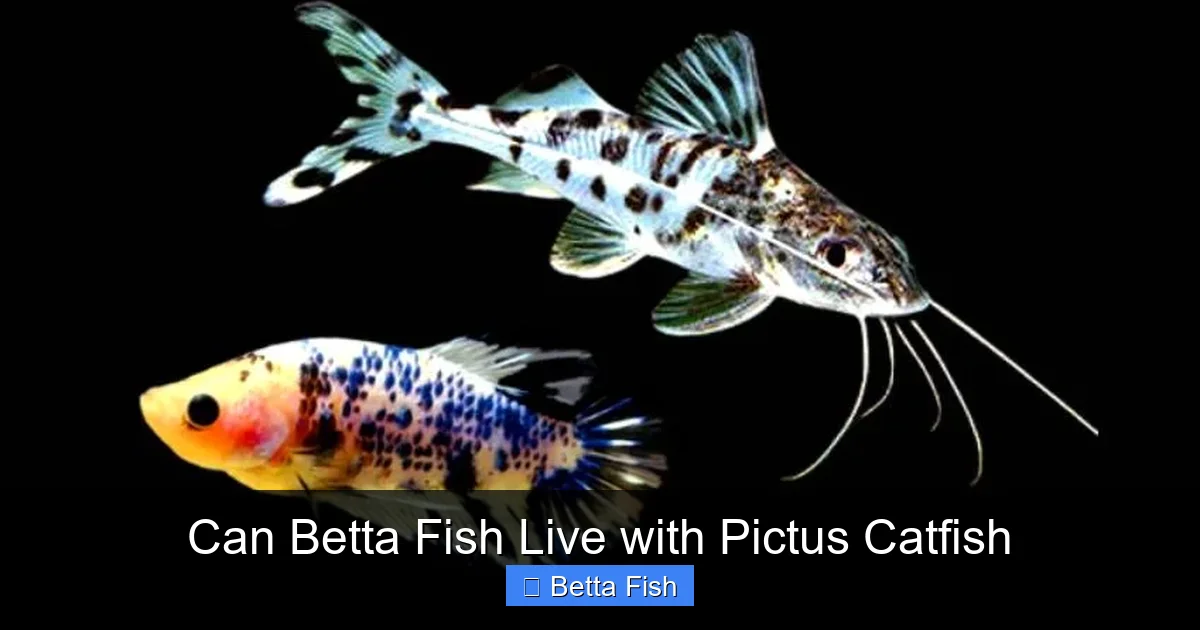
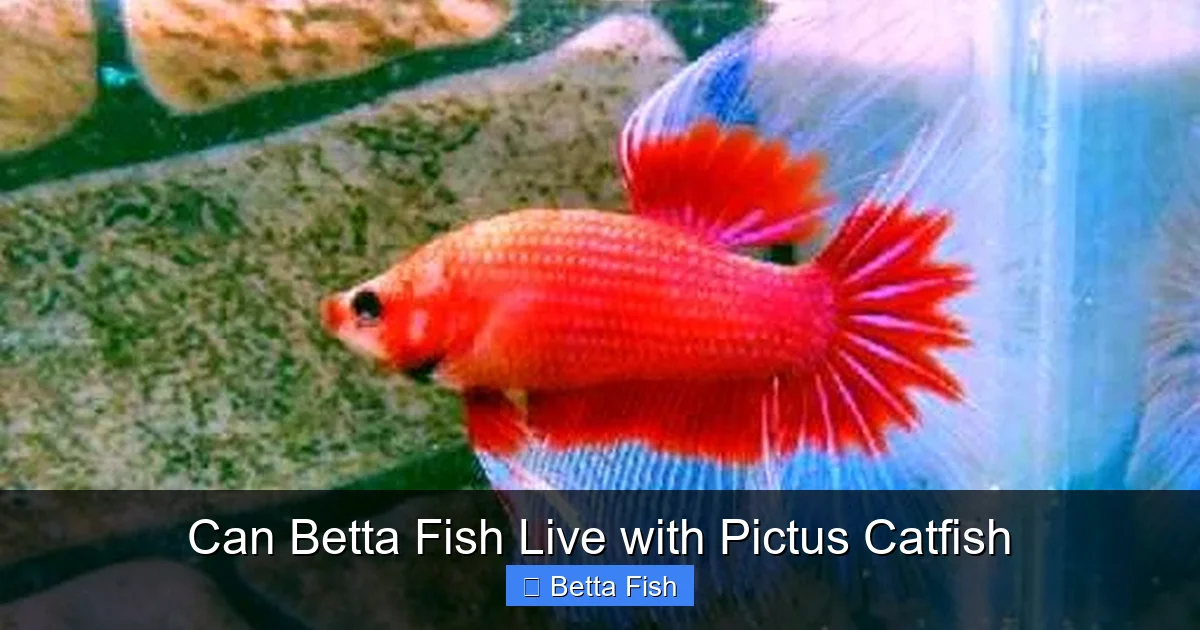
Betta fish, also known as Siamese fighting fish, originate from the shallow rice paddies, slow-moving streams, and floodplains of Southeast Asia, particularly Thailand, Cambodia, and Vietnam. In the wild, they inhabit warm, calm waters with plenty of vegetation. These environments have very little current, which is a critical detail to remember when considering tank mates.
Visual guide about Can Betta Fish Live with Pictus Catfish
Image source: tinyfishtank.com
Bettas are known for their territorial nature, especially males. They establish and defend their space aggressively, which is why male bettas should never be housed together. Female bettas can sometimes coexist in groups called sororities, but even that requires careful planning and a well-structured environment. If you’re curious about whether betta fish can live with other betta fish, the answer depends heavily on gender, tank size, and individual temperament.
Ideal Tank Conditions for Bettas
When it comes to housing a betta, the ideal setup is a tank of at least 5 gallons, though 10 gallons is even better. The water temperature should be maintained between 76°F and 82°F, with a pH level between 6.5 and 7.5. Bettas prefer calm water with minimal current because their long, flowing fins make it difficult to swim against strong flow.
They also need access to the water’s surface because bettas are labyrinth fish. This means they breathe air directly from the atmosphere in addition to using their gills. A tank with plenty of hiding spots, live or silk plants, and gentle filtration creates the perfect environment for a happy, healthy betta.
Temperament and Compatibility
Bettas are semi-aggressive fish. Males are particularly territorial and may attack fish with bright colors or long fins that resemble rival bettas. However, they can coexist peacefully with certain calm, small, and non-threatening species. The key is choosing tank mates that won’t nip at the betta’s fins, compete for territory, or create too much activity in the tank.
This is why the question of whether what other fish can live with betta fish is so important. The right tank mates can create a harmonious community, while the wrong ones can spell disaster.
Understanding the Pictus Catfish
Natural Habitat and Behavior
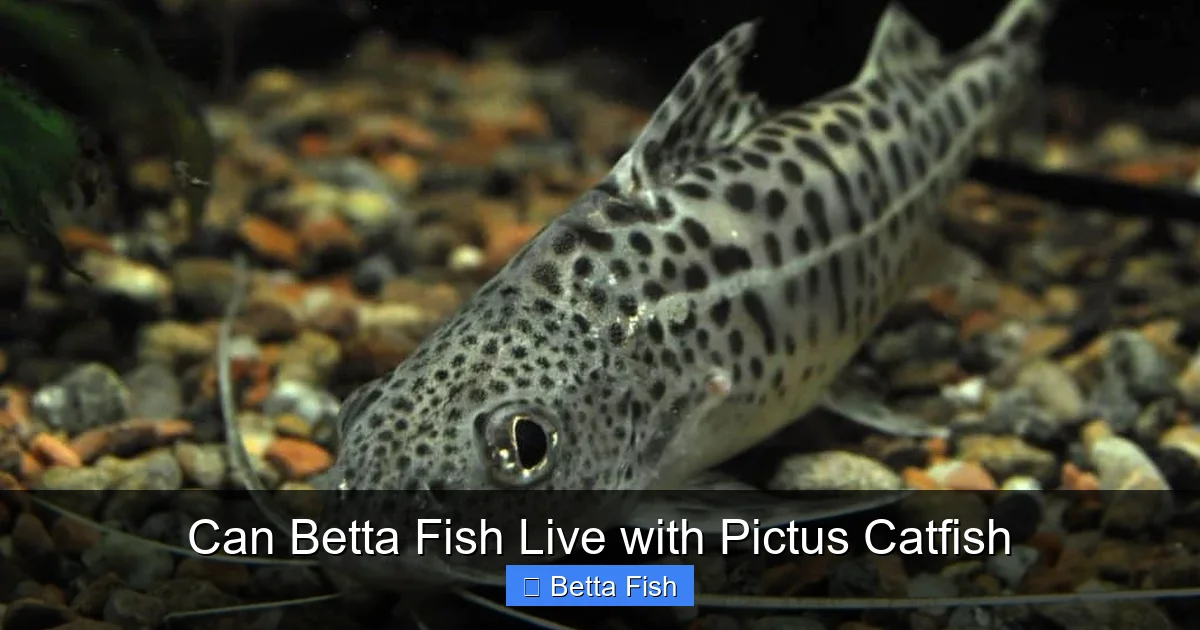
The pictus catfish, scientifically known as Pimelodus pictus, is a stunning freshwater catfish native to the Amazon and Orinoco river basins in South America. These fish are known for their sleek, silver bodies covered in black spots and their impressively long barbels, which are the whisker-like sensory organs around their mouths.
Visual guide about Can Betta Fish Live with Pictus Catfish
Image source: tinyfishtank.com
In the wild, pictus catfish are found in fast-moving, well-oxygenated rivers and streams. They are highly active, social fish that live in large groups called schools. This schooling behavior is not just a preference. It’s a necessity for their well-being. A single pictus catfish kept alone will become stressed, reclusive, and prone to illness.
Ideal Tank Conditions for Pictus Catfish
Here’s where the first major conflict with bettas becomes apparent. Pictus catfish grow to about 5 inches in length and are incredibly active swimmers. They need a minimum tank size of 55 gallons, and ideally larger. A group of 5 or more pictus catfish, which is the recommended minimum school size, would need a 75-gallon tank or bigger to thrive.
They prefer water temperatures between 75°F and 82°F, which overlaps somewhat with betta preferences. However, pictus catfish require strong water flow and high oxygen levels to mimic their natural river habitat. This kind of environment would be extremely stressful for a betta fish, which prefers calm, still water.
Temperament and Compatibility
Pictus catfish are generally peaceful toward other species, but they are boisterous and energetic. They zoom around the tank constantly, especially during feeding time and in the evening hours when they are most active. This high-energy behavior can be very stressful for a betta, which prefers a calm and predictable environment.
Another important consideration is that pictus catfish have sharp, serrated spines on their dorsal and pectoral fins. These spines can cause serious injuries to other fish, especially during territorial disputes or accidental collisions in the tank. A betta’s long, delicate fins would be particularly vulnerable to these spines.
Why Bettas and Pictus Catfish Don’t Mix
The Tank Size Problem
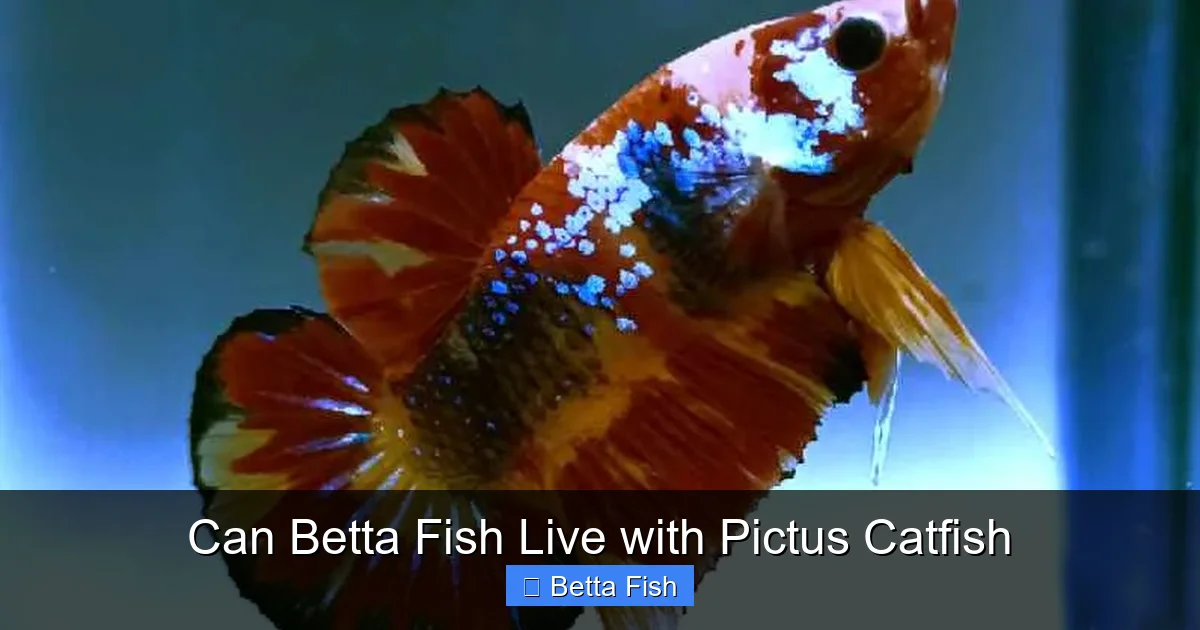
The most obvious and insurmountable issue is tank size. A betta can live happily in a 5 to 10-gallon tank. A group of pictus catfish needs at least 55 gallons, preferably 75 or more. There is no middle ground here. You cannot keep pictus catfish in a small tank, and you cannot keep a betta in a massive, high-flow tank designed for pictus catfish without causing serious stress to the betta.
Visual guide about Can Betta Fish Live with Pictus Catfish
Image source: tinyfishtank.com
Even if you had a very large tank, the other issues we’re about to discuss would still make this pairing problematic. But the tank size alone is enough to rule out this combination entirely.
Activity Level and Stress
Pictus catfish are one of the most active freshwater aquarium fish you can own. They are constantly on the move, darting from one end of the tank to the other. Bettas, on the other hand, are relatively calm and sedentary fish. They like to perch on leaves, explore their territory at a leisurely pace, and rest frequently.
Imagine trying to relax in a quiet room while someone runs laps around you. That’s essentially what it would feel like for a betta sharing a tank with a school of pictus catfish. The constant movement and activity would keep the betta in a state of chronic stress, which weakens the immune system and leads to disease.
Water Flow and Oxygen Requirements
Pictus catfish need strong water currents and highly oxygenated water. This requires powerful filters and sometimes additional powerheads or wave makers to create adequate flow. Bettas, with their long, flowing fins, struggle to swim in strong currents. They need gentle filtration and calm water to move comfortably.
Setting up a tank with strong flow for the pictus catfish would exhaust and stress the betta. Setting up a calm tank for the betta would deprive the pictus catfish of the oxygen-rich, fast-moving water they need. There is no compromise that satisfies both species.
The Risk of Physical Injury
Pictus catfish have sharp spines on their dorsal and pectoral fins that can easily tear the delicate fins of a betta fish. Even if the pictus catfish isn’t being aggressive, accidental contact during their rapid swimming can cause injuries. Bettas are also territorial and may attempt to confront the catfish, leading to dangerous encounters.
Fin injuries in bettas can lead to secondary infections like fin rot, which can be difficult to treat and potentially fatal. The risk simply isn’t worth taking when there are so many better tank mate options available.
Feeding Challenges
Pictus catfish are fast, aggressive eaters. They will consume food before a slower, more deliberate betta has a chance to eat. Bettas can be picky eaters and need time to find and consume their food. In a tank with pictus catfish, the betta would likely be outcompeted at every meal, leading to malnutrition over time.
Additionally, pictus catfish are omnivores with a preference for protein-rich foods. They may try to eat very small tank mates or invertebrates, which limits your options even further if you’re trying to build a community tank.
Better Tank Mate Options for Betta Fish
Small, Peaceful Community Fish
If you’re looking for tank mates for your betta, there are many species that are far more compatible than pictus catfish. Small, peaceful fish that occupy different areas of the tank and don’t have bright colors or long fins are generally the best choices.
Visual guide about Can Betta Fish Live with Pictus Catfish
Image source: fishkeepingadvice.com
Some excellent options include ember tetras, harlequin rasboras, and corydoras catfish. These fish are calm, stay relatively small, and won’t provoke your betta’s territorial instincts. Corydoras catfish, in particular, are a great choice because they are bottom dwellers that mind their own business and help clean up leftover food.
For a more comprehensive guide on compatible species, check out our article on can a betta fish live with other fish, which covers the best and worst options in detail.
Invertebrates as Tank Mates
Invertebrates like snails and shrimp can also make excellent tank mates for betta fish. Nerite snails, mystery snails, and Amano shrimp are popular choices because they are peaceful, interesting to watch, and help keep the tank clean by eating algae and leftover food.
However, not all bettas tolerate shrimp equally well. Some bettas see small shrimp as food rather than tank mates. It’s important to monitor interactions closely when introducing any new creature to your betta’s tank. Ghost shrimp are often used as a test species because they’re inexpensive and can help you gauge your betta’s temperament before investing in more expensive invertebrates.
Bottom Dwellers That Work
If you specifically want a catfish-like bottom dweller for your betta tank, consider kuhli loaches or dwarf corydoras instead of pictus catfish. Kuhli loaches are small, peaceful, and stay under 4 inches. They are also schooling fish, but they can be kept in groups of 3-5 in a 20-gallon tank, which is much more manageable than the requirements for pictus catfish.
Dwarf corydoras, like the panda cory or habrosus cory, stay under 2 inches and are perfect for smaller betta tanks. They are social, peaceful, and occupy the bottom of the tank, leaving the middle and upper levels for your betta to enjoy.
What If You Already Have Both Species?
Separate Housing Solutions
If you already own both a betta fish and pictus catfish, the best course of action is to house them in separate tanks. Each species deserves an environment tailored to its specific needs. Trying to force them together will only result in stress, injury, or death for one or both fish.
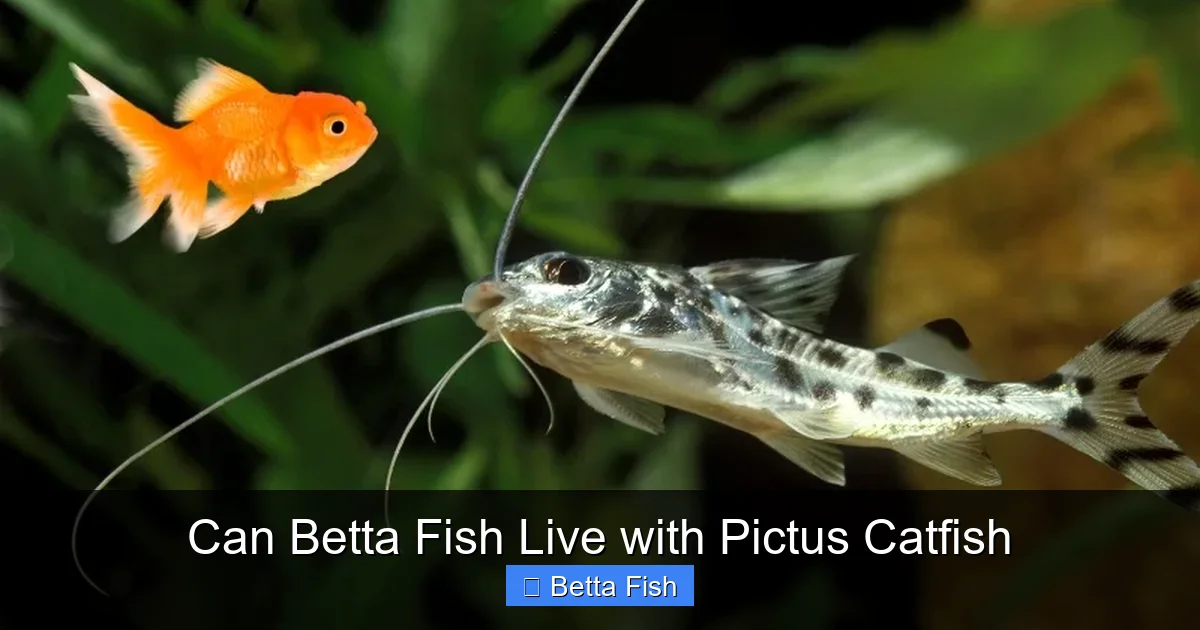
Visual guide about Can Betta Fish Live with Pictus Catfish
Image source: infishtank.com
If budget is a concern, consider starting with the betta tank, which is less expensive to set up and maintain. A 10-gallon betta tank with a gentle filter, heater, and some plants can be established for a reasonable cost. The pictus catfish tank is a bigger investment, but it’s worth it if you’re committed to keeping these beautiful catfish healthy and happy.
Rehoming Options
If you can’t provide separate housing for both species, rehoming one of them is a responsible option. Many local fish stores will accept healthy fish, and online aquarium communities often have members looking to adopt. You can also reach out to local aquarium societies, where experienced hobbyists may be willing to take in your fish.
Rehoming is never a failure. It’s a responsible decision that prioritizes the well-being of your animals. A fish that thrives in a species-appropriate environment will live longer, be more active, and display more natural behaviors than one kept in unsuitable conditions.
Creating the Perfect Betta Community Tank
Tank Size and Setup
If you’re planning a community tank with your betta as the centerpiece, a 20-gallon long tank is the ideal starting size. This gives you enough space for the betta to establish its territory while providing room for peaceful tank mates. A longer tank is better than a taller one because it provides more horizontal swimming space and allows for better territory division.
Use plenty of live plants, driftwood, and rocks to create visual barriers and hiding spots. This reduces stress for all fish by breaking up sight lines and giving each creature its own space. Floating plants like frogbit or water sprite are especially beneficial for bettas because they provide cover near the surface and dim the lighting, which bettas prefer.
Choosing the Right Tank Mates
When selecting tank mates for your betta, consider these key factors: size, temperament, activity level, and water parameter compatibility. The ideal tank mate is small, peaceful, occupies a different area of the tank than the betta, and thrives in similar water conditions.
Avoid fish with bright colors, long fins, or aggressive tendencies. Also avoid very small fish or shrimp that your betta might see as food. Always research each species thoroughly before adding it to your tank, and introduce new fish gradually while monitoring your betta’s behavior closely.
Monitoring and Maintenance
Once your community tank is established, regular monitoring is essential. Watch for signs of stress in your betta, such as loss of color, clamped fins, hiding, or refusal to eat. These behaviors can indicate that the tank mates are causing problems or that water quality needs attention.
Perform regular water changes, test your water parameters weekly, and maintain a consistent feeding schedule. A well-maintained tank with appropriate tank mates will reward you with a vibrant, active, and healthy aquatic community that you can enjoy for years to come.
Conclusion
So, can betta fish live with pictus catfish? The answer is a clear and definitive no. These two species have fundamentally different needs when it comes to tank size, water flow, social structure, and temperament. Attempting to house them together would compromise the health and well-being of both fish.
The good news is that there are plenty of wonderful tank mate options for your betta that will create a peaceful and beautiful community tank. From small tetras and rasboras to snails and dwarf corydoras, you have many choices that are both safe and visually appealing. Take the time to research each species, set up an appropriate environment, and introduce new tank mates carefully.
Your betta deserves a home where it can thrive, and so do any tank mates you choose. By making informed decisions and prioritizing the needs of your fish, you’ll create an aquarium that’s not only stunning to look at but also a healthy, stress-free environment for all its inhabitants. Happy fishkeeping!
Frequently Asked Questions
Can betta fish live with pictus catfish in a large tank?
No, even in a large tank, betta fish and pictus catfish are not compatible. The pictus catfish’s need for strong water flow, high oxygen levels, and constant activity would create a stressful environment for the betta. Additionally, the sharp spines on pictus catfish can injure a betta’s delicate fins during accidental contact.
What size tank do pictus catfish need?
Pictus catfish need a minimum of 55 gallons for a small group, though 75 gallons or more is recommended. They are active schooling fish that require plenty of swimming space and should be kept in groups of at least 5 individuals to thrive and exhibit natural behaviors.
What are the best tank mates for betta fish?
The best tank mates for betta fish include small, peaceful species like ember tetras, harlequin rasboras, corydoras catfish, kuhli loaches, and nerite snails. These fish are calm, occupy different tank levels, and won’t provoke your betta’s territorial instincts.
Are pictus catfish aggressive toward other fish?
Pictus catfish are generally peaceful toward other species, but they are very active and fast-moving, which can stress calmer fish like bettas. They also have sharp spines that can cause accidental injuries, and they may outcompete slower eaters during feeding time.
Can I keep a single pictus catfish?
It’s not recommended to keep a single pictus catfish because they are schooling fish that need the company of their own species. A lone pictus catfish will become stressed, reclusive, and more susceptible to illness. They should be kept in groups of at least 5 for optimal health and behavior.
What happens if I put a betta with a pictus catfish?
If you house a betta with a pictus catfish, the betta will likely experience chronic stress from the catfish’s constant activity and the strong water flow required by the pictus. The betta may also suffer fin injuries from the catfish’s sharp spines and could be outcompeted for food, leading to malnutrition and a weakened immune system.

