Can Betta Fish Live with Lucky Bamboo
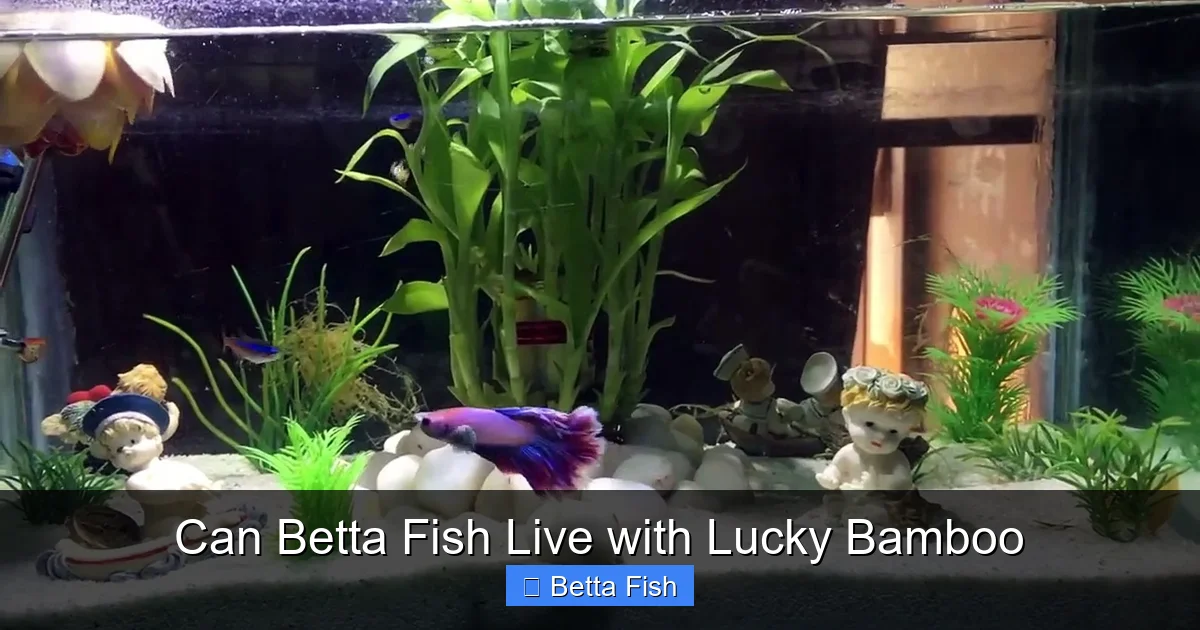
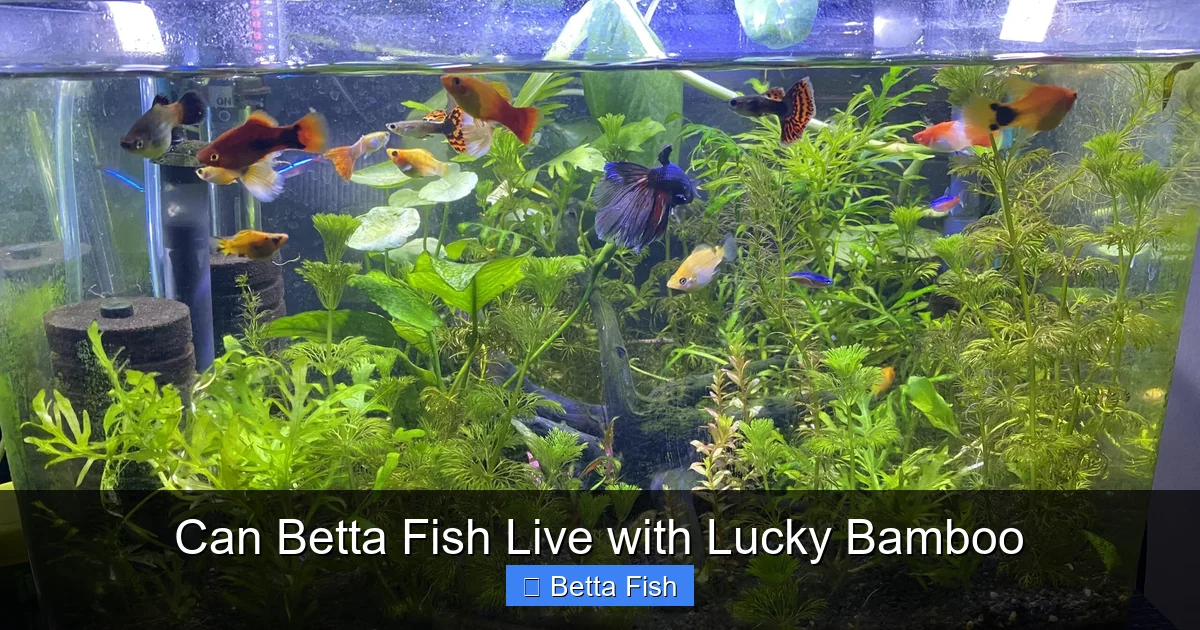
Yes, betta fish can live with lucky bamboo, and they often thrive together. Lucky bamboo is a popular, low-maintenance plant that can improve water quality and provide shelter for your betta. When properly maintained, this combination creates a beautiful, natural habitat that benefits both the fish and the plant.
If you’re a betta fish owner looking to add some greenery to your aquarium, you might be wondering, can betta fish live with lucky bamboo? The short answer is yes! Lucky bamboo is one of the most popular plants used in betta fish tanks, and for good reason. It’s attractive, easy to care for, and can actually benefit your fish in several ways.
In this comprehensive guide, we’ll explore everything you need to know about keeping lucky bamboo with your betta fish. From the benefits and potential drawbacks to proper setup and maintenance tips, we’ve got you covered. Whether you’re a beginner or an experienced aquarist, this article will help you create a beautiful and healthy environment for your aquatic friend.
Key Takeaways
- Compatible pairing: Lucky bamboo is safe and beneficial for betta fish tanks when properly maintained.
- Natural filtration: Lucky bamboo absorbs harmful nitrates and ammonia, helping maintain better water quality.
- Shelter and comfort: The plant’s leaves and stems provide hiding spots that reduce betta fish stress.
- Partial submersion needed: Only the roots should be submerged in water; the leaves must stay above the waterline to prevent rot.
- Low light tolerance: Lucky bamboo thrives in low light conditions, making it perfect for betta tanks without strong lighting.
- Monitor water parameters: Regular water testing is essential since decomposing plant material can affect water chemistry.
- Not a true aquatic plant: Lucky bamboo is technically a terrestrial plant that tolerates water, so long-term care requires attention to its needs.
📑 Table of Contents
What Is Lucky Bamboo?
Understanding the Plant
Despite its name, lucky bamboo isn’t actually bamboo at all. It’s a member of the Dracaena family, specifically Dracaena sanderiana. This plant is native to the tropical rainforests of Southeast Asia and has been used in Feng Shui practices for centuries. People believe it brings good luck, prosperity, and positive energy to any space.
Lucky bamboo features long, slender stalks with vibrant green leaves growing from the top. It can be trained to grow in various shapes, including spirals, braids, and straight stalks. This versatility makes it a favorite among plant enthusiasts and aquarium hobbyists alike.
Why It’s Popular in Aquariums
Lucky bamboo has become incredibly popular in the aquarium hobby for several reasons. First, it’s extremely low-maintenance compared to many aquatic plants. Second, it can grow in water alone, which makes it perfect for aquarium use. Third, its attractive appearance adds a natural, calming aesthetic to any tank setup.
Many betta fish owners appreciate that lucky bamboo doesn’t require special lighting or CO2 injection. This makes it an excellent choice for simple betta setups that don’t have elaborate plant-growing equipment.
Benefits of Lucky Bamboo for Betta Fish
Natural Water Filtration
One of the biggest advantages of adding lucky bamboo to your betta tank is its ability to help filter the water naturally. Like most plants, lucky bamboo absorbs nitrates, ammonia, and other harmful compounds from the water. This creates a healthier environment for your betta fish and can reduce the frequency of water changes needed.
While lucky bamboo shouldn’t replace your filter entirely, it serves as an excellent supplementary filtration system. Think of it as an extra layer of protection for your fish’s health and well-being.
Stress Reduction and Enrichment
Betta fish are territorial creatures that appreciate having places to hide and explore. Lucky bamboo provides excellent cover and hiding spots that can significantly reduce stress in your fish. When bettas feel secure in their environment, they’re more likely to display vibrant colors and active, healthy behaviors.
The plant’s tall stems and flowing leaves create a more natural habitat that mimics the betta’s wild environment. This enrichment is essential for keeping your fish mentally stimulated and physically healthy.
Oxygen Production
Through photosynthesis, lucky bamboo releases oxygen into the water. While the amount is relatively small compared to proper aeration, every bit helps. Bettas are labyrinth fish, meaning they breathe air from the surface, but increased oxygen levels in the water still benefit their overall health.
Aesthetic Appeal
Let’s be honest—lucky bamboo simply looks great in a betta tank. The vibrant green color contrasts beautifully with the bright hues of betta fish. Whether you have a red, blue, or multicolored betta, lucky bamboo creates a stunning visual display that makes your aquarium more enjoyable to watch.
How to Set Up Lucky Bamboo in a Betta Tank
Choosing the Right Bamboo
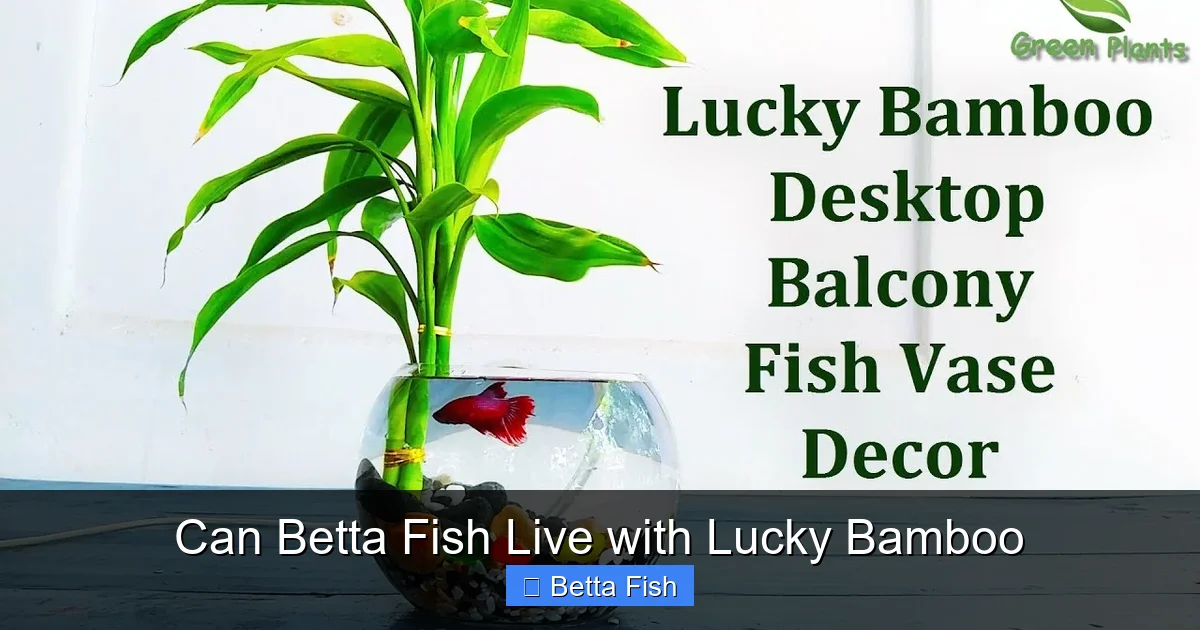
When selecting lucky bamboo for your betta tank, look for stalks that are vibrant green with no yellowing or browning. The leaves should be healthy and free from spots or damage. Avoid any stalks that smell foul or have mushy areas, as these may already be rotting.
Visual guide about Can Betta Fish Live with Lucky Bamboo
Image source: i.ytimg.com
You can purchase lucky bamboo from most pet stores, garden centers, or online retailers. It’s typically sold in small bundles and is quite affordable, making it an accessible option for any budget.
Proper Placement
This is crucial: only the roots and lower portion of the lucky bamboo stalk should be submerged in water. The leaves must remain above the waterline. If you submerge the entire plant, the leaves will rot, which can foul the water and harm your betta fish.
There are several ways to achieve proper placement. You can use a tall vase or container that keeps the leaves elevated above the water surface. Alternatively, you can position the bamboo so that only the bottom few inches are submerged, with the rest extending up and out of the tank.
Using Plant Weights or Anchors
To keep your lucky bamboo in place, you can use plant weights, small rocks, or aquarium-safe anchors. Avoid using anything that might leach harmful chemicals into the water. Smooth river rocks or aquarium-safe gravel work perfectly for securing the base of the plant.
Make sure the arrangement doesn’t trap your betta fish against the glass or in any tight spaces. Bettas need room to swim freely and access to the surface for breathing.
Potential Concerns and Drawbacks
Leaf Rot and Water Quality
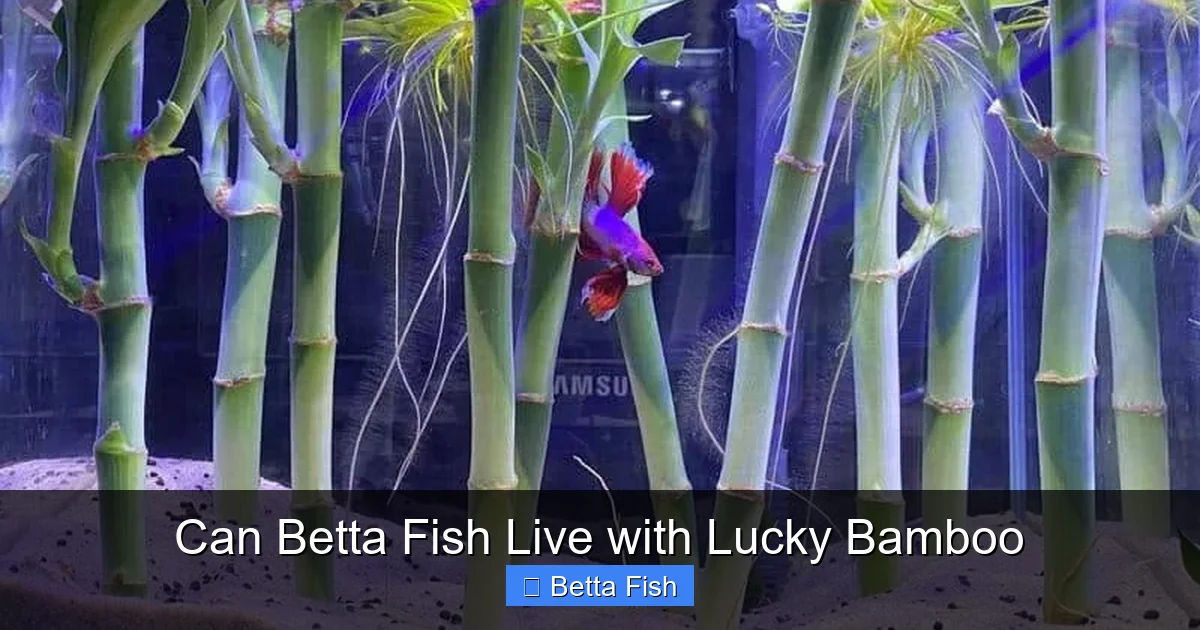
The most common issue with lucky bamboo in betta tanks is leaf rot. If any part of the plant that’s not meant to be submerged ends up underwater, it will begin to decompose. This decomposition releases organic matter into the water, which can spike ammonia levels and create an unhealthy environment for your fish.
Visual guide about Can Betta Fish Live with Lucky Bamboo
Image source: i.pinimg.com
To prevent this, regularly inspect your lucky bamboo and remove any yellowing or decaying leaves immediately. If you notice the water becoming cloudy or developing an unusual odor, check the plant for signs of rot.
Bacterial Growth
Any organic material in water can become a breeding ground for bacteria. While some bacterial growth is normal and even beneficial, excessive amounts can harm your betta fish. The key is maintaining proper water quality through regular changes and monitoring.
If you notice a slimy coating developing on the bamboo stalks, this is likely bacterial growth. You can gently clean the affected areas with a soft brush during your regular tank maintenance.
Limited Underwater Benefits
Since only the roots are submerged, the water filtration benefits of lucky bamboo are somewhat limited compared to fully aquatic plants. If you’re looking for maximum filtration, you might want to consider adding some true aquatic plants alongside your lucky bamboo.
Maintenance Tips for Lucky Bamboo in Betta Tanks
Water Changes
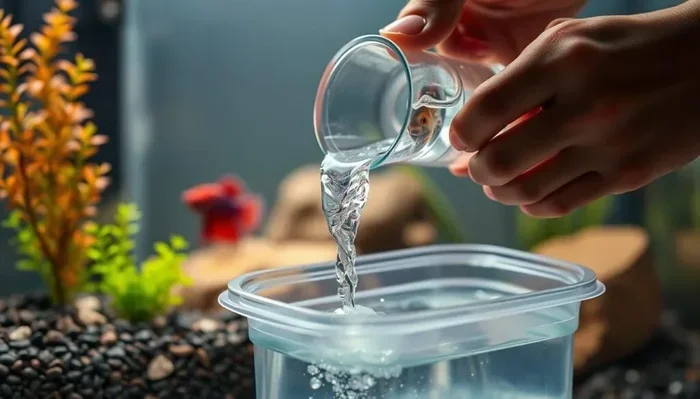
Regular water changes are essential when keeping lucky bamboo with your betta fish. Aim for weekly water changes of about 25-30% of the tank volume. This helps remove any accumulated waste and keeps the water fresh and healthy for both the plant and the fish.
Visual guide about Can Betta Fish Live with Lucky Bamboo
Image source: i.pinimg.com
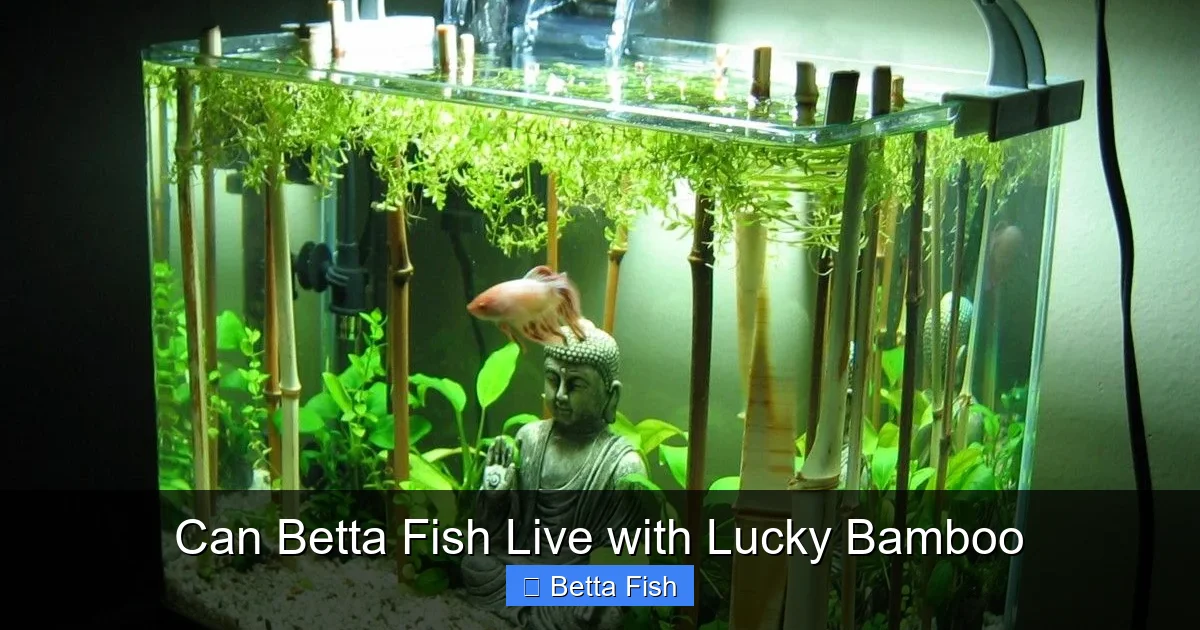
When performing water changes, be careful not to disturb the bamboo’s root system too much. Gently siphon water from the bottom of the tank without uprooting the plant.
Cleaning the Plant
Every few weeks, remove the lucky bamboo from the tank and inspect it carefully. Gently rinse the roots under lukewarm water to remove any debris or algae buildup. Trim away any dead or yellowing leaves using clean, sharp scissors.
This maintenance routine not only keeps the plant healthy but also gives you an opportunity to check the overall condition of your tank and ensure everything is in good shape.
Monitoring Water Parameters
Keep a close eye on your water parameters when you have lucky bamboo in your betta tank. Test regularly for ammonia, nitrite, and nitrate levels. The ideal parameters for betta fish are:
- Ammonia: 0 ppm
- Nitrite: 0 ppm
- Nitrate: Below 20 ppm
- pH: 6.5-7.5
- Temperature: 76-82°F (24-28°C)
If you notice any significant changes in water quality after adding lucky bamboo, increase your water change frequency until the balance is restored.
Alternative Plants for Betta Tanks
Fully Aquatic Options
While lucky bamboo is a great choice, you might also want to consider some fully aquatic plants that can complement it. Java fern, anubias, and amazon sword are all excellent options that thrive in similar conditions to what betta fish prefer.
These plants offer the advantage of being completely submerged, which maximizes their filtration benefits and creates a more natural underwater environment for your fish.
Floating Plants
Floating plants like duckweed, frogbit, or water lettuce can also be wonderful additions to a betta tank. They provide shade and cover at the water’s surface, which bettas particularly appreciate. Just be sure they don’t cover the entire surface, as bettas need access to air.
If you’re interested in learning more about tank setups and compatible species, check out our guide on can betta fish live with shrimp for more ideas on creating a community tank.
Common Mistakes to Avoid
Submerging the Entire Plant
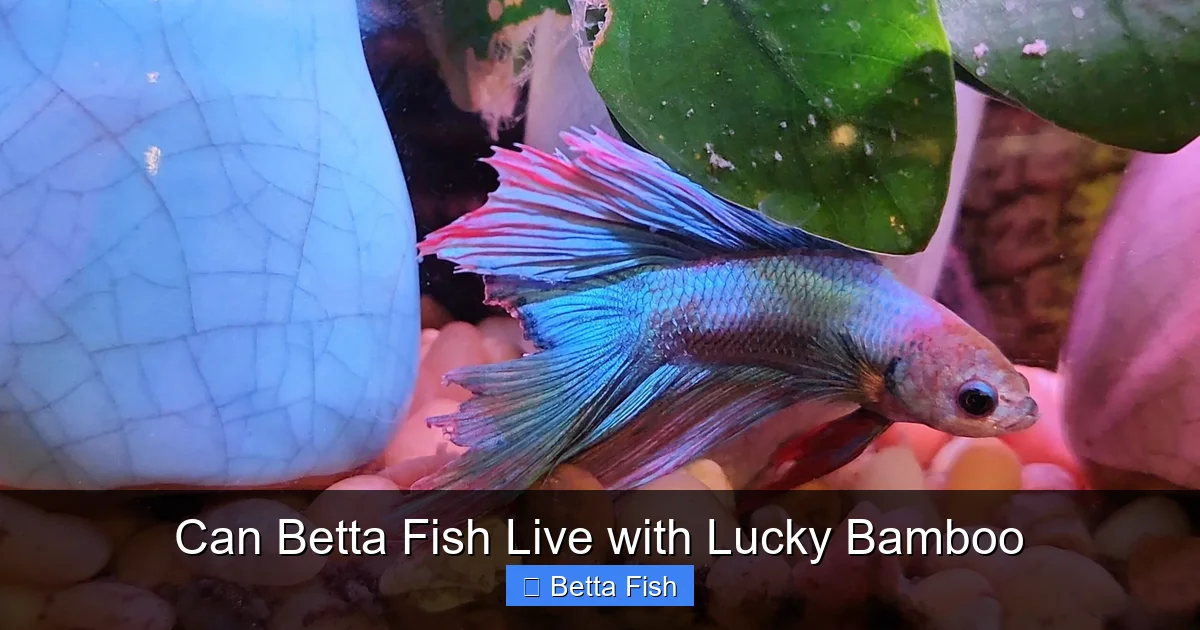
This cannot be stressed enough: never submerge the entire lucky bamboo plant. Only the roots and the very bottom of the stalk should be in water. Submerging the leaves will cause them to rot, which can quickly degrade water quality and potentially harm your betta fish.
Visual guide about Can Betta Fish Live with Lucky Bamboo
Image source: doggodigest.com
Using Tap Water Without Treatment
Both betta fish and lucky bamboo are sensitive to chlorine and chloramines found in tap water. Always use a water conditioner before adding tap water to your tank. This simple step protects both your fish and your plant from harmful chemicals.
Overcrowding the Tank
While lucky bamboo doesn’t take up much space, it’s important not to overcrowd your betta’s tank with too many plants or decorations. Bettas need open swimming space and easy access to the surface. A good rule of thumb is to keep about 60-70% of the tank open for swimming.
Ignoring Signs of Decay
If you notice any part of your lucky bamboo turning yellow, brown, or mushy, remove it immediately. Decaying plant material can release toxins into the water and create an unhealthy environment for your betta fish. Regular inspection and prompt action are key to preventing problems.
Frequently Asked Questions About Lucky Bamboo and Bettas
Can Lucky Bamboo Replace a Filter?
No, lucky bamboo cannot replace a proper aquarium filter. While it does help absorb some harmful compounds, it’s not sufficient on its own. You still need a good filtration system to maintain water quality in your betta tank.
Visual guide about Can Betta Fish Live with Lucky Bamboo
Image source: doggodigest.com
How Many Stalks Can I Add?
The number of lucky bamboo stalks you can add depends on the size of your tank. For a standard 5-gallon betta tank, 2-3 stalks are usually sufficient. Larger tanks can accommodate more, but always leave plenty of open swimming space for your fish.
Will My Betta Eat the Lucky Bamboo?
Betta fish are carnivores and won’t eat lucky bamboo. However, some bettas may nip at the roots or play with the leaves. This behavior is generally harmless and won’t damage the plant significantly.
Conclusion
So, can betta fish live with lucky bamboo? Absolutely! This combination can be a wonderful addition to your aquarium when done correctly. Lucky bamboo offers numerous benefits, including natural filtration, stress reduction, and aesthetic appeal. With proper setup and maintenance, both your betta fish and your lucky bamboo can thrive together.
Remember the key points: keep the leaves above water, maintain good water quality, and monitor both your fish and plant regularly. By following the tips in this guide, you’ll create a beautiful, healthy environment that showcases your betta’s vibrant colors while enjoying the natural beauty of lucky bamboo.
Whether you’re setting up your first betta tank or looking to enhance an existing setup, lucky bamboo is a fantastic choice that’s both beginner-friendly and rewarding. Give it a try, and you might just find it’s the perfect addition to your aquatic family!
Frequently Asked Questions
Is lucky bamboo toxic to betta fish?
No, lucky bamboo is not toxic to betta fish. It’s completely safe and can actually benefit your fish by improving water quality and providing shelter. Just make sure to keep the leaves above water to prevent rot.
How long does lucky bamboo last in a fish tank?
With proper care, lucky bamboo can last for years in a fish tank. The key is keeping only the roots submerged and maintaining good water quality. Regular trimming and cleaning will help extend the plant’s lifespan significantly.
Do I need to fertilize lucky bamboo in my betta tank?
Lucky bamboo doesn’t require fertilizer in a betta tank. The fish waste provides sufficient nutrients for the plant to thrive. Adding fertilizer could actually harm your betta by altering water chemistry.
Can lucky bamboo grow in a betta tank with no light?
Lucky bamboo can survive in low light conditions, but it does need some light to thrive. A basic aquarium light or indirect natural light is sufficient. Without any light, the plant will eventually weaken and die.
Will lucky bamboo help reduce algae in my betta tank?
Lucky bamboo can help reduce algae by competing for nutrients in the water. However, it won’t eliminate algae entirely. Proper lighting schedules and regular tank maintenance are still necessary to control algae growth.
Can I keep lucky bamboo with other fish besides bettas?
Yes, lucky bamboo can be kept with many other peaceful fish species. It’s a versatile plant that works well in various community tank setups. Just ensure the other fish won’t damage the plant or uproot it from its position.