Can Betta Fish Live with Feeder Fish

Can betta fish live with feeder fish? Technically, yes — but it’s rarely a good idea. Feeder fish often carry diseases, trigger aggression in bettas, and can become expensive snacks instead of tank mates. This guide explains why most aquarium experts advise against it and offers safer, smarter alternatives for your betta’s community tank.
Key Takeaways
- High Disease Risk: Feeder fish are often raised in poor conditions and can introduce parasites and bacterial infections to your betta’s tank.
- Aggression Triggers: Bettas are territorial and may attack feeder fish, especially guppies or goldfish that have bright colors or flowing fins.
- Nutritional Concerns: Feeder fish like goldfish contain thiaminase, an enzyme that breaks down vitamin B1 and can harm your betta’s health over time.
- Short Lifespan of Feeders: Most feeder fish have poor genetics and die quickly, fouling your water and stressing your betta.
- Better Alternatives Exist: Species like neon tetras, corydoras, and snails make far safer and more compatible tank mates for bettas.
- If You Must, Quarantine First: Any fish introduced to a betta tank should be quarantined for at least two weeks to prevent disease transmission.
- Tank Size Matters: Even with compatible species, you need at least a 10-gallon tank to give everyone enough space and reduce territorial behavior.
📑 Table of Contents
- Can Betta Fish Live With Feeder Fish? The Honest Answer
- What Exactly Are Feeder Fish?
- The Major Risks of Keeping Betta Fish With Feeder Fish
- What Happens When Bettas and Feeder Fish Share a Tank?
- Safer Alternatives to Feeder Fish for Your Betta Tank
- If You Absolutely Must Use Feeder Fish: Harm Reduction Tips
- The Bottom Line: Should You Do It?
Can Betta Fish Live With Feeder Fish? The Honest Answer
You’ve probably seen them at the pet store — a small tank full of cheap, tiny fish labeled “feeder fish.” Maybe you’ve wondered if they’d make good company for your betta. Or maybe you thought they’d be a fun, live snack. Either way, it’s a question that comes up a lot in the betta community, and the answer isn’t as simple as yes or no.
Here’s the short version: betta fish can physically live in the same tank as feeder fish, but that doesn’t mean they should. There are real risks involved — from disease transmission to outright violence — that make this combination one of the least recommended pairings in the aquarium hobby. In this article, we’ll break down exactly why feeder fish are problematic, what could go wrong, and what you should consider instead.
Whether you’re a first-time betta owner or a seasoned fish keeper looking to build a community tank, understanding the dynamics between bettas and feeder fish will save you money, heartache, and potentially your betta’s life. Let’s dive in.
What Exactly Are Feeder Fish?
The Basics of Feeder Fish
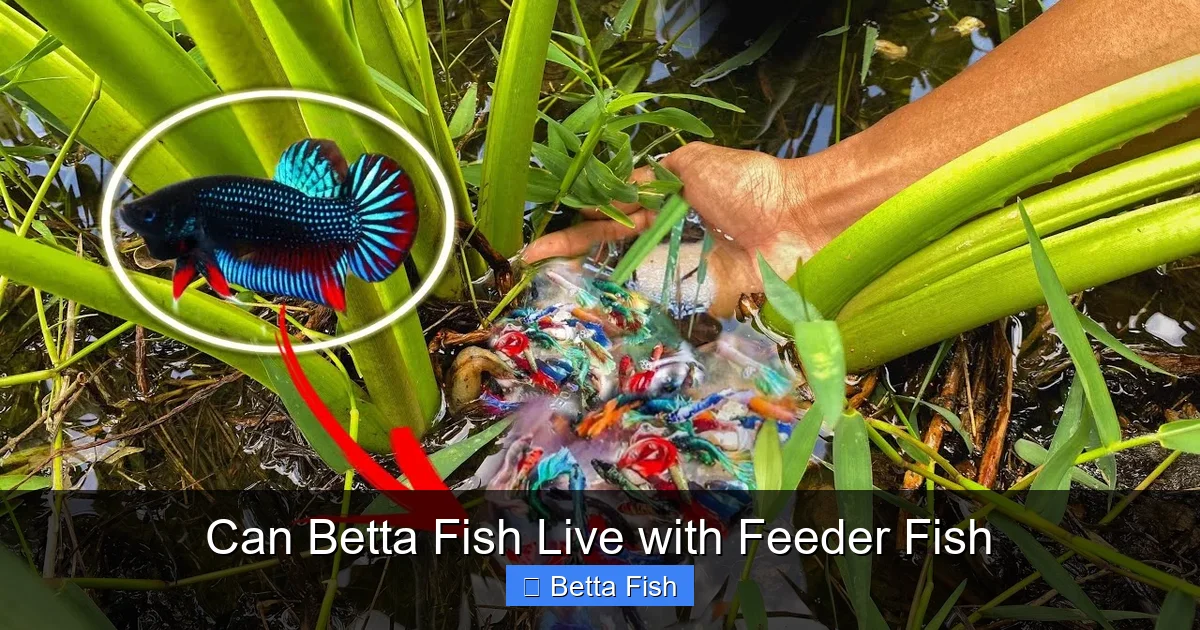
Feeder fish are inexpensive, small fish that are bred and sold primarily as live food for larger predatory animals. Think of them as the “fast food” of the aquarium world. The most common types you’ll encounter at pet stores include feeder goldfish, feeder guppies, and occasionally rosy red minnows. They’re usually sold in large groups for just a few cents each.
Visual guide about Can Betta Fish Live with Feeder Fish
Image source: i.ytimg.com
These fish are typically raised in overcrowded, suboptimal conditions. They don’t receive the same care or quality food that ornamental fish get. That’s part of what makes them so cheap. But that low price tag comes with hidden costs that many new aquarium owners don’t realize until it’s too late.
Why People Consider Them for Betta Tanks
There are a few reasons feeder fish end up in betta tanks. Some owners think they’ll serve as enrichment — giving the betta something to chase. Others want to save money on tank mates and figure cheap fish are just as good. And some people genuinely don’t know the difference between feeder-grade fish and their ornamental counterparts.
Whatever the reasoning, it’s important to understand that feeder fish and ornamental fish are worlds apart in terms of health, genetics, and suitability as aquarium companions.
The Major Risks of Keeping Betta Fish With Feeder Fish
Disease Transmission: The Biggest Danger
This is the number one reason aquarium experts say no to feeder fish. Feeder fish are notorious carriers of diseases and parasites. They’re bred in massive quantities in outdoor ponds or cramped indoor facilities where hygiene is minimal. Bacteria, fungi, and parasites spread like wildfire in those environments.
Visual guide about Can Betta Fish Live with Feeder Fish
Image source: infishtank.com
When you drop a feeder fish directly into your betta’s tank, you’re essentially rolling the dice. Common diseases that feeder fish carry include:
- Ich (White Spot Disease): A highly contagious parasitic infection that causes white spots all over the fish’s body.
- Fin Rot: A bacterial infection that eats away at fins and can become fatal if untreated.
- Velvet Disease: A parasitic infection that gives fish a dusty, golden appearance.
- Internal Parasites: Worms and other parasites that you can’t see but that slowly weaken your fish.
Even if the feeder fish looks healthy, it could be a carrier. Many diseases have incubation periods where the fish shows no symptoms. By the time you notice something is wrong, your betta could already be infected.
Aggression and Territorial Behavior
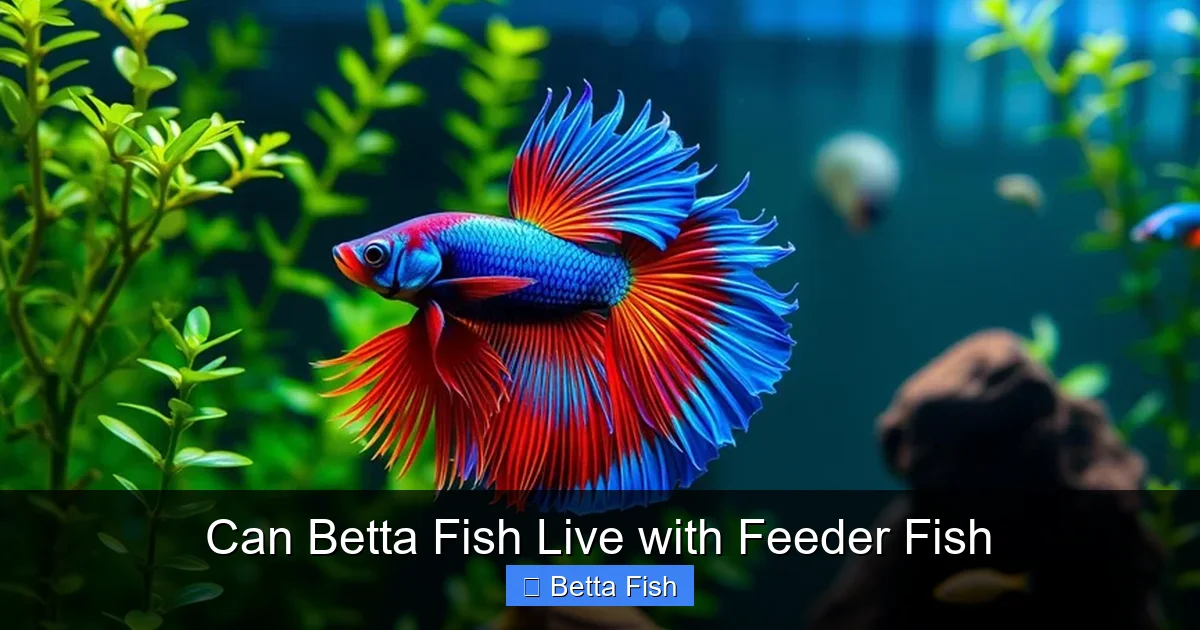
Bettas are known for their feisty personalities. They were originally bred in Thailand for fighting, and that aggressive instinct is still very much alive in today’s domestic bettas. A betta’s territory is their territory, and anything that enters it uninvited is a potential threat.
Feeder guppies, with their bright colors and flowing tails, can look a lot like rival bettas. Your betta may attack them relentlessly. Even feeder goldfish, which are duller in color, can trigger aggression simply by existing in the betta’s space. The result is often stressed, injured, or dead feeder fish — and a betta that’s wound up and overstimulated.
On the flip side, some feeder fish (like certain types of goldfish) are notorious fin nippers. They might take chunks out of your betta’s beautiful flowing fins, leading to injury and potential infection.
The Nutritional Problem With Feeder Goldfish
If you’ve ever heard someone say “I feed my betta a goldfish,” you should know that feeder goldfish are actually a terrible dietary choice. Goldfish contain an enzyme called thiaminase, which breaks down vitamin B1 (thiamine) in your betta’s body. Over time, a diet that includes goldfish can lead to thiamine deficiency, causing neurological problems, loss of coordination, and even death.
Goldfish are also very fatty compared to the insects and small crustaceans that bettas would eat in the wild. This can lead to digestive issues and obesity. If you’re looking for live food options for your betta, consider brine shrimp, daphnia, or bloodworms instead — these are nutritionally appropriate and far safer.
Poor Genetics and Short Lifespans
Feeder fish are not bred for longevity or health. They’re bred for quantity. This means they often have weak genetics, compromised immune systems, and a tendency to die within weeks even in ideal conditions.
When a fish dies in your tank, it releases ammonia as it decomposes. Ammonia is toxic to fish, and a sudden spike can stress or even kill your betta. If you’re introducing a feeder fish that’s already unhealthy, you’re essentially adding a ticking time bomb to your aquarium’s water quality.
What Happens When Bettas and Feeder Fish Share a Tank?
Scenario 1: The Betta Attacks
This is the most common outcome, especially with colorful feeder fish like guppies. Your betta sees the new arrival as a rival and flares up. If the tank is small — say, under 10 gallons — there’s nowhere for the feeder fish to hide. The betta chases, nips, and may eventually kill the intruder.
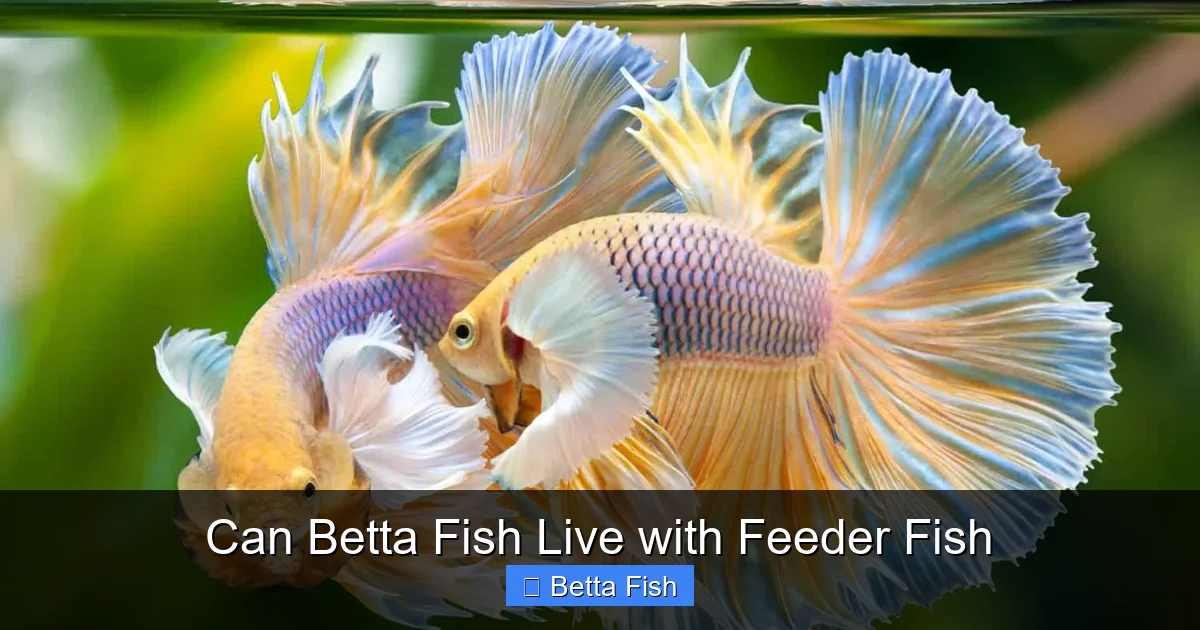
Visual guide about Can Betta Fish Live with Feeder Fish
Image source: a-z-animals.com
Even if the betta doesn’t kill the feeder fish outright, the constant stress of being chased can weaken the feeder’s immune system, making it even more likely to get sick and spread disease.
Scenario 2: The Feeder Fish Harms the Betta
This scenario is less common but still possible. Feeder goldfish, for example, are messy eaters and produce a lot of waste. In a small tank, this can spike ammonia levels quickly. Some feeder fish are also aggressive fin nippers, and they may target your betta’s long, flowing fins.
Additionally, goldfish prefer cooler water temperatures than bettas. Bettas thrive in water between 76–82°F, while goldfish do best at 65–72°F. Keeping them together means one or both species will be living in suboptimal conditions, which weakens their immune systems over time.
Scenario 3: Everything Seems Fine — Until It Isn’t
Sometimes, a betta and a feeder fish coexist peacefully for days or even weeks. This gives a false sense of security. But remember, diseases can have incubation periods. A feeder fish might introduce ich or another parasite that doesn’t show symptoms for 7–14 days. By the time you see white spots on your betta, the infection is already established and harder to treat.
This delayed reaction is one of the most dangerous aspects of introducing feeder fish. You think everything is fine, so you let your guard down. Then suddenly, you’re dealing with a full-blown health crisis in your tank.
Safer Alternatives to Feeder Fish for Your Betta Tank
Best Tank Mates for Betta Fish
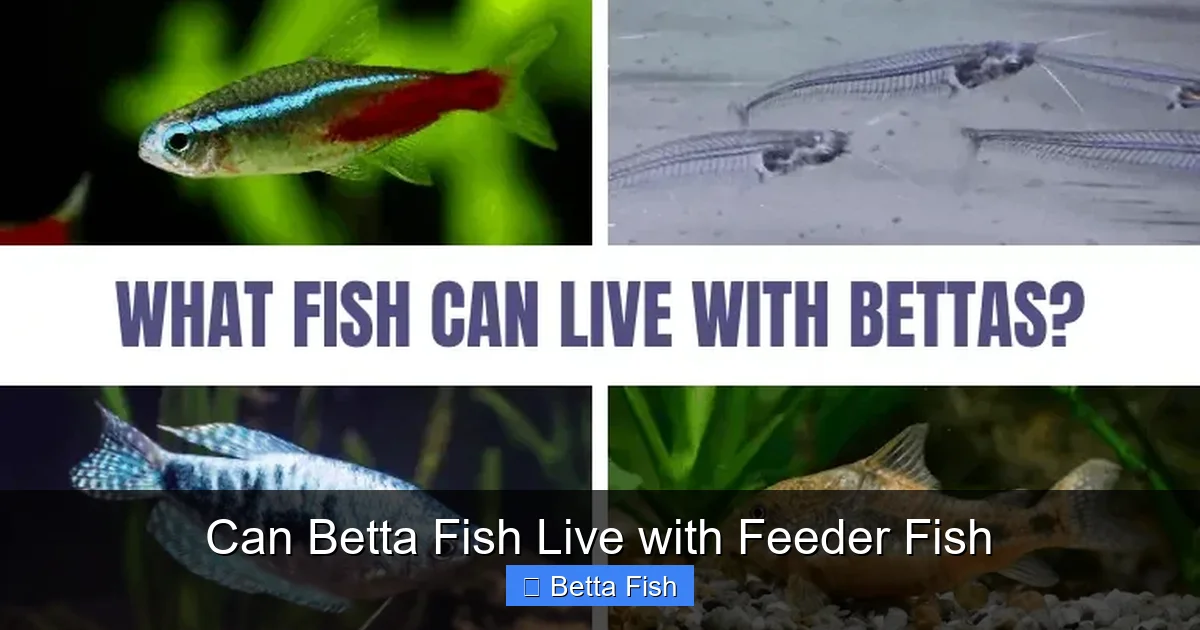
If you want to give your betta some company, there are much safer fish that can live with betta fish than feeder-grade species. The key is choosing fish that are peaceful, don’t have flashy colors or long fins, and occupy different areas of the tank.
Visual guide about Can Betta Fish Live with Feeder Fish
Image source: japanesefightingfish.org
Here are some of the best options:
- Neon Tetras: Small, fast, and peaceful. They stay in the middle of the water column and usually leave bettas alone. A group of six or more works best.
- Corydoras Catfish: Bottom dwellers that are gentle and great at cleaning up leftover food. They’re also armored with bony plates, so even if your betta gets feisty, the corydoras can handle it.
- Ember Tetras: Tiny and subtly colored, they’re less likely to trigger a betta’s aggression. They also prefer schooling, so keep at least six together.
- Harlequin Rasboras: Peaceful, active, and colorful enough to be interesting without being threatening to your betta.
- Kuhli Loaches: Eel-like bottom dwellers that are nocturnal and shy. They spend most of their time hiding, so conflicts with your betta are rare.
Before adding any of these companions, make sure your tank is large enough. A minimum of 10 gallons is recommended for a betta with tank mates, though 20 gallons is even better. More space means less territorial stress for everyone involved.
Invertebrate Options
If you’re worried about fish-on-fish drama, invertebrates can be a fantastic choice. Bettas can live with snails quite happily in most cases. Nerite snails, mystery snails, and Malaysian trumpet snails are all popular choices. They help with algae, they’re interesting to watch, and they don’t trigger a betta’s aggression the way other fish might.
Shrimp are another option, though they come with a caveat — some bettas will eat them. Cherry shrimp and Amano shrimp are the most commonly kept with bettas. If your betta has a particularly predatory personality, shrimp might become snacks rather than tank mates. But many bettas coexist with shrimp just fine, especially if the tank is well-planted with plenty of hiding spots.
If You Absolutely Must Use Feeder Fish: Harm Reduction Tips
Let’s be real — some people are going to try this anyway. If you’re determined to introduce feeder fish to your betta’s tank, there are steps you can take to minimize the risks.
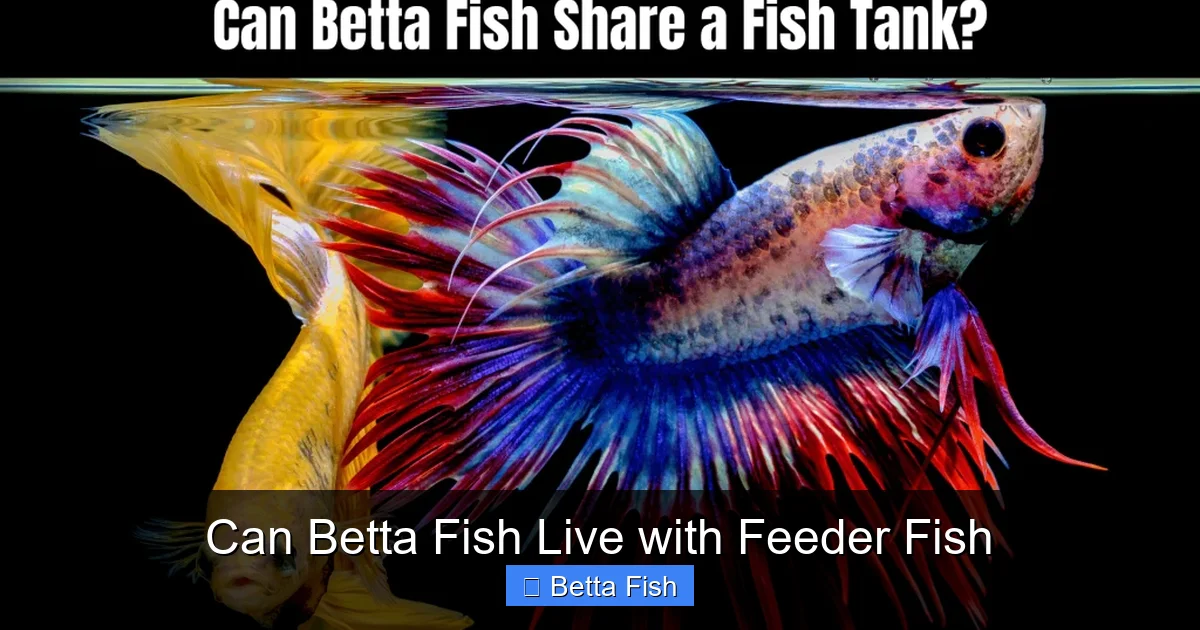
Visual guide about Can Betta Fish Live with Feeder Fish
Image source: aniimad.com
Quarantine First
Never put a feeder fish directly into your betta’s tank. Set up a separate quarantine tank (even a simple 5-gallon with a heater and filter works) and observe the feeder fish for at least two weeks. Watch for signs of disease: white spots, lethargy, loss of appetite, clamped fins, or unusual swimming patterns.
If the fish survives the quarantine period without showing any symptoms, the risk of disease transmission drops significantly. It’s not zero — some parasites and infections can remain dormant longer — but it’s much better than going straight from the pet store to your betta’s home.
Choose the Right Feeder Fish
If you’re going to use feeder fish, avoid feeder goldfish entirely. The thiaminase issue, temperature mismatch, and waste production make them completely unsuitable for betta tanks. Feeder guppies are a slightly better option, but they still carry disease risks and may trigger aggression.
Rosy red minnows are sometimes considered a safer feeder option because they’re hardier and less likely to carry tropical fish diseases. But even they should be quarantined and monitored carefully.
Provide Plenty of Hiding Spots
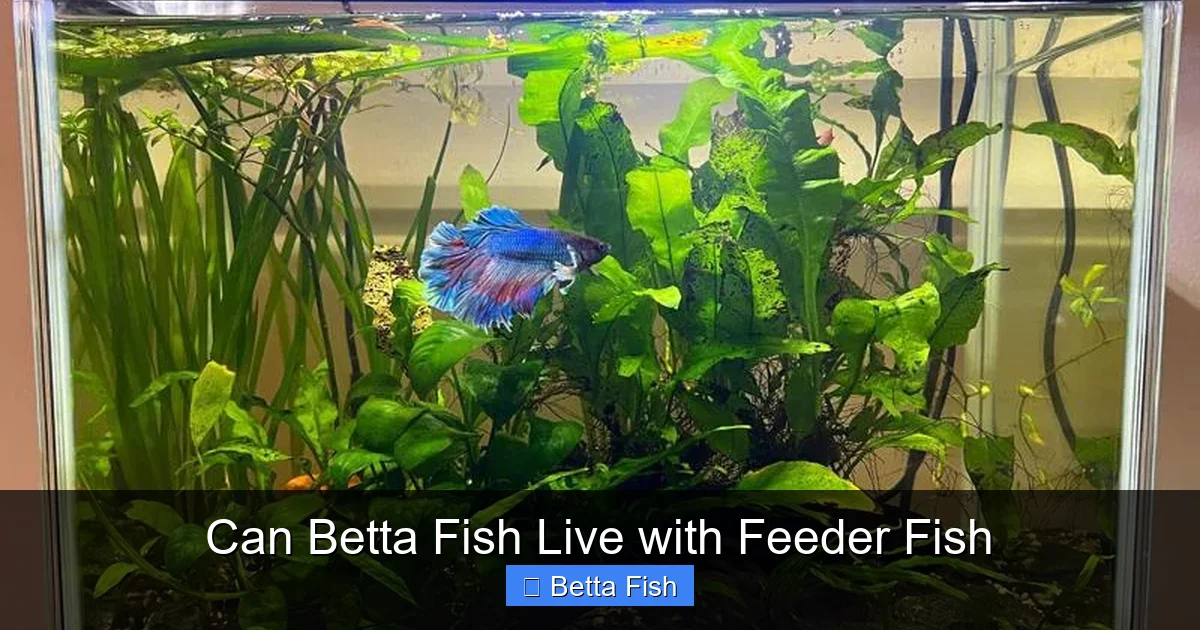
If your betta and a feeder fish are sharing space, the feeder needs places to retreat. Dense live plants, caves, driftwood, and decorations with small openings can give the smaller fish a safe zone. This won’t prevent all aggression, but it gives the feeder fish a fighting chance.
Monitor Water Quality Closely
Adding any new fish to a tank increases the bioload. Test your water parameters — ammonia, nitrite, and nitrate — more frequently during the first few weeks. Perform regular water changes (25–30% weekly) to keep the environment healthy for both fish.
The Bottom Line: Should You Do It?
After everything we’ve covered, the answer is clear: it’s best to avoid keeping betta fish with feeder fish. The risks — disease, aggression, poor nutrition, water quality issues — far outweigh any potential benefits. Feeder fish are cheap for a reason, and that reason is that they’re not meant to be aquarium companions.
Visual guide about Can Betta Fish Live with Feeder Fish
Image source: acaquarium.com
Your betta deserves better than a tank mate that might make them sick or stress them out. There are so many wonderful, safe alternatives out there that can bring life and activity to your aquarium without the dangers that come with feeder fish.
If you’re set on creating a community tank, do your research, choose compatible species, quarantine new arrivals, and invest in a tank that’s large enough for everyone. Your betta will thank you with vibrant colors, active behavior, and a long, healthy life.
And if you’re looking for more guidance on building the perfect betta community, check out our guides on what fish can live with betta fish and how to set up a harmonious tank. The right choices now will save you a lot of trouble down the road.
Frequently Asked Questions
Can betta fish eat feeder fish?
Yes, bettas can and sometimes do eat feeder fish, especially smaller ones like guppies. However, feeder fish are not a nutritionally appropriate diet. Feeder goldfish contain thiaminase, which can cause vitamin B1 deficiency in bettas. If you want to offer live food, stick to brine shrimp, daphnia, or bloodworms.
What types of feeder fish are commonly sold?
The most common feeder fish sold at pet stores are feeder goldfish (comet goldfish), feeder guppies, and rosy red minnows. These fish are bred in large quantities in low-cost facilities and sold cheaply as live food for larger fish, turtles, and other predators.
Can feeder fish make my betta sick?
Absolutely. Feeder fish are one of the most common sources of disease introduction in home aquariums. They frequently carry ich, fin rot, velvet disease, and internal parasites. Even feeder fish that appear healthy can be carriers of pathogens that may not show symptoms for days or weeks.
How big should my tank be if I want tank mates for my betta?
For a betta with tank mates, a minimum of 10 gallons is recommended, though 20 gallons is ideal. Larger tanks reduce territorial aggression because there’s more space for each fish to establish its own zone. Heavily planted tanks with hiding spots also help reduce conflicts.
Are guppies safe to keep with betta fish?
Regular guppies can be risky because their bright colors and flowing tails may trigger a betta’s aggression. However, some bettas tolerate guppies just fine, especially in larger, well-planted tanks. Feeder guppies carry the additional risk of disease, so they’re even less recommended than their ornamental counterparts.
How do I quarantine a new fish before adding it to my betta’s tank?
Set up a separate quarantine tank with a heater, filter, and basic decorations. Keep the new fish in quarantine for at least two weeks, observing for signs of illness like white spots, lethargy, or loss of appetite. Perform regular water changes and test water parameters during this period. Only introduce the fish to your betta’s tank after it has been healthy throughout the entire quarantine.