Feeding your betta fish correctly is crucial for its health and longevity. The general rule is to feed your betta once or twice a day, offering only what it can consume in 2-3 minutes. Overfeeding is the most common mistake and leads to serious health issues like constipation, swim bladder disorder, and fatal water pollution. Always prioritize high-quality, protein-rich foods and observe your fish’s behavior to adjust portions as needed.
Key Takeaways
- Feed 1-2 Times Daily: Adult bettas thrive on one meal a day, with a second small meal being optional. Juvenile bettas may need two feedings to support growth.
- Portion Size is Critical: A single meal should be no larger than the size of the betta’s eye (about 2-3 pellets) or a tiny pinch of frozen food. When in doubt, underfeed.
- Fast Once a Week: Implementing a 24-hour fast once a week aids digestion, prevents constipation, and mimics natural feeding patterns.
- Quality Over Quantity: Base the diet on high-quality betta-specific pellets or granules, supplemented occasionally with frozen or live foods like brine shrimp.
- Observe and Adjust: Watch your fish eat. If food hits the substrate, you’ve overfed. Adjust portions based on your betta’s activity level and body condition.
- Water Quality is Directly Linked: Uneaten food decays instantly, creating toxic ammonia and nitrite spikes. Promptly remove all leftovers to maintain a healthy tank.
- Consistency is Key: Feed at roughly the same times each day to establish a routine, reducing stress for your betta.
📑 Table of Contents
- Introduction: The Myth of the Royal Appetite
- The Biology Behind the Betta’s Belly: Understanding Their Digestive System
- The Golden Rule: How Many Times a Day to Feed Betta Fish
- More Than Frequency: Mastering Portion Size and Food Choice
- The Technique: How to Feed Properly and Monitor Your Fish
- Special Cases and Common Challenges
- Conclusion: The Path to a Vibrant, Healthy Betta
Introduction: The Myth of the Royal Appetite
You’ve likely heard it: betta fish are the “Siamese fighting fish,” known for their dramatic fins and bold personalities. Perhaps you’ve even been told they have huge appetites to match their big attitudes. This is one of the most persistent and dangerous myths in the aquarium hobby. Understanding how many times a day to feed betta fish is not just a minor detail; it is the cornerstone of responsible betta ownership and the single biggest factor in determining your fish’s health, vibrancy, and lifespan.
In their natural habitat—the shallow, warm rice paddies and slow-moving streams of Southeast Asia—bettas are opportunistic micro-predators. They don’t have a constant buffet. They eat insects, larvae, and tiny crustaceans that happen to cross their path. This means their digestive systems are adapted for sporadic, protein-rich meals, not endless grazing. When we keep them in a confined tank, we must replicate this natural rhythm. Overfeeding doesn’t just make your betta fat; it poisons its home from the inside out. This guide will dismantle the myths and provide a clear, science-backed, and practical answer to the feeding frequency question, ensuring your betta thrives for years.
The Biology Behind the Betta’s Belly: Understanding Their Digestive System
To grasp the “why” behind the feeding schedule, we need to look inside the betta. Bettas have a very short intestinal tract relative to their body size. This is a classic characteristic of carnivorous fish. In the wild, a diet consisting almost entirely of animal protein (insects, zooplankton) is digested and processed very quickly. There is no fermentation chamber like that of a herbivore or omnivore.

Visual guide about How Many Times a Day to Feed Betta Fish
Image source: petfood.guide
A Short Gut Means a Fast Transit
Food moves through a betta’s system in a matter of hours. When you feed a large meal, especially one containing indigestible fillers (common in low-quality foods), it can sit in that short gut and begin to ferment. This fermentation leads to gas buildup, which is the primary cause of the dreaded swim bladder disorder. A swollen, inflamed gut presses against the swim bladder, causing the fish to float uncontrollably, sink, or swim erratically. It’s a painful and often fatal condition directly linked to overfeeding.
The Liver’s Role and Fat Build-Up
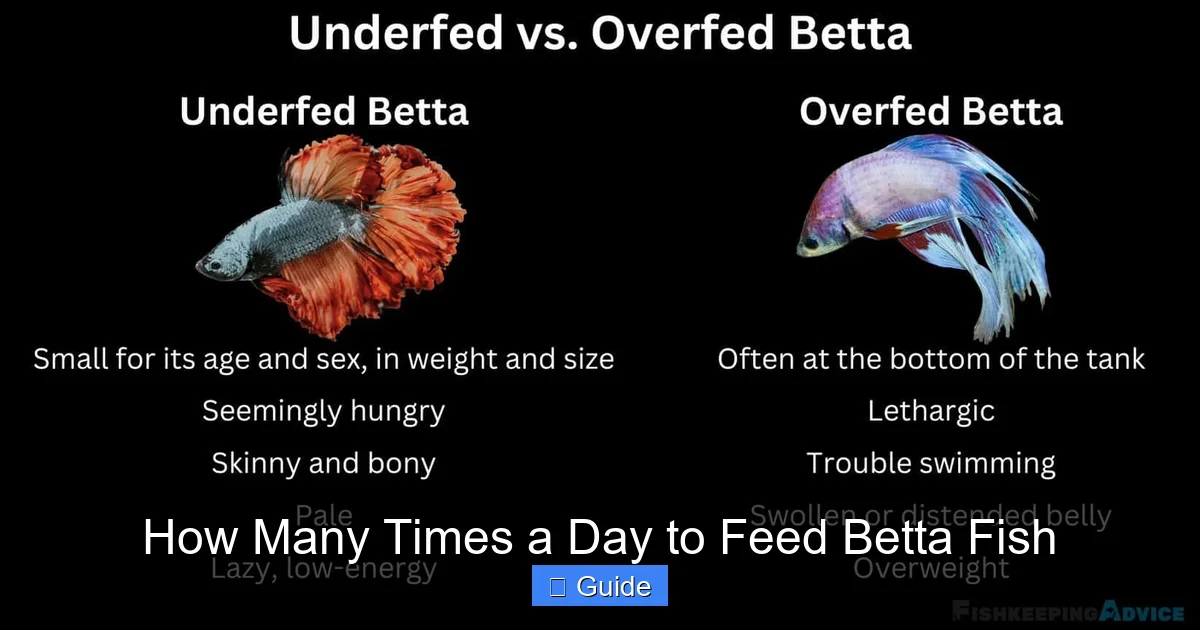
Excess calories, particularly from fatty foods, are stored in the liver. Chronic overfeeding can lead to hepatic lipidosis, or fatty liver disease. The liver becomes engorged with fat cells, impairing its crucial functions of detoxification, protein synthesis, and digestion. A betta with a fatty liver is a sick betta, often displaying lethargy, loss of color, and a distended, pale abdomen. This is a silent killer that develops slowly from consistent, minor overfeeding.
The Golden Rule: How Many Times a Day to Feed Betta Fish
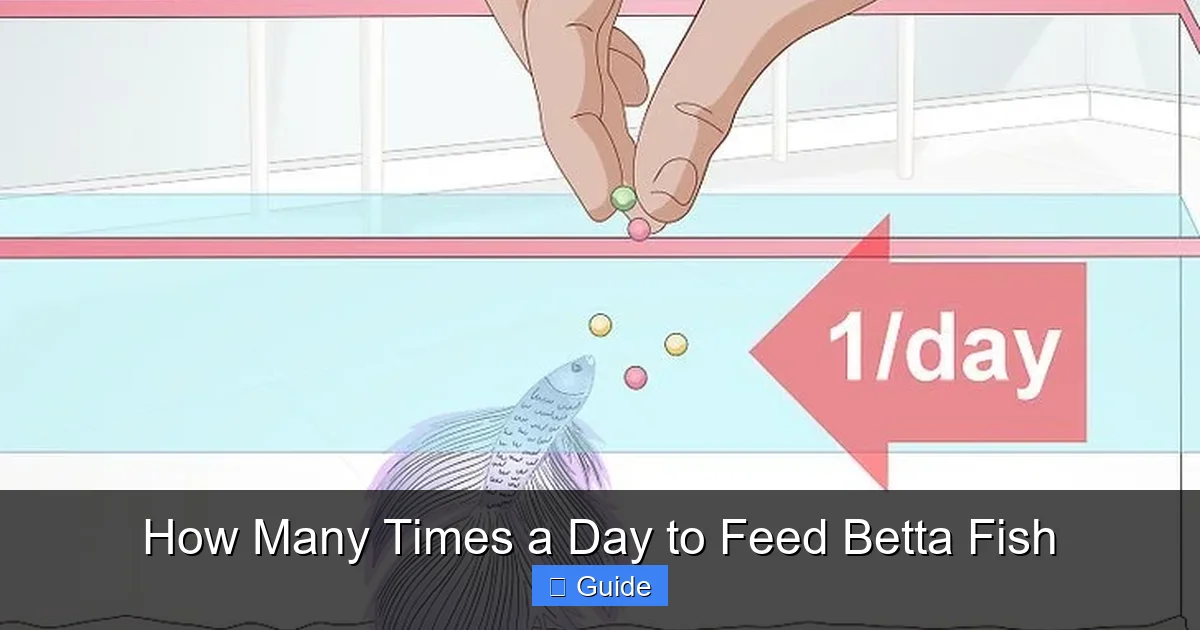
So, what is the definitive answer? For a healthy adult betta (over 6 months old) in a stable, heated tank, the ideal is once a day. This single, appropriately sized meal provides all the necessary nutrition without overburdening the digestive system or polluting the water. Many experienced keepers successfully use a schedule of one meal every other day, which more closely mimics natural feeding patterns and is exceptionally beneficial for fish prone to constipation.
Visual guide about How Many Times a Day to Feed Betta Fish
Image source: fishkeepingadvice.com
What About Feeding Twice a Day?
Feeding twice a day is acceptable, but it must be with drastically reduced portions. If you choose two feedings, each meal should be half the size of a recommended single daily portion. For example, if your betta should get 3 pellets total per day, that would be 1-2 pellets in the morning and 1-2 pellets in the evening. The risk with two feedings is the increased bioload (more waste) and the tendency for owners to overestimate “half” and end up doubling the total food intake. For most beginners and for maximum safety, sticking to one high-quality meal per day is the simplest and most effective practice.
Special Considerations: Fry and Juveniles
Baby bettas (fry) and growing juveniles have different needs. Their metabolisms are incredibly fast as they build new body tissue. They should be fed two to three times daily, but again, with extremely small amounts. Their food will be different too—infusoria, newly hatched brine shrimp, or powdered fry food. The key is constant, tiny meals to fuel growth without fouling their small nursery tanks. As they mature into adults (around 4-6 months), you must gradually reduce feeding frequency back to once daily to prevent the onset of adult obesity and related diseases.
The Power of the Weekly Fast
Regardless of your chosen daily schedule, implementing a 24-hour fast once per week is one of the best health practices you can adopt. This gives the digestive tract a complete rest, allows any minor gut inflammation to subside, and helps clear out any accumulated waste. It’s a natural reset. Your betta will not starve. In fact, this simulated “lean time” can improve its overall metabolism and appetite for the following days. Choose a consistent day, like the day you do your weekly water change, and simply skip the feeding.
More Than Frequency: Mastering Portion Size and Food Choice
Knowing how many times is only half the equation. The how much and what are equally, if not more, important. You could feed the perfect once-a-day schedule but ruin your betta’s health with oversized portions or poor-quality food.
Visual guide about How Many Times a Day to Feed Betta Fish
Image source: wikihow.com
The “Eye-Size” Rule: Your Ultimate Portion Guide
Forget vague terms like “a pinch.” Use this foolproof method: A single meal should not exceed the volume of your betta’s eyeball. Look at your fish. That’s it. For pellets, that’s typically 2-3 high-quality pellets. For frozen or freeze-dried foods (which expand when rehydrated), it’s an even smaller amount—a tiny fragment that, when soaked, would still be about eye-sized. If you have a large, giant betta, you might be able to offer 4-5 pellets, but the eye-size rule is an excellent starting point for 95% of bettas. When in doubt, always feed less. A slightly hungry betta is a healthy betta; an overfed one is at risk.
Choosing the Right Food: Building a Species-Appropriate Diet
Bettas are obligate carnivores. Their diet must be overwhelmingly animal-protein based. Look for a betta-specific pellet or granule as your staple. These are formulated with 40%+ protein from fish meal, shrimp meal, etc., and contain the necessary vitamins and minerals. Avoid generic tropical fish flakes; bettas often won’t eat them and they are nutritionally inadequate.
- Staple (80-90% of diet): High-quality betta pellets. Soak them briefly if your betta is prone to constipation.
- Supplement (10-20% of diet): Frozen or live foods. Excellent choices are bloodworms, brine shrimp, daphnia, or mysis shrimp. These provide essential nutrients and amino acids not always present in pellets and are excellent for conditioning breeding pairs. Feed these 1-2 times a week instead of pellets, not in addition to.
- Treats (Very Rarely): Freeze-dried foods. These can be given but must be pre-soaked in tank water for 5-10 minutes to prevent them from expanding in the betta’s stomach and causing blockages.
- Avoid: Plant-based foods, human food (even meat), and “betta treats” with fillers and dyes. Bettas cannot digest plant matter efficiently.
The Technique: How to Feed Properly and Monitor Your Fish
Feeding is not just about dumping food in the tank. It’s an opportunity to observe your fish and ensure the process is clean and effective.
Presentation Matters: Using a Feeding Ring
Bettas are surface feeders by nature. However, they can be messy, and pellets can scatter. Consider using a feeding ring—a suction cup ring that floats at the water line. Place the food inside the ring. This contains the pellets, making it easier for your betta to find them and preventing them from sinking into the substrate where they will rot. It also helps you see exactly what is eaten.
The 2-3 Minute Rule and Clean-Up Crew
Offer your measured portion. Watch your betta. It should actively seek and consume the food within 2-3 minutes. If it stops eating, the food is likely gone or it’s full. Any food remaining after this time is uneaten food and must be removed immediately using a net, siphon, or turkey baster. This is non-negotiable. Decaying food is the fastest way to spike ammonia and ruin water quality. A clean-up crew (like a small snail or shrimp) is not a substitute for your vigilance; they might not get all the food, and the food still pollutes the water before they eat it.
Observing for Fullness and Health
A healthy, well-fed betta will have a gently rounded belly after a meal, but not a swollen, tight, or distended abdomen. The body shape should be sleek and torpedo-like when viewed from above. You should see a distinct, smooth slope from the dorsal fin down to the caudal peduncle. A “pot-bellied” appearance is a classic sign of chronic overfeeding and/or constipation. Also, observe activity. A well-fed betta is curious, flares at its reflection, and has vibrant, extended fins. A lethargic, hiding betta that refuses food is a sign of illness, which could be water-quality related from overfeeding.
Special Cases and Common Challenges
Life isn’t always simple. What if your betta is a picky eater? What if it’s old? What about seasonal changes?
The “Picky Eater” Problem
Some bettas, especially wild-caught imports or newly acquired fish, may refuse pellets. First, ensure your food is appropriate—try soaking it in a bit of garlic juice (a natural appetite stimulant) or using a high-quality gel food. Try different brands; some pellets float, some sink. Offer a frozen food like brine shrimp as a “gateway” food to get them eating, then slowly introduce pellets mixed in. Never switch to a diet of only live foods long-term, as it can lead to nutritional deficiencies and make future transitions to pellets impossible. Persistence with a high-quality pellet is usually rewarded.
Adjusting for Age and Activity
An older betta (3+ years) has a slower metabolism. It may only want to eat every other day or a very small portion once a day. Follow its cues. A very active, large, or breeding betta may have a slightly higher metabolism and could benefit from a second, tiny meal. The key is to start with the standard “once a day, eye-sized portion” and then adjust based on observation. If your betta is consistently ravenous and lean after a week on one meal, you might cautiously increase the portion size slightly, not the frequency.
Seasonal and Temperature Considerations
Betta metabolism is directly tied to water temperature. In cooler water (below 76°F/24°C), their digestion slows dramatically. Feeding a normal portion in cold water is a recipe for constipation and bloat. If your tank is on the cooler side, reduce portion size and consider feeding every other day. Conversely, in the warm summer months (80-82°F/27-28°C), metabolism is peak, but the standard once-a-day rule still applies. Do not increase frequency simply because it’s warm; the risk of overfeeding remains.
Conclusion: The Path to a Vibrant, Healthy Betta
So, how many times a day should you feed your betta fish? The clear, evidence-based answer is: once a day for most adult bettas, with a weekly fast. This simple schedule respects their carnivorous biology, protects their sensitive digestive system, and is the most powerful tool you have to prevent the water quality disasters that claim so many betta lives.
Remember, feeding is not about filling a belly; it’s about providing complete, balanced nutrition in a way that mimics nature. Pair this precise schedule with high-quality food, strict portion control (the eye-size rule), and immediate removal of all leftovers. By doing so, you move beyond basic care into the realm of proactive, expert husbandry. You will be rewarded with a fish that displays its famous personality to the fullest, with fins as vibrant as a painter’s palette and a spirit as lively as its wild ancestors. Your betta’s health is in your hands, and it starts with understanding that less food is almost always more.
Frequently Asked Questions
Can I skip feeding my betta for a day or two if I’m going on vacation?
Yes, absolutely. Bettas can easily go 4-7 days without food. In fact, a short fast can be beneficial. The greater risk is having someone overfeed your tank while you’re away. It’s safer to leave your betta unfed than to rely on vacation feeders or well-meaning but inexperienced friends.
What are the absolute best foods for a betta fish?
The best diet starts with a high-quality, betta-specific pellet or granule as a daily staple. For variety and optimal health, supplement 1-2 times per week with frozen foods like daphnia, brine shrimp, or bloodworms. This combination provides complete proteins, essential fatty acids, and vitamins.
How can I tell if I’m overfeeding my betta?
Clear signs include a visibly swollen, pot-bellied appearance, constipation (stringy feces), lethargy, clamped fins, and poor water quality (cloudiness, algae blooms). The most immediate sign is food sinking to the bottom and remaining uneaten after 2-3 minutes. If you see leftover food, you have overfed.
My betta is spitting out its pellets. Is it full, or does it not like the food?
Bettas often take food into their mouth, taste it, and spit it out if they don’t recognize it as food or if the pellet is too large/hard. This doesn’t always mean they are full. Try soaking the pellets for a minute to soften them, or try a different brand. If the behavior persists with frozen foods, it could indicate a dental issue or internal blockage, and you should fast the fish for a few days and monitor closely.
Is it okay to feed my betta live foods like mosquito larvae or fruit flies?
Yes, live foods are an excellent, nutritious supplement. Mosquito larvae (wrigglers) and small fruit flies are fantastic. However, live foods should never be the sole diet due to nutritional imbalances and the risk of introducing parasites or diseases. Always source live foods from a clean, controlled culture or a reputable pet store. Use them as a treat 1-2 times a week.
My betta’s tank is heavily planted with a filter. Do I still need to worry so much about overfeeding?
Yes, even more so. While plants can absorb some nutrients from decaying food, the primary pollution occurs in the water column as the food breaks down, releasing ammonia. A filter may process this, but it creates an enormous bioload spike that can overwhelm even a cycled filter, harming your betta. The rule to remove all uneaten food within minutes is absolute, regardless of tank setup. Plants are not a garbage disposal.