Can Betta Fish Eat Baby Shrimp
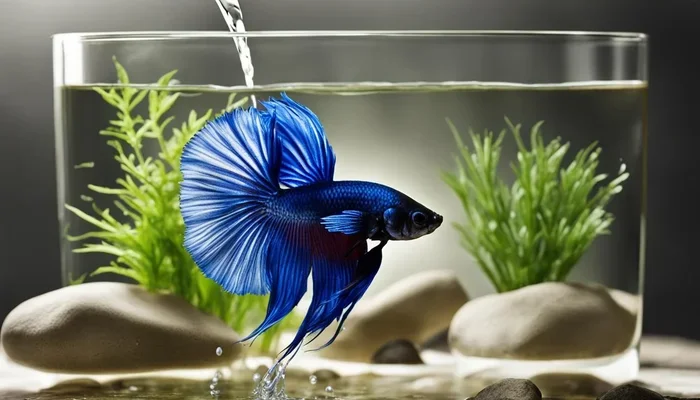
Betta fish are opportunistic predators and will often go after tiny live foods like baby shrimp. However, whether you should feed them these delicate creatures depends on the shrimp’s size, the betta’s temperament, and your tank setup. Read on for practical advice on safely offering baby shrimp to your betta.
Key Takeaways
- Betta diet basics: Bettas thrive on protein‑rich foods such as live or frozen brine shrimp, daphnia, and high‑quality pellets.
- Size matters: Baby shrimp smaller than 2 mm are easy for most bettas to swallow; larger ones may trigger aggression.
- Tank conditions affect behavior: A well‑planted, low‑stress environment reduces the chance of a betta attacking shrimp.
- Feeding frequency: Offer baby shrimp 2‑3 times a week as a supplement, not as the sole diet.
- Safety first: Always quarantine new shrimp and rinse them to avoid introducing parasites.
- Compatibility: Some bettas coexist peacefully with adult shrimp, but baby shrimp are often at higher risk.
- Observation is key: Watch your betta’s reaction each time you introduce shrimp and adjust accordingly.
📑 Table of Contents
- Introduction: Why the Question Matters
- 1. Betta Fish Feeding Habits and Natural Diet
- 2. Baby Shrimp: Size, Species, and Nutritional Value
- 3. Can Betta Fish Eat Baby Shrimp? The Science
- 4. Feeding Baby Shrimp Safely
- 5. Tank‑Mate Compatibility: Baby Shrimp and Bettas Together
- 6. Monitoring Health and Water Quality
- Conclusion: Making the Right Choice for Your Aquarium
Introduction: Why the Question Matters
If you’ve ever watched a betta dart after a tiny speck of movement, you’ve probably wondered, “Can betta fish eat baby shrimp?” The answer isn’t a simple yes or no. Bettas are natural hunters, and a live, wriggling shrimp can be irresistible. At the same time, shrimp are delicate, and many hobbyists keep them for the clean‑up crew they provide.
Understanding the interaction between bettas and baby shrimp helps you make two important decisions: (1) whether to use baby shrimp as a nutritious treat, and (2) whether you can keep shrimp and bettas together in the same community tank. In this guide we’ll break down the biology, feeding strategies, and tank‑setup tips you need to know.
1. Betta Fish Feeding Habits and Natural Diet
Wild ancestors and protein cravings
Betta splendens originated in shallow Thai rice paddies where insects, larvae, and tiny crustaceans were abundant. Their mouths are built for snatching and swallowing prey whole, so protein is the cornerstone of their diet.
What bettas prefer in captivity
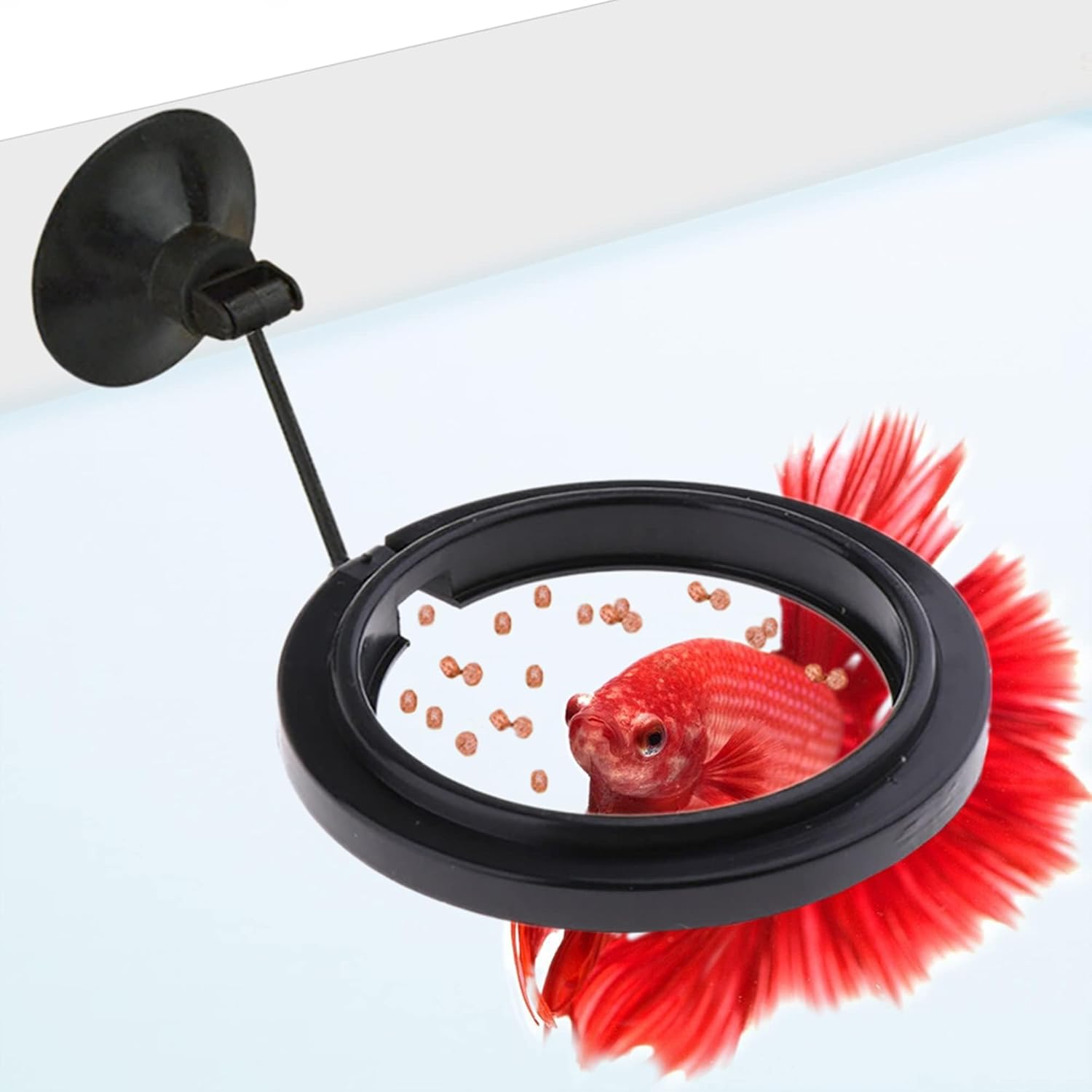
In the aquarium trade, bettas are offered pellets, frozen foods, and live treats. Live foods—especially brine shrimp and daphnia—trigger the most enthusiastic feeding response because they move.
For a deeper dive into betta menu options, see our article on what can betta fish eat. It outlines the best commercial and natural foods to keep your fish healthy.
2. Baby Shrimp: Size, Species, and Nutritional Value
Common baby shrimp types for aquariums
- Neocaridina (Cherry, Blue, etc.) – hatchlings are 1‑2 mm long and turn translucent within days.
- Caridina (Crystal, Tiger) – slightly larger at hatch, but still tiny enough for bettas to target.
- Freshwater brine shrimp (Artemia nauplii) – technically not “shrimp” but often sold as baby shrimp for fry.
Why baby shrimp are a good protein source
They are rich in essential amino acids, omega‑3 fatty acids, and calcium. A handful of live baby shrimp can provide a betta with the same nutritional punch as a high‑quality pellet, plus the mental stimulation of hunting.
Visual guide about Can Betta Fish Eat Baby Shrimp
Image source: image.slidesharecdn.com
3. Can Betta Fish Eat Baby Shrimp? The Science
Physical ability to swallow
Bettas have a relatively short, up‑turned mouth that creates suction. Anything smaller than the width of their mouth opening—usually under 3 mm—can be swallowed whole. Baby shrimp fall well within this range, so most bettas can physically eat them.
Visual guide about Can Betta Fish Eat Baby Shrimp
Image source: us.rule34.xxx
Behavioral tendencies
While many bettas will eagerly snap at baby shrimp, some may ignore them if they are already well‑fed or if the shrimp are too slow. Aggression spikes when a betta feels its territory is threatened, which can happen if shrimp are introduced without proper hiding places.
Read more about the general predatory nature of bettas in can betta fish eat shrimp, which discusses larger shrimp but reinforces the same principles.
4. Feeding Baby Shrimp Safely
How to prepare shrimp for your betta
- Rinse: Place the shrimp in a fine mesh and rinse with dechlorinated water to remove any debris.
- Quarantine: Keep new shrimp in a separate container for 24‑48 hours to watch for disease.
- Size check: Use a magnifying glass; aim for shrimp under 2 mm for the safest betta feed.
Feeding schedule and portion control
Offer 3‑5 baby shrimp per feeding, 2‑3 times a week. Over‑feeding can cause water quality issues and may lead the betta to become picky.
Alternatives if your betta refuses
If your betta turns its nose up, try slightly larger live foods like frozen daphnia or a small piece of high‑protein pellet. You can also gently move the shrimp near the surface with a pair of tweezers to encourage a strike.
5. Tank‑Mate Compatibility: Baby Shrimp and Bettas Together
Risk assessment
Baby shrimp are the most vulnerable stage. Even a normally peaceful betta may see them as easy prey. If you plan a community tank, consider the following:
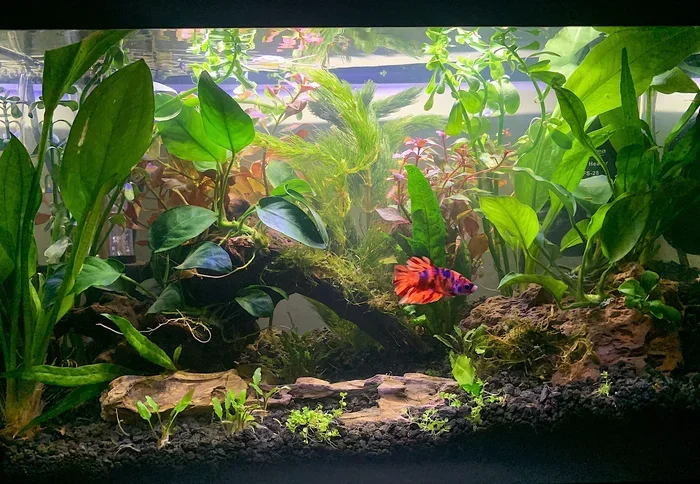
- Plant cover: Dense foliage (Java moss, Anubias) gives shrimp places to hide.
- Tank size: A 10‑gallon (38 L) minimum gives both species enough space.
- Betta personality: Some males are more territorial; females often show less aggression.
Successful setups
Many hobbyists report success when keeping adult shrimp with a betta, especially when the shrimp are introduced after the betta is settled. For more detailed compatibility advice, see can you keep betta fish with shrimp. It outlines tank‑setup tricks that reduce predation.
When to avoid mixing
If your betta has a history of eating tank mates, or if you have a small, bare‑bottom tank, it’s safest to keep shrimp in a separate refugium or a breeding box.
6. Monitoring Health and Water Quality
Why baby shrimp can affect water parameters
Live foods decompose quickly. Adding a few baby shrimp will raise ammonia slightly, so be prepared to do a small water change (10‑15 %) after feeding.
Signs of stress in bettas
- Faded colors or clamped fins
- Loss of appetite after a few feedings
- Excessive hiding or frantic swimming
Signs of stress in shrimp
Look for lethargy, missing individuals, or a milky appearance on the exoskeleton, which can indicate poor water conditions.
Conclusion: Making the Right Choice for Your Aquarium
In short, yes—betta fish can eat baby shrimp, and many will do so with gusto. The key is to balance nutrition, safety, and tank dynamics. If you decide to feed baby shrimp, do it sparingly, keep the shrimp tiny, and always provide plenty of hiding places. If you want a community tank, consider adult shrimp or a heavily planted setup to give the shrimp a fighting chance.
Remember, every betta has a unique personality. Observe, adjust, and enjoy the interactive feeding experience that comes with offering live, moving food. Happy fishkeeping!
Frequently Asked Questions
Can a betta eat baby shrimp without harming the shrimp?
Yes, a betta can swallow baby shrimp whole, but the shrimp will not survive. The act of eating is fatal to the shrimp.
How often should I feed baby shrimp to my betta?
Offer 2‑3 times per week, with 3‑5 shrimp per feeding. This provides protein without overloading the tank.
Will my betta become dependent on live shrimp?
No. Live shrimp should be a supplement. A balanced diet of high‑quality pellets and occasional frozen foods keeps your betta healthy.
Can I keep baby shrimp in the same tank as an adult betta?
It’s risky. Baby shrimp are easy prey, so most hobbyists keep them separate or use a shrimp‑only refugium.
What should I do if my betta ignores the shrimp?
Try gently moving the shrimp near the surface with tweezers, or offer a slightly larger live food to spark interest.
Do baby shrimp affect water quality?
Yes, they decompose quickly. Perform a small water change after feeding and monitor ammonia levels.