Betta fish are often called “solo swimmers,” but with the right tank size, gender mix, and careful planning, they can share a home. This guide explains when and how bettas can live together, what to avoid, and the best tank‑mate choices for a stress‑free aquarium.
Key Takeaways
- Size matters: A minimum of 20‑gal is recommended for any multi‑betta setup.
- Gender rules: Male‑male pairings are generally unsafe; female‑female or mixed groups can work with space.
- Tank layout: Plenty of hiding spots and visual barriers reduce aggression.
- Water quality: Stable parameters and regular changes are crucial for all bettas.
- Compatible tank‑mates: Peaceful bottom‑feeders, snails, and shrimp often coexist well.
- Observation is key: Watch for fin nipping, color fading, or stressed behavior.
- Start slow: Quarantine new bettas and introduce them gradually to avoid shock.
📑 Table of Contents
- Introduction: The Myth of the Lonely Betta
- Understanding Betta Behavior
- How Big Is Big Enough?
- Gender Combinations and Their Pros/Cons
- Designing a Peaceful Betta Community Tank
- Tank‑Mate Compatibility
- Monitoring Health and Behavior
- Step‑by‑Step Guide to Introducing Multiple Betta Fish
- Conclusion: A Balanced Community Is Possible
Introduction: The Myth of the Lonely Betta
When you first see a betta flaring its giant fins, the instinct is to give it a tiny bowl and call it a day. That image has been cemented in popular culture for decades. But the truth is a bit more nuanced. Betta fish (Betta splendens) are native to the shallow, vegetation‑rich waters of Southeast Asia, where they often encounter other fish and invertebrates.
So, can betta fish be in the same tank together? The answer is yes—under the right conditions. This article walks you through everything you need to know, from gender dynamics to tank design, and even which other creatures can share the space.
Understanding Betta Behavior
Territorial instincts
Male bettas are famously territorial. In the wild, a male will defend a small stretch of water that contains a bubble nest and a few hiding places. When you squeeze two males into a 5‑gal bowl, you’re essentially putting two kings in a throne room that only fits one.
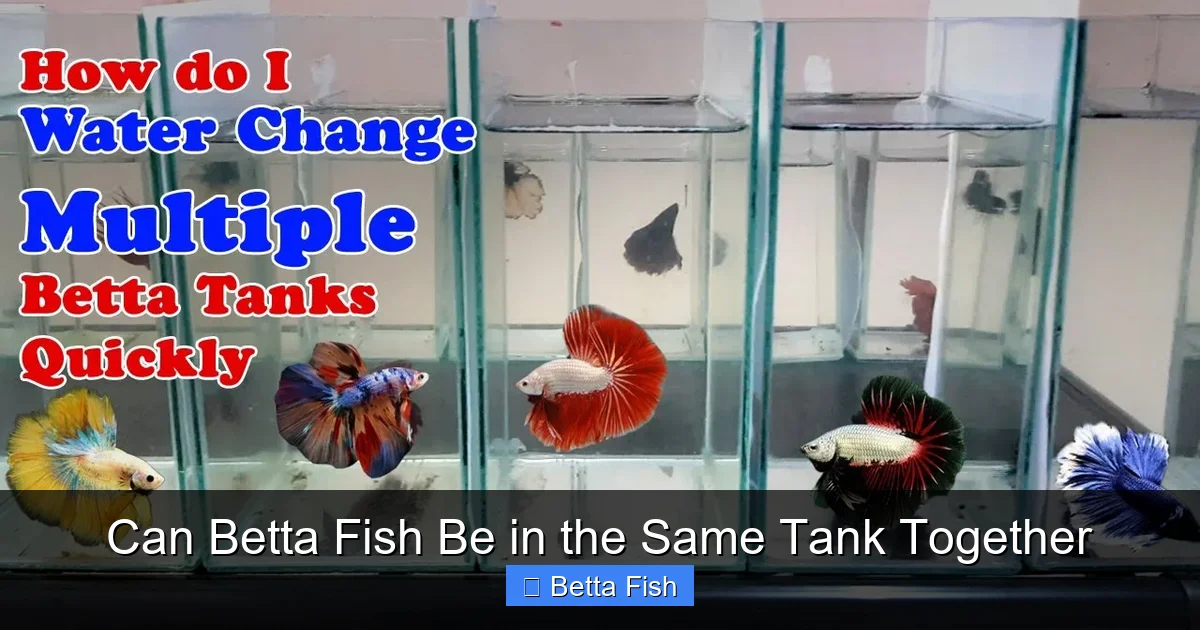
Visual guide about Can Betta Fish Be in the Same Tank Together
Image source: i.ytimg.com
Why females are different
Female bettas are less aggressive, but they still have a hierarchy. In a group of several females, a “pecking order” forms, and dominant individuals may chase the weaker ones. This is why a well‑planted, spacious tank can keep peace among females.
Mixed‑gender groups
Putting a male with a female can work if the tank is large enough and there are plenty of plants or décor to break line of sight. However, the male may try to build a bubble nest and become overly protective, which can stress the female.
How Big Is Big Enough?
Minimum tank size
For any multi‑betta setup, aim for at least a 20‑gallon long tank. This gives each fish roughly 5‑6 gallons of personal space, plus room for plants, caves, and driftwood.

Visual guide about Can Betta Fish Be in the Same Tank Together
Image source: petshun.com
Shape matters
A long, rectangular tank is better than a tall, narrow one. The extra length allows you to place visual barriers—such as tall plants or bamboo stalks—between bettas, reducing direct eye contact.
Filtration and flow
Betas prefer gentle water movement. Use a sponge filter or a power filter with a diffuser to create a soft current. Strong flow can stress the fish and make them more aggressive.
Gender Combinations and Their Pros/Cons
Male‑Male Pairings
Generally a no‑go. Even with a 30‑gallon tank, two males will often flare, chase, and may even kill each other. If you’re determined, you can try a “divided tank” using a clear acrylic barrier, but this defeats the purpose of a shared community.

Visual guide about Can Betta Fish Be in the Same Tank Together
Image source: petshun.com
Female‑Female Communities
Three to six females can live together peacefully if the tank is large and heavily planted. Provide plenty of floating plants and leaf litter to give each fish a place to hide.
Male‑Female Pairs
This is the most common “community” setup. Keep the male at one end and the female at the other, with lots of plants in between. Watch for signs of the male becoming over‑protective of his bubble nest.
Mixed Groups (Multiple Males & Females)
In a 30‑gallon or larger tank, you can keep a small harem: one dominant male with several females. This mimics their natural breeding system, but you must be ready to remove the male if aggression spikes.
Designing a Peaceful Betta Community Tank
Plants and Hiding Spots
Live plants like Java fern, Anubias, and Cryptocoryne not only improve water quality but also break sight lines. Add caves, PVC pipes, and driftwood to create “rooms” for each fish.
Visual Barriers
Use tall plants or decorative screens to segment the tank into zones. This technique is especially helpful when keeping a male and female together.
Substrate and Decoration
A fine sand or smooth gravel substrate mimics the soft riverbeds bettas love. Scatter leaf litter or smooth river stones for extra texture.
Lighting
Betta fish enjoy a regular day/night cycle. Provide 8‑10 hours of soft LED light and a dim night period. Too much bright light can make them more territorial.
Tank‑Mate Compatibility
Peaceful fish species
Small, non‑aggressive fish such as neon tetras, ember tetras, and rasboras can coexist if the tank is large enough and the bettas are not overly territorial. Always research the adult size of any new fish.
Invertebrates
Snails and shrimp are excellent companions. Snails can be in a tank with betta fish because they help clean algae and are generally ignored by bettas. Just make sure the snails are large enough not to be seen as food.
Avoid fin‑nippers
Stay away from larger, fast‑moving species like guppies or barbs, which may trigger a betta’s defensive instincts.
Monitoring Health and Behavior
Signs of stress
- Faded colors or torn fins.
- Constant flaring without a clear trigger.
- Loss of appetite.
Water tests
Check ammonia, nitrite, and nitrate weekly. Keep temperature between 76‑82°F (24‑28°C) and pH around 6.5‑7.5.
When to intervene
If aggression escalates, be ready to separate the fish quickly. A spare quarantine tank can save a wounded betta.
Step‑by‑Step Guide to Introducing Multiple Betta Fish
1. Quarantine new arrivals
Keep each new betta in a separate hospital tank for at least two weeks to monitor for disease.
2. Prepare the community tank
Set up plants, décor, and a gentle filter. Cycle the tank fully (ammonia → nitrite → nitrate) before adding any fish.
3. Gradual introduction
Use a clear plastic bag to float the new betta in the main tank for 15‑20 minutes. This lets them get used to the water chemistry and visual layout without direct contact.
4. Release with care
Turn off the lights for a few minutes, then gently slide the betta out of the bag near a plant or decoration. Turn the lights back on and observe.
5. Monitor daily
Watch for any signs of aggression for the first 48 hours. Adjust décor or move fish if needed.
Conclusion: A Balanced Community Is Possible
While betta fish are famous for their solitary nature, a well‑planned aquarium can host multiple bettas and even a few peaceful tank‑mates. The key ingredients are a spacious tank, plenty of hiding places, and careful attention to gender dynamics. By following the steps outlined above, you’ll create a vibrant, low‑stress environment where your bettas can show off their brilliant colors and graceful fins—together.
Frequently Asked Questions
Can I keep two male betta fish in the same tank?
Usually not. Male bettas are highly territorial and will fight, even in larger tanks. A divided tank or a very large, heavily planted setup may reduce aggression, but it’s risky.
Are female betta fish less aggressive than males?
Yes, females are generally calmer, but they still establish a hierarchy. In a properly sized, planted tank, several females can coexist peacefully.
What size tank is recommended for multiple betta fish?
A minimum of 20 gallons is advised for any group of bettas. Larger tanks (30‑40 gallons) provide more safety zones and allow for additional peaceful tank‑mates.
Can betta fish live with snails?
Absolutely. Snails help clean algae and are usually ignored by bettas. Just choose a species large enough not to be seen as food, like Nerite or Mystery snails.
How do I know if my betta is stressed?
Look for faded colors, torn fins, constant flaring, or loss of appetite. Stress often indicates poor water quality or aggression from tank‑mates.
Is it safe to keep bettas with small tetras?
In a spacious, well‑planted tank, peaceful tetras can coexist with bettas, but always monitor for fin nipping. Avoid fast‑moving or brightly colored fish that may trigger a betta’s defensive behavior.

