Betta fish can eat tropical fish food, but not all types are ideal. Choose high‑protein, small‑flake or pellet diets designed for carnivorous species, and supplement with occasional live or frozen treats. Follow proper feeding practices to avoid digestive issues and keep your betta thriving.
Key Takeaways
- Betta’s natural diet: In the wild they eat insects and larvae, so protein‑rich foods are best.
- Flake vs. pellet: Small, sinking pellets mimic their natural feeding habits better than large floating flakes.
- Occasional treats: Live or frozen brine shrimp, daphnia, and bloodworms add variety and nutrition.
- Avoid over‑feeding: One to two teaspoons per day is enough; excess food pollutes the tank.
- Check labels: Look for “betta” or “carnivore” on tropical fish food packages.
- Monitor health: Watch for bloating, faded colors, or fin rot as signs of a poor diet.
- Internal resources: Our guides on betta nutrition and compatible foods can help you choose the right feed.
📑 Table of Contents
- Introduction: Why the Question Matters
- 1. Understanding a Betta’s Natural Diet
- 2. Types of Tropical Fish Food and Their Suitability
- 3. Can Betta Eat Tropical Fish Food? The Verdict
- 4. How to Transition Your Betta to a New Food
- 5. Feeding Frequency and Portion Sizes
- 6. Common Mistakes and How to Avoid Them
- Conclusion: Feeding Your Betta Right
Introduction: Why the Question Matters
When you first bring a betta home, the most common dilemma is “what should I feed it?” Many hobbyists already have tropical fish food on hand for guppies, tetras, or neon fish. It’s tempting to pour the same flakes or pellets into the betta’s bowl, but bettas have very specific dietary needs.
This article answers the core question – can betta eat tropical fish food – and walks you through the safest choices, the foods to avoid, and practical feeding tips. By the end, you’ll feel confident that your betta’s menu supports vibrant colors, strong fins, and a long, healthy life.
1. Understanding a Betta’s Natural Diet
Wild ancestors and protein needs
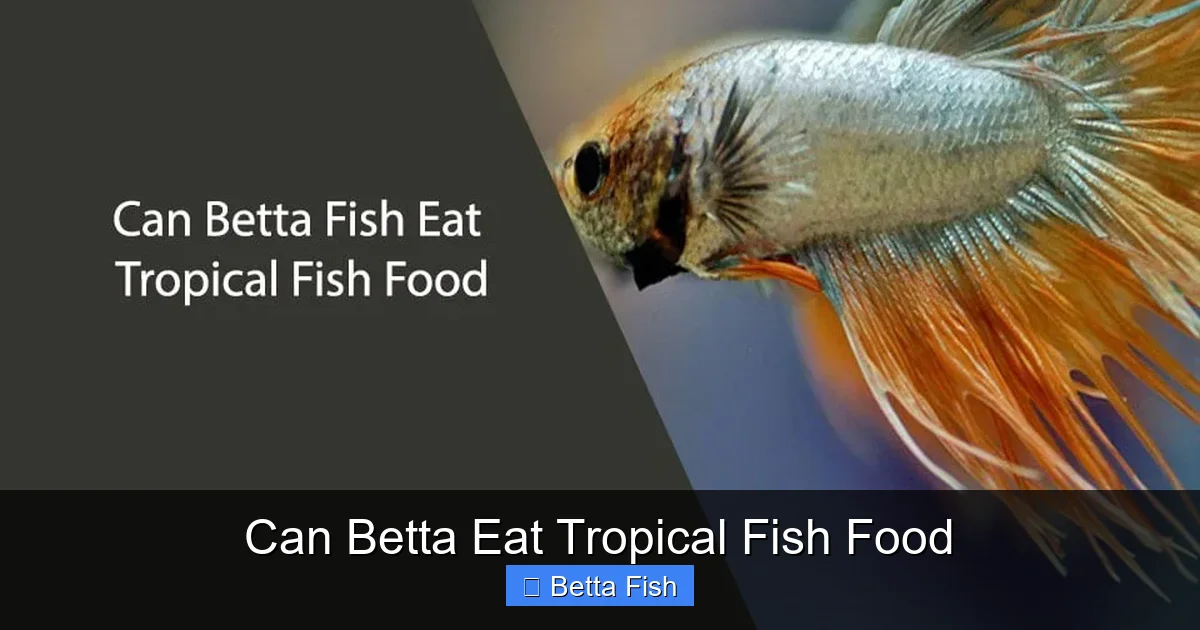
Betta fish (Betta splendens) originate from shallow, slow‑moving waters of Thailand and Cambodia. In those habitats they hunt insects, mosquito larvae, and tiny crustaceans that float on the surface. This makes them obligate carnivores – they thrive on high‑protein meals and have a short digestive tract built for quick processing.
Visual guide about Can Betta Eat Tropical Fish Food
Image source: efindanything.com
How that translates to tank life
In captivity, the goal is to replicate that protein punch while keeping feeding convenient. Commercial betta foods are formulated with 30‑50% protein, often from fish meal, shrimp powder, or insect extracts. Tropical fish foods aimed at omnivorous species usually contain more plant matter and lower protein levels, which can be insufficient for a betta’s growth and coloration.
2. Types of Tropical Fish Food and Their Suitability
Flakes
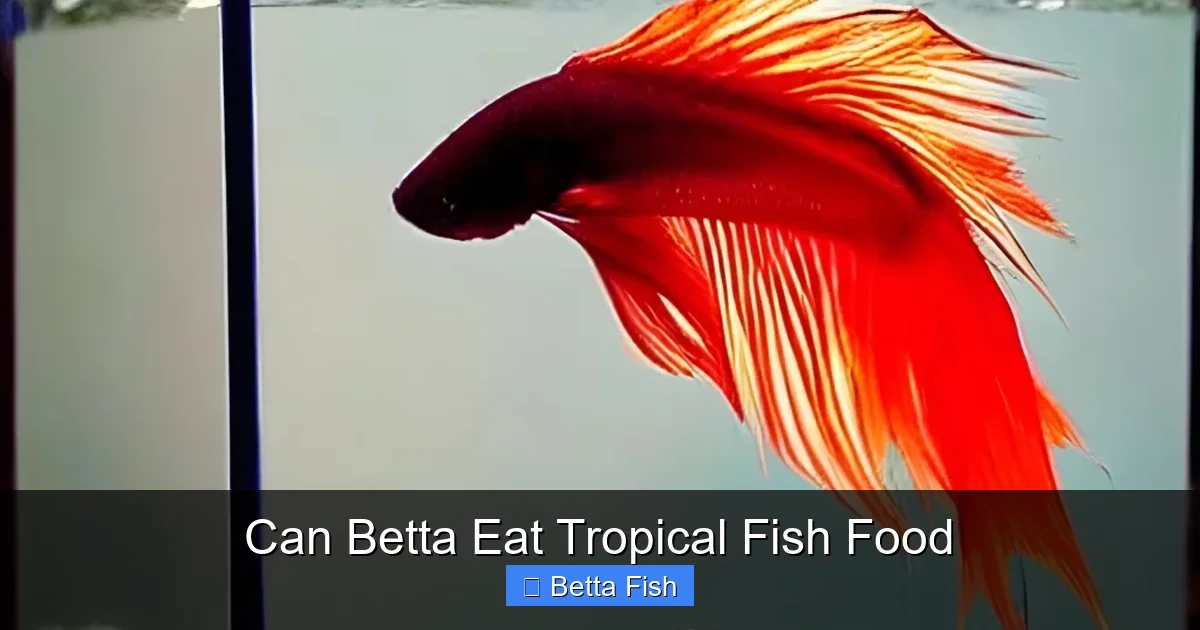
Standard tropical flakes are designed to float, allowing surface‑dwelling fish to eat. Most flakes are larger than a betta’s mouth and contain a mix of plant and animal ingredients. While a betta can technically swallow a few flakes, the size and low protein make them a poor staple.
Visual guide about Can Betta Eat Tropical Fish Food
Image source: tankofish.com
Pellets
Sinking or slow‑sinking pellets work better because they sit near the bottom where bettas naturally feed. Look for “betta,” “carnivore,” or “high protein” on the label. Pellets that are 2‑3 mm in diameter are ideal; larger ones can cause choking or be ignored.
Specialty tropical diets
Some manufacturers produce “tropical fish food for carnivores.” These blends often combine small pellets with freeze‑dried protein treats. When the packaging explicitly mentions bettas or “aggressive eaters,” they are generally safe.
Live and frozen foods
Brine shrimp, daphnia, microworms, and bloodworms are excellent supplements. They mirror the betta’s natural prey and boost color vibrancy. Always thaw frozen foods to room temperature and rinse live foods to avoid introducing parasites.
What to avoid
- Large floating flakes designed for herbivorous tetras.
- Food with excessive vegetable fillers (e.g., spirulina >30%).
- Flavored or scented foods that contain artificial additives.
3. Can Betta Eat Tropical Fish Food? The Verdict
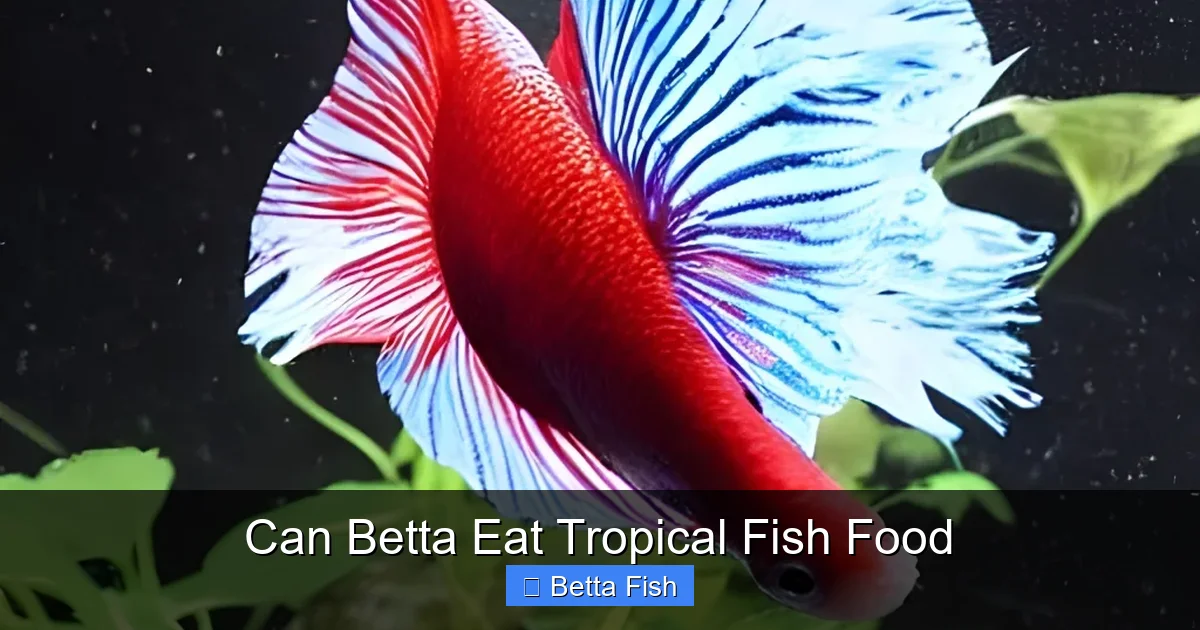
The short answer: yes, a betta can eat certain tropical fish foods, but you must choose the right kind. High‑protein, small‑flake or pellet formulations made for carnivorous or “betta‑compatible” species are safe. Low‑protein, large floating flakes should be avoided.
Visual guide about Can Betta Eat Tropical Fish Food
Image source: tankofish.com
For a deeper dive into specific brands and comparisons, see our article on Can Betta Fish Eat Tropical Flakes. It breaks down which commercial flakes meet the protein threshold and which do not.
4. How to Transition Your Betta to a New Food
Step‑by‑step feeding plan
- Start slow: Mix 75% of the current food with 25% of the new tropical pellet for two days.
- Increase ratio: Shift to a 50/50 mix for the next three days.
- Full switch: After a week, feed only the new pellet or small‑flake diet.
Signs of a successful transition
- Active swimming and frequent surface visits.
- Bright, vivid coloration without faded patches.
- Clear, firm stools (betta waste should be small and dark).
When to revert
If you notice bloating, lethargy, or a loss of appetite, revert to the previous diet for a day and then try a different brand. Some bettas are picky and may prefer a specific protein source.
5. Feeding Frequency and Portion Sizes
How much is enough?
Betta metabolisms are fast. A general rule is 2‑3 small pellets (or a pinch of flakes) twice daily. For live foods, a few shrimp or a small spoonful of frozen bloodworms per feeding is sufficient.
Why over‑feeding is harmful
Excess food sinks and decomposes, raising ammonia levels and stressing your betta’s gills. Over‑feeding also leads to obesity, which can cause swim‑bladder issues and shortened lifespan.
Practical tip
Use a timer or set a reminder on your phone. Consistency helps both you and your fish develop a routine.
6. Common Mistakes and How to Avoid Them
Feeding the wrong type of tropical food
As mentioned, not all tropical flakes are created equal. If you’re unsure, check our guide on Can You Feed Betta Fish Tropical Fish Food for a quick checklist.
Ignoring water quality
Even the best diet won’t help a betta in dirty water. Perform 25‑30% water changes weekly and test for nitrate and ammonia.
Skipping variety
Betta fish can become bored with a single food source. Rotate between pellets, freeze‑dried brine shrimp, and occasional live foods to keep their appetite strong.
Conclusion: Feeding Your Betta Right
In summary, can betta eat tropical fish food? Yes—provided the food is high in protein, appropriately sized, and formulated for carnivorous species. Pair a quality pellet or small‑flake diet with regular live or frozen treats, feed twice a day, and keep the tank clean. By respecting your betta’s natural hunting instincts, you’ll enjoy a fish that flaunts brilliant colors, strong fins, and a lively personality for years to come.
Frequently Asked Questions
Can I feed my betta regular tropical flakes?
Only if the flakes are marketed for carnivorous fish and are small enough for a betta’s mouth. Most standard tropical flakes are too large and low in protein.
How often should I feed my betta?
Feed two small meals per day—about 2‑3 pellets or a pinch of flakes each time. Adjust if you notice leftovers.
Is it safe to give my betta frozen brine shrimp?
Yes. Thaw the shrimp to room temperature, rinse, and feed a few pieces 2‑3 times a week as a protein boost.
What are the signs of over‑feeding?
Bloated abdomen, cloudy water, and reduced activity are common indicators. Reduce portions and increase water changes if you see these signs.
Can bettas eat plant‑based tropical foods?
Betas can nibble on a tiny amount of plant matter, but it should never be the main component of their diet.
Where can I find the best betta‑specific tropical food?
Look for reputable brands that label the product for “betta,” “carnivore,” or “high protein.” Our article What Can Betta Fish Eat lists several trusted options.

