Can Any Fish Go with a Betta
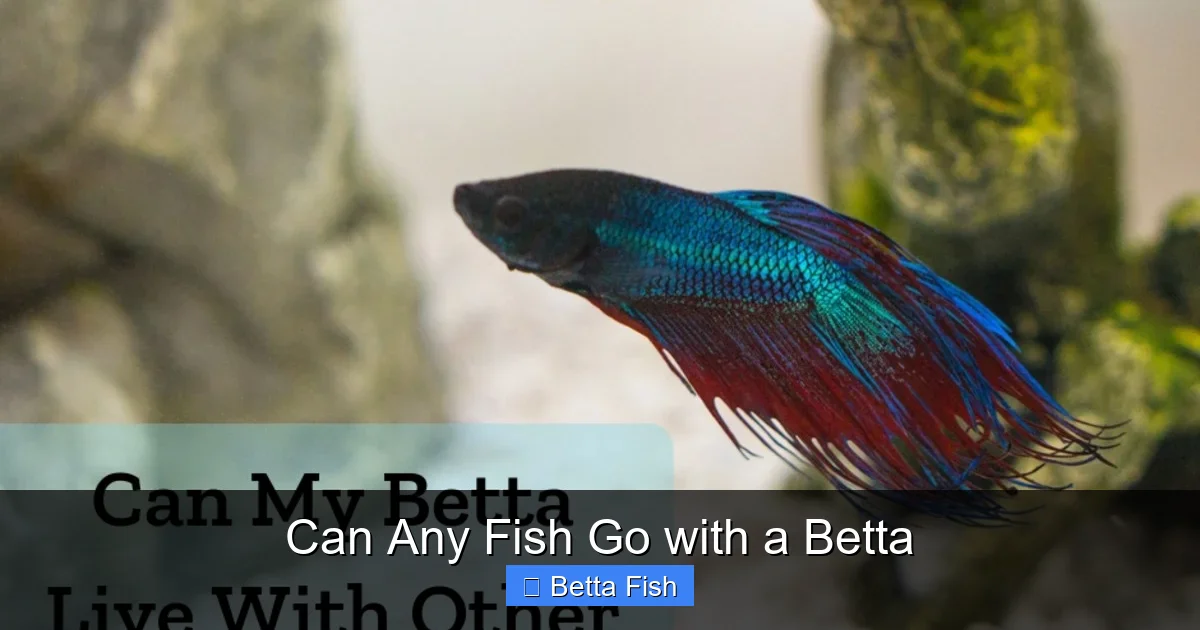
Can any fish go with a betta? The short answer is no—betta temperament, tank size, and water conditions dictate compatible companions. This guide breaks down the science, offers proven tank‑mate picks, and shows you how to create a thriving community that keeps both your betta and its neighbors stress‑free.
Key Takeaways
- Temperament matters: Male bettas are territorial, females are more social, but both need careful selection of tank mates.
- Size and speed count: Small, slow‑moving fish are less likely to trigger a betta’s aggression.
- Water parameters must match: Keep temperature, pH, and hardness consistent for all species.
- Tank size is critical: A minimum of 10 gallons gives a betta room to establish a territory.
- Introduce slowly: Use a quarantine tank or a divider to let fish get used to each other.
- Watch for signs: Faded fins, hiding, or constant chasing signal incompatibility.
- Alternative companions: Snails and shrimp can work well when you’re not ready for other fish.
📑 Table of Contents
- Introduction: Why the Question Matters
- Understanding Betta Behavior
- Tank Size and Setup: The Foundation for Compatibility
- Which Fish Can Actually Live With a Betta?
- Step‑by‑Step: Introducing New Tank Mates
- Alternative Companions: Snails and Shrimp
- Common Mistakes and How to Fix Them
- Conclusion: Can Any Fish Go With a Betta?
Introduction: Why the Question Matters
Betta fish—often called Siamese fighting fish—are famous for their vivid colors and dramatic fins. That fame brings a common question from new hobbyists: Can any fish go with a betta? The answer isn’t a simple “yes” or “no.” It depends on the betta’s gender, personality, tank size, and the water conditions you can provide.
Most beginners start with a single betta in a small bowl, then wonder if adding a friendly guppy or a shy snail will make the tank look more lively. While the idea of a community tank is appealing, a mismatched roommate can lead to torn fins, stress, and even death. This article walks you through the science of compatibility, shares proven tank‑mate choices, and gives step‑by‑step tips to keep the peace.
Understanding Betta Behavior
Male vs. Female Betta Temperament
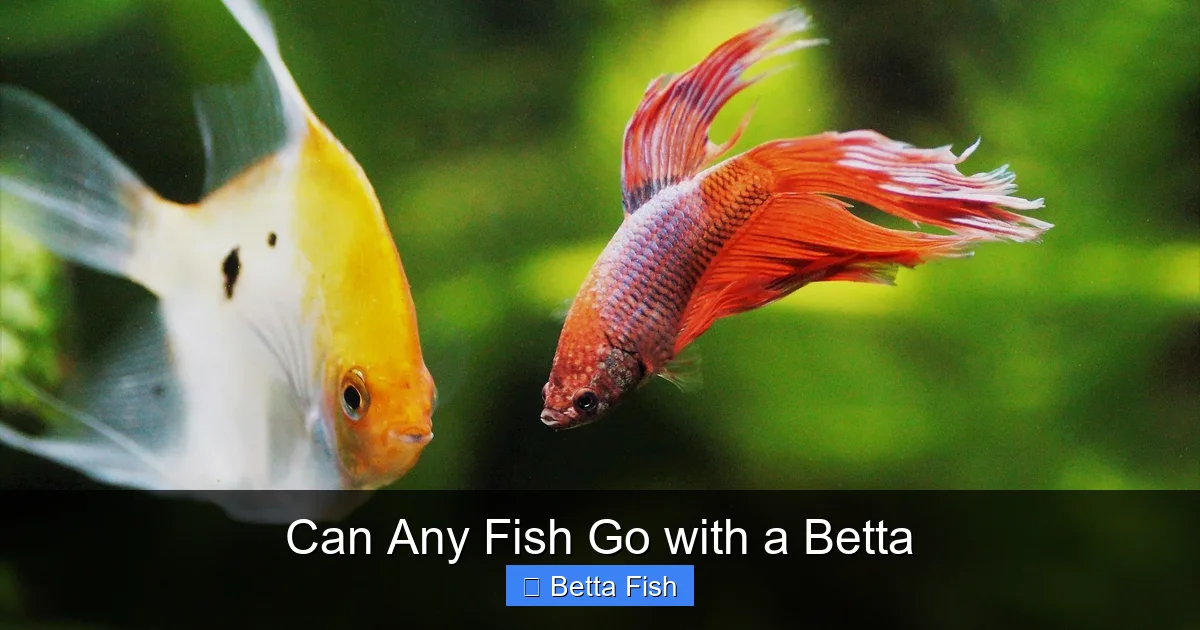
Male bettas are naturally aggressive toward anything that resembles another male—bright colors, flowing fins, or even a similarly sized body. Females, on the other hand, are more social and can live in small groups called sororities, but they still have a hierarchy that can cause occasional bullying.
Visual guide about Can Any Fish Go with a Betta
Image source: peta.org
Territorial Needs
In the wild, bettas defend a stretch of shallow water filled with plants and hiding spots. In an aquarium, they need at least a few “zones” where they can claim a perch, a plant, or a cave. If the tank is too cramped, any newcomer will be seen as an intruder.
Stress Signals
Watch for faded or clamped fins, rapid gill movement, and hovering near the surface. These are signs your betta is stressed and may turn aggressive. Recognizing these early helps you intervene before injuries occur.
Tank Size and Setup: The Foundation for Compatibility
Why 10 Gallons Is the Sweet Spot
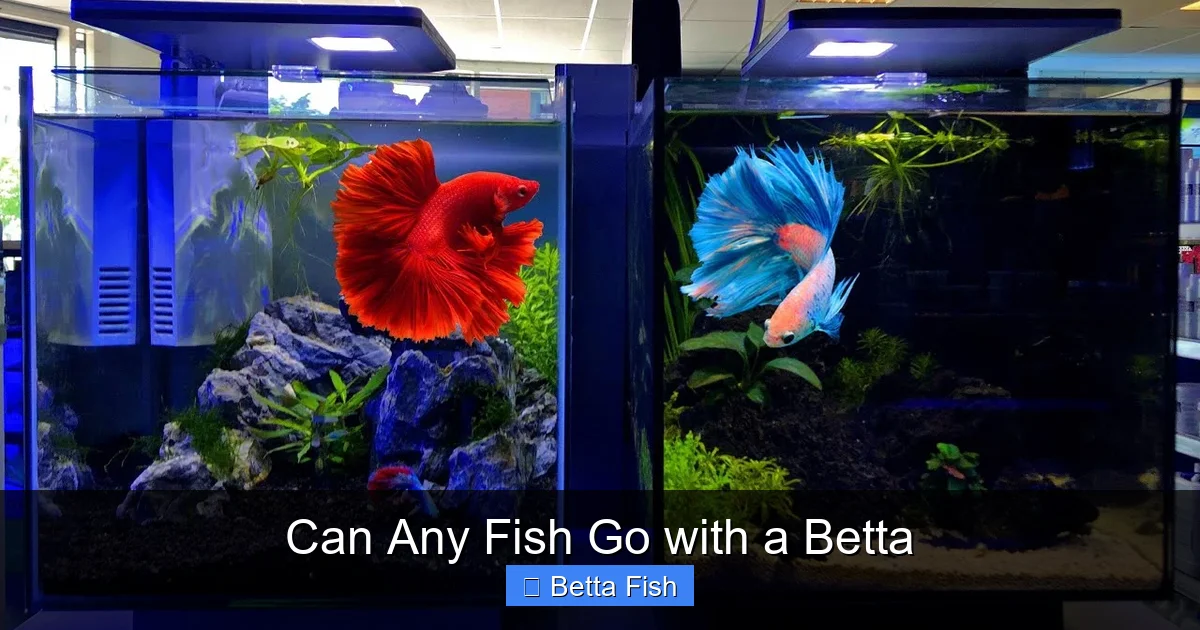
While a 2‑gallon “betta bowl” may look cute, it offers no room for a community. A minimum of 10 gallons (about 38 liters) provides enough horizontal space for a betta to establish a territory and for other fish to swim without constantly crossing paths.
Visual guide about Can Any Fish Go with a Betta
Image source: ouraquariumlife.com
Filtration and Flow
Betas prefer calm water with gentle flow. A sponge filter or a low‑speed hang‑on‑back unit works well. Too strong a current can stress the betta and cause it to hide.
Plants and Hiding Places
Live plants like Java fern, Anubias, and floating duckweed create natural barriers. If live plants are not an option, silk plants and smooth rocks work equally well. These structures break line‑of‑sight, reducing territorial disputes.
Temperature and Water Chemistry
Betta fish thrive at 76‑82 °F (24‑28 °C) with a pH of 6.5‑7.5. Any tank mate must tolerate the same range. Use a reliable heater and test kits to keep parameters stable.
Which Fish Can Actually Live With a Betta?
Now that you know the basics, let’s answer the core question: Can any fish go with a betta? The short answer is no, but many species are safe when you follow the guidelines.
Visual guide about Can Any Fish Go with a Betta
Image source: i.ytimg.com
Peaceful Community Picks
- Neon Tetras: Small, fast‑swimming, and schooling. Keep them in groups of six or more to stay out of the betta’s line of sight.
- Corydoras Catfish: Bottom dwellers that are too slow to bother a betta but help clean leftover food.
- Harlequin Rasboras: Their shimmering stripes are eye‑catching but they stay near the surface, away from the betta’s territory.
- Otocinclus Algae Eaters: Tiny, gentle, and great for algae control. They prefer a well‑planted tank.
- Snails (Nerite or Mystery): Non‑fish companions that clean algae without triggering aggression.
For a deeper dive into compatible fish, see our article What Fish Can Go With Betta Fish.
Fish to Avoid
- Guppies: Their bright tails look like a male betta, often leading to fights.
- Goldfish: Different temperature needs and high waste output make them unsuitable (Can A Goldfish Live With A Betta Fish).
- Fin‑nipping species (e.g., Tiger Barbs): They will nip the betta’s long fins.
- Other Betta Males: Never house two males together unless in a heavily divided setup.
Step‑by‑Step: Introducing New Tank Mates
Quarantine First
Always quarantine new fish for at least two weeks. This prevents disease spread and lets you observe their temperament.
Use a Divider
If you’re unsure, place a clear acrylic divider in the tank. This lets both the betta and the new fish see each other without direct contact. After a week of calm behavior, you can remove the barrier.
Gradual Acclimation
Float the bag containing the new fish in the tank for 15‑20 minutes to match temperature, then slowly add tank water to the bag before releasing. This reduces shock.
Monitor Daily
For the first 48 hours, watch for signs of stress. If the betta chases aggressively, be ready to separate them quickly.
Alternative Companions: Snails and Shrimp
If you’re not ready for a full fish community, consider invertebrates. They add movement and help with cleaning without provoking a betta.
Snails
Species like Nerite, Mystery, and Apple snails are hardy and enjoy the same temperature range. They won’t nip fins, and their shells provide a visual barrier that many bettas ignore.
Freshwater Shrimp
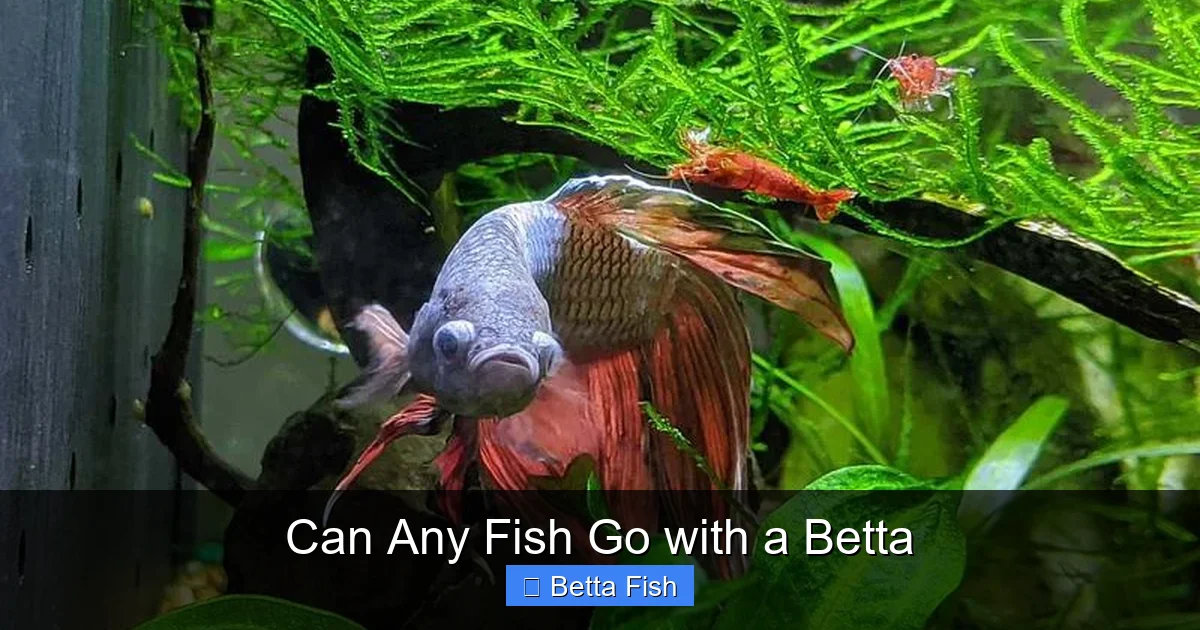
Cherry shrimp and Ghost shrimp can coexist with bettas if the tank has plenty of hiding spots. However, a very aggressive betta may view them as food, so watch closely.
Read more about invertebrate options in Can You Have A Snail With A Betta Fish.
Common Mistakes and How to Fix Them
Overcrowding
Adding too many fish to a small tank raises ammonia levels and increases stress. Stick to the “one inch of fish per gallon” rule as a baseline.
Ignoring Water Quality
Betas are sensitive to nitrite and nitrate spikes. Perform 25‑30% water changes weekly and test water parameters regularly.
Choosing the Wrong Gender
Putting a male betta with another male, even if the second is a different species with bright colors, almost always ends in a fight.
Not Providing Hiding Spots
Without plants or caves, a betta will see every newcomer as a threat. Add at least three hiding places per species.
Conclusion: Can Any Fish Go With a Betta?
In short, not any fish can share a tank with a betta. Success hinges on matching temperament, size, water needs, and tank size. By choosing peaceful, small‑bodied species, providing ample plants and hiding spots, and introducing new companions slowly, you can create a vibrant community that showcases the betta’s beauty without compromising anyone’s health.
Remember, each betta is an individual. Even species listed as “compatible” can sometimes act aggressively. Stay observant, be ready to intervene, and enjoy the colorful world you’re building.
Frequently Asked Questions
Can a male betta live with other fish?
Yes, but only with small, non‑aggressive species that won’t resemble another male betta. Provide at least a 10‑gallon tank and plenty of plants.
Are female bettas better for community tanks?
Female bettas are generally more social and can live in sororities, but they still need space and hiding spots to avoid bullying.
What is the safest fish to add to a betta tank?
Neon tetras, Corydoras catfish, and Harlequin rasboras are among the safest choices because they stay in the background and are too small to trigger aggression.
Can I keep a betta with a goldfish?
No. Goldfish require cooler water and produce a lot of waste, which is stressful for bettas that need warm, clean water.
Do snails bother bettas?
Snails are usually ignored by bettas and can help clean algae. They make a great first “tank mate” for beginners.
How long should I observe a new tank mate?
Watch the betta and its new companion for at least 48 hours. Look for signs of chasing, fin damage, or excessive hiding before considering the pairing successful.