Can an African Dwarf Frog Live with a Betta Fish
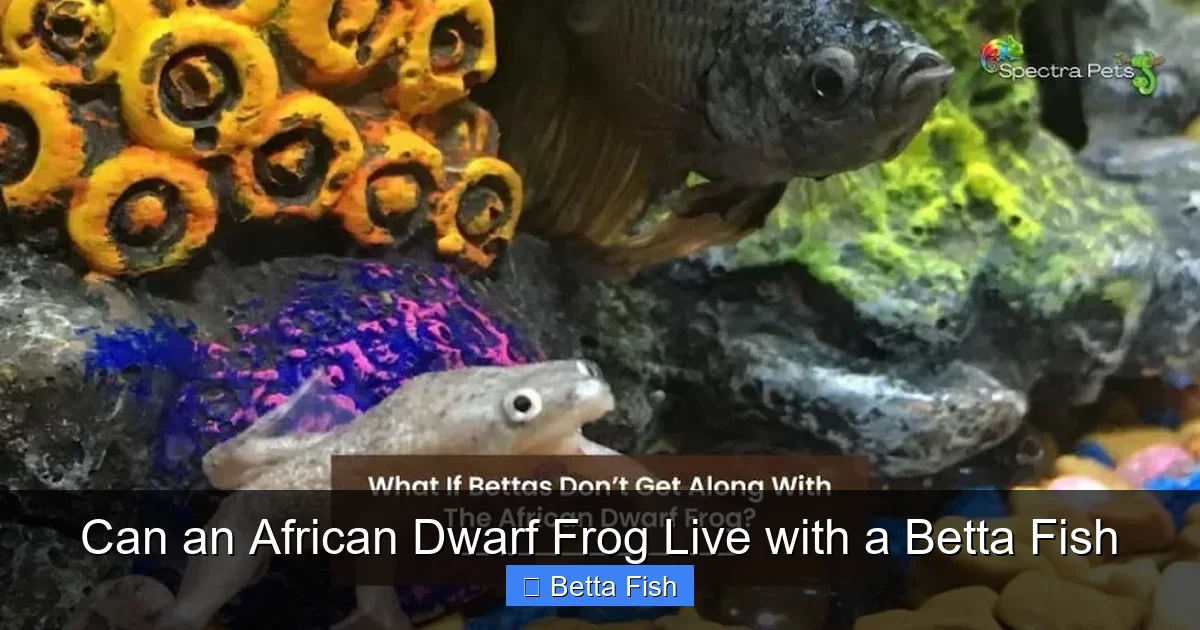
Yes, an African dwarf frog can share a tank with a betta fish under the right conditions, but it takes careful planning. Match water parameters, provide plenty of hiding spots, and monitor behavior daily to prevent stress or aggression.
Key Takeaways
- Water compatibility: Both species thrive in warm, slightly acidic to neutral water (75‑80°F, pH 6.5‑7.5).
- Tank size matters: A minimum of 10‑20 gallons gives enough space for swimming and hiding.
- Temperament varies: Some bettas are peaceful, others are aggressive; choose a calm male or a female.
- Hiding places are essential: Live plants, caves, and driftwood reduce stress for the frog.
- Feeding differences: Frogs need protein‑rich foods; bettas prefer pellets and occasional treats.
- Regular monitoring: Watch for signs of stress, illness, or bullying each week.
- Know the risks: Small bettas may try to eat frog tadpoles; large frogs might nip at fins.
📑 Table of Contents
- Introduction: A Curious Pair
- Understanding Each Species
- Matching Water Parameters
- Tank Size and Layout
- Temperament and Compatibility
- Feeding Both Species
- Health, Disease Prevention, and Common Issues
- Step‑by‑Step Guide to Introducing a Frog to a Betta Tank
- Real‑World Example: A Successful Community
- Conclusion: Is It Worth Trying?
Introduction: A Curious Pair
If you’ve ever stared at a bright orange betta fish gliding through a planted tank and wondered what would happen if a tiny, bubbly African dwarf frog joined the party, you’re not alone. Many hobbyists love the idea of mixing the graceful, flowing fins of a betta with the playful hops of a dwarf frog. The question that pops up again and again is simple but important: can an African dwarf frog live with a betta fish without drama?
In this guide we’ll walk through everything you need to know—from water chemistry and tank size to personality matching and daily care. By the end you’ll have a clear picture of whether this mixed aquarium is a good fit for you and, most importantly, whether it’s safe and healthy for both residents.
Understanding Each Species
African Dwarf Frog Basics
African dwarf frogs (Hymenochirus spp.) are fully aquatic amphibians native to the slow‑moving streams and swamps of Central Africa. They grow to about 1‑1.5 inches, never leave the water, and breathe through their skin as well as a tiny lung they use for occasional surface gulps.
- Temperature: 75‑80°F (24‑27°C)
- pH: 6.5‑7.5
- Diet: Live or frozen bloodworms, brine shrimp, daphnia, and high‑protein pellets.
- Lifespan: 5‑8 years with good care.
Betta Fish Basics
Betta fish (Betta splendens) are famous for their vivid colors and elaborate fins. Males are especially territorial, often flaring at any “intruder” that swims near. Females are generally less aggressive but can still defend their space.
- Temperature: 78‑82°F (25‑28°C)
- pH: 6.5‑7.5
- Diet: Betta pellets, frozen or live foods like daphnia and bloodworms.
- Lifespan: 3‑5 years on average.
Matching Water Parameters
The first step in answering can an African dwarf frog live with a betta fish is checking if their water needs overlap. Fortunately, both species enjoy warm, slightly acidic to neutral water, making a shared environment possible.
Temperature Harmony
Set your heater to a stable 78°F (25.5°C). This sits comfortably within the frog’s 75‑80°F range and the betta’s 78‑82°F sweet spot. Use a reliable aquarium thermometer and avoid sudden spikes.
pH and Hardness
A pH of 6.8‑7.2 works well for both. Test the water weekly with a liquid test kit, and if needed, use driftwood to naturally lower pH or add a small amount of crushed coral to raise hardness.
Filtration and Flow
Both creatures appreciate gentle water movement. A sponge filter or a low‑flow hang‑on filter provides clean water without creating strong currents that could stress the frog.
Tank Size and Layout
Why Bigger Is Better
A cramped 5‑gallon tank might seem cute, but it leaves little room for a betta’s territory and a frog’s hiding spots. Aim for at least 10‑20 gallons. This gives each animal enough space to claim a corner and reduces the chance of aggressive encounters.
Creating Zones
Divide the tank visually:
- Front zone: Dense plants (Java fern, Anubias) for the frog to hide.
- Middle zone: Open swimming area for the betta to display fins.
- Back zone: A cave or driftwood piece where both can retreat.
Use smooth rocks and live plants rather than sharp decorations that could injure the frog’s delicate skin.
Temperament and Compatibility
Now we get to the heart of the matter: can an African dwarf frog live with a betta fish without drama? The answer is “it depends.”
Betta Personality Types
Male bettas are notoriously territorial, especially when they see another creature with bright colors or similar size. A calm, older male who has already established his domain is more likely to ignore a small frog. Female bettas are generally less confrontational and may be a safer bet for beginners.
Frog Behavior
African dwarf frogs are shy and spend most of their time near the bottom or tucked under plants. They rarely chase other tankmates, but they will puff up and release a defensive toxin if they feel threatened. This toxin is harmless to bettas in low concentrations, but it can cause irritation if the frog is constantly harassed.
Signs of Compatibility
- Betta flares only occasionally, not continuously.
- Frog remains active, exploring plants without hiding all day.
- No missing fins, torn fins, or faded colors on the betta.
- Both eat normally during feeding times.
If any of these warning signs appear, be ready to separate them immediately.
Feeding Both Species
Separate Feeding Times
Because bettas are surface feeders and frogs are bottom dwellers, you can feed them at the same time but in different spots. Drop a few betta pellets near the surface for the fish, and place a handful of bloodworms at the bottom for the frog.
Dietary Needs
Both love protein‑rich foods, so a varied menu works well. However, avoid overfeeding frozen foods, as excess waste can quickly foul the water—especially in a smaller tank.
Supplemental Nutrition
Live foods like daphnia are a win‑win: bettas love the movement, and frogs get a natural hunting experience. Just be sure any live prey is gut‑loaded and free of parasites.
Health, Disease Prevention, and Common Issues
Potential Problems
- Fin rot: Can develop if water quality drops; watch for frayed edges on the betta.
- Frog stress: Indicated by loss of appetite, lethargy, or excessive mucus.
- Betta aggression: Persistent flaring, chasing, or nipping at the frog.
Preventive Measures
Maintain weekly water changes of 25‑30%, keep the filter clean, and test parameters regularly. Quarantine any new animal for at least two weeks before introducing it to the community tank.
When to Separate
If you notice ongoing aggression, severe stress, or illness in either animal, move one to a separate, species‑specific tank. It’s better to have two happy singles than one unhappy pair.
Step‑by‑Step Guide to Introducing a Frog to a Betta Tank
- Prepare the tank: Ensure temperature, pH, and filtration are stable for at least 48 hours.
- Acclimate the frog: Float the frog’s bag in the tank for 15 minutes, then slowly add tank water to the bag over 30 minutes.
- Introduce slowly: Place the frog in a breeding box or a small netted section for the first 24‑48 hours.
- Observe behavior: Watch for any signs of aggression from the betta.
- Full integration: If all looks calm, gently release the frog into the main tank.
- Monitor daily: Check feeding, swimming patterns, and water quality for the first week.
Real‑World Example: A Successful Community
Emily, a hobbyist from Texas, kept a female betta named “Ruby” with an African dwarf frog called “Bubbles” in a 15‑gallon planted tank. She followed the steps above, used a gentle sponge filter, and added floating leaves for extra cover. After two weeks, both animals displayed natural behaviors—Ruby performed short flares while Bubbles chased tiny daphnia. Emily reports no health issues after six months, proving that can an African dwarf frog live with a betta fish can be a reality when care is taken.
Conclusion: Is It Worth Trying?
So, can an African dwarf frog live with a betta fish? Yes, but only under the right conditions: compatible water parameters, a spacious and well‑decorated tank, a calm betta, and vigilant daily observation. The partnership can add fascinating dynamics to your aquarium, offering both the graceful dance of a betta and the quirky hops of a dwarf frog.
If you’re ready to invest the time in proper setup and monitoring, give it a try. And remember, it’s always okay to part ways if compatibility issues arise—both species deserve a stress‑free environment.
Frequently Asked Questions
Can African dwarf frogs and betta fish share the same water temperature?
Yes. Both thrive in warm water around 78°F (25.5°C), which falls within each species’ comfortable range.
Will a betta fish try to eat an African dwarf frog?
Adult dwarf frogs are usually too large for a betta to swallow, but very small tadpoles could be at risk. Keep an eye on feeding times.
Do I need a special filter for a mixed frog‑betta tank?
A low‑flow sponge filter works well. It provides biological filtration without creating strong currents that could stress the frog.
How can I tell if my betta is being aggressive toward the frog?
Watch for repeated flaring, chasing, or nipping at the frog’s body. If the frog hides constantly or shows signs of injury, separate them.
What plants are best for a tank with both a betta and a dwarf frog?
Java fern, Anubias, and floating Amazon frogbit give the frog hiding spots and the betta places to rest its fins.
Is it safe to keep multiple African dwarf frogs with one betta?
It’s not recommended. Multiple frogs increase competition for space and can provoke the betta’s territorial instincts.