Yes, a female betta can often share a well‑planted, appropriately sized tank with calm tropical fish, but success depends on tank size, water conditions, and careful partner selection. Follow our step‑by‑step guide to create a safe community that keeps both your betta and tank mates happy and healthy.
Key Takeaways
- Tank size matters: A minimum of 10‑20 gallons gives a female betta room to establish territory without feeling cramped.
- Choose peaceful, non‑fin‑nipping species: Small tetras, rasboras, and dwarf gouramis are often safe companions.
- Maintain pristine water: Consistent parameters (78‑80 °F, pH 6.5‑7.5) reduce stress and aggression.
- Provide plenty of hiding spots: Live plants, driftwood, and caves let the betta retreat when needed.
- Monitor behavior daily: Early signs of stress—flaring, hiding, or faded colors—signal a need to re‑evaluate tank mates.
- Separate sexes unless breeding: Mixing male and female bettas usually ends in fights.
- Research each species: Even “peaceful” fish can become aggressive under the wrong conditions.
📑 Table of Contents
Introduction: The Curious Case of the Female Betta
If you’ve ever watched a female betta glide through a lush, planted tank, you might wonder whether she can coexist with other tropical fish. Unlike the notorious male that flares at its reflection, a female betta is often more sociable—yet she still carries a streak of territorial instinct. The answer isn’t a simple “yes” or “no.” It hinges on a mix of tank size, water quality, and the personalities of the fish you introduce.
In this guide we’ll walk through everything you need to know to decide if a community aquarium is right for your female betta. From choosing compatible tank mates to setting up the perfect environment, you’ll get practical, step‑by‑step advice that reads like a chat with a seasoned hobbyist friend.
1. Understanding Female Betta Behavior
1.1 Natural temperament
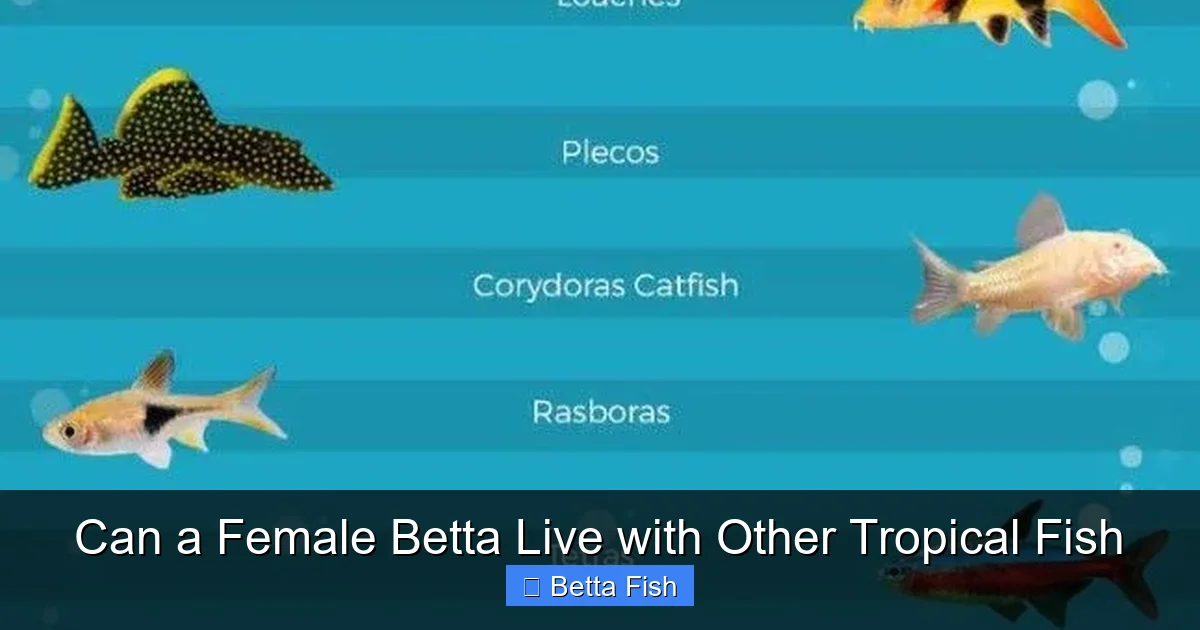
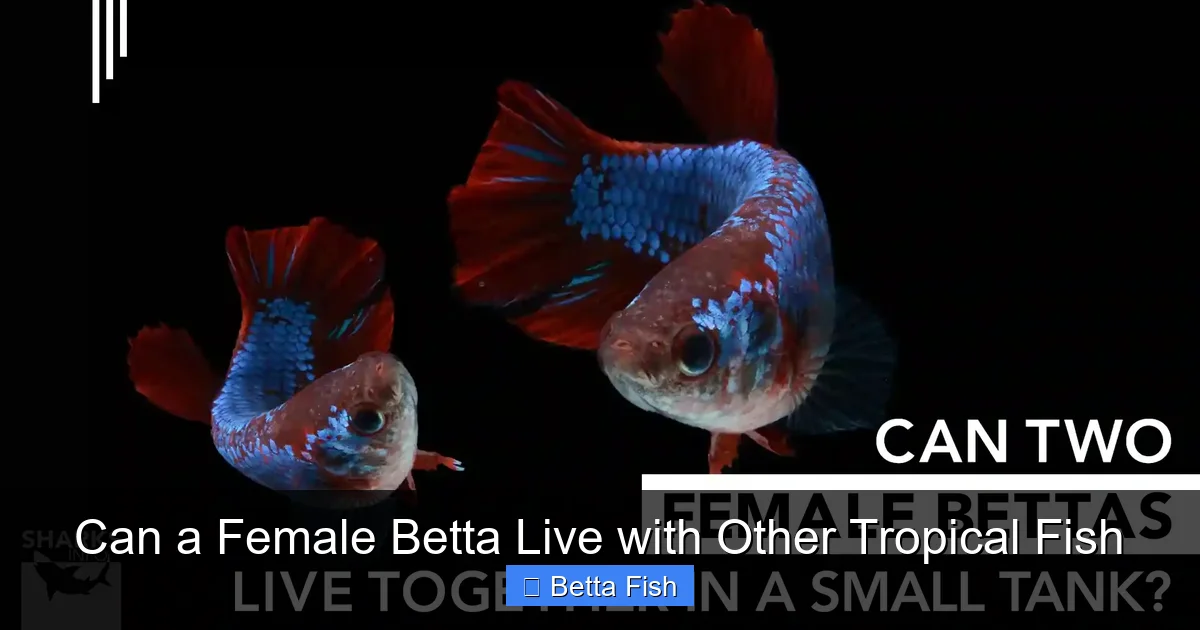
Female bettas (Betta splendens) are less aggressive than males, but they are still “fin nippers.” In the wild they defend small territories among dense vegetation. In a home aquarium they will claim a favorite leaf or plant and may flare if another fish gets too close.
Visual guide about Can a Female Betta Live with Other Tropical Fish
Image source: i.pinimg.com
1.2 Signs of stress and aggression
Watch for rapid fin flaring, constant hiding, loss of color, or a ragged appearance on the fins. These are early warnings that the community setup isn’t working.
2. The Right Tank Setup
2.1 Size and shape
While a 5‑gallon bowl can house a single betta, a community tank needs at least 10‑20 gallons. A longer tank (e.g., 20 × 10 × 12 in) gives each fish a horizontal “lane” to swim, reducing confrontations.

Visual guide about Can a Female Betta Live with Other Tropical Fish
Image source: i.ytimg.com
2.2 Filtration and water flow
Gentle, consistent flow keeps water clean without creating strong currents that stress bettas. A sponge filter or a low‑flow hang‑on unit works well.
2.3 Planting and décor
Live plants such as Java fern, Anubias, and Amazon swords provide natural cover. Add driftwood, smooth rocks, and ceramic caves. The goal is to create multiple “rooms” where the betta can retreat.
2.4 Lighting and temperature
Maintain 78‑80 °F (25‑27 °C) with a reliable heater. Use a 10‑hour light cycle to mimic day/night rhythms and prevent algae blooms.
3. Choosing Compatible Tank Mates
3.1 What makes a good companion?
Ideal partners are small, non‑aggressive, and have body shapes that don’t resemble the betta’s long fins. Fast‑swimming fish that ignore the betta’s presence are also a plus.
Visual guide about Can a Female Betta Live with Other Tropical Fish
Image source: sharksinfo.com
3.2 Top recommended species
- Neon Tetra (Paracheirodon innesi): Their tiny size and schooling habit keep them out of the betta’s way.
- Harlequin Rasbora (Trigonostigma heteromorpha): Peaceful, hardy, and active swimmers.
- Dwarf Gourami (Trichogaster lalius): Similar temperament but watch for size—larger gouramis can dominate.
- Corydoras catfish: Bottom dwellers that rarely interact with the betta’s mid‑water territory.
- Otocinclus algae eaters: Small, gentle grazers that help keep the tank clean.
3.3 Species to avoid
Fin‑nipping fish such as guppies, endlers, and certain barbs can damage a female betta’s delicate fins. Aggressive cichlids, large gouramis, and other bettas (especially males) are also a no‑go.
For a deeper dive into compatible fish, see our article What Other Fish Can Live With Betta Fish.
4. Introducing the Betta to the Community
4.1 Quarantine first
Always quarantine new fish for at least two weeks. This prevents disease spread and lets you observe the newcomer’s temperament.
4.2 The “swap” method
Place the betta in a breeder box inside the tank for 24‑48 hours. This lets her see the new fish without direct contact. After a calm period, gently release her and monitor interactions.
4.3 Gradual acclimation
Use a drip acclimation process to match water parameters. Sudden temperature changes can trigger stress‑induced aggression.
5. Ongoing Care and Monitoring
5.1 Daily observation checklist
- Are the betta’s fins intact?
- Is there any chasing or nipping?
- Do all fish eat normally?
- Is water clarity good?
5.2 Water maintenance schedule
Perform 25‑30 % water changes weekly. Test for ammonia, nitrite, and nitrate; keep nitrate below 20 ppm.
5.3 When to rehome
If aggression persists after two weeks, it’s kinder to move the betta to a species‑only tank. A stressed betta can develop fin rot or lose its vibrant colors.
6. Frequently Asked Questions About Female Bettas and Community Tanks
Below are quick answers to the most common concerns hobbyists have when considering a mixed tank.
Can a female betta live with other tropical fish?
Yes, with the right tank size, water conditions, and carefully chosen peaceful species, a female betta can share a community aquarium.
Do female bettas need a larger tank than males?
Both sexes benefit from larger spaces, but females often tolerate slightly smaller setups because they are less territorial than males.
What is the safest tank mate for a female betta?
Small schooling fish like neon tetras or harlequin rasboras are among the safest choices because they stay in groups and ignore the betta.
How many fish can I keep with a female betta?
In a 20‑gallon tank, a female betta can usually coexist with 6‑8 small community fish, provided there are plenty of hiding spots.
Will a female betta attack other fish if the tank is too small?
Yes. Cramped conditions increase stress and can trigger flaring or fin nipping.
Can I keep a female betta with a male guppy?
Generally no. Guppies have long, flowing fins that a betta may nip, leading to injury.
Frequently Asked Questions
Can a female betta live with other tropical fish?
Yes, a female betta can coexist with other tropical fish if the tank is large enough, water parameters are stable, and the chosen tank mates are peaceful and non‑nipping.
What tank size is ideal for a community with a female betta?
A minimum of 10‑20 gallons is recommended. Larger tanks provide more territories, reducing the chance of aggression.
Which fish are the best companions for a female betta?
Neon tetras, harlequin rasboras, dwarf gouramis, Corydoras catfish, and Otocinclus algae eaters are all proven to get along well with female bettas.
How do I introduce a female betta to a community tank?
Use a breeder box for 24‑48 hours, then slowly release her while watching for signs of stress. Quarantine new fish first to prevent disease.
What signs indicate that the betta is stressed?
Look for constant fin flaring, faded colors, ragged fins, or excessive hiding. These signals mean you should reassess tank mates or conditions.
Should I feed my female betta differently in a community tank?
Feed her high‑quality betta pellets once daily and supplement with occasional freeze‑dried or live foods. Ensure other fish get their share to prevent competition.

