Can a Betta Fish Live in a Filteration Gallon Tank
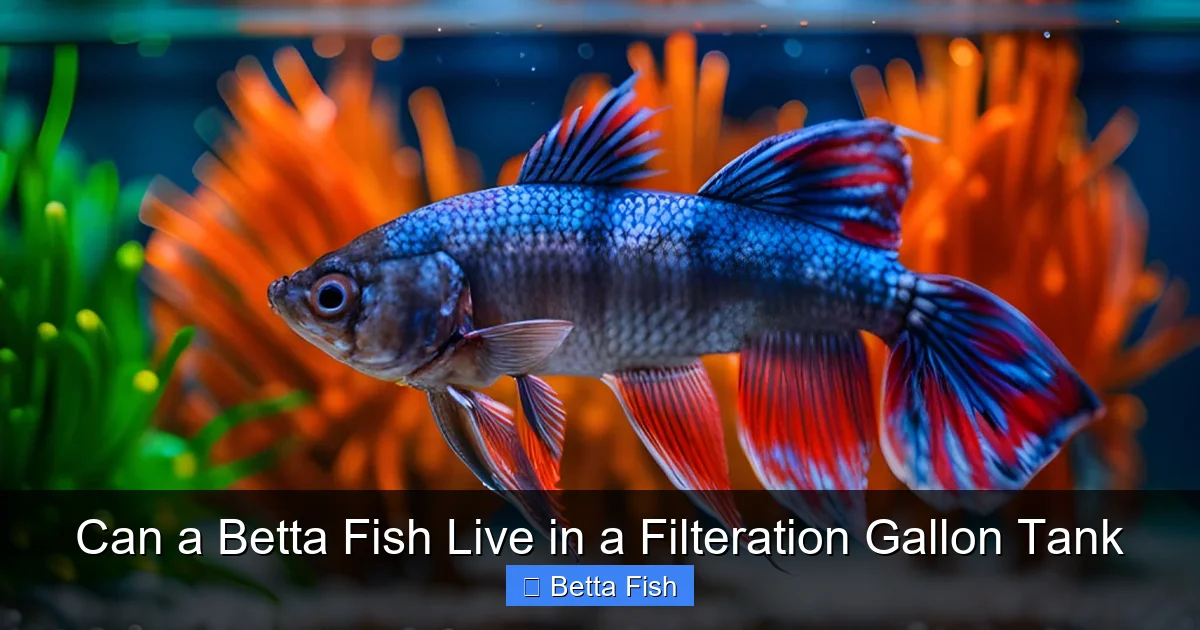
Yes, a betta can thrive in a filtered gallon tank if the water is clean, warm, and spacious enough for its needs. Choosing the right filtration system, maintaining water quality, and providing proper décor are key to keeping your betta healthy and vibrant.
Key Takeaways
- Tank size matters: A minimum of 2‑5 gallons is recommended for a single betta.
- Gentle filtration is best: Use a low‑flow filter or sponge filter to avoid stressing the fish.
- Temperature control is crucial: Keep water between 76‑82°F (24‑28°C) with a reliable heater.
- Regular maintenance: Weekly water changes of 25‑30% keep ammonia and nitrite low.
- Proper décor: Live plants and hiding spots reduce stress and mimic the betta’s natural habitat.
- Compatibility: Only peaceful, small tank mates can share a filtered gallon tank with a betta.
- Monitoring: Test water parameters frequently to catch problems early.
📑 Table of Contents
- Introduction: Why the Question Matters
- 1. The Right Tank Size for a Betta
- 2. Choosing the Right Filtration System
- 3. Temperature, Heating, and Water Quality
- 4. Setting Up the Tank: Décor, Plants, and Hiding Spots
- 5. Tank Mates: Who Can Share a Filtered Gallon Tank?
- 6. Common Mistakes and How to Fix Them
- Conclusion: A Happy Betta in a Filtered Gallon Tank
Introduction: Why the Question Matters
Betta fish, also called Siamese fighting fish, are popular for their vivid colors and flowing fins. New owners often wonder if a small, filtered tank—say, a “gallon tank” with a built‑in filter—can provide a happy home. The short answer is yes, but there are important details to consider.
In this guide we’ll break down everything you need to know: the right tank size, the type of filtration that works best, temperature control, décor, and even which tank mates are safe. By the end you’ll feel confident setting up a filtered gallon tank that lets your betta thrive.
1. The Right Tank Size for a Betta
Why “bowl” Myths Are Misleading
Many people still believe bettas can live forever in tiny bowls. While a betta can survive in a small volume of water for a short time, long‑term health suffers. A larger tank dilutes waste, stabilizes temperature, and gives the fish space to explore.
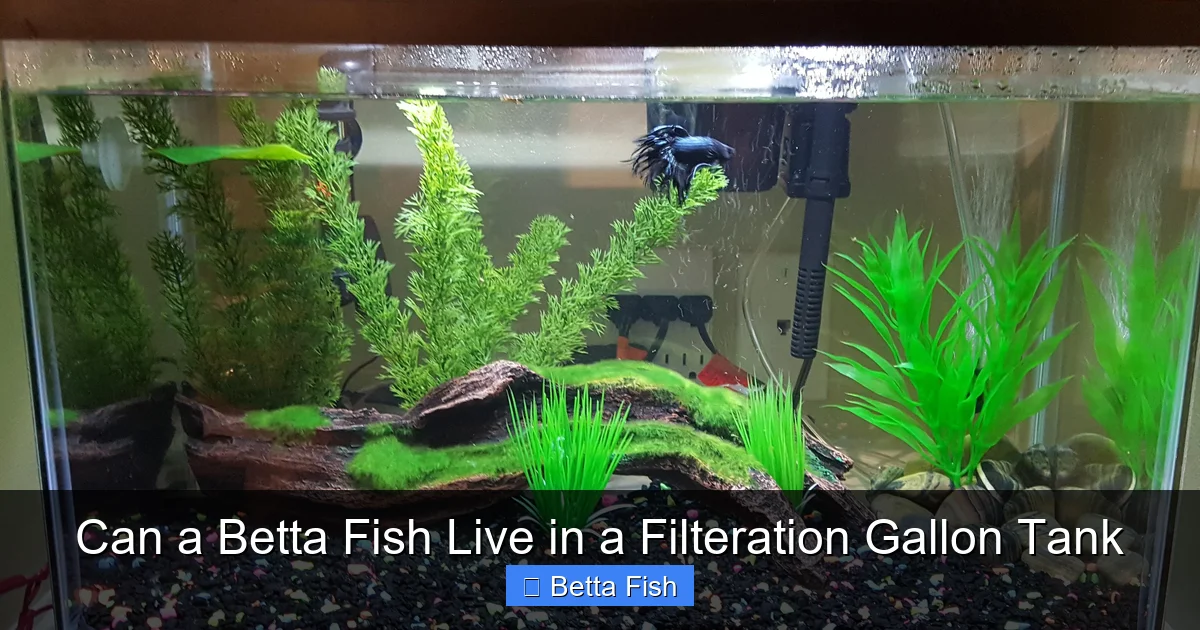
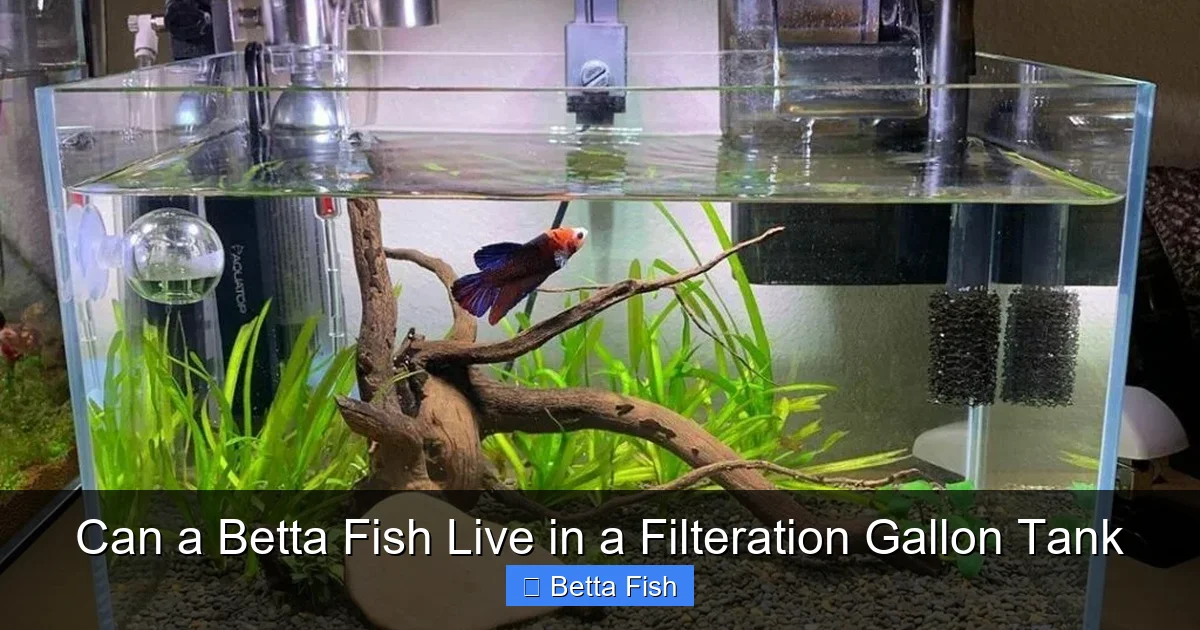
Visual guide about Can a Betta Fish Live in a Filteration Gallon Tank
Image source: i.redd.it
Minimum Recommended Volume
For a single betta, aim for at least 2 gallons. If you can provide 5 gallons, the water stays cleaner longer and you have room for live plants or gentle filtration. This size also makes water changes easier.
What Is a “Gallon Tank” With Filtration?
Some pet stores sell “5‑gallon filtered tanks” that come with a small internal filter. These are perfect for bettas because the filter is usually low‑flow, which mimics the gentle currents of their native rice paddies.
2. Choosing the Right Filtration System
Low‑Flow Filters Are Betta‑Friendly
Betta fish are natural surface breathers with delicate fins. A strong current can stress them or make it hard to rest near the water’s surface. Look for a filter that moves water at less than 2‑3 gallons per hour, such as:
Visual guide about Can a Betta Fish Live in a Filteration Gallon Tank
Image source: fishlab.com
- Sponge filters with an air stone (adjust air flow to keep the current soft).
- Internal hang‑on‑back (HOB) filters with adjustable flow.
- Quiet, small power filters designed for nano‑tanks.
Benefits of Filtration
Even a gentle filter provides:
- Biological filtration – beneficial bacteria that break down ammonia.
- Mechanical filtration – fine media that trap debris.
- Better oxygenation – a gentle swirl keeps water oxygen‑rich without creating a strong current.
When to Skip a Filter
If you prefer a completely still tank, you must perform water changes at least twice a week and monitor water parameters closely. However, a low‑flow filter is the easiest way to keep water safe for a betta.
3. Temperature, Heating, and Water Quality
Ideal Temperature Range
Betta fish are tropical and need water kept between 76‑82°F (24‑28°C). A reliable submersible heater with an adjustable thermostat is essential, especially in cooler climates.
Testing Water Parameters
Use a liquid test kit weekly to check:
- Ammonia – should be 0 ppm.
- Nitrite – should be 0 ppm.
- Nitrate – keep below 20 ppm.
- pH – aim for 6.5‑7.5.
Regular testing helps you catch spikes before they harm your betta.
Water Changes Made Easy
For a filtered gallon tank, change 25‑30% of the water every week. Use a water conditioner to remove chlorine and chloramines, and match the temperature of the new water to the tank.
4. Setting Up the Tank: Décor, Plants, and Hiding Spots
Live Plants vs. Silk Plants
Live plants such as Java fern, Anubias, and Marimo moss balls are excellent because they absorb nitrates and provide natural cover. If live plants aren’t an option, choose soft silk plants—no sharp edges that could tear the betta’s fins.
Creating a Comfortable Layout
Arrange décor to create a gentle flow:
- Place a floating leaf or a piece of Indian almond leaf on the surface for the betta to rest.
- Include caves, PVC pipes, or small ceramic pots as hiding places.
- Leave an open swimming area in the middle of the tank.
Substrate Choices
Fine sand or a thin layer of smooth gravel works well. Avoid sharp gravel that can damage delicate fins.
5. Tank Mates: Who Can Share a Filtered Gallon Tank?
General Rule: One Betta per Small Tank
Because a 2‑5 gallon tank is limited in space, it’s safest to keep a single betta alone. Adding other fish can increase waste and aggression.
Peaceful, Small Species That May Work
If you really want companions, consider these tiny, non‑aggressive species, and always monitor for stress:
- Snails (e.g., Nerite or Mystery snails) – they help clean algae.
- Small shrimp like Cherry shrimp – keep numbers low.
- Micro rasboras (max 1‑2 inches) – only in a 5‑gallon tank with plenty of plants.
For more ideas on compatible species, read Which Fish Can Live With Betta Fish In A Tank.
Species to Avoid
Never house bettas with fin‑nipping fish (e.g., guppies, tetras) or larger, active swimmers. Goldfish are a definite no‑go because they produce too much waste for a small filtered tank.
6. Common Mistakes and How to Fix Them
Over‑Filtering
Using a high‑flow filter can make a betta constantly fight the current. If you notice your betta hiding at the bottom or gasping for air, reduce the flow or switch to a sponge filter.
Skipping Heater
Even in a warm room, water temperature can drop at night. A heater set to 78°F (25.5°C) provides a stable environment.
Neglecting Water Changes
Filters reduce but do not eliminate waste. Skipping weekly changes leads to ammonia spikes. Follow the 25‑30% weekly change rule.
Improper Feeding
Overfeeding creates excess waste. Feed a betta 2‑3 small pellets once or twice daily, and remove any uneaten food after 5 minutes.
Conclusion: A Happy Betta in a Filtered Gallon Tank
So, can a betta fish live in a filtration gallon tank? Absolutely—provided you give it at least 2 gallons of space, a gentle filter, stable temperature, and regular maintenance. By following the steps above, you’ll create a low‑stress environment that showcases your betta’s brilliant colors and playful personality.
Remember, the goal is a clean, stable, and comfortable home. When you keep an eye on water parameters, maintain a gentle flow, and add plenty of plants and hiding spots, your betta will thank you with vibrant fins and lively behavior for years to come.
Frequently Asked Questions
Can a betta survive without a filter in a small tank?
Yes, but you must perform frequent water changes (at least twice a week) and monitor water quality closely. A filter makes maintenance easier and more reliable.
What type of filter is safest for a betta?
A low‑flow sponge filter or a small internal filter with adjustable flow is ideal. It provides biological filtration without creating a strong current.
How often should I change the water in a filtered gallon tank?
Change 25‑30% of the water weekly. If you notice cloudy water or a rise in ammonia, increase the change frequency.
Can I keep snails or shrimp with my betta in a 5‑gallon tank?
Yes, a few nerite snails or a couple of cherry shrimp can coexist peacefully, as long as the tank is well‑planted and the betta shows no aggression.
Do I need a heater even if my room is warm?
Yes. Betta fish require a stable temperature of 76‑82°F. A heater with a thermostat ensures the water stays within that range day and night.
What signs indicate my betta is stressed by the filter?
Signs include constant hiding at the bottom, gasping for air, faded colors, or frayed fins. Reduce the flow or switch to a gentler filter if you see these symptoms.